





All categories
Business & Offices
Electronics & Media
Fashion & Accessories
Groceries & Essentials
Health & Personal Care
Home & Living
Kids & Family
Sports & Outdoors
Search in ZoneOffer
Loading...
Your boat’s fuel system is the heart that keeps the engine alive and the day on the water stress-free. Ignore it and you’re courting clogged filters, engine sputter, or worse—stranding miles offshore. Think of a fuel system like a plumbing network for energy: one bad hose or filter lets grit and water into the engine, and suddenly your weekend plan becomes a troubleshooting marathon. Whether you run an outboard, inboard, or sterndrive, investing time in the right components and maintenance pays off in reliability, safety, and fuel efficiency.
Understanding the main parts of a fuel system makes shopping and repairs quicker and less intimidating. At a minimum, you're looking at a fuel tank, fuel lines and fittings, a pump, filters and water separators, and the connections that carry fuel to the engine. Each piece has variations—materials, sizes, and performance specs—so knowing the role each plays helps you match components to your boat’s size and usage pattern. The right combo reduces downtime and helps keep your engine running cleanly for years.
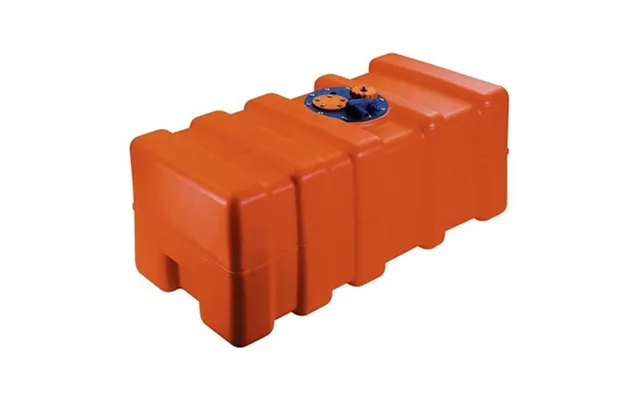
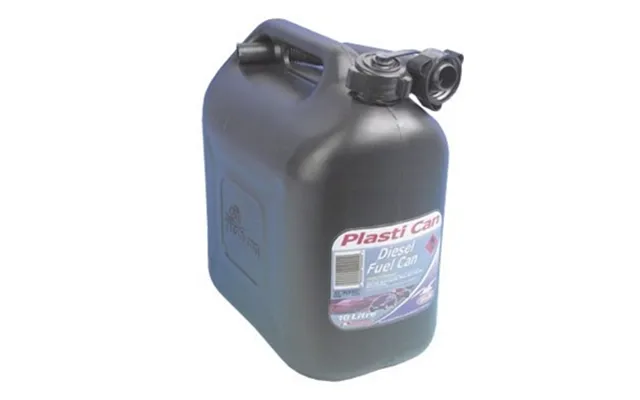
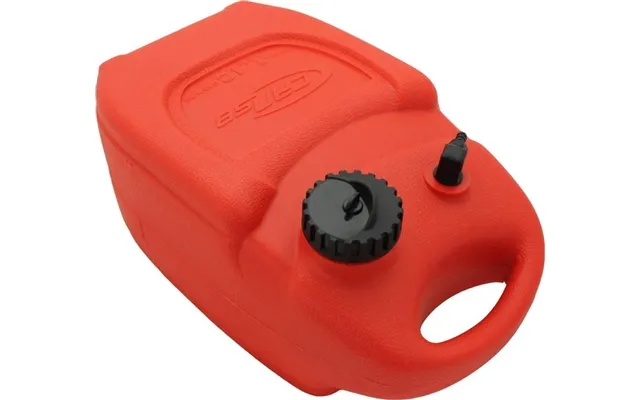
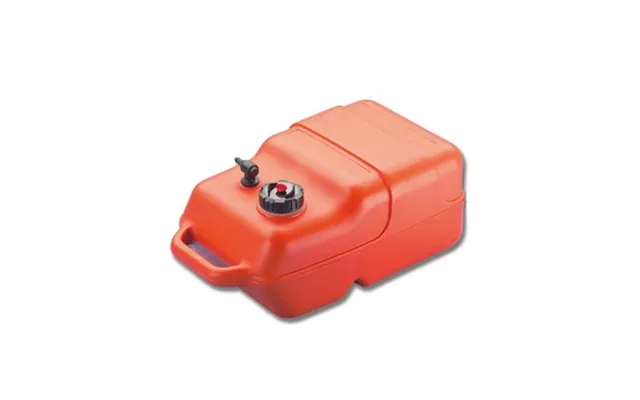
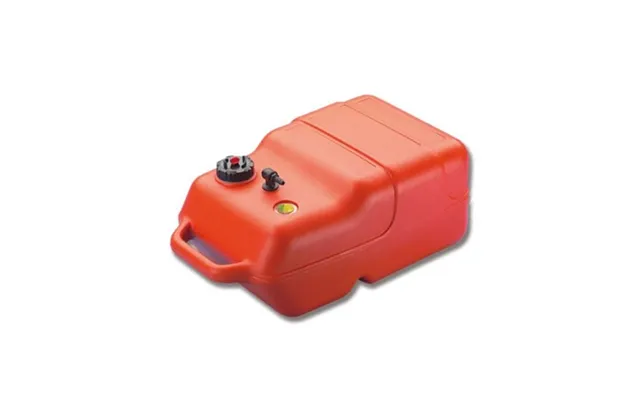
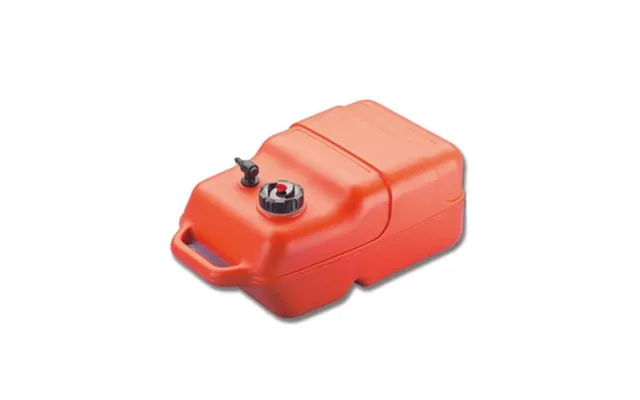
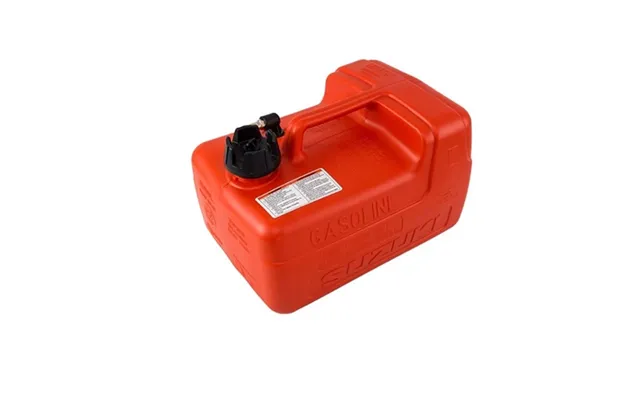
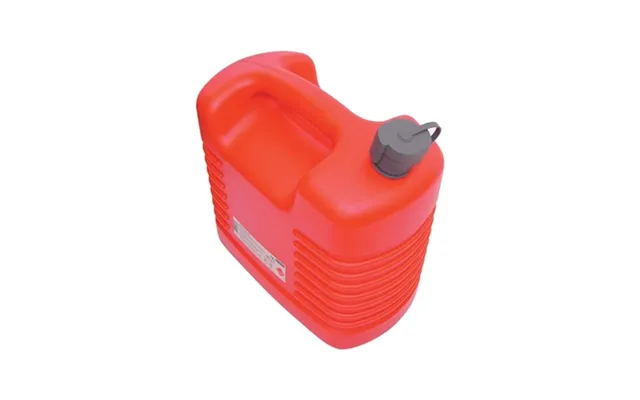
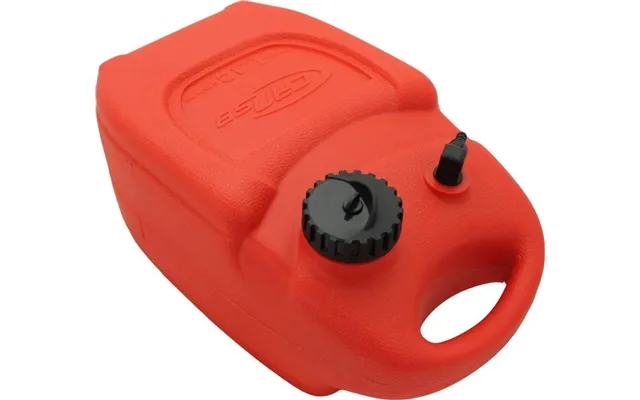
Fuel tanks come in molded plastic, aluminum, or steel, and portable tanks often use high-density plastic rated for marine use. Capacity is typically measured in gallons—common on recreational craft are 6 to 50 gallons, though larger vessels can hold much more. Fuel cells are safer, often foam-filled for crash safety and to limit slosh. When replacing or upgrading a tank, check for proper venting, mounting points, and level-sensing compatibility with your fuel gauge. Properly vented tanks prevent pressure build-up and allow accurate fuel readings.
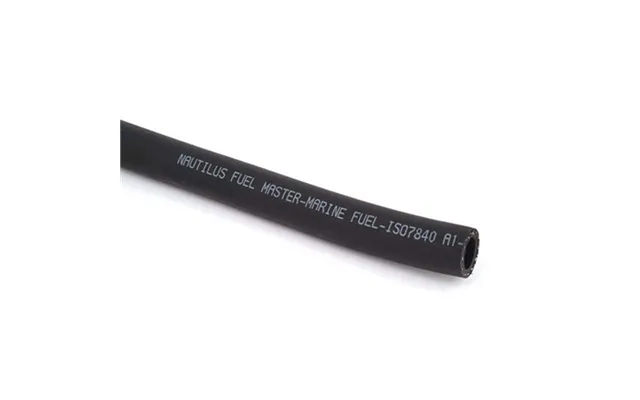
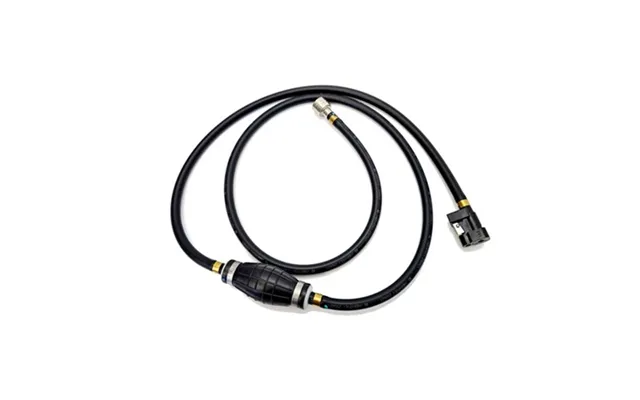
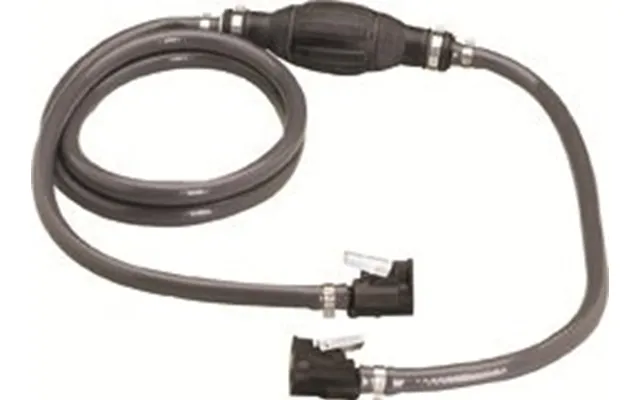
Quality fuel hose is designed to resist ethanol, UV, and fuel degradation. Choose marine-grade hoses that are explicitly rated for gasoline or diesel and sized by inside diameter—1/4 inch, 5/16 inch, and 3/8 inch are common for smaller outboards, while larger engines require wider lines. Fittings should be stainless steel or brass, and clamps should be corrosion-resistant. Poor hose selection or loose clamps are common causes of leaks and vapor intrusion, so go with components made for marine environments, not generic hardware-store parts.
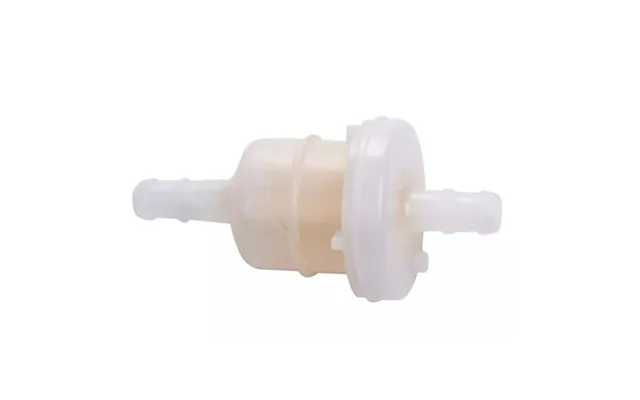
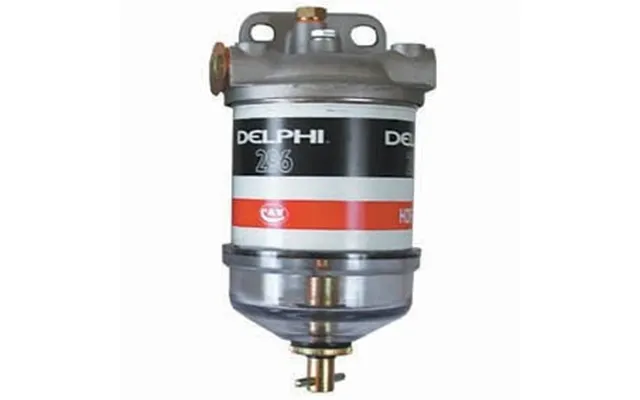
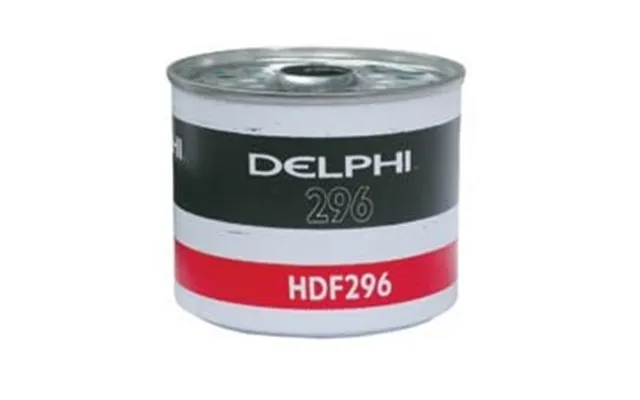
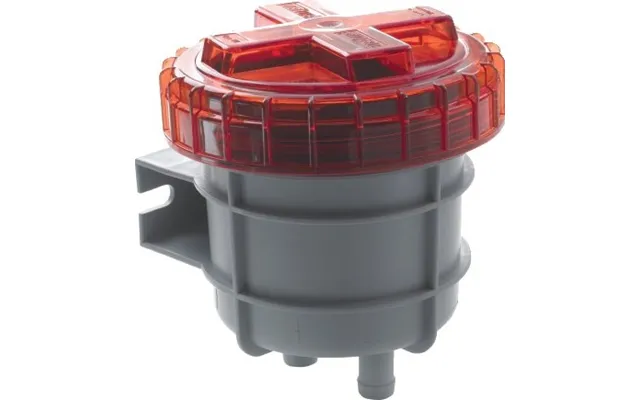
Filters are the line of defense against dirt, rust, and water. A primary filter or water separator sits before the pump to remove bulk water and contaminants, while a secondary filter protects the engine’s fuel injection or carburetor. Brands like Racor are well-known for their bowl-type water separators with sight glasses—handy for quick checks. Replace elements on a schedule or if you notice fuel flow issues; a clogged filter starves the engine, causing hesitation or loss of power.
Marine engines use mechanical pumps on older engines or electric pumps on many modern outboards and inboards. Electric pumps can provide steady pressure for fuel injection systems and reduce vapor lock risk, while mechanical pumps are simpler and sometimes easier to diagnose. Know your engine’s pressure requirements—measured in psi—so any replacement pump provides adequate and steady flow. A mismatch can lead to poor performance, surging, or no-start conditions.
There are several go-to products in the marine market that routinely get recommended for reliability and longevity. Water separators and filter assemblies from Racor and Parker provide clear bowls and replaceable elements, while fuel hoses from companies like Fuel Safe and Gates are designed specifically for marine use and ethanol-blended fuels. For pumps, Johnson Pump and Sierra offer solid choices, and OEM units from Yamaha or Mercury are often the safest bet for matched performance. When shopping, compare features like filtration micron rating, replacement element cost, and ease of servicing.
Not all filters are created equal. You want a filter rated to handle the particle size your engine tolerates, often specified in microns—look for guidance in your engine manual. For diesel engines, finer filtration helps protect injectors; for small outboards, a coarser primary filter with a fine secondary stage works well. Also consider flow rate measured in gallons per hour; if a filter restricts flow below what your engine demands at full throttle, performance will suffer. Think of filters like a security checkpoint—the tighter the screening, the less risk of trouble downstream.
Installing fuel system components is straightforward if you plan and use the right tools. Always depressurize systems before disconnecting lines, clamp hoses firmly, and use thread sealant made for fuel fittings. Keep hoses short and routed away from heat sources like exhaust manifolds—excess heat can accelerate fuel breakdown. When upgrading, match hose diameters and pump specifications. For example, if you upgrade to a high-flow electric pump, make sure the filter and lines can handle the increased flow, and consider adding a shutoff valve for easier maintenance.
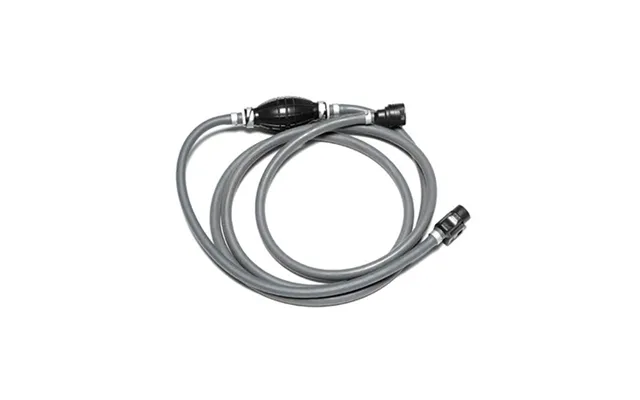
Regular checks keep surprises at bay. Inspect hoses for cracking or soft spots, check clamps for corrosion, and look at filter bowls for water or debris. If your engine sputters at high speed or loses power, suspect fuel delivery problems—start by rolling up your sleeves and checking the fuel filter and primer bulb for trapped air or collapsed sections. Siphon or drain any visible water from separators, and always keep a spare filter element and a small primer bulb on board for quick fixes.
Water in fuel is a common and serious issue—small amounts can corrode components and large amounts will kill an engine. Water settles in separators' bowls and can be drained via a petcock. If water repeatedly appears, check tank venting and cap seals, as well as the sourcing of your fuel. Running a fuel dryer or anti-water additive can help in small doses, but persistent contamination usually requires cleaning tanks and replacing infected lines and filters. Think of it as a moisture problem in your cellar—the sooner you find the leak, the easier it is to fix.
Ethanol-blended fuels attract water and can cause phase separation in tanks left sitting for long periods. Using ethanol-resistant hoses and filters helps, but the real weapon is quality fuel stabilizers and ethanol treatments before storage. Additives condition the fuel and protect seals, but they are not a cure for contaminated fuel. For seasonal boats, drain fuel or run the engine with treated fuel until it’s fully circulated to protect the system over long layups.
Working with fuel requires respect for safety rules. Always work in a well-ventilated area, keep a fire extinguisher nearby, and avoid open flames or sparks. Use fuel-rated containers for transfers and never mix fuel types in the same tank. Also be mindful of emissions and local regulations—some regions restrict storage and transfer practices. Finally, consider professional installation for fuel tanks and complex systems if you lack experience; mistakes with fuel systems can be dangerous and expensive.
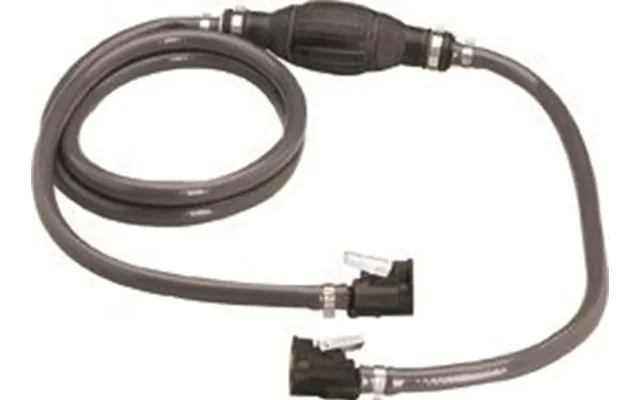
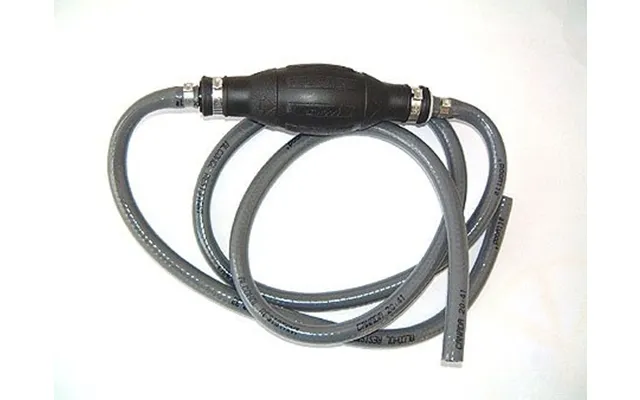
Beyond the basics, some accessories deliver big convenience and safety returns. Inline fuel gauges and level senders that speak to your dash make it easier to monitor fuel use. Primer bulbs with built-in check valves help purge air, and vent filters keep debris and insects out of the tank. For those who trailer their craft, portable fuel tanks with secure fittings and anti-spill caps are handy. Add-ons like quick-drain valves under the separator bowls speed maintenance, saving time during pre-launch checks.
When shopping for fuel system components, price is only one part of the equation. Compare warranties, replacement element costs, and availability of parts. A cheaper filter with an expensive proprietary element can cost more over time than a higher upfront investment in a standard unit. Comparison sites, including specialized marine gear comparison services, can help you see price trends and vendor reliability at a glance, but always check product specs and user reviews to confirm compatibility with your engine model.
Proper winterizing extends the life of your fuel system. Fill the tank to reduce air space, add a fuel stabilizer, run the engine to circulate the treated fuel, and then disconnect batteries to prevent accidental starts. Replace the fuel filter before storage to remove any contaminants that could sit and degrade over months. If you’re heading into cold weather, remember that condensation forms when temperatures drop, so a full tank minimizes the moisture that can lead to corrosion and microbial growth.
Some jobs are DIY-friendly, but others are best left to professionals. If the issue involves tank fabrication, replacing internal tank baffles, or diagnosing intermittent fuel pressure problems that require special gauges, find a marine mechanic. Certified techs have the tools and experience to diagnose complex fuel injection or EFI system issues and will keep the work compliant with safety standards. Calling a pro can save time and prevent compounding a problem with a rushed repair attempt.
Before you buy, use a checklist: confirm engine compatibility, check hose diameter and length, verify pump psi and gph ratings, note filter micron ratings and element costs, and ensure fittings are marine-grade. Once installed, schedule checks every 50 to 100 hours of operation or at least once per season, and keep spares for the most likely failures: a spare filter, primer bulb, and a small roll of fuel hose can be a trip-saver. A little preparation prevents cold mornings and long waits on the water.
Conclusion: Your fuel system is a blend of small decisions that add up to big reliability. Choose marine-rated parts, keep to a maintenance routine, and don’t be afraid to consult professionals when complexity grows. Whether you’re replacing a filter, upgrading a pump, or fitting a new tank, attention to detail will keep your engine humming and your focus where it should be—on the horizon, not the bilge.
| Watercraft Fuel Systems | Price | |
|---|---|---|
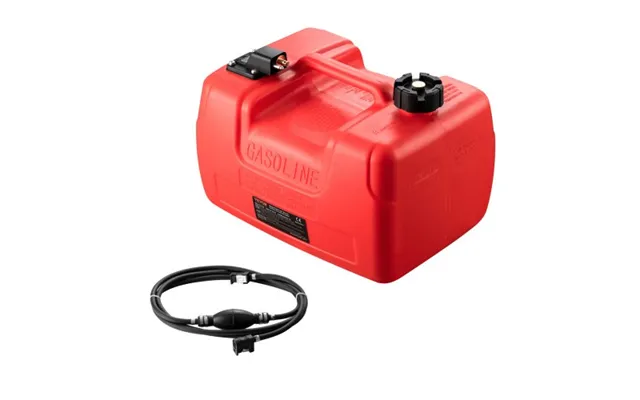
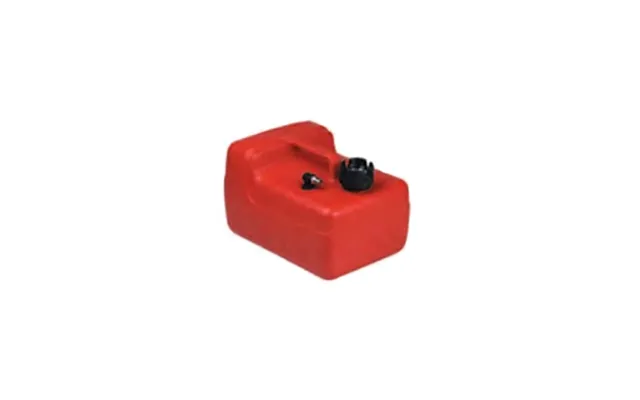
| Vevor Boat Fuel Tank - 3.17-gallon 12-l Marine Outboard Transfer Tank | £ 40,90 | |
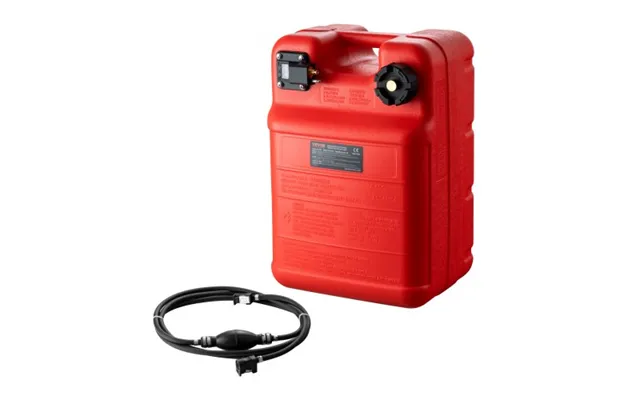
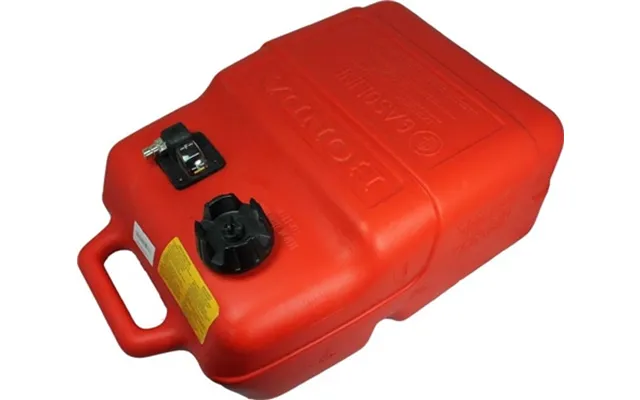
| Vevor Marine Tank - 6.34-gallon 24-l Marine Portable Tank Outboard Marine Boat Transfer Tank With 9 | £ 53,90 |


