
Recreational Vehicles price list
Last updated Sunday, 27 Sept 2026
| Recreational Vehicles | Price |
|---|---|
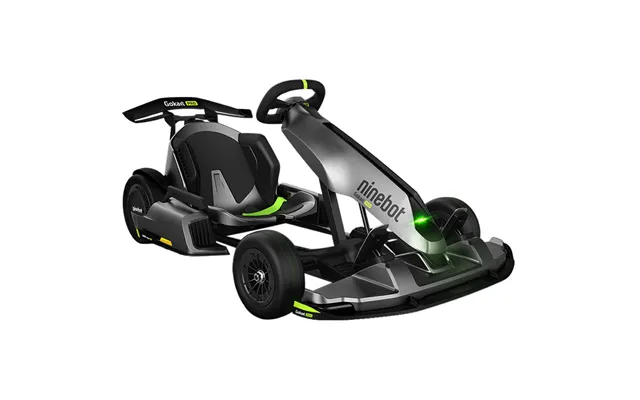
| Ninebot Gokart Pro Electric Go Kart | £1,599.00 |
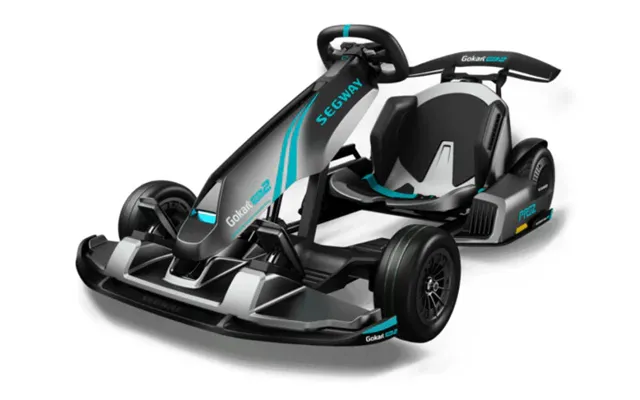
| Segway Go Kart Pro 2 Grey | £1,645.99 |



View 12 Offers








Loading...
Last updated Sunday, 27 Sept 2026
| Recreational Vehicles | Price |
|---|---|
| Ninebot Gokart Pro Electric Go Kart | £1,599.00 |
| Segway Go Kart Pro 2 Grey | £1,645.99 |
If you crave freedom on the open road, a recreational vehicle (RV) can feel like a passport to new experiences. Think of an RV as a tiny home with wheels: it gives you the flexibility to chase summer along the coast, see countryside at your own pace, and sleep where the sky feels brightest. Buying an RV is not just a vehicle purchase—it’s a lifestyle upgrade. You’ll want to weigh cost, comfort, and convenience, and comparison sites that aggregate popular offers can be a huge time-saver when you’re hunting for the right deal.
RVs come in many flavours, each suited to different kinds of trips and budgets. From nimble campervans that park like a car to large motorhomes that feel like mini-apartments, selecting the right type boils down to how you plan to travel. Do you need something you can zip around narrow lanes with, or a roomy rig for family holidays? Knowing the categories helps you filter offers and compare like with like.
Campervans are compact and convenient — imagine a van that doubles as a sleeping and cooking space. They’re ideal for couples or solo travellers who value mobility and lower running costs. Campervans typically get better fuel economy than bigger rigs and are easier to park in city spaces. If you plan to do frequent short trips or urban exploring, a campervan is a smart choice.
Class B motorhomes are slightly larger than campervans but still relatively small. They strike a balance between comfort and drivability. These rigs often have small bathrooms, basic kitchens, and sleeping for two to four people. They’re great when you want a bit more creature comfort without tackling a full-size coach.
Class C and larger motorhomes offer more living space: slide-outs, separate sleeping areas, and full kitchens. Families and long-term travellers like these because they feel more like a traditional home on wheels. Larger motorhomes typically have heavier engines and a different license and insurance profile, so always check the legal and running-cost implications before you buy.
Caravans (travel trailers) let you tow your living space behind a separate vehicle. This setup is flexible: once you reach your campsite, you can unhitch and use your tow vehicle for local driving. Caravans range from lightweight teardrops to luxuriously appointed multi-room models, and are often priced more attractively than motorhomes of equivalent living space.
When browsing popular offers, don’t get blinded by glossy photos. Focus on features that impact daily life: sleeping arrangements, kitchen layout, storage, water and fuel capacity, and heating. Practical details—like how easy it is to access storage or whether the bed converts quickly—can make or break your enjoyment on the road.
Count real sleeping capacity, not theoretical numbers. A rig that sleeps four on paper might be cramped in practice. Think about privacy and how you want to use that space. Bunks, drop-down beds, and convertible dinettes each have trade-offs. If you plan long stays, prioritize comfortable mattress size and easy bed setup over quirky convertible furniture.
A compact kitchen with a good sink, counter space, and a reliable stove will change how much you spend on takeout. Consider whether the rig has a gas oven, a two- or three-burner hob, and how much fridge space there is. Bigger fridges and full-size appliances add convenience but use more power and space—balance what you truly need against the extra weight and fuel use.
Power options determine how free you are to camp away from hook-ups. Look at battery capacity, inverter size, and whether the RV has solar panels or generator options. Heating systems in many UK-focused rigs are designed for cooler nights; check fuel sources and BTU output in the specs. For long off-grid trips, prioritize larger battery banks and efficient heating that can run on available fuels.
Interior lockers and exterior storage bays matter when you’re carrying bikes, outdoor gear, and supplies. Don’t forget payload limits—the manufacturer’s listed payload tells you how much cargo you can safely carry after accounting for passengers and fuel. Overloading an RV affects handling, fuel economy, and safety, so pay attention to those numbers when comparing models.
Comparison sites make the hunt for deals easier by letting you filter by price, model type, year, mileage, and more. Use them to set alerts for new listings and to compare comparable rigs side by side. Remember: popular offers often move fast, so having a clear shortlist of must-have features will help you snap up the right rig when it appears.
Deals that look too good to be true often need a closer look. Check service history, look for signs of damp or damage in photos, and read seller descriptions carefully. Comparing multiple listings helps you identify market norms for a given model and year—this makes spotting real bargains much easier.
Price is just one part of the picture. Financing terms, insurance premiums, and running costs like fuel and maintenance add up. Use comparison tools to estimate annual costs based on expected mileage in miles, average fuel consumption, and insurance groupings. A cheaper purchase might end up costing more over time if insurance or maintenance is significantly higher.
Certain brands have earned reputations for build quality, resale value, and support. In the UK and European markets, manufacturers like Swift, Auto-Sleepers, Bailey, and Adria are commonly recommended. International names like Volkswagen for camper conversions and Hymer for premium motorhomes also show up in popular offers. Try to test drive similar-platform models to compare ergonomics and driving feel.
Classic campervan conversions based on van platforms—think Volkswagen Transporter or Ford Transit—offer a blend of manoeuvrability and practical layouts. They’re highly customisable and supported by a strong aftermarket for upgrades like pop-top roofs, swivelling seats, and compact auxiliary heaters. If you enjoy DIY upgrades, a conversion base vehicle can be a rewarding platform.
Chassis from Fiat Ducato and Mercedes Sprinter underpin many motorhomes because they balance comfort and durability. These platforms often come with widespread service networks and readily available parts, making them a sensible choice for long-term ownership. When scanning offers, compare engine options and service intervals to plan maintenance.
Small upgrades can make a huge difference in everyday comfort and later resale. Solar panels, upgraded batteries, awnings, and secure bike racks are high-impact additions. When shopping, note which accessories come with a rig and which will need to be added if you want them—sometimes a slightly higher price with good accessories included is a better deal than a cheaper base model.
Adding solar panels and a larger battery bank reduces dependence on campsite electricity and quietens life by avoiding noisy generators. Panels rated in watts and battery banks rated in amp-hours are the key specs—convert these into the real-world use by estimating how many hours of devices you need to run between recharges. For many owners, solar makes wild camping far more enjoyable.
Upgrades like upgraded mattresses, better insulation, and modern alarms improve daily comfort and safety. Additionally, reversing cameras, upgraded tyres, and tracking systems enhance safety and peace of mind. These features also appeal to buyers later, making them good investments if you plan to resell in the future.
Owning an RV is part vehicle ownership, part home maintenance. Regular checks on tyres, brakes, seals, and the roof will save you from costly repairs and leaks. Create a simple maintenance schedule: inspect tyres for wear before long trips, check fluid levels, and test batteries and heating systems seasonally. A little preventative care goes a long way.
Tires are the unsung heroes of a safe trip. Monitor tread depth and tyre pressure before every long drive. RV tyres can age even if miles are low; rubber becomes brittle over time. Brakes should be inspected annually, especially if you tow a trailer. Proper maintenance keeps stopping distances short and gives you better control in wet or windy conditions.
Leaks start small but escalate quickly if ignored. Regularly inspect roof seams, window seals, and access hatches for cracks or gaps. Clean and treat seals with appropriate products every year, and repair small issues promptly. Water damage is one of the costliest problems in RV ownership, so prevention is key.
Both new and used RVs have advantages. New rigs come with warranties and the latest tech, but depreciation hits quickly in the first few years. Used RVs offer better initial value if you choose wisely, but require thorough inspection. If you buy used, invest time in a detailed checklist including water damage signs, chassis integrity, and service records.
Start with a thorough test drive, checking steering, brakes, and transmission. Inside, smell for dampness, test all appliances, and run the heating and water systems. Ask for service records and check MOT history if applicable. If you’re not confident, consider hiring a professional surveyor who can spot hidden issues and give peace of mind.
Understand what a manufacturer or dealer warranty covers and for how long. Some warranties transfer to the next owner, which can boost resale value. Depreciation curves differ by brand and model; some marques hold value better due to build quality and market demand. Factor depreciation into your total cost of ownership to compare long-term value.
Once you’ve chosen your rig, planning your first trip should be fun, not stressful. Start small: a weekend getaway under 200 miles is a great shakedown. Pack essentials, check the vehicle systems, and choose campsites with easy access. Use route planning to avoid low bridges and narrow lanes if you’re in a larger motorhome—safety first, adventure second.
Pack light and smart: soft bags compress better than hard suitcases, and multi-use gear saves space. Keep a small toolkit, basic cleaning supplies, a first-aid kit, and a spare hose for water hookups. Label storage compartments so you can find things quickly. The less time you spend digging for a saucepan, the more time you’ll spend enjoying the view.
Decide if you want structured campsites with hook-ups or more independent wild camping. Campsites offer facilities and security; wild camping gives solitude. In the UK, wild camping rules vary, so check local regulations. Whether you want social sites with showers or remote spots under starlit skies, plan according to your comfort level and the rig’s capabilities.
Buying an RV is equal parts practicality and dream-chasing. Use comparison sites to sift through popular offers, be clear about your must-haves, and inspect potential buys carefully. Whether you opt for a compact campervan or a roomy motorhome, focus on features that match how you travel: sleeping comfort, power independence, and storage matter more than fancy extras. With the right planning and a little maintenance know-how, your recreational vehicle will open up miles of memorable adventures.