
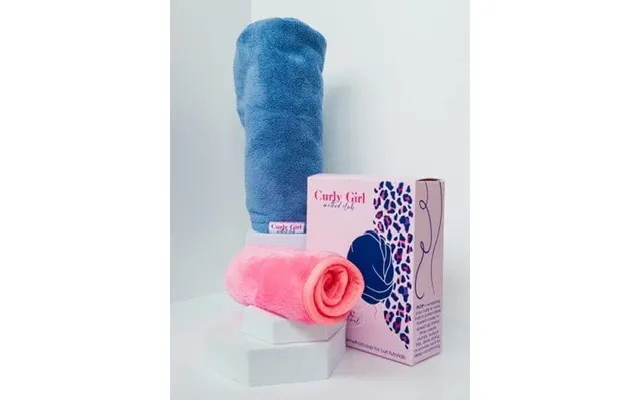
Hair Care Wraps price list
Last updated Friday, 18 Sept 2026





Loading...
Last updated Friday, 18 Sept 2026
Hair care wraps are versatile, fabric-based accessories designed to protect hair, speed up drying, and help retain moisture and style. Think of them like a gentle hug for your hair after a shower — lighter than a towel and kinder than rubbing your hair with a rough cloth. They come in many shapes and fabrics and are used for everything from quick drying to overnight protection of curls and color-treated hair.
Using a hair wrap reduces friction, which means less frizz, fewer breakages, and smoother strands. Unlike traditional terry cloth towels that can tug and rough up hair cuticles, lightweight wraps made of satin or microfiber glide gently and lock in moisture where you want it. They’re also a handy, compact solution for travel, gym sessions, and lazy mornings when you want your hair to dry without losing shape.
Microfiber wraps are engineered to absorb water quickly without heavy scrubbing. A typical microfiber turban is about 20 to 25 inches long and 10 to 12 inches wide, sized to wrap neatly around medium to long hair. These are ideal when you want to speed up drying time without heat. They’re lightweight and often include a button or elastic loop to stay in place while you move around.
Satin and pure silk wraps are famous for protecting hair during sleep. Silk is a natural fiber, while satin is a weave that can be made from silk or synthetic materials. Both reduce friction and prevent split ends, especially on hair that’s curly, color-treated, or fine. A silk bonnet or wrap typically covers a full head comfortably — look for pieces with a diameter of 10 to 12 inches for the crown area and a 22 to 24 inch circumference to ensure a comfy fit.
Cotton and terry cloth wraps are absorbent and affordable, making them a common choice for basic drying tasks. However, cotton can be rougher on delicate strands, so pair it with a leave-in conditioner if you plan to use it frequently. These wraps are handy for thick hair due to their absorbency, but they may add volume or frizz if used without gentle handling.
Bamboo and jersey fabric wraps offer a soft, breathable option that’s naturally hypoallergenic. Jersey is stretchy and adapts to head shape, while bamboo fibers are moisture-wicking and gentle on sensitive scalps. These are great for everyday use and are often machine-washable, making maintenance easy.
Hair wraps reduce direct friction between hair and fabric, which helps prevent frizz and split ends. When hair rubs against a regular towel, the cuticle can lift and roughen. A satin or silk wrap keeps the cuticle flat, giving hair a sleeker appearance and improved shine.
Wrapping hair after applying oils or leave-in treatments helps these products penetrate rather than get wiped away. A wrap traps heat gently, allowing deep conditioners and masks to work more effectively than leaving the hair exposed to air.
Microfiber wraps absorb water fast, reducing blow-drying time and limiting heat damage. For those who prefer air-drying, a wrap shortens the waiting time and cuts down on the drip factor while you get dressed or apply makeup.
When you wrap your hair during sleep, it preserves braids, curls, or blowouts longer by minimizing rubbing against pillowcases. This also helps color-treated hair retain vibrancy since less friction means less fading from mechanical wear.
Curly and coily textures benefit greatly from silk or satin wraps that lock in moisture and maintain curl definition. Look for full-size bonnets or large turbans that allow your curls to sit comfortably without being crushed — aim for a diameter at the crown of at least 12 inches to avoid flattening the shape.
Wavy hair often needs something in between: microfiber for post-shower drying and a satin wrap for overnight protection. Wavy hair can lose shape if damp and left unwrapped, so a soft, breathable option like jersey is also a smart choice for day-to-day wear.
Straight, fine hair can get weighed down by heavy wraps. Opt for lightweight satin or silk to protect fine strands without adding bulk. If you’re drying your hair, use microfiber but avoid wrapping too tightly — a loose turban will absorb water without creating flat spots.
Thick or long hair needs roomy designs with secure closures. Microfiber towels and oversized turbans that measure 24 to 30 inches in length are better suited to handle large volumes. Many premium wraps include reinforced stitching and a secure loop or button to hold the extra weight without slipping.
Gently squeeze out excess water with your hands first, then flip hair forward, place the wider end of the wrap at the nape, and roll toward your scalp. Secure the wrap with a loop or button at the back of your head. This method removes surface water without rough rubbing and reduces blow-dry time significantly.
After styling or applying a leave-in product, gather hair into a loose bun or puff at the top or back of your head. Slip on a satin bonnet or wrap with enough room so strands aren’t compressed. This preserves volume and curl shape while you sleep, helping morning touch-ups be quicker and less damaging.
Apply your mask or oil and then wrap hair to trap gentle warmth. A microfiber or jersey wrap works well to hold the product in place while you relax for 20 to 30 minutes. Rinse and style as usual for deeper penetration compared to leaving hair uncovered.
Wash wraps according to their fabric: silk often requires a gentle wash or hand wash in cool water, while microfiber and cotton can go in a machine on a delicate setting. Use mild detergent and avoid bleach. For silk, a small amount of mild shampoo or silk-specific cleaner will keep fibers smooth without stripping natural oils.
Air-dry silk and satin flat or hang them to preserve their shape. Microfiber and cotton can be tumble-dried on low if the care label allows. Store wraps in a dry drawer or hang them on a hook to prevent creasing; compact folding is handy for travel so your wrap fits in a toiletry bag without getting misshapen.
Most adults find a head circumference range of 21 to 24 inches comfortable for a standard wrap or bonnet. If you have extra long or very voluminous hair, aim for wraps that are closer to 24 to 30 inches in length and a roomy crown area. Elastic edges and adjustable closures add versatility and can accommodate different head sizes without constricting.
Smaller wraps, about 18 to 20 inches in circumference, are usually best for children and teens. Kids’ wraps often include softer elastic and playful prints, but choose fabrics that are gentle on delicate hair and scalps to prevent irritation.
Closures matter for convenience and staying power. Buttons and loops secure wraps well around wet hair, while elastic edges offer a snug fit that’s easy to slip on and off. Consider how you’ll use the wrap — if you move around a lot while drying, a button or loop system can be more secure than simple elastic.
Fabrics are rated by feel rather than standard numbers, but you can judge absorbency by fabric thickness and density. Microfiber is highly absorbent and lightweight, while cotton terry is thick and heavy when soaked. For travel and gym use, lightweight but highly absorbent microfiber is often the best compromise.
Look for features like interior lining to protect delicate hair, antimicrobial treatments for gym use, or reversible designs for style flexibility. Some wraps include pockets or extended tails to wrap long hair better — those little details can make a daily routine much smoother.
Hair wraps can double as a chic headscarf or turban for casual outfits. Satin or patterned wraps add a polished touch on bad-hair days and can be coordinated with sunglasses and earrings for an effortless look that’s both functional and fashionable.
Compact wraps are travel essentials. A silk or microfiber wrap saves space, keeps your hair in shape on long trips, and works as a spa accessory on weekend escapes. Pack a neutral-colored wrap for versatility, or a bold print to carry a pop of color without much effort.
One common mistake is wrapping hair too tightly, which can cause tension and breakage, especially at the hairline. Aim for a secure yet loose wrap that keeps hair in place without pulling. If you notice headaches or red marks, loosen the wrap or choose a different closure type.
Using cotton or rough terry for overnight protection can cause frizz because the fabric absorbs moisture and rubs hair against the pillow. Swap to satin or silk for bedtime to preserve moisture and reduce friction; this simple switch can transform morning styling time.
Before you hit buy, consider your hair type, the primary use (drying vs. overnight protection), and how often you’ll launder the wrap. Read product descriptions for dimensions in inches and check for adjustable features if you’re between sizes. If you travel a lot, prioritize lightweight, quick-drying fabrics that pack flat.
Hair care wraps are a small investment that can yield big improvements in hair health and daily convenience. Whether you choose a plush microfiber turban for busy mornings, a silk wrap for overnight protection, or a breathable jersey for everyday ease, the right wrap will keep your hair looking polished and feeling healthy.
Conclusion: Choosing the right hair care wrap means matching fabric, size, and design to your hair’s needs. With a little attention to material and fit, you can reduce frizz, protect styles, and cut drying time — all while adding a touch of comfort and style to your routine.