




Flight Suits price list
Last updated Monday, 19 Oct 2026
| Flight Suits | Price |
|---|---|
| Pilot Brothers 2 | £0.83 |
| First Class Trouble Runway Pack | £1.25 |
| Mobile Suit Gundam Seed Battle Destiny Remastered | £17.64 |
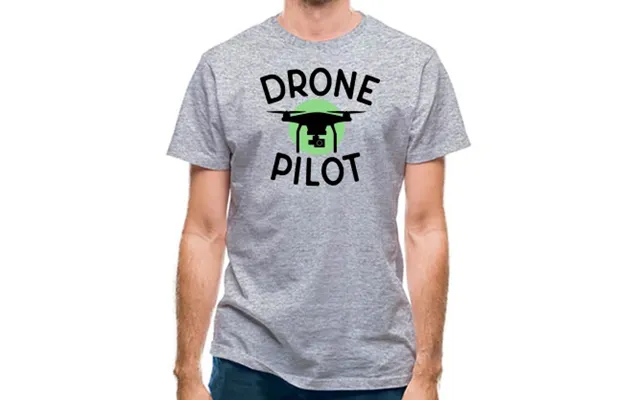
| Drone Pilot Classic Fit. | £17.95 |





Loading...
Last updated Monday, 19 Oct 2026
| Flight Suits | Price |
|---|---|
| Pilot Brothers 2 | £0.83 |
| First Class Trouble Runway Pack | £1.25 |
| Mobile Suit Gundam Seed Battle Destiny Remastered | £17.64 |
| Drone Pilot Classic Fit. | £17.95 |
Think of a flight suit as the toolbelt of a pilot — it’s not just about looking sharp, it’s about safety, comfort, and utility. Whether you’re stepping into a cockpit for a short regional hop or long-haul duty, the right flight suit protects you from wear and tear, supports mobility, and keeps essentials close at hand. Flight suits today blend professional style with high-performance fabrics and smart features that help you work smarter in tight quarters and stressful moments.
Flight suits come in several styles designed for different roles and environments. From military-style coveralls built for rugged use to sleek, tailored suits for commercial crews, understanding the types helps you pick the right one for your duties and climate. You’ll find flame-resistant suits for high-risk operations, lightweight versions for hot-weather flying, and fashion-forward variants tailored for women that keep professionalism without sacrificing fit.
For many pilots and crew, flame resistance is non-negotiable. Nomex and other aramid fabrics provide inherent flame resistance, meaning the protection is built into the fibers and won’t wash out. These suits often meet aviation safety standards for heat and flame exposure, making them popular in military and some commercial roles. They tend to be slightly heavier than cotton blends but offer that crucial layer of defense.
If you fly in warmer climates or inside cockpits that run hot, a lightweight flight suit or a poly-cotton blend can keep you cooler without compromising durability. Look for suits with better ventilation, moisture-wicking linings, and breathable fibers. These suits are ideal for general aviation pilots and crew who value comfort during long flights in humid conditions.
Women’s flight suits are increasingly designed for fit and function rather than simply shrinking a men’s cut. Tailored suits offer better shoulder alignment, narrowed waists, and adjusted rise lengths so the suit moves with you. A well-fitted women’s flight suit can reduce material bunching and improve mobility, which matters during pre-flight checks and in tight cockpits.
When shopping for a flight suit, keep a checklist in mind. The best suits balance flame resistance, mobility, storage, and comfort. You want a suit that functions like a second skin in the cockpit — flexible where you need it, sturdy where you don’t. Here are the features that should influence your buying decision.
Fabric choice affects weight, durability, and protection. Nomex and aramid blends are prized for flame resistance. Poly-cotton ripstop fabrics resist tearing and are lighter and more breathable. Look for double-stitched seams, reinforced knees, and durable zippers that stand up to daily use. Material also affects how the suit drapes and how much tailoring you might need.
Pocket placement is more important than you might think. Chest pockets, sleeve map pockets, and a secure interior pocket for documents or a flight calculator keep essentials handy. Sleeve pen slots and a radio pocket with a cable port can make life a lot easier in the cockpit. Make sure pocket closures are secure—zippers or strong snap buttons—so nothing slips out during turbulence.
Mobility beats baggy every time. A suit that’s too big gets in the way; too tight restricts movement. Seek articulated knees, gusseted crotches, and adjustable cuffs to improve fit and range of motion. Elastic or adjustable waists help accommodate layering without creating bulk. Remember: a tailor can fine-tune a near-perfect fit, but starting with the right size saves time and money.
While the market changes constantly, certain names and product types remain solid choices. Flame-resistant suits in Nomex or aramid blends are industry staples. Military-spec coveralls are durable and feature-rich, while civilian brands focus on fit and comfort. You’ll also find hybrid suits that mix breathable fabrics with reinforced panels for abrasion resistance. When browsing, compare specs like fiber type, weight per square yard, and compliance with aviation standards. A comparison site can quickly list popular offers and a flight suits price list so you can see which models match your budget and needs.
Getting the right size starts with a tape measure and a helper. Measure over the clothing you’ll typically wear under the suit. Here are the key measurements in imperial units to prepare you for most size charts.
Chest: Measure around the fullest part of your chest with your arms relaxed at your sides. Record in inches. Waist: Measure around your natural waistline, typically just above the belly button. Record in inches. Compare these numbers to the suit’s size chart—don’t guess.
Inseam: From the top of the inner thigh to the ankle bone, measured in inches. Sleeve: From the center back at the base of the neck, measure across the shoulder to the wrist with a slightly bent elbow—record in inches. Height: Use feet and inches; match the suit’s recommended height range. For example, a suit listed for pilots 5 ft 8 in to 6 ft 0 in should fit proportionally for someone in that range.
As a rough reference: Small often fits chest 34–36 in, waist 28–30 in; Medium fits chest 38–40 in, waist 32–34 in; Large fits chest 42–44 in, waist 36–38 in; XL fits chest 46–48 in, waist 40–42 in. Always check the brand’s specific chart because cuts differ dramatically between manufacturers.
Treat your flight suit like a piece of precision equipment. Proper cleaning and maintenance lengthen its life and preserve protective properties. Follow the garment’s care label, but here are general tips that work for most flight suits.
Wash flame-resistant suits in cool to warm water using mild detergent—avoid bleach and fabric softeners that can damage fibers or reduce flame resistance. Turn the suit inside out, close zippers and fasten snaps to prevent snagging, and wash with similar colors. Air drying is best; if using a dryer, use a low-heat setting. Regular washing removes oils and grime that can accelerate wear.
Small tears can be patched with repair kits made for ripstop and heavy fabrics. Reinforce high-stress points like knees and elbows before holes form. Replace damaged zippers promptly—an intact zipper keeps your suit sealed and functional. If the suit has a fire-resistant liner, take it to a professional for repairs to maintain protective integrity.
A flight suit is part of a kit. The right accessories make a big difference in comfort and performance. Consider items designed for aviation use so they pair well with the suit’s features.
A good flight jacket provides warmth and an additional protective layer. Flight jackets like MA-1 styles or insulated sheepskin jackets perform well in cold cockpits. Choose jackets with compatible sleeve lengths and collar designs so they don’t bunch under the suit or interfere with harnesses.
Aviation boots should be sturdy, slip-resistant, and comfortable for hours of wear—look for oil-resistant soles and ankle support. Gloves made for cockpit work should allow dexterity for switches and touchscreens while providing thermal or flame resistance as needed. A low-profile cap or headset-friendly skull cap can improve comfort under a helmet or headset.
Women pilots and crew have unique fit needs that generic sizing often overlooks. A flight suit tailored to female anatomy improves mobility, reduces bulk, and projects a professional image. Here are practical tips for choosing women’s flight suits.
Look for brands offering women-specific cuts or size ranges. Key fit points include shoulder width, bust room, waist tapering, and crotch rise. If you’re between sizes, opt for the larger size and plan for professional tailoring at the waist or sleeves. Adjustments are often simpler and less expensive than returning multiple suits to find “the one.”
Choose a suit that balances form and function—clean lines, minimal bagginess, and practical pockets. Embellishments like name tapes or rank patches should be placed to sit flat and not pull on seams. Neutral colors such as navy, black, and olive remain popular for a professional look that also helps hide everyday wear.
Price can vary widely between models and retailers, and a flight suits price list can help you spot value. Use a comparison site to view popular offers side-by-side: you can compare materials, features, and verified specs quickly. A good comparison site lists product details like fabric type, flame-resistance ratings, pocket layout, and customer reviews so you can narrow choices before clicking to buy.
Don’t rush the purchase. Try on different brands when possible, check size charts carefully, and read user reviews to understand how suits perform in real-world conditions. Balance protection, breathability, and budget—sometimes mid-range suits offer the best long-term value. Keep an eye on promotions and seasonal sales, but prioritize fit and safety over a lower sticker price.
Choosing the right flight suit comes down to matching your mission to the suit’s features: flame resistance for safety, fit for mobility, and pockets for convenience. Whether you need a military-grade Nomex coverall or a lightweight civilian suit for warm-weather flights, measure carefully, check materials, and think about accessories that complete your kit. Use comparison tools to view popular offers and price lists, and remember that small tailoring adjustments can turn a good suit into a great one. Fly safe, stay comfortable, and let your flight suit work as hard as you do.