All categories
Business & Offices
Electronics & Media
Fashion & Accessories
Groceries & Essentials
Health & Personal Care
Home & Living
Kids & Family
Sports & Outdoors
Search in ZoneOffer
Loading...
White coats are more than a uniform — they’re a statement. Whether you’re a clinician, a scientist, a chef, or someone after a crisp fashion piece, a white coat signals professionalism, cleanliness, and confidence. But with so many styles and fabrics out there, how do you choose the one that fits your role and lifestyle? This guide walks you through everything from lab coat lengths in inches to stain-resistant finishes, so you can make a choice that looks great and performs under pressure.
Not all white coats are created equal. The best ones balance comfort, durability, and function. Think about fabric weight, pocket design, closures, and fit. A good coat should move with you, survive frequent washing, and hide wear in high-contact areas. It should also be easy to clean and quick to dry — ideal for busy shifts or long days on the street.
Fabric matters. Cotton-rich blends feel soft and breathe well, but pure cotton can wrinkle and stain more easily. Polyester blends (for example, a 65/35 polyester/cotton mix) offer wrinkle resistance and durability. Look at fabric weight measured in ounces per square yard: lightweight coats around 4–6 oz/yd² are airy, while heavier duty options at 8–10 oz/yd² last longer and feel more substantial. If you’re in hot environments, choose breathable weaves or mesh-lined backs for airflow.
Fit affects both comfort and appearance. A tailored silhouette looks smart for consultations or front-of-house roles, while a roomier cut is better for labs or kitchens where you need full range of motion. Measure across the chest and shoulders in inches — for example, a coat with a chest width of 20–22 inches will be roomy for most medium builds. Sleeve length should allow 1–2 inches past the wrist when arms are extended; typical sleeve lengths fall between 22 and 26 inches depending on size.
Different professions need different features. Below are the common categories and what to expect from each.
Lab coats are engineered for protection and function. They typically hit at mid-thigh to knee length — think 36–40 inches — providing coverage against spills. Look for lab coats with three or more pockets (pocket depths of 6–8 inches are helpful), vented backs for mobility, and snap closures for quick removal. Flame-resistant or chemical-resistant finishes may be necessary in industrial labs, so check specifications if you work with hazardous materials.
Medical coats are often designed for quick movement between patients and equipment. They commonly come in knee-length (36–38 inches) or hip-length (24–30 inches) versions. Features to look for include pen pockets on the chest, reinforced seams, and antimicrobial finishes to reduce bacterial growth. Many clinicians prefer coats with two large lower pockets for notebooks and medical instruments and an inner chest pocket for secure storage.
Chef jackets and hospitality coats focus on ease of cleaning and heat resistance. Double-breasted fronts allow you to quickly reverse a soiled panel, and short lengths (around 24–30 inches) keep hems away from flames and steam. Fabric choices tend to be heavier and often treated to resist oil stains. Buttons or snap closures that can withstand repeated washing are a must.
Outside of uniform needs, white coats are a stylish seasonal staple. Trench coats, pea coats, and wool blends in white or off-white create a clean, modern look. Lengths vary widely — a classic trench might be 40–48 inches long, while a cropped fashion coat could be 22–26 inches. For fashion pieces, pay attention to tailoring, lapel styles, and lining fabrics for comfort and longevity.
Great white coats combine practical features with the right fit. Here are features you won’t want to skip.
How many pockets do you need? Clinicians usually benefit from multiple pockets — at least three — with specific chest and lower pocket placements. Pocket depth of 6 inches or more keeps gadgets secure. Zip or buttoned inner pockets are useful for valuables, while reinforced stitching helps pockets survive heavy use.
Closures come in buttons, snaps, or zippers. Snaps speed removal, zippers seal out spills, and buttons look classic. Cuffs can be open, elasticated, or adjustable with tabs; adjustable cuffs stop sleeves from sliding over watches or instruments. Vents in the back (single or double) aid movement, and collar styles (stand, notched, or lapel) affect both protection and style.
Length is a functional choice. Short coats (22–30 inches) are nimble and great for hospitality. Mid-thigh coats (32–38 inches) balance protection and mobility, and knee-length coats (38–44 inches) maximize coverage. For sizing, measure chest and waist in inches, and use a coat’s size chart as a reference. Allow 2–4 inches of extra room for layering if you plan to wear sweaters underneath.
Special finishes can extend the life of your coat and improve safety. Here’s what’s available and when to choose them.
Stain-resistant treatments help repel fluids like coffee, blood, or grease, making cleaning easier. Antimicrobial coatings reduce bacterial growth — a useful feature in clinical and food-prep settings. Remember these finishes can fade after many washes, so look for specifications on wash cycles; some are rated for 50–100 washes before performance declines.
Breathable fabrics are essential for long shifts. Look for cotton-rich blends or fabrics with moisture-wicking finishes. Mesh-lined backs or vented panels enhance airflow. Fabric weight in ounces per square yard is a useful guide — 4–6 oz/yd² for lighter summer coats and 8–10 oz/yd² for heavier winter or protective uniforms.
The right coat depends on your daily tasks and environment. Consider how much you move, what hazards you face, and how often you’ll wash the coat.
If you’re lifting, bending, and reaching often, choose a coat with a back vent and room in the shoulders. For frequent patient contact or food service, prioritize antimicrobial and stain-resistant finishes. For academic or research roles that involve fume hoods, select a shorter coat with quick-release closures.
Thicker, heavier fabrics last longer but may trap heat. If you wash a coat daily, you’ll want a blend that won’t shrink or warp after repeated cycles. Consider reinforced seams, bar-tacked pockets, and heavy-duty zippers for durability. If comfort is your top priority, focus on breathable cotton blends and ergonomic cuts that reduce friction at the shoulders.
White isn’t just for work — it can be a fashion piece. With the right styling, a white coat can elevate casual and professional outfits alike.
Pair white coats with bold colors for contrast, or keep it minimalist with monochrome outfits. For cold months, layer over a sweater or a cardigan; mid-length coats pair well with slim trousers or pencil skirts. Try navy or charcoal under a white coat for a professional look that resists visible staining.
Shoes and accessories can make or break the look. Clinical or chef roles need closed-toe, non-slip shoes. For fashion wear, boots and streamlined sneakers work well. Keep accessories minimal and practical — a durable watch, simple scarf, or a leather bag can complement the coat without compromising function.
White coats show stains and wear more easily, so proper care is essential. Follow label instructions, but here are solid general tips to stretch the life of your coat.
Wash white coats in warm water around 104°F for routine cleaning and up to 140°F for heavy soiling when fabric permits. Use a bleach-free whitening agent if recommended and avoid fabric softeners that reduce antimicrobial efficacy. Pretreat stains immediately with an enzymatic cleaner and soak for up to 30 minutes before washing. Dry on low heat to prevent shrinking; high heat can damage synthetic blends.
Inspect seams and pockets regularly. Small rips can be patched, and loose buttons should be resewn before they fall off. How often you wash depends on use — daily for clinical or food service roles, every few days for light-duty fashion wear. A well-cared-for coat can last a year or more with daily use; heavier duty coats with reinforced stitching may last several years.
White coat prices vary widely depending on material, brand, and technical finishes. Expect basic lab or medical coats to start around £15–£25, mid-range professional coats with antimicrobial finishes to cost £30–£60, and high-end or branded fashion coats to range from £80 up to several hundred pounds. When comparing, focus on fabric weight, wash-cycle durability, and feature set rather than price alone.
Comparison tools and review sites let you weigh features side-by-side. Read customer reviews focusing on fit and durability, and check product specifications for fabric weight (oz/yd²), recommended wash temperature (Fahrenheit), and stain- or antimicrobial claims. Look for clear sizing charts with chest and sleeve measurements in inches to avoid surprises.
Before you hit buy, run through this checklist: measure your chest and sleeve length in inches, decide on the desired coat length, pick the right fabric weight for your work environment, confirm pocket layout, and verify wash instructions measured in Fahrenheit. If possible, test mobility by trying on similar cut coats to ensure your coat won’t restrict movement during a long shift.
Choosing the right white coat blends practicality with personal style. Whether you need a lab coat that protects and breathes, a medical coat that stands up to daily washing, a chef jacket that resists oil and steam, or a fashionable white trench for city life, the key is to match features to your routine. Pay attention to fabric weight, fit in inches, pocket placement, and care instructions in Fahrenheit to get the best value and longest life from your coat. With the right choice, a white coat can be both a trusted workhorse and a statement piece.
| White Coats | Price | |
|---|---|---|
| Disposable Gown With Drawstring - 10 Pieces | £ 7,90 | |
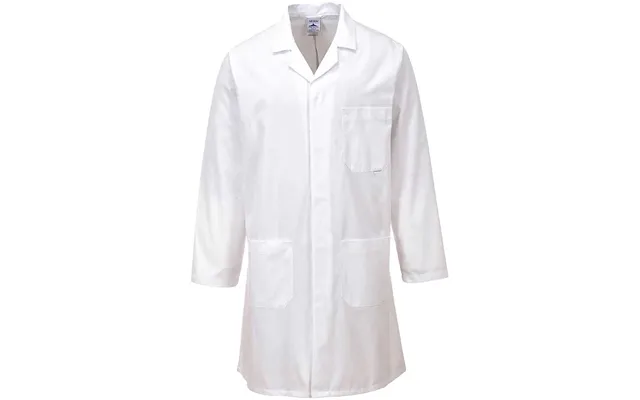
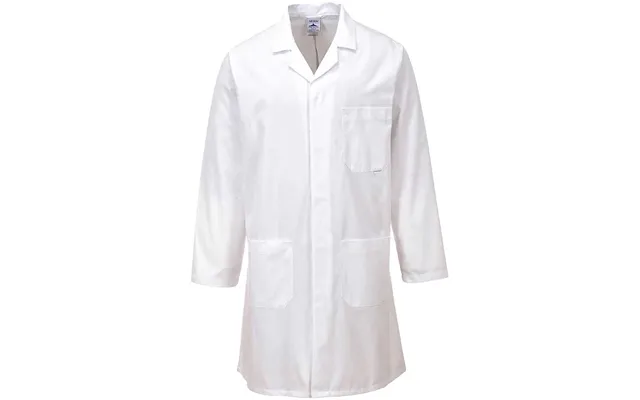
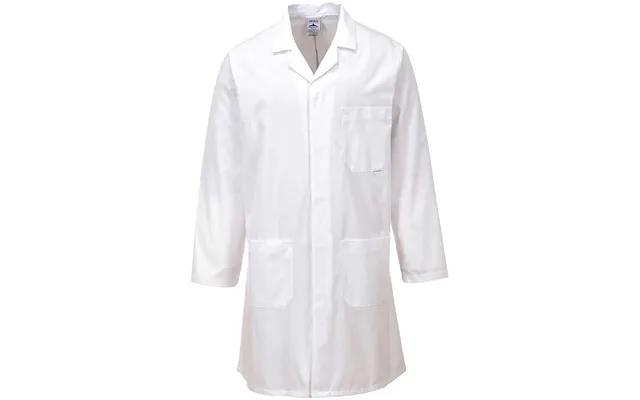
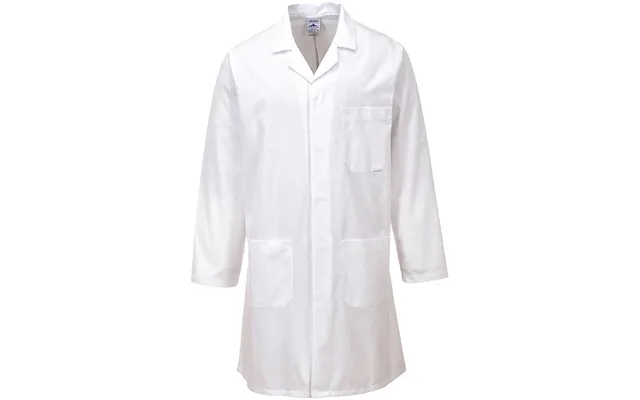
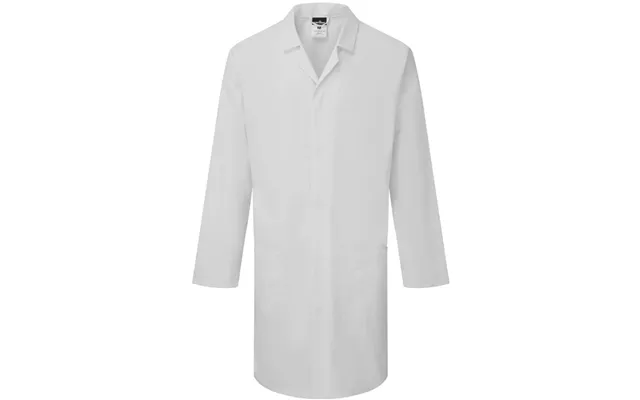
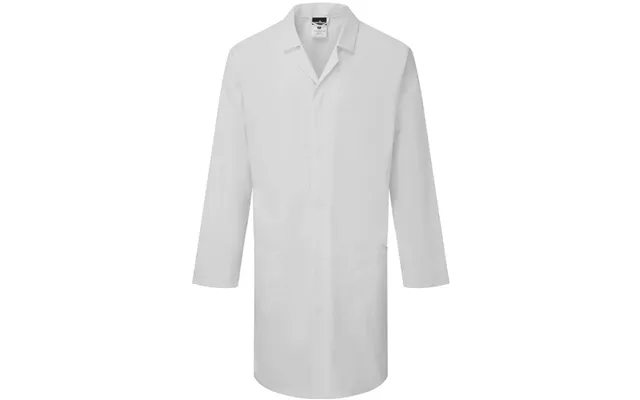
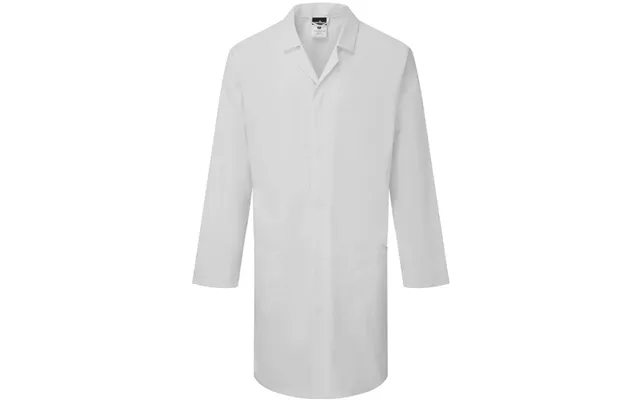
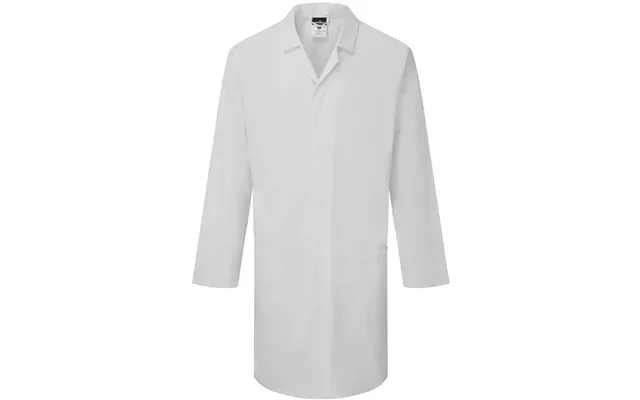
| Portwest Lab Coat - White | £ 12,67 | |
| Portwest Food Industry No Pocket Coat - White Red | £ 13,90 | |
| Portwest Food Industry No Pocket Coat - White | £ 13,90 | |
| Portwest Food Industry No Pocket Coat - White Red | £ 13,90 | |
| Doctor's Gown - Klein | £ 18,80 | |
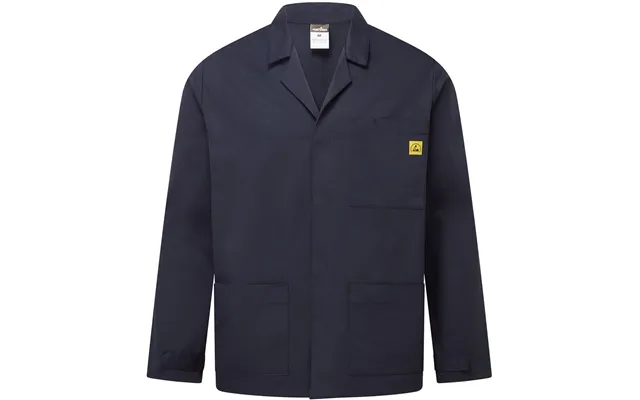
| Portwest Anti-static Esd Lab Jacket - White | £ 23,20 | |
| Portwest Anti-static Esd Lab Jacket - White | £ 23,20 | |
| Dupont Tyvek 500 Lab Coat Pl309 Pack Of 10 White M Tpl309wm | £ 71,84 | |
| Dupont Tyvek 500 Lab Coat Pl309 Pack Of 10 White L Tpl309wl | £ 139,77 |