All categories
Business & Offices
Electronics & Media
Fashion & Accessories
Groceries & Essentials
Health & Personal Care
Home & Living
Kids & Family
Sports & Outdoors
Search in ZoneOffer

Loading...
If you've ever suffered through a chilly walk to the car or a soggy day on the dog walk, you know a good pair of boot liners can feel like putting a blanket inside your boots. Boot liners cushion, insulate, and protect your feet from moisture and friction — they’re the unsung heroes of footwear. Whether you're out in drizzle, snow, or just want extra padding for long days on your feet, the right liner turns average boots into all-weather performers.
Not all boot liners are created equal. Materials and construction define performance: some focus on warmth, others on water resistance or arch support. Picking the right type for your needs is like choosing the right jacket — weigh insulation, breathability, and fit before you buy.
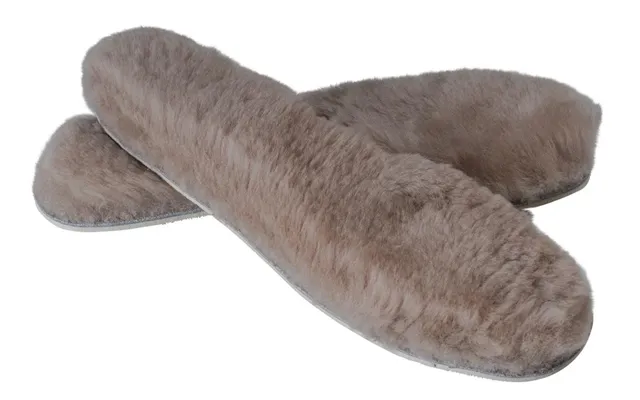
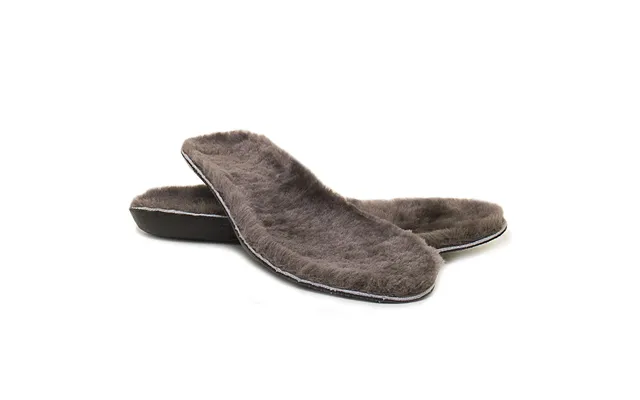
Sheepskin and natural wool liners are classics for a reason: they trap warm air while wicking moisture away from the foot. These liners can feel plush and luxurious, often adding about 1/4 to 1/2 inch of thickness while keeping feet comfortable in temperatures below freezing. Wool naturally resists odor and stays warm even when damp, making it perfect for everyday winter wear.
Synthetic thermal liners, commonly made with Thinsulate or similar insulation, offer a high warmth-to-thickness ratio. If you want significant warmth without bulking up your boot, look for liners with at least 100 grams of insulation — think of it as a down jacket for your feet. These liners are lightweight and great for active winter pursuits because they retain heat even when wet.
Neoprene liners are your go-to for wet conditions. They create a barrier against water and can add snug thickness, often around 1/8 to 1/4 inch, which helps keep out puddles and slush. These liners are common for fishing waders and outdoor work boots, offering flexibility and protection from cold water.
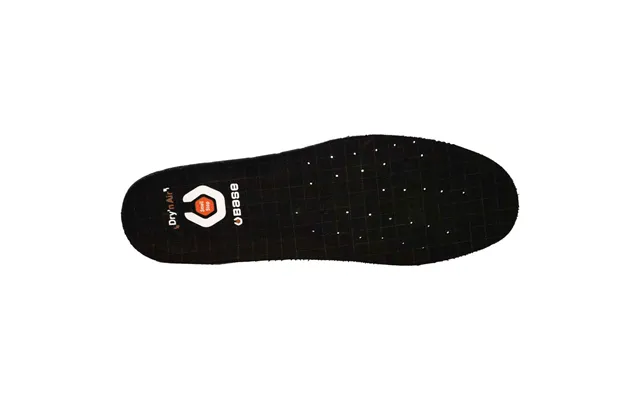
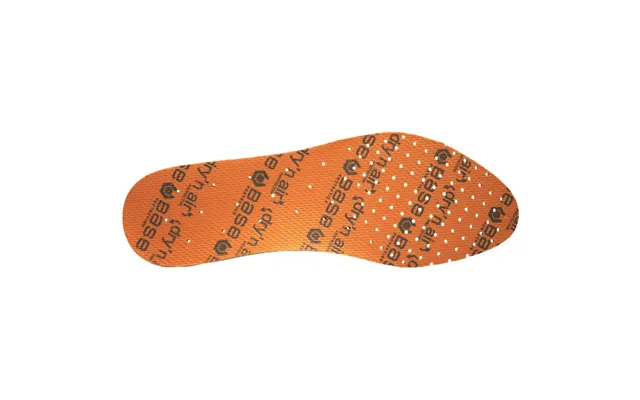
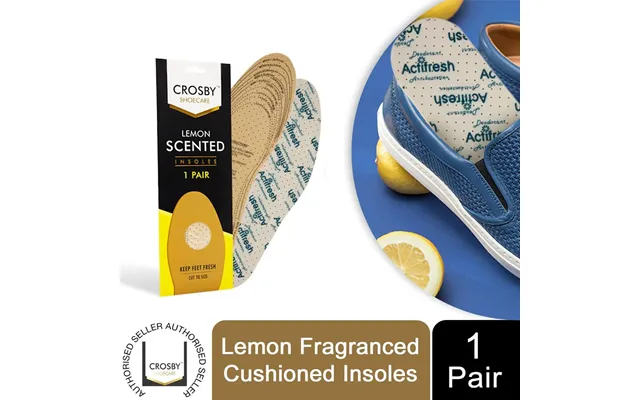
If padding and arch support are your priorities, removable insole liners or gel inserts deliver targeted comfort. Memory foam and gel cores relieve pressure points and can reduce fatigue on long walks. These typically add 1/8 to 1/4 inch of lift, so factor them into your boot size to avoid tightness.
Choosing the right liner is part science, part preference. Think about the climate you live in, the boots you wear, and your activity level. Are you hiking in muddy fields or commuting on icy sidewalks? For daily urban use, lightweight insulation might be enough. For weekend hikes in freezing conditions, go thicker and more insulating.
Measure the inside of your boot in inches and compare that to the thickness of any liner you’re considering. If your boots already fit snugly, a liner that adds more than 1/4 inch could make them too tight. When in doubt, remove existing insoles and measure—this gives you wiggle room to add the new liner without compressing toes.
Are you stationary a lot or moving constantly? Active users generate more warmth, so breathable, moisture-wicking liners are better. For low-activity situations — standing at an outdoor event, for instance — go for thicker insulation and maximum warmth to prevent heat loss.
Getting the size right makes all the difference. Use a ruler or tape measure in inches to measure from the heel to the longest toe of your foot. If you typically wear socks, measure with the sock thickness you plan to use. Add a little half-inch allowance for wiggle room if you like more space. If a liner is removable, you can trim some models to fit, but always check the manufacturer’s instructions before cutting.
If you prefer thicker socks, size up by about 1/2 size. If you’re adding a heated insole or another layer, consider sizing up to prevent compression. Conversely, if your boots are roomy and you want a snugger feel, a standard size or a slightly thinner liner will work well.
Layering footgear is a bit like layering clothes — the right combo keeps you warm without overheating. Start with a moisture-wicking sock, add a liner that provides insulation and setback, then top with your boot. Avoid cotton socks; they hold moisture. Merino wool or synthetic blends are better for sweat control and temperature regulation.
You can use both an insole insert for support and a liner for insulation, but account for the extra thickness. A supportive insole plus a thin wool liner often hits a sweet spot: comfort, support, and warmth without making your boot feel like a shoe-box on your foot.
Taking care of liners extends their life and keeps feet fresh. Wool and sheepskin liners often air out best — leave them to dry in a ventilated area rather than a direct heat source. Use a gentle wash cycle or spot-clean with mild soap for stubborn stains. For synthetic liners, hand washing or machine washing on a delicate cycle usually works, but always follow care labels when present.
Never dry liners on direct heat or in a dryer set above low. Aim to dry at room temperature or use warm air vents at a safe distance. If you measure dry times, expect several hours to a day depending on thickness — think “like drying a light sweater,” not a towel. Keeping liners dry between uses prevents odor and material breakdown.
When scanning product descriptions, look for key features: insulation rating (in grams for synthetic fill), moisture-wicking properties, anti-odor treatments, removable/trim-to-fit designs, and compatibility notes for specific boot types. A liner with a non-slip backing can prevent bunching and improve overall comfort during long wear.
Insulation is sometimes listed in grams — higher numbers mean more warmth. For example, 100 grams provides moderate warmth for active users, while 200 grams suits colder, stationary conditions. If you see thickness listed in inches, a 1/4 to 1/2 inch liner usually balances warmth and fit for most boots.
Not every liner is ideal for every situation. Here are practical picks depending on what you do most.
For walking on city streets, choose a thin wool blend or low-profile thermal liner that fits without crowding your shoe. Breathability is key because you’ll be moving enough to generate heat and sweat. A liner that adds about 1/8 to 1/4 inch is usually perfect.
If your day involves wet ground or cold, waterproof neoprene liners or treated synthetic liners are winners. Pair them with a water-resistant outer boot and you’ll keep feet dry. Look for liners with a snug cuff to prevent water from seeping in, especially if you cross shallow puddles.
For long treks or cold-weather activities, go for high-insulation liners like thick wool or Thinsulate options with 200 grams or more. Combine them with moisture-wicking socks and a supportive insole if needed. These liners are like a sleeping bag for your feet — they trap heat without becoming cumbersome.
From ankle boots to tall wellies, liners must match the boot style. Short liners work well in ankle boots and Chelsea-style footwear, while full-length liners suit knee-high or tall boots. Some liners are universal and can be trimmed; others come in defined sizes for a snug fit. Always check product notes for style compatibility.
Full-length liners are best for tall boots used in deep snow or heavy rain because they cover more of the foot and lower leg. Short liners work for everyday casual boots where only the footbed needs insulation. Think of full-length liners as an extra sock that extends up the calf — excellent for extreme conditions.
Beyond the liner itself, a few accessories can upgrade your experience. Heated insoles, gel heel pads, anti-slip sprays, and breathable shoe deodorizers all complement liners and extend comfort and longevity. Adding a slim supportive insole can drastically improve foot fatigue without sacrificing warmth.
Heated insoles are a luxury that pays off on long winter walks. Most add minimal thickness (about 1/8 inch) and can raise foot temperature enough to make a cold day comfortable. Rechargeable models offer adjustable heat settings so you can dial in comfort without bulky boots.
Because boot liners come in many shapes and materials, using a comparison site that aggregates options can help you compare warmth, price, and customer reviews side-by-side. Look for detailed product specs like insulation grams, material breakdown, and trimming guidelines to ensure a match that suits your boots and climate.
Probably the biggest mistake is buying the warmest liner available without checking boot fit. Too much thickness can cramp toes and cause blisters. Also, avoid cotton liners if you’ll be active — cotton retains moisture and loses insulating power when wet. Lastly, don’t skip testing liners with the socks you plan to wear; comfort is a system, not a single product.
Nice liners can turn a tired old boot into a cozy shelter for your feet. They’re one of the most cost-effective upgrades you can give your footwear collection — small investment, big comfort payoff.
Conclusion: Choosing the right boot liner transforms your footwear into reliable, year-round companions. Consider your activities, measure in inches, and balance insulation with fit. With the right liner plus a good sock and insole, your boots will handle rain, snow, and long days on your feet with style and comfort.