All categories
Business & Offices
Electronics & Media
Fashion & Accessories
Groceries & Essentials
Health & Personal Care
Home & Living
Kids & Family
Sports & Outdoors
Search in ZoneOffer

Loading...
Boot liners might sound like a small accessory, but they’re the unsung heroes of footwear comfort. Think of them as the thermal underwear for your boots — they trap heat, wick moisture, and take the wear and tear so your boots don’t have to. Whether you’re trudging through slushy city streets, hiking in crisp mountain air, or working a long shift outdoors, the right liner can transform your boots from “just okay” to something you actually look forward to putting on.
There’s no one-size-fits-all when it comes to liners. Different activities and climates call for different materials and construction. Below I’ll walk through the most common types so you can pick what’s best for your lifestyle.
Shearling and sheepskin liners are a go-to for natural warmth and moisture management. The wool fibers trap warm air while wicking sweat away from your skin, keeping feet cozy in temperatures well below freezing. These liners are also soft and add a plush feel inside older or stiffer boots. If you like that glove-like comfort and natural insulation, shearling is hard to beat.
Neoprene liners are built for wet conditions and active use. They form a close, insulating layer that repels water and keeps cold from sneaking in. Neoprene is common in hunting, fishing, or work boots where splash and slosh are daily realities. Think of neoprene liners as your raincoat for your feet — they protect and insulate without sacrificing flexibility.
Synthetic materials like fleece and engineered insulating fabrics are lightweight, quick-drying, and often more budget-friendly. Modern synthetics mimic down’s insulating power without the bulk and usually dry faster after getting damp. These liners are excellent for people who move between warm and cold environments, or who need a liner that’s easy to wash and low-maintenance.
For extreme cold or people with poor circulation, battery-heated liners are a game changer. They typically have thin heating elements woven into the liner and offer adjustable heat settings so you can dial in the perfect temperature. These are perfect for long days outside in single-digit Fahrenheit weather or for anyone who’s tried every sock and still has cold toes.
When shopping for liners, materials and construction determine how warm they’ll feel. Natural wool fibers provide breathable warmth; synthetic insulations trap heat efficiently; neoprene blocks wind and moisture. Some liners even list warmth ratings (in terms of temperature ranges or insulation thickness). If a liner states it’s meant for 20°F or below, it’s probably thicker and more insulating than a liner listed for 40°F. Use those cues to match liners to the climates you’ll face.
Getting the fit right is as important as picking the material. A liner that’s too bulky will make your boots tight and compromise circulation, which actually makes feet colder. A liner that’s too small can bunch and cause pressure points. Aim for a liner that fits snugly without compressing your toes — think close-fitting base layer, not a sleeping bag.
Measure your foot length in inches while standing and bearing weight, then compare to the manufacturer’s size chart. Also measure the internal length of your boot in inches if possible. For thick liners, consider half a size up to ensure adequate toe room. Remember: circulation is key, so avoid any fit that feels constrictive.
Layering is like building a weatherproof system. Thin liners plus high-quality insoles and moisture-wicking socks often outperform one bulky liner. Start with a moisture-wicking sock, add an insulating liner if needed, and finish with an insole that offers support and additional insulation. This approach lets you adjust warmth by swapping socks or liners rather than buying a new pair of boots.
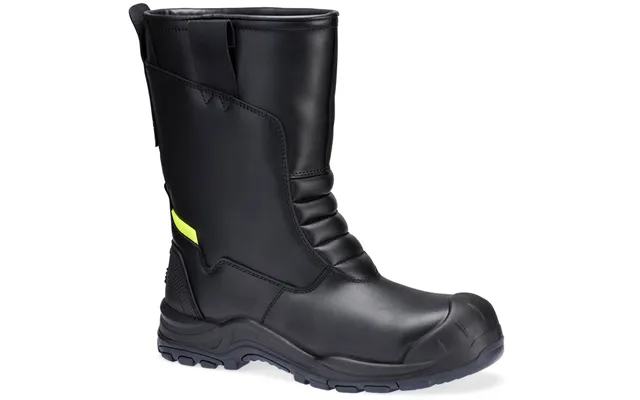
The best liner for you depends on how you use your boots. For heavy-duty work in wet conditions, neoprene liners are ideal. Hikers and backpackers often prefer lightweight synthetic liners that dry fast. For daily urban wear in winter, shearling liners or thin thermal liners provide comfort without bulk. And if you’re heading to the backcountry or spending hours in subzero temps, consider heated liners or high-loft shearling.
Taking care of liners extends their life and maintains their performance. Natural shearling and wool liners usually need spot cleaning and air-drying; avoid high heat which can shrink or damage fibers. Synthetic liners are often machine-washable on gentle cycles but check the manufacturer’s guidance. For heated liners, follow battery and washing instructions carefully. Always let liners dry fully before reusing to prevent odor and mildew.
When comparing liners, watch for a few key features: moisture-wicking capability, insulation thickness (often listed in millimeters or as "loft"), compatibility with your boot type, ease of cleaning, and any breathable membranes or waterproof layers. Padded or contoured insoles add comfort, while anti-slip textures help keep the liner in place inside the boot. Think about battery life for heated options — some systems offer up to 6–10 hours of warmth on a charge.
If sustainability matters to you, there are eco-conscious liners made from recycled materials or ethically sourced wool. Brands are increasingly offering liners made with recycled polyester or plant-based insulations that aim to reduce the environmental footprint. Choosing a liner that’s durable and repairable also helps reduce waste; a high-quality liner that lasts several seasons is greener than cheap replacements.
You don’t always need to splurge to get solid performance. Mid-range synthetic liners often provide excellent warmth and moisture management at a fraction of the cost of luxury shearling. For occasional cold-weather use, a breathable fleece liner will likely meet your needs. Save the higher-priced, specialty liners (e.g., battery heated or premium shearling) for heavy-duty or frequent cold-weather users. Comparison shopping and reading product specifications will help you get the most warmth per dollar.
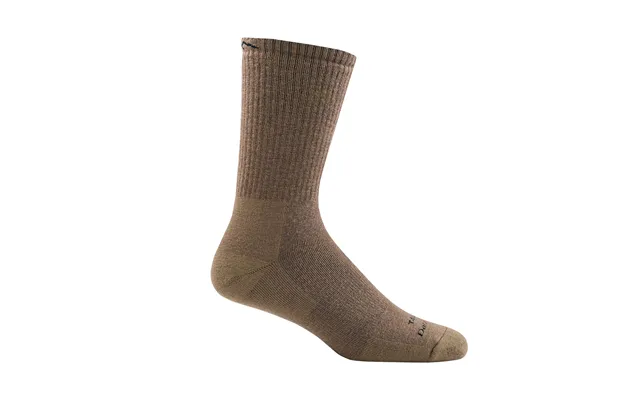
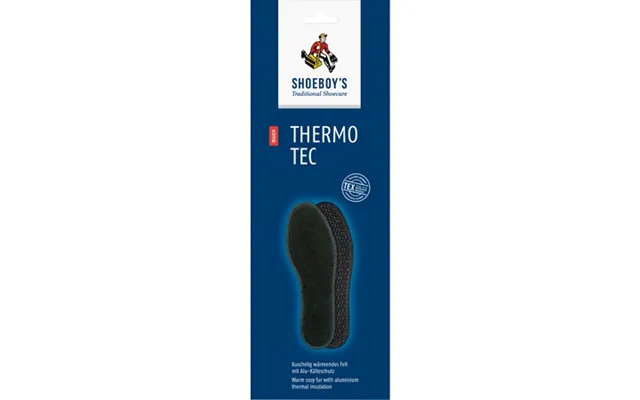
Linings work best when paired with complementary items. Merino wool socks are a classic pairing for natural liners — they balance warmth and moisture control. For added support and insulation, consider thermal insoles made with closed-cell foam or cork overlays; these add about 1/8 to 1/4 inch of cushioning while reflecting body heat. Chemical or rechargeable foot warmers can be a temporary boost on extra-cold days. It’s the combination of layers that often makes the biggest difference.
People often make the same mistakes: choosing liners solely on warmth (and ignoring fit), assuming liners will waterproof boots, or overstuffing boots which restricts circulation. Also, wearing cotton socks with any liner is a big no — cotton traps moisture and leads to cold feet. Finally, don’t neglect proper boot fit after adding liners. If toes feel cramped or you notice blisters, reassess the liner thickness or sizing.
Not all liners offer trial periods, but you can still test effectively. Wear the liner in your boots around the house for a few hours and while walking at different paces — normal, brisk, and with stairs — to see how it performs in real conditions. Check for hotspots, heel slippage, and breathability. If possible, try the liner with the socks you intend to wear in the field so you’re testing the full system.
Since liners come in many styles and price points, comparison tools and review sites help you narrow choices by material, warmth rating, and price. Look for aggregated comparisons that show key specs like material, thickness, and intended temperature range. Also read real-user reviews focused on durability and long-term performance — that’s where you’ll learn whether a liner keeps working after a season of snow and slush.
Think seasonally: thin breathable liners or no liner at all in mild fall weather, mid-weight synthetic liners in cool early winter, and heavy shearling or heated liners for deep winter. Swap liners rather than boots as the weather changes; having a couple of liners that fit the same pair of boots gives you flexibility without buying multiple boots.
Choosing the right boot liner is a bit like choosing the right blanket: you want the one that traps the right amount of heat, breathes when needed, and doesn’t smother you. With the right liner, your boots can handle more weather, more miles, and more hard work — all while keeping your feet comfortable.
Conclusion: Boot liners are a small investment with a big payoff. Whether your priority is shedding moisture, maximizing warmth, or keeping your boots dry in wet conditions, there’s a liner out there that fits your needs. Consider your typical conditions, measure carefully, and build a layering system with socks and insoles. Do that, and your boots will feel like they were tailor-made for your feet.