
Religious Ceremonial Clothing price list
Last updated Sunday, Sep 13, 2026





View 3 Offers

Loading...
Last updated Sunday, Sep 13, 2026
Searching for the perfect religious ceremonial clothing can feel like navigating a maze—so many styles, fabrics, and traditions to consider. Whether you need a modest dress for a rite of passage, an elegant saree for a wedding, or a lightweight abaya for everyday prayer, this guide breaks down what to look for, how to style it, and where to compare options so you get the right look without the guesswork.
Religious ceremonial clothing does more than cover the body; it communicates respect, identity, and tradition. You don’t just put on a garment—you enter a moment that often carries deep meaning. That’s why fit, fabric, and authenticity are as important as beauty. Think of ceremonial clothing like a well-written sentence: the right words (or stitches) create the tone you want.
From a white confirmation dress to an embroidered saree, every garment can signify belonging and reverence. Wearing traditional ceremonial clothing honors rituals and connects you to your heritage, whether the garment has been passed down for generations or chosen fresh for a single occasion.
Style should never outweigh comfort. Long services, processions, and outdoor ceremonies demand fabrics that breathe and designs that move with you. Looking elegant and feeling comfortable is a balance you can achieve with the right choices.
The UK’s multicultural fabric means you’ll find a wide range of ceremonial clothing. Below are common categories and what to look for in each.
For Christian ceremonies, look for classic pieces like confirmation dresses, communion gowns, and choir robes. Confirmation dresses are often modest, with knee-to-floor lengths—typically around 40 to 55 inches depending on height—and simple necklines. Choir robes are looser, designed for movement and breathability during long services.
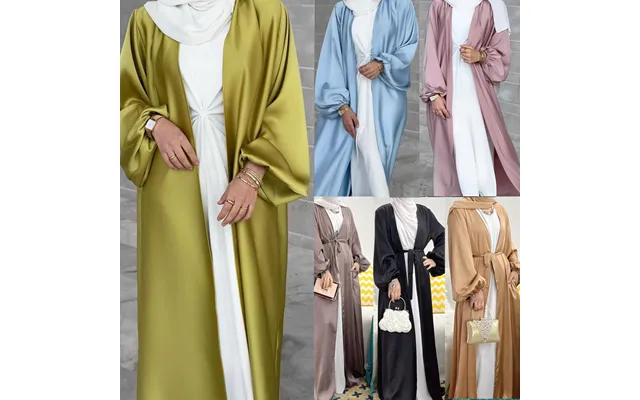
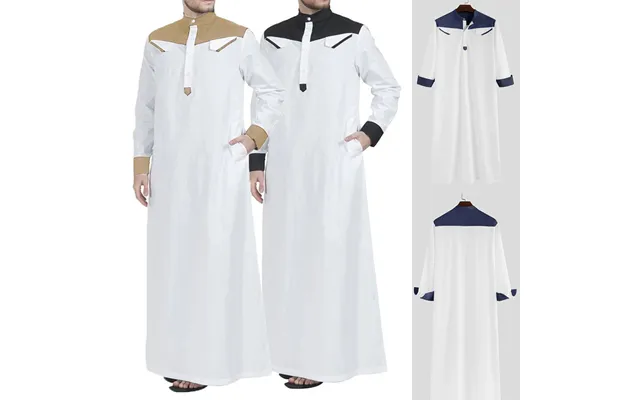
Muslim ceremonial clothing includes abayas, jilbabs, and special occasion dresses. Abayas can range from simple black robes to ornamented gowns with embroidery or lace. Key features: a length that falls at least to mid-calf or the floor (often 48 to 60 inches), breathable fabric like cotton or lightweight crepe, and easy closures for modesty and convenience.
Jewish women often select modest dresses or skirts for ceremonies like bat mitzvahs or synagogue services. Look for skirts and dresses that cover the knee—typically 22 to 30 inches from waist to hem for mid-length options—and tops that provide full coverage at the neckline and sleeves.
Sarees and lehengas are staples for Hindu ceremonies. A saree’s length commonly runs 210 to 240 inches of fabric that’s elegantly draped, while lehenga skirts can measure 36 to 45 inches long depending on the desired floor coverage. Fabrics vary from silk and brocade for formal events to georgette and chiffon for lightweight comfort.
Women attending Sikh ceremonies frequently wear salwar kameez suits with a dupatta (scarf) for head covering. Look for tunic lengths from 30 to 40 inches and comfortable trousers that allow movement. The dupatta is often 70 to 80 inches long so it can be draped and pinned securely during the ceremony.
Buddhist ceremonial attire tends to be simple and modest—loose robes or plain dresses in muted tones. Comfort and humility are prioritized, with garments designed for sitting and meditating for long periods.
Fabric choice affects how the garment looks, feels, and performs during long ceremonies. Let’s walk through fabrics you’ll commonly encounter and when to choose them.
Cotton is breathable and great for warm-weather ceremonies. Silk offers a luxurious drape and is classic for weddings and high-formality events, though it typically requires more care. Wool and wool blends are useful for cooler months and formal robes where structure matters.
Polyester and crepe are durable, wrinkle-resistant, and often budget-friendly—perfect for travel and frequent use. Blends that include natural fibers offer a middle ground: better breathability than full synthetics and easier care than pure silk.
Getting the right fit is essential to looking confident during any ceremony. Here are practical, easy-to-follow tips to measure yourself accurately at home.
Use a soft measuring tape. For bust, measure around the fullest part, keeping the tape level and snug but not tight. For waist, measure at the natural waistline—often about 2 to 3 inches above the belly button. For length, measure from the top of the shoulder down to where you want the hem to fall; typical floor-length dresses are about 55 to 62 inches for average heights.
Allow an extra 1 to 3 inches in bust and hip measurements if you plan to wear layers beneath, such as slips or under-dresses. For robes and loose ceremonial wear, consider a looser fit that allows for sung movement and seated comfort.
Accessories can turn a simple ceremonial outfit into a meaningful statement. Choose pieces that complement tradition without stealing focus from the ceremony itself.
Head coverings vary widely: mantillas for Christian ceremonies, dupattas for South Asian events, or scarves and hijabs for Muslim occasions. Choose materials that stay in place—lightweight silk or cotton blends are excellent—and pin them discreetly so they don’t slip during processions.
Belts can give a modern silhouette to flowing garments, while shawls add warmth and color. Keep jewelry meaningful and minimal for religious events: a small pendant or simple stud earrings often suffice, allowing the ceremonial garment to remain the focal point.
Proper care keeps ceremonial garments looking crisp for years—especially if they’re passed down through generations.
Always check labels, but as a rule: hand-wash delicate silks and embroideries in cold water with mild detergent, or use a gentle dry-cleaning service for heavily embellished items. Air-dry on a padded hanger for structured garments. Avoid high heat to preserve fabric integrity.
Store ceremonial pieces flat or on wide hangers to prevent creases and distortion. Use breathable garment bags (not plastic) to protect from dust while allowing airflow. For delicate fabrics, add acid-free tissue paper to folds to reduce creasing and fabric stress.
Prices for ceremonial clothing vary widely based on fabric, craftsmanship, and whether the item is custom-made. Here’s a general breakdown to help plan your budget.
If you need a simple ceremonial dress or abaya for a single event, you can find quality ready-to-wear options in the $50 to $150 range. Polyester blends and mass-produced pieces fall into this bracket and are great for one-off use.
For heirloom-quality items—silk sarees, intricately embroidered lehengas, or tailored choir robes—expect to spend $200 to $800 or more. These pieces often offer better fabric, handwork, and structure, making them investment items you’ll wear for many years.
With so many retailers and designers, comparison shopping is key. Comparison sites aggregate offers and let you filter by price, fabric, and seller ratings so you can make an informed decision quickly.
Search for specific keywords like “confirmation dress UK” or “embroidered abaya sale” and use filters for size, color, and price. Check seller photos and customer reviews to gauge real-life fit and fabric quality. Comparison sites are a great way to spot promotions without visiting multiple stores.
Before committing, ask about sizing charts (in inches), fabric composition, and whether alterations are recommended. If you’re buying a culturally specific garment, ask about the authenticity of patterns and embroidery methods to ensure you’re getting a piece that honors tradition.
Even the best off-the-rack ceremonial garment can benefit from tailoring. Small adjustments create a bespoke feel without the full cost of a custom-made piece.
Common tweaks include shortening hems (by 2 to 6 inches depending on shoe choice), taking in the waist or bust by 1 to 3 inches for a cleaner line, and adding or adjusting linings for modesty. For embroidered pieces, work with a tailor experienced in delicate fabrics to avoid damaging the design.
If you need a specific cultural cut, unique embellishments, or exact sizing (for example, a floor-length saree tailored to 58 inches from shoulder to hem), custom-made is worth the investment. Expect longer lead times—often several weeks—but a perfect fit and authentic craftsmanship.
More shoppers now ask where their ceremonial clothing comes from and how it was made. Sustainable choices can align with the values many ceremonies embody: respect and care.
Look for organic cotton, recycled blends, or low-impact dyes. Artisans using traditional hand-embroidery often follow slower, low-waste production practices. Certifications and transparent supply chains are good indicators that ethical practices were followed.
Buying from small ateliers and artisan makers supports craftsmanship and ensures attention to detail. While prices may be higher than mass-produced items, you’re investing in skill, cultural preservation, and higher-quality materials.
Choosing religious ceremonial clothing should feel meaningful, not stressful. Start with a clear idea of the ceremony’s formality, your comfort needs, and any cultural specifics. Use comparison tools to find the best options in your price range and don’t hesitate to invest a little more for quality or tailoring that ensures the piece lasts.
Religious ceremonial clothing is a crossroads of tradition, identity, and personal taste. With the right fabric, fit, and styling, you can honor the ceremony and feel incredible doing it. Take measurements in inches, compare offers thoughtfully, and consider tailoring or artisan-made pieces for a truly special garment. Whether you’re buying a simple confirmation dress, an ornate saree, or a modest abaya, a little preparation goes a long way in finding a piece that fits your body and your story.