

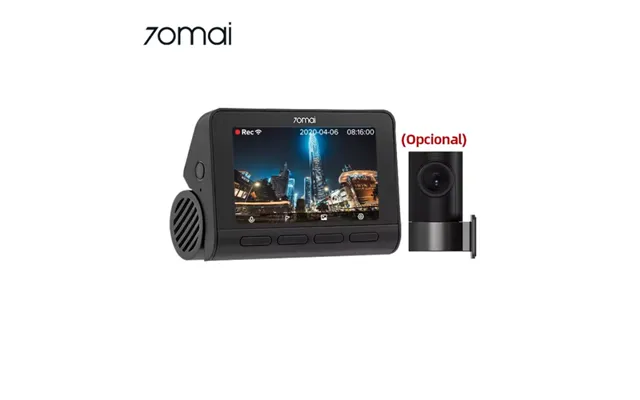

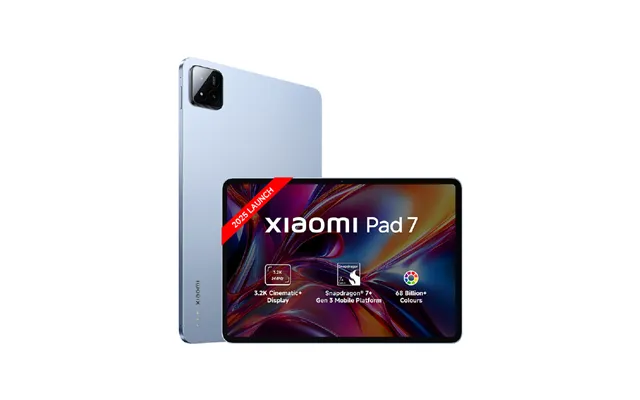
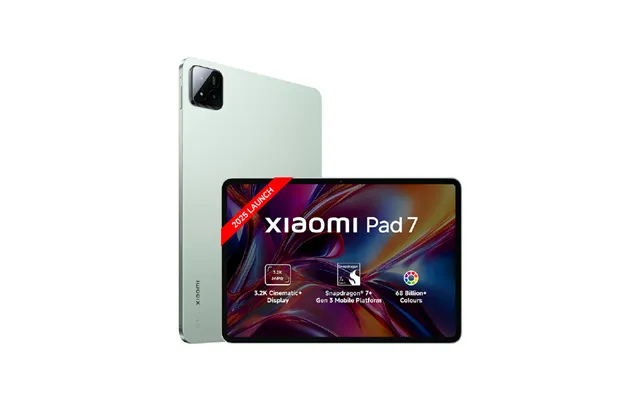

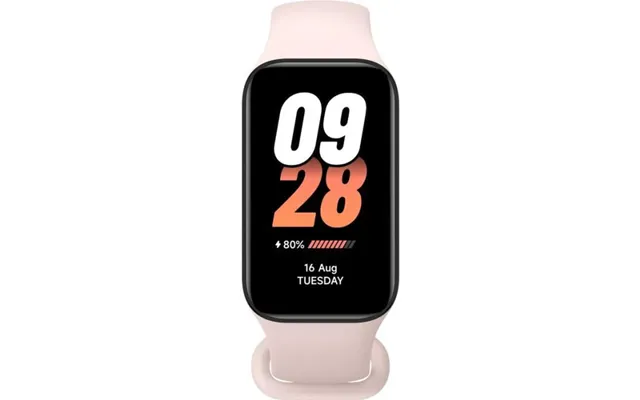




Gshopper price list
Last updated Sunday, 27 Sept 2026




| Store | Status | today | distance |
|---|
Loading...
Loading...
Last updated Sunday, 27 Sept 2026
Gshopper is known to many online shoppers as a cross-border e-commerce platform that connects consumers with overseas sellers. Think of it as a digital marketplace that brings products from Asia to buyers in Europe, including the UK. It grew alongside the wave of global online retail in the 2010s, when international shipping, mobile apps, and marketplaces made it easy to buy goods from abroad. The exact corporate roots trace to a company that focused on mobile-first shopping and international logistics, aiming to make foreign goods feel local and accessible.
The company’s early vision was straightforward: offer competitively priced items from international suppliers and ship them to markets where demand was growing. In the UK, that meant testing price-sensitive segments—gadgets, fashion, accessories, and consumer electronics—that shoppers often buy impulsively or look for cheaper alternatives. By focusing on those categories, Gshopper hoped to attract bargain hunters and tech-savvy buyers who didn’t mind waiting a bit longer for overseas delivery in exchange for lower prices.
Gshopper’s approach to entering the UK mirrored other cross-border platforms: localized marketing, partnerships with local logistics providers, and tailored payment options. The platform used social media ads, app store promotion, and comparison placements to raise awareness. It also had to navigate UK consumer laws, import taxes, and the growing expectation for clear delivery times. These operational hurdles can be steep for foreign marketplaces, so Gshopper often worked with local agents to smooth the process.
Localization went beyond translation. It meant showing prices in pounds, supporting local card payments, and providing customer support that understood returns and warranty expectations in the UK. Good localization helps reduce friction, and where Gshopper invested in that, it saw stronger adoption. But when localization lagged, customers bumped into issues—unclear returns, customs fees, or long delivery windows—which impacted trust.
Gshopper’s product mix tends to lean toward affordable gadgets, home accessories, beauty items, and low-cost fashion. The pricing strategy is often a selling point: lower sticker prices compared with mainstream UK retailers. That appeal resonates with shoppers on a budget or those hunting for niche items not stocked locally. But lower prices sometimes translate into trade-offs—variable quality, limited guarantees, and longer delivery times.
Think of shopping on Gshopper like buying at a discount market stall versus a branded store. You can find surprising deals, but you also accept more uncertainty. Some buyers love the thrill of the find. Others prefer the safety of established UK retailers with robust return policies. Gshopper’s success in the UK has often hinged on how well it reduces that uncertainty through clearer policies and faster shipping.
One of the biggest hurdles for any cross-border store is building trust. Customers expect timely delivery, reliable customer service, and clear refund policies. Gshopper invested in third-party logistics partnerships to speed up shipping and offered various tracking options to reassure buyers. However, transitions from international supply chains to UK doorsteps are fragile—delays, customs holds, or lost parcels can hurt reputation quickly.
Online reviews and social proof matter a lot in the UK. When Gshopper handled disputes professionally, it gained positive mentions. When issues piled up without fast resolutions, negative feedback spread. Businesses in this space often need to proactively manage complaints, provide quick refunds, or even offer local warehouses to win trust—moves some competitors already made.
To understand Gshopper’s place in the UK, it helps to compare it with a few notable players: Amazon, eBay, AliExpress, Wish, and big UK chains like Argos and Currys. Each brings different strengths—logistics, brand trust, breadth of inventory, and local presence. Below I highlight key areas of comparison so you can see where Gshopper stands out and where it falls short.
Amazon is the giant with fast shipping, Prime loyalty, and a strong returns policy. Gshopper can compete on price for specific items, but Amazon generally wins on delivery speed, customer service, and predictable quality. The analogy is simple: Amazon is the well-stocked supermarket that delivers in hours; Gshopper is the specialty importer where you sometimes get a rare find but might wait longer.
eBay mixes auctions, used goods, and international sellers. For unique or secondhand items, eBay is a go-to. Gshopper focuses on new, low-cost goods shipped from abroad. eBay often provides better buyer protection for individual-item disputes, while Gshopper emphasizes volume and price. If you want guaranteed returns and buyer protection, eBay can be safer; if you want cheap new gadgets, Gshopper might be the faster route.
AliExpress and Wish are closest to Gshopper in model and origin. They all spotlight cheap goods shipped internationally. AliExpress has a huge catalogue and strong escrow-based buyer protection; Wish plays heavily on gamified discovery and ultra-low prices. Gshopper differentiates with curated selections and a more app-focused shopping experience in some markets. But on customer protections and delivery reliability, AliExpress often has an edge due to scale and established dispute processes.
Big UK retailers bring local stock, same-day pickup options, and clear warranty service. Shoppers prioritizing quick replacements or in-person support typically choose them. Gshopper can undercut prices on certain items but won’t match same-day service or in-store demonstrations. It’s the difference between ordering a budget gadget from overseas and walking into a store to test a product before you buy.
Gshopper has strengths worth noting. It often offers lower prices on specific categories, attracts deal-focused shoppers, and leverages mobile-first engagement. Its curated selections can uncover interesting products not found in mainstream UK channels. For consumers comfortable with a little risk and willing to wait, Gshopper can be an appealing option.
The company’s mobile app and social promotion strategies tap into impulsive buying patterns. Flash sales, coupon codes, and targeted ads draw users in. If you enjoy treasure-hunt shopping—scrolling through a feed and snagging a surprise bargain—Gshopper’s model is built for that behavior.
Gshopper faces predictable issues: customs fees, longer delivery times, variable product quality, and the need to comply with UK consumer protections. These are not unique to Gshopper but are amplified for smaller cross-border platforms. Rebuilding trust after a logistical failure can be expensive and time-consuming.
After Brexit, the UK's customs rules changed. Any cross-border seller must handle import VAT, potential duties, and clearer declarations. These changes raised friction for platforms that previously routed goods with simpler processes. Gshopper and its peers have had to adapt to ensure buyers aren’t surprised by extra fees on delivery.
Customer experiences vary. Some buyers praise the savings and find surprisingly good-quality products. Others warn about long waits, unclear returns, or items that don’t match descriptions. Reviews often highlight that success depends on expectations: if you expect fast service and flawless returns, this model can frustrate. If you expect bargains and occasional variance, you might be satisfied.
Picture two shoppers. One orders a phone accessory and receives a perfect match a fortnight later for half the high-street price—happy outcome. Another orders a kitchen gadget that arrives damaged and faces a long dispute resolution—frustration follows. These two paths capture the platform’s double-edged nature.
To build a stable UK presence, Gshopper could adopt several smart moves: establish local warehouses to speed shipping, offer clearer returns and warranty promises, and invest in transparent pricing that includes taxes at checkout. Building strong, local customer support and forging partnerships with trusted UK sellers would also help the brand feel more reliable.
Practical moves like showing expected delivery dates, providing a UK-based phone line or chat, and offering a local return address go a long way. Simple improvements often change shopper perceptions more than flashy marketing campaigns.
Gshopper occupies a useful niche in the UK: it’s a place to find cheap, interesting items from overseas. It won’t replace the speed and security of Amazon, Argos, or Currys. Nor will it fully outcompete AliExpress or Wish on sheer volume. What it can do is offer a curated, mobile-first experience for shoppers who love deals and are willing to accept a little risk for lower prices. For many consumers, that’s a compelling trade-off.
The store’s long-term success in the UK depends on how well it addresses logistics, returns, and communication. If it invests in those areas, it can pick up market share among bargain hunters and mobile shoppers. If it doesn’t, customers may simply stick with more predictable alternatives.
Choosing where to shop is a balancing act. Do you want speed and certainty, or are you hunting for bargains and willing to tolerate some hassle? Gshopper makes that choice clear: save money, accept more variability, and enjoy the hunt. For shoppers who know what they want and set expectations, Gshopper can be a useful tool in the UK shopping toolbox.