




Jomo London price list
Last updated Saturday, 17 Oct 2026
| Jomo London | Price |
|---|---|
| Jomo Gift Card | £50.00 |
| Intimate Serum Duo Pack | £85.00 |
| Cbd Arousal Oil X Intimate Serum | £85.00 |
| Cbd Arousal Oil Duo Bundle | £85.00 |
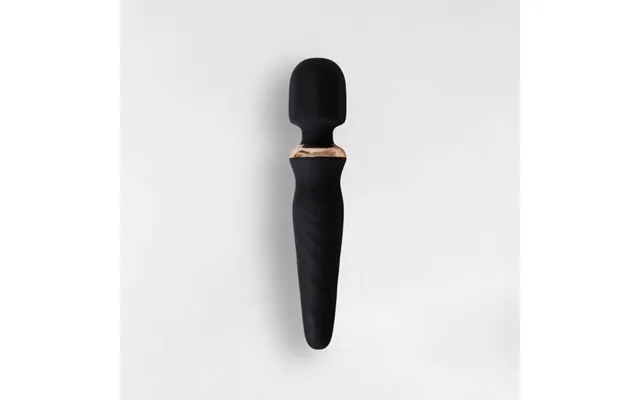
| Mojo Vibrator | £130.00 |





| Store | Status | today | distance |
|---|
Loading...
Loading...
Last updated Saturday, 17 Oct 2026
| Jomo London | Price |
|---|---|
| Jomo Gift Card | £50.00 |
| Intimate Serum Duo Pack | £85.00 |
| Cbd Arousal Oil X Intimate Serum | £85.00 |
| Cbd Arousal Oil Duo Bundle | £85.00 |
| Mojo Vibrator | £130.00 |
Jomo London is a name that reflects a changing mood in British retail. The word “Jomo” is commonly linked to the “joy of missing out”, a calmer alternative to the pressure of always keeping up. That idea fits neatly with the way many people now shop. Customers want attractive products, a smooth online experience and brands that feel personal. They also want less noise, fewer hard-sell messages and more confidence in what they buy.
The story of Jomo London sits within this wider change. Rather than relying only on a traditional high-street presence, the store represents the modern UK retail model: digital-first, style-aware and closely connected to social media. Its appeal comes from convenience, visual presentation and a shopping experience designed for people who prefer to browse at their own pace.
However, Jomo London operates in a busy market. The UK is home to major online fashion retailers, independent boutiques, marketplace platforms and long-established department stores. Comparing Jomo London with those alternatives helps explain its position and its appeal. What does it offer that larger competitors may not? Where might another retailer be a better choice? And how has the store’s story developed within Britain’s fast-moving retail landscape?
Jomo London belongs to a new generation of British retail names that grew during the rise of online shopping. Unlike older stores that may have begun with a single physical shop, many modern brands start with a website, social channels and a carefully selected product range. This approach lowers some of the costs linked to traditional retail and allows a business to reach shoppers across the UK from the beginning.
The exact public history of smaller independent retailers is not always recorded in the same detail as the history of large companies. A brand may develop gradually, test different product categories and build an audience before receiving wider media attention. Jomo London is best understood in that context. Its development reflects the practical path followed by many contemporary stores: identify a gap, create an attractive online identity, learn from customer demand and refine the offer over time.
The name itself is important. “Jomo” suggests enjoyment, confidence and the freedom to step away from constant comparison. In a retail setting, that message can be powerful. Shoppers do not always want the loudest trend or the product seen everywhere else. Sometimes they want something that feels considered, useful and individual. Jomo London’s branding connects with that desire.
London has long influenced British fashion, design and consumer culture. A London-based identity can suggest variety, creativity and a willingness to mix classic ideas with new trends. It also gives a retailer a recognisable story. Even customers who do not live in the capital understand the image attached to London: busy streets, independent labels, changing styles and a strong international outlook.
For a store such as Jomo London, this identity can make the brand feel more distinctive than a completely generic online shop. The name offers a sense of place while still allowing the business to serve customers throughout the country. It is a useful balance: local in character, but national in reach.
UK shopping habits have changed sharply over the past two decades. Customers once depended mainly on department stores, shopping centres and local high-street shops. Today, a shopper can discover a product through a social media post, check reviews on a phone, compare prices in seconds and complete an order without leaving home.
Jomo London operates within this connected environment. Its website acts as more than a catalogue. It is the shop window, product guide and customer service doorway in one place. Images need to create interest quickly. Product descriptions need to answer questions clearly. Delivery and returns information must be easy to find. Every detail matters because an online customer cannot touch the product or speak directly to a sales assistant.
This model offers several advantages. A digital store can update its collection more quickly than a traditional shop. It can reach customers outside London without opening new branches. It can also use customer feedback to improve its presentation and product selection. The result is a retail experience that can feel flexible and personal.
Social media has changed how people discover stores. A customer may not search for a specific retailer at all. Instead, they may see an outfit, accessory or lifestyle image, become curious and visit the brand’s website. This makes visual identity essential.
Jomo London’s opportunity lies in creating a consistent look across its website and social platforms. Colour, photography, wording and product styling all contribute to the same impression. When these elements work together, the customer understands the brand before reading every detail. It is similar to entering a well-designed shop: the atmosphere tells you what kind of experience to expect.
At the same time, social media creates pressure. Trends move quickly, and customers expect regular updates. A retailer must remain fresh without losing its identity. That is a difficult line to walk. Follow trends too closely and the store may look ordinary. Ignore them completely and it may appear disconnected from its audience.
The appeal of Jomo London comes from the combination of selection and presentation. Customers are rarely looking only for an object. They are also buying a feeling. They want to imagine how a product will fit into their life, wardrobe or home. A successful retailer helps them make that connection.
Independent stores often attract shoppers because their ranges feel more edited than those of huge platforms. A major marketplace can offer thousands of similar products, but that abundance can become tiring. Jomo London can provide a more focused alternative. Instead of forcing the customer to search through endless pages, it can guide them towards items that suit the store’s overall style.
This sense of curation is especially valuable in fashion and lifestyle retail. A customer may trust a smaller store to choose products with care. The shopping journey becomes less like searching through a warehouse and more like receiving recommendations from someone with a clear point of view.
Small online retailers have one major advantage over very large competitors: they can feel more human. Customers may receive clearer replies, more thoughtful updates and a stronger sense that their order matters. That does not happen automatically, of course. It depends on reliable communication and consistent service.
Delivery speed, packaging, returns and after-sales support all influence the customer’s view of a store. A beautiful website may attract the first order, but service determines whether the customer returns. In this way, trust is like the foundation of a house. It is not always the first thing people notice, but everything else depends on it.
ASOS is one of the best-known online fashion retailers in the UK. It offers a huge range of products, many brands and frequent promotions. Its scale gives it strong buying power, broad delivery options and a powerful digital platform. Customers who want variety, quick trend changes and a wide choice of price points may prefer ASOS.
Jomo London offers a different experience. Its smaller scale can make the range easier to understand and potentially more distinctive. A shopper who feels overwhelmed by ASOS’s thousands of products may enjoy a more focused store. Jomo London can also build its identity around a particular mood rather than trying to serve almost every fashion customer.
The difference is similar to choosing between a large supermarket and a specialist food shop. The supermarket gives you enormous choice and convenience. The specialist shop may offer fewer items, but the selection often feels more deliberate. Neither option is automatically better. It depends on what the customer wants that day.
Boohoo and PrettyLittleThing are major players in the UK’s affordable online fashion market. They are known for rapid trend turnover, strong promotional activity and highly visible social media campaigns. Their business model is designed to attract shoppers who want current looks at competitive prices.
Jomo London may appeal more to customers who want a quieter and less mass-market feel. Instead of competing only through constant discounts or high-volume trend launches, it can focus on brand character and considered shopping. This may be particularly attractive to people who are tired of seeing identical products across multiple websites.
Price remains an important factor, though. Large retailers can often offer lower prices because they purchase at significant scale. An independent store may not always match those prices, especially when it prioritises quality, smaller-batch products or a more personal service. Customers therefore need to consider value rather than price alone. A low-cost item is not necessarily good value if it disappoints quickly or proves difficult to return.
John Lewis has a very different history and reputation. It is a long-established British retailer associated with department-store shopping, broad product categories and customer trust. Its strength lies in range, infrastructure and a familiar service promise. Shoppers may choose John Lewis when they want a recognised name, extensive delivery options or the ability to compare many established brands.
Jomo London cannot compete with John Lewis on physical scale. It does not need to. Its opportunity is to be more focused, more agile and more individual. A smaller store can react to changing tastes without managing a large network of departments and branches. It can also communicate in a warmer, more informal voice.
John Lewis feels like a dependable institution. Jomo London is better positioned as a modern discovery destination. One offers the confidence of a major retailer; the other can offer the excitement of finding something that feels less predictable.
The closest comparison may be with other independent British boutiques. These retailers often compete through distinctive products, careful branding and strong relationships with customers. They understand that shoppers are not simply looking for the cheapest option. Many want to support smaller businesses and discover products that are not available everywhere.
Jomo London shares this independent spirit. Like other boutiques, it must make every part of the experience count. Product photography, stock accuracy, delivery communication and returns handling can have a major effect on reputation. A large corporation may survive an occasional poor review because its name is already familiar. A smaller store has less room for mistakes.
The advantage is authenticity. Independent retailers can tell a more direct story about their taste and purpose. Customers may feel that they are buying from real people rather than from an enormous machine. In a market filled with polished advertising, that human element can be remarkably valuable.
Running a modern UK store is not simple. Competition is intense, advertising costs are rising and customers can compare prices instantly. A retailer must attract attention without spending beyond its means. It must also manage stock carefully. Too much stock ties up money, while too little can lead to missed sales and disappointed customers.
Delivery is another challenge. Customers now expect orders to arrive quickly and in good condition. They may also expect free or low-cost returns. For a smaller retailer, these services can be expensive. Packaging, postage, payment fees and returned stock all affect the final margin.
Trust is equally important. Online shoppers want clear information about sizing, materials, delivery times and refunds. They also want reassurance that the website is secure and that the business will respond if something goes wrong. Transparent information is not merely a legal requirement; it is part of the brand experience.
British consumers are increasingly aware of waste, overproduction and the environmental cost of delivery. This creates both pressure and opportunity for Jomo London. Customers may ask where products are made, how long they will last and whether packaging can be recycled.
A retailer does not need to make exaggerated claims to appear responsible. Clear, honest information is more convincing. Explaining materials, suppliers and packaging in plain language can help customers make informed decisions. Responsible retail is not a marketing costume. It is a long-term relationship with the buyer.
The future of Jomo London will depend on its ability to keep its identity while adapting to customer expectations. The UK market is unlikely to become less competitive. New online stores appear every year, while established retailers continue to improve their websites and social campaigns.
Jomo London can strengthen its position by focusing on the qualities that larger competitors find harder to copy: a clear personality, careful selection and genuine customer care. It can use digital tools without becoming impersonal. It can grow without losing the sense of discovery that first attracts boutique shoppers.
Content may also play a larger role. Guides, styling ideas, product stories and useful advice can bring customers to the website before they are ready to buy. Good content works like a friendly shop assistant. It answers questions, builds confidence and gives people a reason to return.
The store’s name provides a strong foundation for this approach. In a culture built around urgency and comparison, the idea of choosing enjoyment over pressure has real relevance. Customers may welcome a retailer that encourages them to buy thoughtfully rather than constantly chase the next trend.
Jomo London stands out because it represents a middle ground. It is more focused than a giant marketplace, more personal than a major chain and more contemporary than a traditional department store. That position can be attractive to shoppers who want style and convenience without feeling lost in an endless catalogue.
Its story is not simply about a store opening and selling products. It is about how British retail has changed. The customer now expects a brand to be easy to find, pleasant to use and clear about its values. The best independent retailers respond by combining a strong online presence with the warmth of a local shop.
For shoppers, the comparison is straightforward. Choose ASOS or Boohoo when you want huge selection and fast-moving trends. Choose John Lewis when you want scale, established service and a broad department-store range. Choose an independent boutique when you want a highly personal edit. Jomo London sits close to that boutique space, offering a modern online experience shaped by a distinct London identity.
Jomo London’s history reflects the wider story of retail in the UK: the move from the high street to the screen, the rise of social discovery and the renewed value of personal service. Its strongest opportunity is not to become the biggest store. It is to become a trusted store with a clear point of view. In a crowded market, that can be more powerful than size. When customers feel that a retailer understands their taste, respects their time and delivers what it promises, they have a reason to come back. That is the real foundation on which Jomo London can continue to grow.