

LazerPecker price list
Last updated Saturday, 26 Sept 2026






| Store | Status | today | distance |
|---|
Loading...
Loading...
Last updated Saturday, 26 Sept 2026
LazerPecker began as a compact, consumer-focused laser brand with roots outside the UK. It built a reputation for portable diode laser engravers that appealed to hobbyists, small businesses, and makers. Instead of diving straight into industrial-grade machines, LazerPecker targeted accessibility: low weight, a small footprint, and an intuitive user experience. That approach made the brand a natural fit for the UK’s lively maker communities, craft markets, and small creative businesses.
From the first models, LazerPecker emphasized simplicity. The machines usually came with plug-and-play setups, smartphone-friendly controls, and focus on common materials like wood, leather, acrylic, and coated metals. This made them attractive to UK crafters and start-ups who wanted to prototype and personalise products without the expense or learning curve of industrial lasers. In a crowded market, that straightforward usability helped LazerPecker stand out quickly.
LazerPecker’s entrance into the UK was gradual and strategic. The brand used online marketplaces, independent resellers, and targeted social media campaigns to reach British customers. Rather than opening big brick-and-mortar stores, they leaned on partnerships with local distributors and hobbyist shops. This allowed them to scale without heavy local overhead while still offering support, spare parts, and local warranty paths.
One of the clever moves for LazerPecker was fostering community. The company and its UK partners sponsored workshops, maker-space sessions, and demonstration events. Those hands-on experiences demystified laser tech for many people. When people could see and touch engraved prototypes, trust grew faster than any ad campaign. For many buyers in the UK, that personal demo was the tipping point.
Over time, LazerPecker improved its line-up. Newer models increased power, added safety features, and offered better software compatibility. UK buyers started seeing machines with CE markings, UK-friendly plugs, and clearer warranty terms. This local tailoring reduced friction for customers and brought the brand closer to mainstream acceptance beyond hobbyists.
Software made a big difference in adoption. LazerPecker gradually improved its app and compatibility with common design files. UK small businesses that relied on services like Etsy or local craft markets benefited from simpler file transfers and safer operation. Ease of use — from the app interface to the safety interlocks — turned a niche gadget into a practical tool for many.
Support is where many small-brand lasers stumble, but LazerPecker invested in partnerships to provide localized service. Distributors offered spare parts, and select repair centres learned the product line, shortening turnaround times for UK customers. That investment mattered. When a craftsperson depends on a machine for orders, delayed repairs can be disastrous. Quick, local support improved LazerPecker’s reputation and reduced buyer hesitation.
Availability of replacement parts and clear warranty agreements helped build trust. The UK market is sensitive to post-sale service. LazerPecker’s decision to ensure parts were reachable via resellers or direct shipping minimized downtime. That practical focus on after-sales care separated it from many generic imports that leave UK buyers waiting for months for a small motor or lens.
LazerPecker used a mix of digital marketing and grassroots tactics to grow. Influencers in the maker space, craft show demos, and clear product videos helped potential buyers imagine real uses. The brand’s messaging emphasized creativity and practicality — gifts, personalised items, prototypes — rather than technical specs alone. For many UK users, that human-first pitch felt more accessible than the dry, technical language of industrial laser suppliers.
LazerPecker positioned itself between hobby-level tools and professional systems. It wasn’t trying to replace an industrial engraver, but it also offered more than a toy. This middle-ground positioning made it a good option for small UK businesses testing laser processes before upgrading to pricier machines. The approachable branding also helped during the transition for new users who wanted results without complex setups.
Let’s be direct: the UK laser market has a mix of niche specialist retailers and big-name industrial suppliers. LazerPecker sits in the consumer-to-light-commercial segment. Compared to other stores and brands, the differences show up in price, service, power, and purpose. Below I lay out how LazerPecker stacks up against several types of competitors you’ll see in the UK.
Industrial suppliers focus on reliability, speed, and high output. Their machines cost a lot and require dedicated space and ventilation. LazerPecker can’t match that performance, nor should it try. The advantage for LazerPecker is affordability and portability. If you’re a small business making personalised gifts or small runs, a LazerPecker is cheaper and easier to use. If you need continuous production, deep material compatibility, or certified cut quality, industrial machines are the right choice.
This is the closest competition. Brands like Ortur and Atomstack also offer compact diode engravers at similar price points. Where LazerPecker often wins is in product polish: user-friendly packaging, easier app experiences, and a community feel. Ortur and Atomstack sometimes push for more raw specs — higher advertised power — which appeals to tinkerers who want to modify machines. LazerPecker tends to appeal to people who want something that works out of the box.
Hobby stores sell a wide range of crafts but are rarely focused on laser tech specifics. If you buy a LazerPecker via a hobby store, you get convenience but likely less technical advice. Specialist maker shops or local laser resellers offer better guidance, training, and warranties. LazerPecker’s partnerships with such specialist outlets improve the buying experience compared to a generic hobby store shelf pickup.
Price is a major factor. LazerPecker is priced to be attainable for hobbyists while still delivering solid results. Compared to industrial machines it’s far cheaper. Compared to similarly priced consumer brands, value depends on what you want: if you value ease, an app-driven workflow, and compactness, LazerPecker can feel like better value. If you want raw power or the ability to heavily modify hardware, some competitors may offer more bang per pound.
Think of LazerPecker as a Swiss Army knife for creative small businesses. It’s great for personalised gifts, signage, small prototypes, and craft markets. Jewellery makers, leatherworkers, and woodcrafters in the UK have found it invaluable for short runs and custom orders. The portability also makes it ideal for live demos at markets or workshops — you can bring it to a stall, show customers what’s possible, and engrave items on the spot.
For a cottage industry seller on Etsy or a local market stall, LazerPecker is an accessible production step. It shortens the path from design to finished product. But remember scalability limits: if orders scale drastically, you’ll eventually need a larger, more industrial machine. Many UK sellers use LazerPecker as a proof-of-concept tool before investing in a bigger system. It’s a bridge, not the final destination for growing manufacturers.
Every product has trade-offs. LazerPecker’s strengths are clear: user-friendliness, portability, competitive price, and strong community support. Weaknesses include limited cutting depth, smaller work areas, and less suitability for heavy-duty industrial work. Also, while UK-specific support improved, customers should always check warranty terms and local spares availability before buying.
Before you buy, ask practical questions: Where will you place the machine? Do you need ventilation? What materials will you use most? How fast do you need output? These simple checks make the difference between a machine that delights and one that frustrates. LazerPecker fits many UK users, but matching the machine to real needs avoids buyer’s remorse.
Search for authorised UK resellers for the best combination of price and after-sales service. Local maker-spaces, specialist tool shops, and independent online retailers often provide demos, spare parts, and faster repairs than buying direct from overseas. Check customer reviews, warranty conditions, and what training or guides the seller provides. A slightly higher price with solid local support usually pays off.
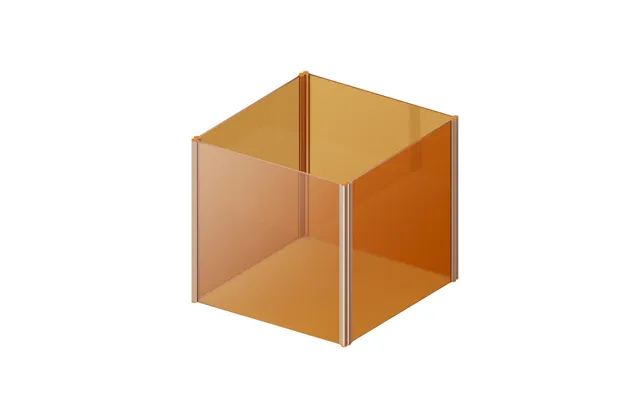
Think about safety accessories and practical extras: air assist, fume extraction, protective enclosures, and spare lenses. These items improve cutting quality and keep your workspace safe and legal. UK regulations and insurance may require certain safety measures — especially if you’ll use the machine in a public setting or a small business environment.
History shows LazerPecker carved out a space by being approachable and practical. It grew through smart partnerships, community outreach, and steady product improvements. In the UK, that strategy worked because it matched the needs of hobbyists and small businesses who wanted real results without industrial complexity. The brand’s focus on user experience, local support, and portability made it a sensible choice for many.
Thinking about what comes next, LazerPecker faces a market that’s getting smarter and hungrier for capability. To stay competitive in the UK, it will need to continue improving power ranges, software features, and after-sales service. For buyers, the key is deciding whether portability and ease trump raw power or whether the business needs a full production-grade solution.
If you’re curious about getting a laser for personal or small business use, weigh your needs honestly. LazerPecker is a strong contender when you want simplicity and quality at an attainable price. If you need large runs, deeper cuts, or certified industrial output, consider higher-end suppliers. The right choice depends on your project, your pace of growth, and how much time you want to spend learning the machine.