
Bouncy Balls price list
Last updated Thursday, Sep 17, 2026




View 24 Offers

Loading...
Last updated Thursday, Sep 17, 2026
If there’s one tiny toy that never seems to lose its spark, it’s the humble bouncy ball. Toss it, chase it, bounce it off a wall, turn it into a game—these compact dynamos pack a lot of joy into a palm-sized sphere. In the UK, bouncy balls are having a moment again, with price lists and popular offers popping up across retailers and comparison platforms. Why the renewed buzz? They’re low-cost, high-energy, and brilliant for quick bursts of fun indoors or out. Whether you’re kitting out a party bag, stocking a classroom reward box, or just looking for an easy boredom-buster, a bouncy ball is a pocket-friendly win.
Beyond nostalgia, bouncy balls deliver real benefits: hand–eye coordination, reaction time, and fine motor skills all get a gentle workout. Plus, the variety is wider than you might think—glitter-filled, LED light-up, high-bounce poly, textured sensory, even soft-foam for quieter play. If you’ve glanced at a bouncy balls price list lately and felt overwhelmed, don’t worry. This guide breaks down types, features, safety basics, and smart buying tips so you can compare offers with confidence and find the best fit for your budget.
“Bouncy ball” is a catch-all term, but the category covers a handful of very different toys. Knowing which type suits your space, age range, and play style will help you narrow the field fast before you start comparing prices.
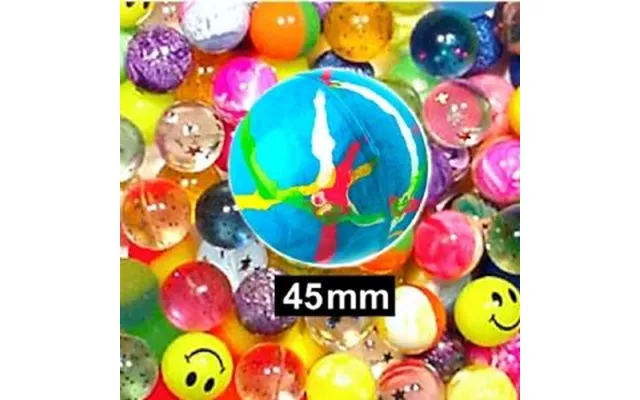
These are the classics—dense, smooth, and designed to rebound fast and high. Often measuring around 1 to 2.5 inches across, they’re the ones you remember pinging off the pavement and rocketing back into your hands. The magic lies in elastic polymers that “snap back” on impact, storing and releasing energy like tiny trampolines. They’re brilliant for older kids and teens who want challenge and speed. Indoors, they’re best in controlled spaces with clear boundaries—think hallway wall-ball, not next to the mantelpiece.
If you want a bit of wow, LED balls bring the glow. A small light module inside activates on impact, flashing bright colours with every bounce. Glitter balls go for sparkle instead, swirling with confetti or shimmering particles when they move. Both tend to be slightly larger—often 2 to 2.5 inches—so they’re easier to track in motion. They’re perfect for party favours, dusk games in the garden, and playful sensory stimulation without requiring extra screens or tech.
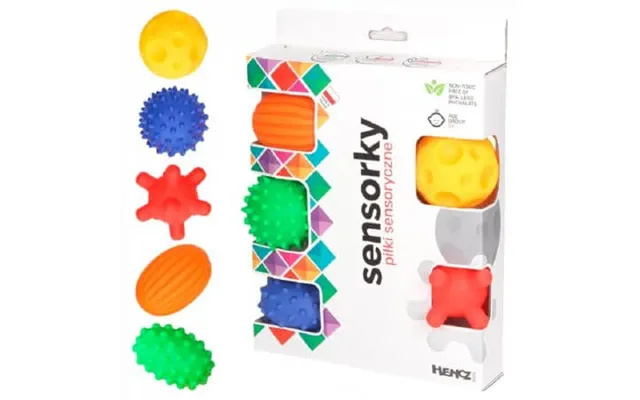
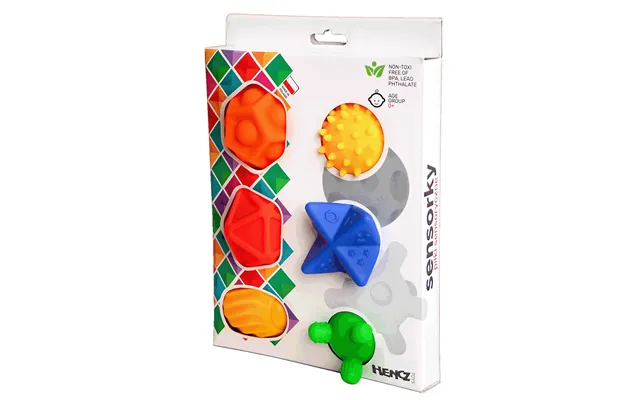
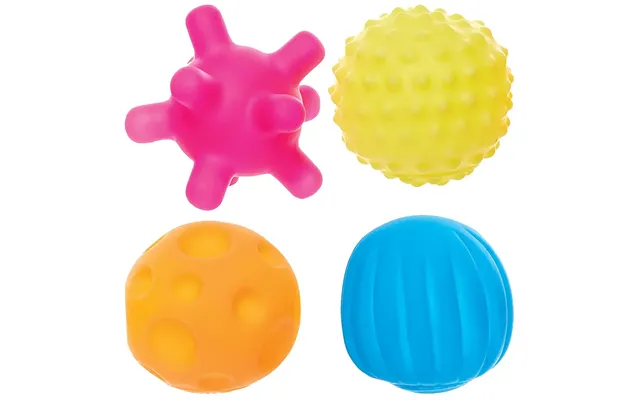
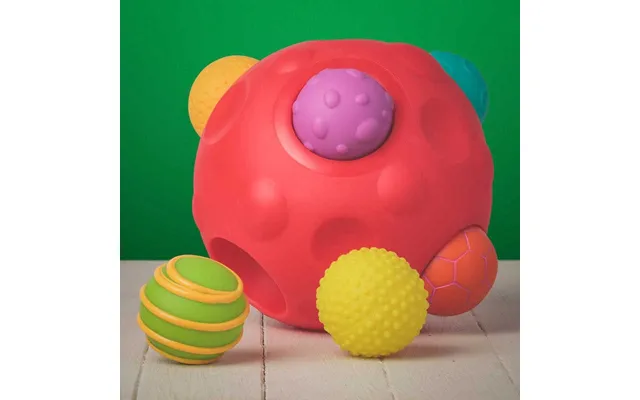
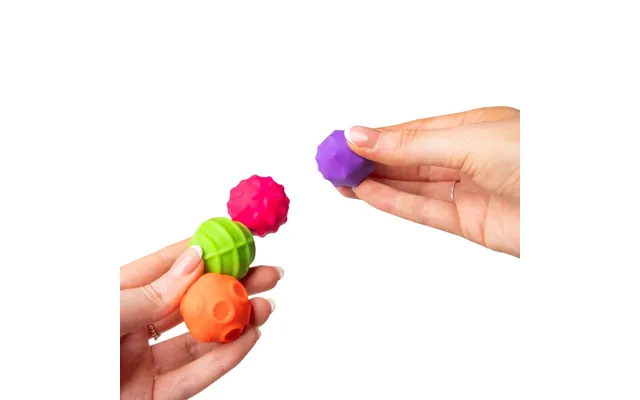
Sensory bouncy balls add grip and tactile interest. Soft spikes, raised bumps, or ribbed surfaces make them easier to hold and fun to explore. While not all textured balls “super bounce,” many still deliver a satisfying rebound and are kinder on little hands. They shine in early years settings or for children who benefit from fidget-friendly textures. For adults, spiky massage balls double as tools for rolling under feet or along calves after a run—practical and playful in one.
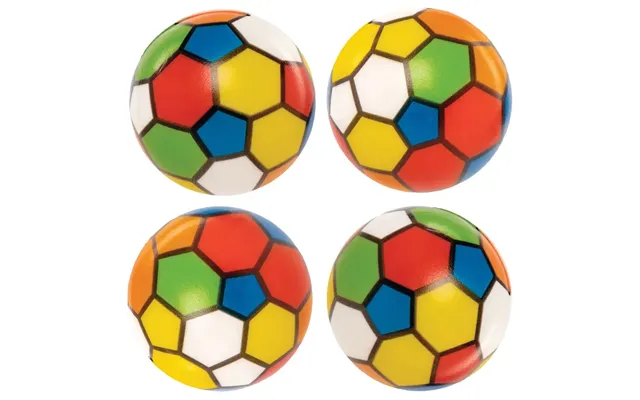
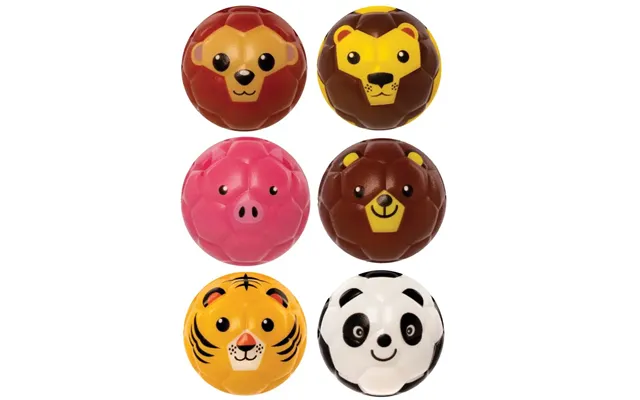
We also have bigger “bounce” options that sit near the category: inflatable playground balls (often 8 to 10 inches) and soft-foam balls that bounce gently without startling noise. Playground balls are ideal for four square, dodge variants, and free play in the garden. Foam models rein in the speed for safer indoor fun, especially in flats or smaller rooms, where a high-bounce rubber ball might be a little too lively.
Choosing a bouncy ball is easier when you’re clear about where you’ll use it, who it’s for, and what “bounce” really means to you. Start with the basics—size, weight, and intended surface—then factor in special features and safety guidelines. With these dialled in, you’ll save both time and money when comparing offers.
Bigger isn’t always better. A 1.5 to 2-inch ball fits most hands and gives a spirited bounce without vanishing under the sofa in one leap. Smaller “marble-size” balls can travel fast and run the risk of being mistaken for sweets by very young children, so choose carefully. Heavier, denser balls rebound higher and faster, making them great for outdoor concrete or tarmac. Lighter balls tame the action for carpet and hardwood. If in doubt, go mid-size and mid-density to cover multiple use-cases.
For children under 3, avoid small balls and any detachable components like LED modules that could pose a choking risk. Bigger foam or textured balls are better for toddlers and early years, offering grip and gentle bounce. For school-age kids, high-bounce rubber or LED balls are a hit, while teens and adults may enjoy precision drills with denser pro-style balls. Always check the manufacturer’s age guidance, and store small balls out of reach when playtime is over.
Indoors, aim for foam, textured, or medium-bounce balls to reduce ricochet chaos. Outdoors, bring on the high-bounce fun—hard surfaces let you really feel the rebound, and larger spaces keep play controlled. If you’re in a shared garden or flat, consider softer options that respect neighbours and windows alike. It’s amazing how quickly a “quick bounce” becomes a wild chase when a superball meets tile.
Scan a bouncy balls price list and you’ll see a spread: budget multipacks, mid-range favourites, and premium singles. Prices vary for good reasons—materials, build quality, and special features all play a part. Understanding these drivers helps you decide when to save and when to spend.
Dense elastic polymers cost more than basic rubber blends, but they also deliver a cleaner, livelier bounce and longer life. Thick, well-moulded shells resist cracking, while precise seams prevent weird wobble spins. With inflatable playground balls, higher-quality vinyl and reinforced valves hold air better and feel safer underfoot. If you want a ball that will see you through season after season, quality pays for itself.
Trusted toy brands invest in consistent manufacturing and safety testing, which can nudge the price up. That said, multipacks are the great equaliser. If you’re filling party bags or a classroom treasure chest, bulk buys can slash the per-ball cost. Just check the pack count carefully—ten balls at a modest price might beat an eight-pack with flashy packaging. Always weigh quantity against quality and intended use.
LED light-up modules, glow-in-the-dark pigments, and novelty add-ins like glitter or confetti increase production costs. If you just want rebound, skip the extras and save. If you’re aiming for a party centrepiece or a wow factor for night-time garden games, the splurge can be worth every penny. Pro tip: glow balls charge best under bright light for a few minutes before play.
The UK market is buzzing with popular offers across retailers and comparison platforms. You’ll find budget-friendly multi-packs for parties, mid-range everyday picks for the family, and premium high-bounce balls for enthusiasts who love precision. The key is to compare like-for-like: same size in inches, same materials, and similar features. A comparison site can help you see those details side by side so you don’t overpay for flashy colours alone.
For party favours, teacher rewards, or carnival-style games, multipacks shine. Look for sets of 10 to 50 balls in mixed colours or themes. Larger packs frequently drive the per-ball price down. Consider mid-size balls around 1.75 to 2 inches so they’re easy to grip and less likely to become choking hazards in mixed-age settings. If noise is a concern, foam or softer rubber keeps the peace.
For home use, families often choose a small set of 3 to 6 durable balls. A mix—say one high-bounce, one textured, and one LED—covers every scenario: hallway practice, outdoor sprints, and a little night-time sparkle. You’ll pay more per ball than a bulk set, but better materials and consistent bounce usually justify the cost.
Premium balls appeal to enthusiasts who want maximum height, clean spin, and ultra-durable shells. Expect tighter tolerances, balanced cores, and satisfying “snap” on hard surfaces. Limited-edition designs—metallic sheens, nebula swirls, or crystal-clear cores—double as desk toys and gifts. If you’re after that “wow, feel this” moment, this is the tier to explore.
Names change, trends evolve, but the fundamentals remain the same: reliable brands and well-reviewed indie makers offer solid bounce and safe materials. You don’t need a premium logo to get a great product, but you should always check user reviews and safety marks. If you’re building a broader play kit, consider pairing bouncy balls with other activity toys for variety.
Established brands bring consistency, warranties, and strong safety testing. Indie makers often surprise with creative designs, unique textures, or eco-minded materials. If you’re hunting for unusual colours or tactile features, smaller brands can delight. If your priority is predictable performance and robust aftercare, mainstream names are a safe bet.
Want to stretch your budget? Mix in jump ropes, soft flying discs, chalk for marking court lines, or beanbags for easier catching drills. A simple kit like this transforms a small patio or driveway into a mini games arena. For younger children, add soft skittles or stacking cups to turn bounces into friendly challenges.
One ball, endless games. That’s the magic. You don’t need fancy gear—just a wall, a patch of floor, and a dash of imagination. Here are play ideas that test coordination, spark laughter, and burn off energy fast.
Try wall ball: stand a few feet from a clear wall, bounce the ball toward a target, and catch on the return—no double bounces allowed. Mix in challenges like alternating hands or adding a squat between catches. Another favourite is “up-down”: throw the ball high, clap once, catch; then bounce low, clap twice, catch. Increase the pace to ramp up the fun.
Four square is a classic for driveways or patios: draw a large square with chalk, divide into four small squares, and rotate positions on faults. For a simpler option, play “hot potato” by bouncing between players—speed up the rhythm every round. Younger kids love obstacle courses where they must bounce the ball at checkpoints before sprinting to the finish.
Turn bouncy balls into a treasure hunt: hide colourful balls in the garden and set themed clues. For learning, write numbers or letters on the balls and call out which one to fetch. A glow-in-the-dark evening session with LED balls adds theatre—charge the balls under a bright light and let the chase begin.
Fun is the goal, safety is the rule. A few small habits go a long way—choose the right size, check your space, and coach kids on basic ball etiquette. You’ll get the thrills without the spills.
If any ball can fit through a small-parts test cylinder (roughly the size of a toilet roll tube), it’s not suitable for under-3s. When in doubt, go bigger—2 inches and up offers peace of mind. Avoid balls with removable LED modules for toddlers, and inspect toys regularly for cracks or loose plugs.
Indoors, clear breakables, and move play to a corridor or open room. Outdoors, scan for loose gravel or wet patches that could send a ball skidding. Keep a buffer away from roads and driveways. If playing at dusk, choose bright colours or LED models so everyone can track the ball in motion.
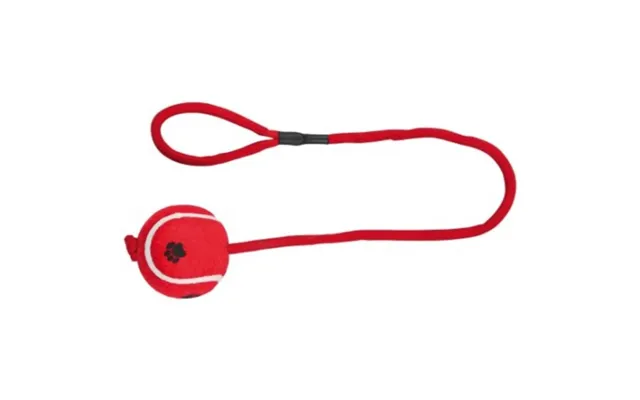
Pets love to chase, but not all bouncy balls are pet-safe. Choose larger, durable options for dogs, and never let pets chew LED or glitter balls. Soft rubber or textured balls designed for animals are usually best. Keep human bouncy balls in a container after play so they don’t become impromptu chew toys.
Good habits make bouncy balls last longer and perform better. A quick clean here, a little air-check there, and your set will keep its pop-for-your-pound edge far beyond the first weekend.
Most rubber and poly balls wipe clean with mild soap and warm water. For glitter or LED balls, avoid submerging the area that houses electronics—wipe instead. Foam balls pick up dust; a slightly damp cloth followed by air-drying works wonders. Keep harsh solvents away; they can dull colours and weaken seams.
Store balls in a breathable bag or open bin, away from direct sunlight and heat sources. Extreme heat can warp plastics and sap bounce. If you’ve got a mixed set, keep tiny balls in a lidded container so they don’t migrate under furniture or into toddler hands unsupervised.
For inflatable playground balls, use a hand pump with a needle adaptor and inflate gradually. Check the recommended pressure range—many feel best around light-to-moderate firmness rather than rock solid. Over-inflation can make a ball too rigid and more likely to split. If you own a gauge, aim for a comfortable psi that keeps the ball springy without turning it into a cannonball.
Want fun without the footprint? You have options. Choosing durable balls that won’t split after a few sessions is step one. From there, look for recycled content and recyclable packaging. With a little care, you can cut waste and still enjoy top-tier bounce.
Some manufacturers incorporate recycled rubber or plastics into their designs and use minimal packaging. Transparent product pages that list materials and end-of-life guidance are a plus. If you’re buying a lot of balls for events, seek bulk packs with paper-based packaging and avoid excessive plastic.
Keep balls clean, avoid extreme temperatures, and store them properly. For inflatable models, a little air-top-up extends life and performance. If a ball cracks or the LED fails, repurpose it for crafts or learning activities—target practice, colour sorting, or counting games—before you bin it. Small habits keep toys in play and out of the landfill.
Ready to buy? Smart shopping starts with clear specs. Compare apples to apples—same size in inches, same material, same features—and you’ll quickly notice which listings truly offer value. A comparison platform is your friend here, surfacing popular offers and price drops across multiple retailers so you don’t have to hop tabs for hours.
Always confirm the diameter in inches and the total number of balls in a pack. A listing might look like a bargain until you realise it’s a smaller size or fewer items. If you’re budgeting, calculate per-ball cost and note any premium you’re paying for LEDs or unique finishes. Sometimes a slightly higher price buys a lot more fun.
Prices often dip around school holidays, end-of-season clearances, and major sales events. If you’re planning parties or classroom rewards, buy ahead to spread costs. For large orders, check estimated arrival windows and packaging details so you get everything in time and in good condition. It’s no fun discovering you’re a few balls short on party day.
Comparison platforms such as ZoneOffer help you scan multiple retailers, highlight popular offers, and keep track of changing price lists in one place. Use filters for size, type, and features to narrow down results quickly. Save a shortlist, watch for price movements, and be ready to pounce when a premium pick drops into your budget range.
Bouncy balls prove that small things can deliver big smiles. From classic high-bounce singles to glow-packed party sets, the UK market offers a spectrum of choices for every age, space, and budget. Focus on the essentials—size, surface, and safety—then layer on the fun with textures, LEDs, or glitter if you fancy. Compare popular offers with a keen eye for specs, and you’ll land the perfect combo of price and performance. Ready to make playtime pop? Grab a few, head to the garden or a clear hallway, and let the good times bounce.