All categories
Business & Offices
Electronics & Media
Fashion & Accessories
Groceries & Essentials
Health & Personal Care
Home & Living
Kids & Family
Sports & Outdoors
Search in ZoneOffer

Loading...
When people say “pet medicine,” they’re talking about a wide set of health products designed to keep your dog, cat, or small pet happy, healthy, and protected. That includes flea and tick preventatives, wormers, skin and coat treatments, ear and eye care, dental gels and chews, probiotics, joint supplements, calming aids, and first aid essentials. Some items are over-the-counter, others need a prescription from your vet. The goal? Prevent issues before they start and support your pet’s well-being day to day. With smart shopping, you can get trusted products and still save a tidy sum.
Deals come in waves—buy-one-get-one offers on flea spot-ons, multipacks of wormer tablets, discounted probiotic pastes, or seasonal bundles of shampoos and ear cleaners. Sales often pop up around peak parasite seasons and late summer clearances. Comparison sites like ZoneOffer make it easy to spot those price dips in seconds, so you’re not paying over the odds. Want a quick strategy? Track your go-to brands, set reminders a few weeks before you’ll need a refill, and pounce when prices drop.
A price list can look straightforward, but the best value hides in the details. Spot the package size, the number of doses, and the coverage period. A box with six monthly doses may beat a three-dose pack on cost per month. Check whether the listing is for small, medium, or large pets (often based on pounds), and make sure the product matches your pet’s weight. Watch for bundle deals (like flea + wormer combos) and subscribe-and-save options that trim the price without locking you into something you won’t use.
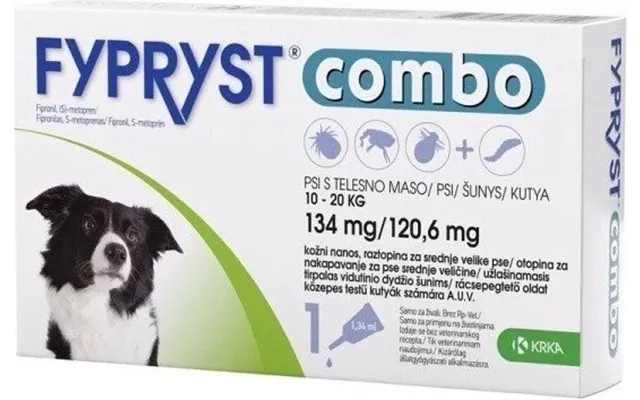
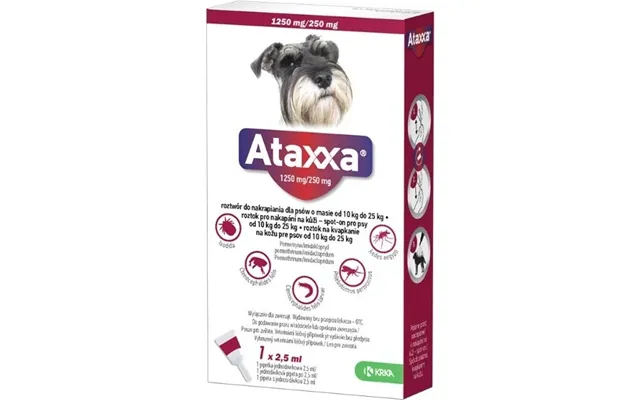
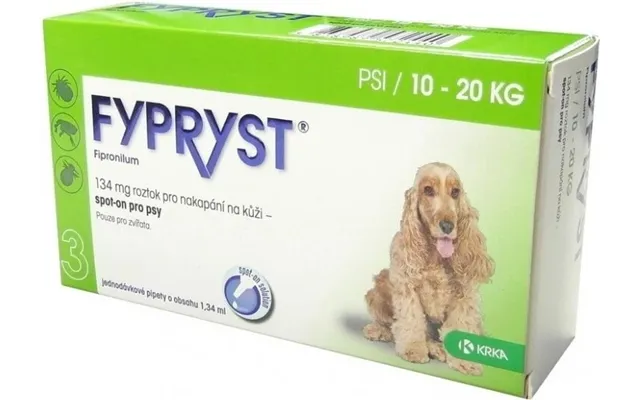
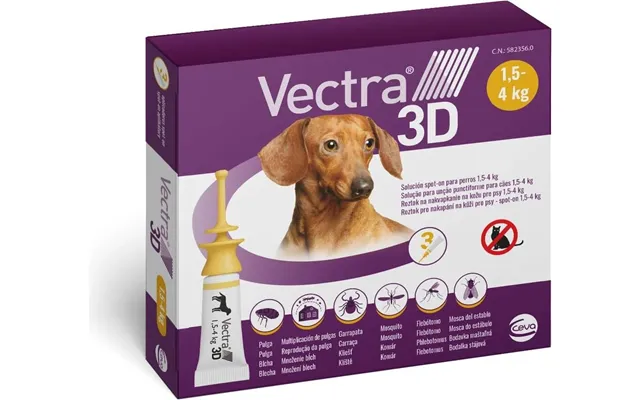
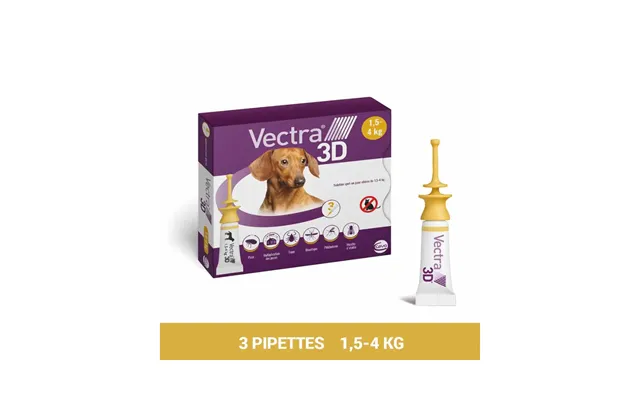
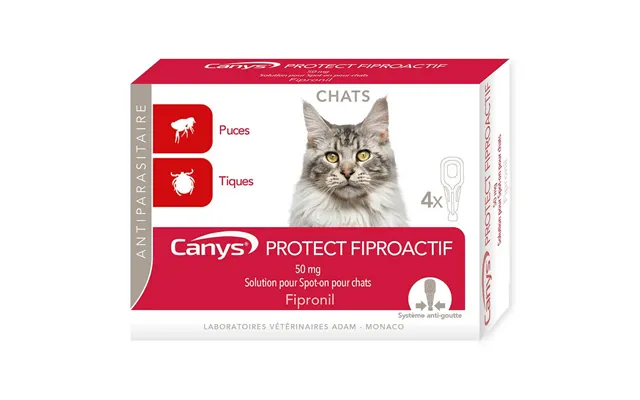
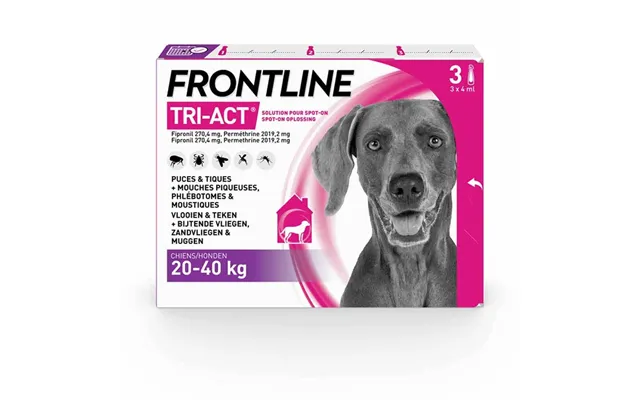
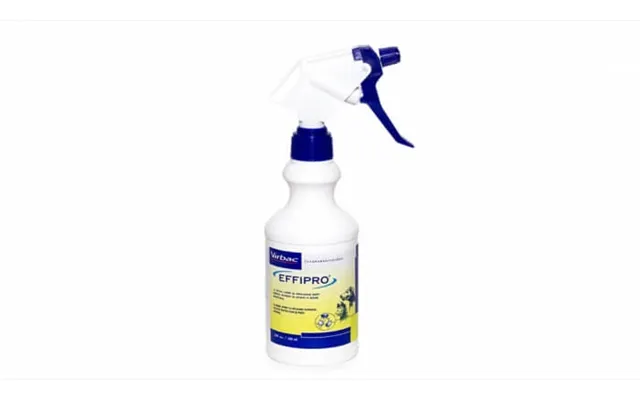
Flea and tick control is the backbone of routine pet care in the UK. Different products suit different lifestyles: spot-ons for quick monthly protection, flavoured tablets for no-mess dosing, and collars for long-term, set-and-forget coverage. If your pet hikes through tall grasses, swims often, or has sensitive skin, that can sway your choice. The trick is consistency—keeping up with prevention so you never fight a full-blown infestation at home.
Active dogs who splash in streams or roll around in the yard may benefit from solutions that don’t wash off easily, like certain chewable tablets or waterproof spot-ons. Long-coated breeds may do better with tablets to avoid matting or residue. If your dog hates the feel of topical treatments, an oral option can keep everyone’s stress down. Always choose the weight category that matches your dog’s size in pounds.
Cats can be sensitive to both ingredients and application. Many cat parents prefer compact spot-on pipettes that apply in one quick motion between the shoulder blades. Choose cat-specific products—never dog formulas—and try to apply when your cat is calm. If your cat roams outdoors, staying on schedule matters. For indoor cats, prevention is still smart; fleas can hitchhike in on shoes, clothing, and visitors.
Collars can be great for families who want a longer coverage window without monthly reminders. Spot-ons shine when you like precise monthly control and easy swapping between brands when needed. The decision often comes down to your pet’s temperament, your routine, and the environments you visit—woodlands, beaches, urban parks, or primarily indoors.
Indoor-only pets aren’t immune. Fleas and other parasites can arrive like uninvited guests—on your shoes, on other animals, or through wildlife in shared spaces. Regular prevention keeps surprises away and stops small issues from snowballing. Think of it like a seatbelt: you hope you won’t need it, but you’ll be glad it’s there.
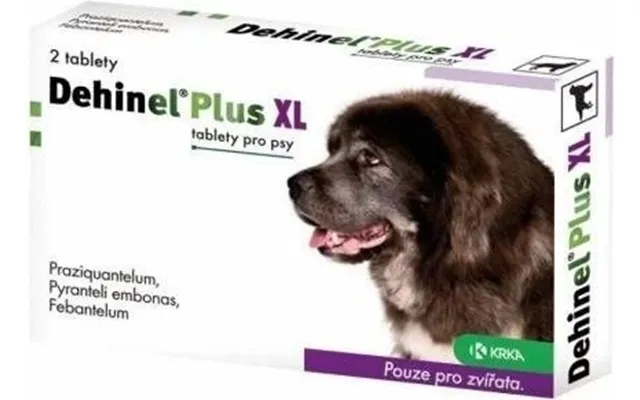
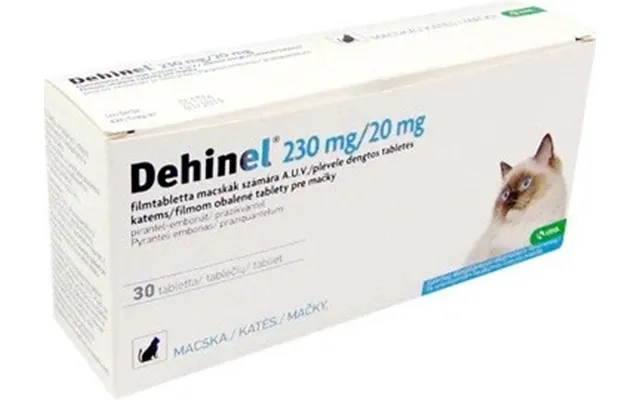
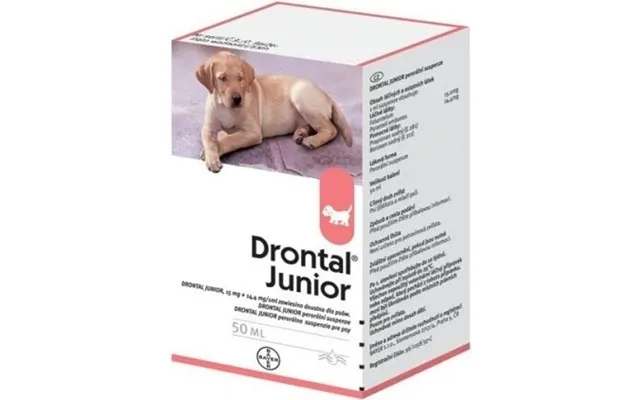
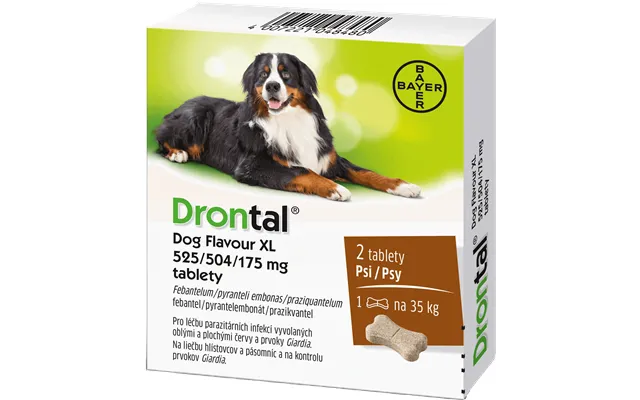
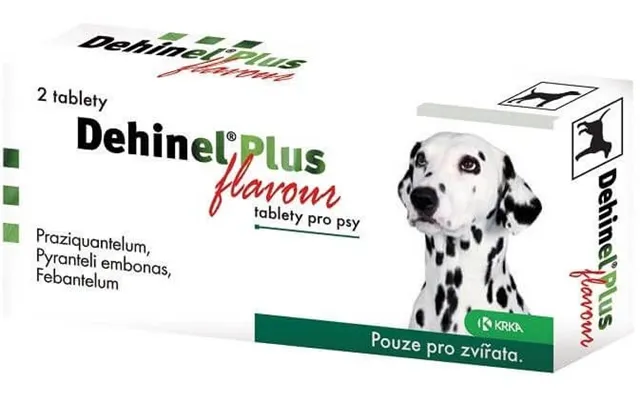
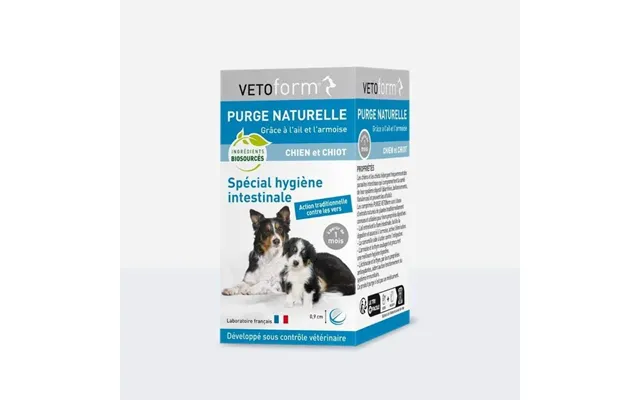
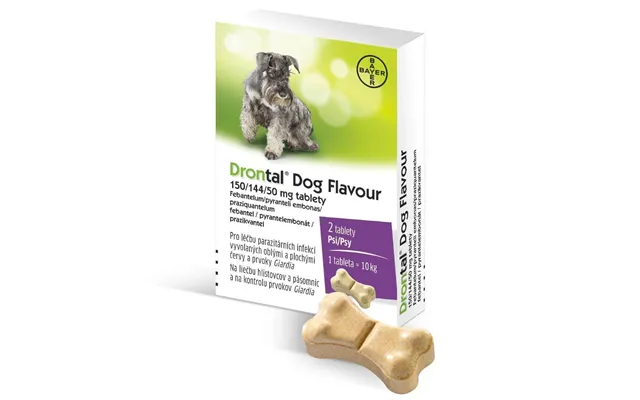
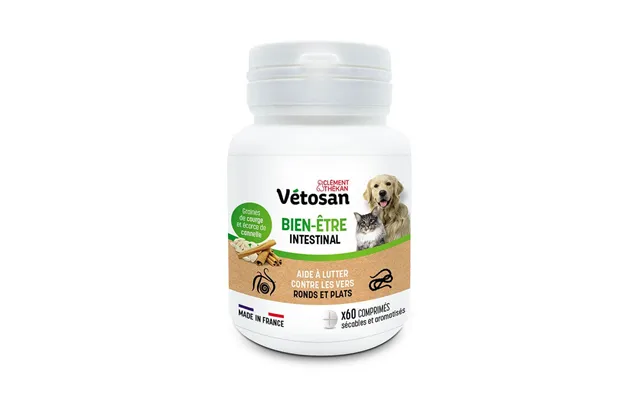
Wormers are a must, especially in multi-pet homes or if your pet likes scavenging or hunting. You’ll see wormers that target multiple parasites at once, including roundworms and tapeworms. Some come as tablets, others as pastes or palatable chews. Keeping up with a sensible routine helps protect both pets and people, particularly children who play in shared spaces.
Different worms demand different active ingredients, which is why “broad-spectrum” products are popular. Tapeworms can ride in via fleas or wildlife; roundworms are common in young animals. If you’re unsure which product suits your pet, ask your vet for guidance based on age, weight, and lifestyle.
There’s no one-size-fits-all answer. Frequency depends on your pet’s age, roaming habits, exposure to other animals, and local risk. Many owners follow the label’s guidance and their vet’s recommendations. If your pet hunts, snacks on mystery finds outdoors, or lives with children, you may need a tighter routine.
When you have more than one pet, syncing treatments avoids gaps. Mark your calendar, use a phone reminder, and keep all pet records in one place. That way, you’re less likely to double-dose one pet and skip another.
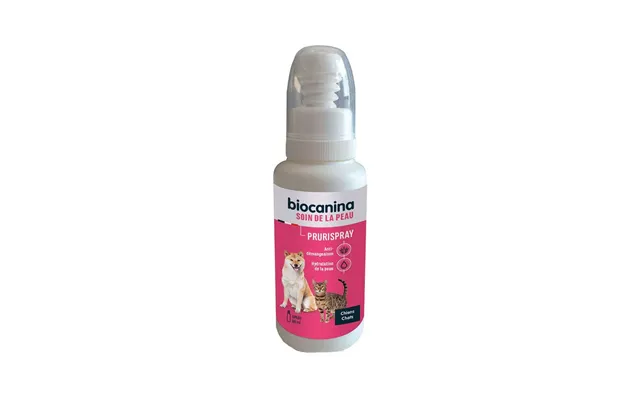
Itchy skin and dull coats can be a sign of allergies, parasites, or nutritional gaps. Over-the-counter options include medicated shampoos, soothing sprays, wipes, and skin-support supplements. While these can help, persistent itch, red patches, or hair loss needs a vet’s eye—because the root cause matters more than masking the symptoms.
Shampoos formulated for flaky, greasy, or itchy skin can bring quick relief. Look for gentle, hypoallergenic options for sensitive pets. Rinse thoroughly and follow the label’s directions for contact time. If your pet hates baths, try a gentle leave-in spray between washes to stretch the benefits.
Omega-3 fatty acids from fish oil can give coats a glossy finish and support skin health. You’ll find liquids, capsules, and chews—pick whichever your pet tolerates best. Start low and go slow, and keep an eye on calories if your pet is watching their weight. Consistency beats quick fixes—give it time to shine.
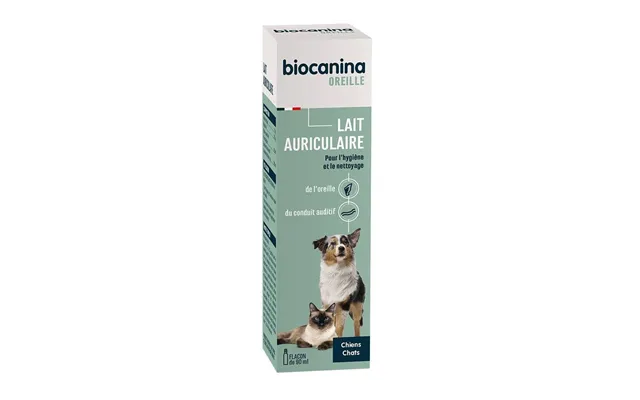
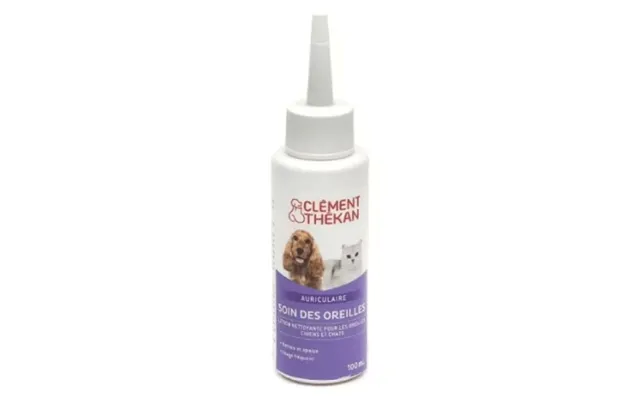
Routine ear cleaning helps prevent build-up and that telltale head-shake. Use pet-safe solutions and soft cotton pads—never cotton buds deep in the ear. For eyes, saline wipes can handle mild tear staining or debris. Any strong odor, discharge, or squinting is a cue to call your vet.
From bouncy puppies to senior snugglers, joint support can help pets stay active and comfortable. Supplements with glucosamine, chondroitin, MSM, and green-lipped mussel are common. You’ll see powders, chews, and liquids—choose the format your pet will actually take. Pair supplements with a comfy bed and gentle, regular exercise for best results.
Consistency, palatability, and a solid ingredient profile matter most. Some products combine joint support with omega oils for a one-two punch. If your pet has food sensitivities, check for flavorings and fillers. And remember, supplements are supportive—not a cure for painful conditions—so keep your vet in the loop.
Big dogs can put a lot of stress on joints, while older cats often hide discomfort. Watch for subtle changes—hesitating at stairs, skipping jump-ups, or slowing on walks. A combination of joint support, weight management, and low-impact activity can make a visible difference.
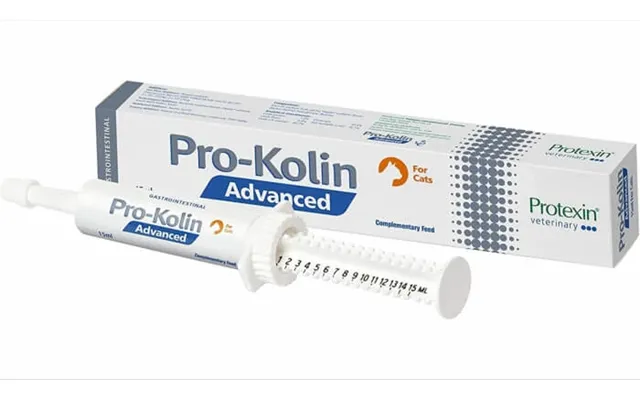
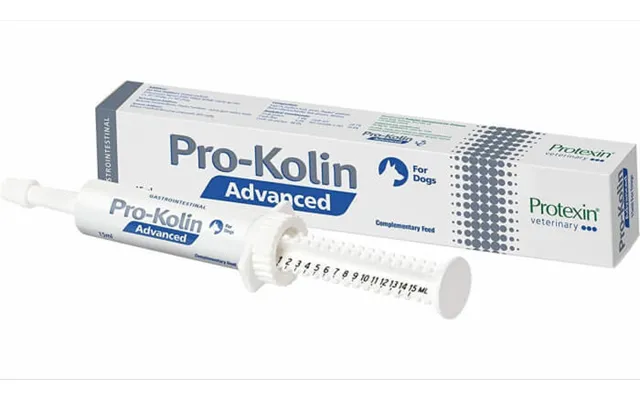
Tummy trouble happens—diet changes, stress, or scavenging can throw a gut off balance. Probiotics and digestive pastes help support normal stool quality and soothe mild upsets. If symptoms persist or worsen, don’t wait—your vet should take a look.
Some pets benefit from daily probiotics for ongoing support, while others only need them during diet transitions or after antibiotics. You’ll find powders, capsules, and ready-to-use pastes. Shelf-stable products are convenient for travel and emergencies.
For cats, hairball gels and fiber-rich treats can ease passage and reduce the drama on your carpet. Grooming is half the battle—regular brushing means fewer hairballs and a happier cat.
If your pet has had a bout of mild tummy upset, palatable electrolyte solutions may help maintain hydration. Keep a pack in your home pet kit. Any signs of lethargy, ongoing vomiting, or blood in stool call for prompt veterinary attention.
Dental health touches everything—breath, comfort, even long-term wellness. Daily brushing is the gold standard, but gels, water additives, and dental chews give helpful backup. The secret? Make it a routine. Small, daily habits beat once-in-a-blue-moon sessions.
Look for soft-bristled pet brushes and enzymatic gels. Start slow—let your pet lick the gel off your finger, then ease into gentle brushing. A little goes a long way, and praise makes it easier next time.
Water additives can freshen breath and reduce plaque build-up when brushing isn’t possible daily. Change water frequently to keep it appealing and ensure your pet drinks enough.
Choose chews sized for your pet’s bite. The right texture helps scrub teeth; the wrong size can be a choking risk. Always supervise chew time and adjust portions to avoid extra calories sneaking in.
From fireworks to vet visits, stress can rattle even chilled-out pets. Pheromone diffusers, calming chews, and anxiety wraps offer gentle support. Combine them with training and predictable routines for best results.
Many owners find pheromone products handy during house moves, introductions, or noise events. Plug-ins suit home life; sprays are perfect for carriers and cars. Give them a little time to work before high-stress moments.
Palatable chews that include gentle, non-drowsy ingredients can help take the edge off. Introduce them during calm moments so your pet associates them with relaxation, not panic.
A well-ventilated crate, a familiar blanket, and a quiet car route do wonders. Covering part of the crate can reduce visual stress. Short practice drives before big trips build confidence and curb stress.
A small pet first aid kit saves the day. Stock antiseptic spray, sterile saline, non-stick pads, cohesive bandage wraps, tweezers, and an Elizabethan collar. Add your pet’s regular meds and a card with your vet’s details. A calm plan beats chaos every time.
For minor scrapes, clip fur around the area if safe, clean with pet-safe antiseptic, and cover lightly with a non-stick pad. If there’s deep bleeding, pain, or foreign material, head to the vet rather than attempting a full DIY fix.
Cohesive bandages should be snug, not tight—aim for secure without cutting off circulation. E-collars come in sizes measured in inches; pick one that extends just beyond the nose so your pet can’t reach the wound.
Keep a pet-safe thermometer in your kit and a simple health log—dates of treatments, vaccine reminders, and any reactions. When everyone’s stressed, a quick reference sheet is worth its weight in gold.
Over-the-counter (OTC) pet medicines handle routine prevention and minor issues. Prescription medications treat specific diagnoses and require a vet’s oversight. Both have a place. If your pet’s symptoms are ongoing, severe, or unusual, your vet’s guidance is the fastest route to the right treatment.
Vets can provide a written prescription for medications they’ve recommended, which you can then compare across licensed retailers. This helps you balance convenience, price, and availability. Always buy from reputable sources to ensure authenticity and proper storage.
Generics contain the same active ingredient as branded medications and are often more affordable. The difference can be in flavor, form, and inactive ingredients. If your pet is fussy, that can matter—otherwise, generics can offer excellent value.
Safe use starts with reading the label and ends with watching how your pet responds. Keep products in their original packaging, store them out of reach, and never mix treatments unless your vet says it’s okay. When in doubt, pause and ask—your pet’s safety is worth the extra minute.
Most preventatives are dosed by weight. Using a small-pet dose on a larger animal won’t give full protection; using a large-pet dose on a small animal can be risky. Weigh your pet periodically—especially if their body condition is changing—and pick the right category.
Two products with similar actions can double up on side effects. Avoid “cocktailing” flea treatments, wormers, or calming aids unless your vet confirms they’re compatible. If you switch brands, note any overlap in active ingredients.
Keep items in a cool, dry place away from sunlight and curious noses. Some products may require refrigeration—check the label. Don’t use items past their expiry date or if the seal is broken, the liquid looks cloudy, or the tablet crumbles oddly.
Want consistent savings without cutting corners? Compare across multiple retailers, look for multipacks, and time purchases around seasonal promos. Signing up for price alerts on comparison sites such as ZoneOffer helps you snag dips as they happen—no endless scrolling required.
Bundles that pair flea treatments with wormers or combine multiple months of coverage often lower the cost per dose. Just be sure you’ll use every item in the bundle and that each suits your pet’s weight and species.
Subscriptions can trim costs and keep you on schedule. If your pet’s needs are stable and you’re not brand-hopping, this can be a win. If you’re still trialing products, stick to single purchases until you’re confident.
Prices often dip at the edges of peak seasons. Think late summer clearances or early spring promos. Stock up just enough to cover the next stretch, keeping an eye on expiry dates so nothing goes to waste.
Prices vary more than you’d expect. A quick comparison can reveal hidden bargains, free add-ons, or loyalty points that add up over time. Check delivery timelines, too, so you don’t run out mid-month.
Rabbits, guinea pigs, and birds have specific needs—never give dog or cat meds to smaller species without clear, species-appropriate labeling. Look for products designed for them: gentle shampoos, nail care tools, and gut-friendly supplements. Small pets mask illness, so subtle changes deserve attention.
Digestive balance is crucial. High-fiber diets and species-appropriate probiotics can support gut health. For grooming, use small-animal-safe tools and spot-clean with gentle, non-perfumed wipes. Any drop in appetite is a red flag—call your vet quickly.
Bird-safe products are highly specific. Avoid aerosols and strong scents near cages. If your bird is plucking feathers or acting withdrawn, seek an avian-savvy vet; environmental tweaks and targeted care work best with expert guidance.
Authentic products come with batch numbers, tamper-evident seals, and clear directions. Labels should spell out the active ingredient, species, weight range, and frequency. If anything looks off—spelling errors, missing seals, or unusual packaging—put it back on the shelf and choose a trusted source.
Always check expiry dates and make sure seals are intact. Store leaflets in the box so you can revisit instructions later. If a product smells odd, separates, or changes color, don’t risk it—replace it.
Over-the-counter tools are terrific for routine care, but some situations need professional eyes. Sudden lethargy, labored breathing, persistent vomiting or diarrhea, seizures, or collapse are emergencies. If your pet seems “not quite right” for more than a day, a quick call to your vet is the safest route.
Refusing food, crying out when touched, swollen abdomen, pale gums, or repeated head-shaking deserve prompt attention. Trust your gut—no one knows your pet better than you do.
Itchy skin that won’t quit, recurring ear infections, or ongoing stiffness benefit from a vet-guided plan. OTC items can support comfort, but diagnosing the root cause keeps the problem from bouncing back.
Building a smart pet medicine toolkit isn’t complicated. Start with prevention—flea, tick, and worm control—then layer in dental, skin, joint, and digestive support based on your pet’s needs. Compare prices, watch for popular offers, and check each price list carefully for size and dose counts. Keep safety front and center: pick species- and weight-appropriate products, store them properly, and call your vet when something feels off. With a little planning and savvy shopping, you’ll protect your pet’s health and your budget—all year long.
| Pet Medicine | Price | |
|---|---|---|
| Vermicin Forte - D102 | £ 7,60 | |
| Biocos Pet Care Protective Nose Balm For Dogs 30g | £ 8,43 | |
| Biocos Pet Care Damaged Paw Balm 30g | £ 8,43 | |
| Vetussin Dog Syrup - 100 Ml | £ 18,70 |