All categories
Business & Offices
Electronics & Media
Fashion & Accessories
Groceries & Essentials
Health & Personal Care
Home & Living
Kids & Family
Sports & Outdoors
Search in ZoneOffer
Loading...
Plumbing fixture hardware may not be glamorous, but it's the unsung hero of every sink, shower, and toilet in your home. Pick the wrong valve, and you wrestle with a drip that drives you crazy; choose the right cartridge, and that old faucet will feel brand-new. This guide walks you through the most common "other" plumbing parts—think escutcheons, trap adapters, angle stops, cartridges, and sink strainers—so you can shop smarter, repair faster, and avoid repeated trips to the hardware store. Ready to stop leaking money and start fixing things like a pro?
Cartridges and valves control water flow and temperature inside faucets; they're the brains behind smooth operation. Typical types include ceramic disc cartridges, ball valves, and compression cartridges. When your faucet drips or becomes stiff, replacing the cartridge often solves the problem without swapping out the whole fixture. Cartridges are usually specified by manufacturer or by stem diameter—many home faucets use stems around 1/2 inch—so a little measurement goes a long way.
Angle stop valves (often 1/2 inch inlet by 3/8 inch outlet) are the small shut-off valves under sinks and toilets. They let you isolate a fixture for maintenance without turning off the whole house. Paired with braided stainless steel supply lines, these valves form a reliable connection. If your stop valve is more than a decade old and feels crunchy, replace it with a quarter-turn ball-type 1/2 inch valve for easier service down the road.
From the shiny basket strainer in your kitchen sink to the tailpiece and trap adapter that channel wastewater into the P-trap, these parts are the plumbing equivalent of a funnel and gate. Standard kitchen sink openings use a 3 1/2 inch diameter strainer, and bathroom sinks commonly use a 1 1/4 inch tailpiece. A worn tailpiece or incorrectly sized trap adapter causes leaks and clogs—replace or adjust these parts before worse problems follow.
Escutcheons (or trim plates) and flanges hide rough openings where supply lines and pipes penetrate walls and countertops while providing a finished look. They come in finishes to match faucets—chrome, brushed nickel, oil-rubbed bronze—and sizes to fit 1/2 inch or 3/8 inch piping. Mounting hardware like bracket assemblies and stabilizers keeps faucets and shower valves secure, preventing wobble that leads to long-term leaks.
These tiny rubber or silicone heroes stop leaks at critical joints. O-rings often live inside faucet handles, washers attach inside compression fittings, and gaskets sit beneath strainers. Their lifespan varies with material and water chemistry, but replacing a worn 1/4 inch O-ring is far cheaper and simpler than replacing a faucet body. Keep a small kit of common sizes—1/4 inch, 3/8 inch, even 1 inch for larger gaskets—to speed up repairs.
Accurate measurement prevents returns and frustrated afternoons. Pipes and fittings are commonly measured in inches—1/2 inch, 3/8 inch, 1 1/4 inch—so use a tape measure or caliper to check diameters and thread types. For example, supply lines usually fit a 3/8 inch outlet on the angle stop, while a sink drain tailpiece often connects to a 1 1/4 inch trap. When in doubt, remove the old part and bring it with you or photograph it for comparison.
Many replacement parts are specific to a faucet maker—Delta, Moen, Kohler, and the like—so finding the model number can save guesswork. The model number might be on the original paperwork, underside of the fixture, or stamped into the valve body. If you can't find the number, look for distinguishing features like the cartridge shape, number of handle splines, or unique thread patterns.
Universal repair kits promise broad compatibility and often include multiple O-rings, seats, and springs; they’re great for common, simple repairs. OEM (original equipment manufacturer) parts offer a closer fit for complex valves and high-end faucets. If you value reliability and a precise fit—especially for luxury fixtures—opt for OEM cartridges. For quick, budget-minded fixes, universal parts often do the trick.
Universal kits typically include a variety of seats, springs, O-rings, and washers to address common leaks. They’re ideal for older or generic faucets where OEM parts are unavailable. Keep one of these kits in your utility drawer and you can likely fix a dripping bathroom sink in under 30 minutes without sourcing rare parts.
Brass quarter-turn angle stops rated for 1/2 inch inlet and 3/8 inch outlet make replacing an ancient multi-turn valve fast and secure. Quarter-turn valves reduce strain during operation and provide a reliable shut-off for most sink or toilet installations. Look for corrosion-resistant finishes and compression-style or sweat connections depending on your plumbing type.
A high-quality 3 1/2 inch stainless steel sink strainer stops food debris from entering the drain and is easy to clean. Some models include a polished basket for catching waste and a solid flange that mates securely to the sink's drain hole. Upgrading to a good strainer can reduce clogs and improve the look of an older sink.
These kits include the nuts and washers needed to assemble or repair the drain from sink to P-trap. Slip joint nuts are common in bathroom sinks and are typically sized to work with 1 1/4 inch tailpieces. A complete kit keeps you from fumbling with mismatched parts during a bathroom repair.
Ceramic disc cartridges offer durability and are less likely to drip compared to older rubber-seated options. Ball valve cartridges are common in single-handle faucets. When replacing a cartridge, ensure the new unit matches the stem dimensions—many stem diameters are described in fractions of an inch, so having that measurement on hand is crucial.
Before you touch anything, close the angle stop (or the main) and open the faucet to drain remaining water. Working on a live line is messy and risky. After installation, turn the water back on slowly and check carefully for leaks. A temporary leak can usually be tightened with a wrench to the next snug point—don’t over-tighten, which can damage threads or crush gaskets.
Common tools include adjustable wrenches, basin wrenches for hard-to-reach faucet nuts, slip-joint pliers, and a small set of hex keys or Torx bits for handle screws. A good basin wrench can be a lifesaver under tight sinks, and a torque-limited screwdriver prevents stripped screws on delicate trim pieces. Keep thread seal tape handy for threaded pipe joints, but avoid tape on compression fittings.
Don’t assume all fittings are the same—mixing compression and sweat connections or using the wrong thread seal methods can cause leaks. Avoid overtightening nuts; many leaks are caused by bent washers or crushed O-rings. And remember to test multiple times: run both hot and cold and let the fixture operate for a few minutes to ensure steady performance after a repair.
Finding the best price isn’t just about the sticker—consider warranty, material quality (brass beats plastic where durability matters), finish longevity, and return policies. Compare offerings across retailers and read reviews focusing on long-term performance. Search for “plumbing fixture hardware popular offers” or “replacement faucet parts sale” to spot seasonal discounts and bulk deals on repair kits. Comparison tools help spot the best value quickly—just make sure you’re comparing like-for-like parts by size, finish, and compatibility.
Installing a low-flow aerator on kitchen and bathroom faucets reduces water use without sacrificing pressure. Standard aerators often reduce flow to 1.5 gallons per minute or less—many household faucets previously flowed at 2.2 gpm or higher. Swapping an aerator is a cheap, simple upgrade that saves water and lowers utility bills.
High-quality ceramic cartridges and modern valve designs reduce drip frequency, saving water one tiny leak at a time. A persistent drip that wastes 1 drop per second might not sound like much, but that adds up over days and months. Upgrading to a reliable cartridge is both eco-friendly and pocket-friendly.
Know your limits. If the leak seems to come from inside the wall, you notice extensive corrosion, or the water damage is already evident, it's time to call a plumber. Complex issues like hidden pipe corrosion, extensive sediment buildup in valves, or repeated failures after part replacement typically indicate systemic problems. A pro can assess whether you need pipe re-routing, a section replacement, or a full fixture swap to avoid repeated repairs.
Simple maintenance prolongs the life of plumbing parts: replace washers and O-rings every few years, check angle stops annually to ensure they turn freely, and clean aerators to remove mineral buildup. Flush faucet cartridges every year if you have hard water; a vinegar soak can dissolve mineral deposits. Keep a small box of common parts—1/4 inch O-rings, 3/8 inch supply nuts, 1 1/4 inch tailpiece washers—so a minor leak doesn’t snowball into a replacement project.
Material choice affects both function and aesthetics. Brass with a plated finish resists corrosion better than plain chrome-plated zinc. Stainless steel strainers stand up to acidic food waste and are easy to clean. If your kitchen sees heavy use, prioritize durability; in a lightly used powder room, style might take precedence. Always match finishes to avoid mismatched shiny and dull parts that create a dated look.
In plumbing, the smallest components often have the biggest effect. A 3/8 inch supply line, a 1/4 inch O-ring, or a perfectly seated 3 1/2 inch sink strainer can mean the difference between a quiet household and a dripping nightmare. With the right measurements, a bit of elbow grease, and the right parts—whether universal repair kits, brass angle stop valves, or OEM cartridges—you can tackle most common fixture problems yourself and save a lot in the process.
Plumbing fixture hardware and miscellaneous parts may seem mundane, but mastering them saves time, water, and money. Whether you’re replacing a worn angle stop, installing a new strainer, or swapping a faulty cartridge, understanding sizes in inches, matching parts intelligently, and using the right tools makes repair projects straightforward. Keep a small inventory of common parts and refer to this guide when you need quick fixes. With a little preparation, you’ll be turning off leaks and restoring function like a seasoned DIYer.
| Plumbing Fixture Hardware & Parts - Other | Price | |
|---|---|---|
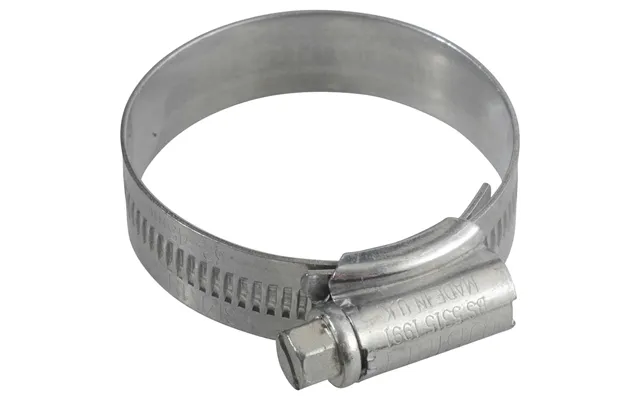
| Jubilee Zinc Plated Hose Clip 32mm - 45mm Pack Of 1 | £ 1,49 | |
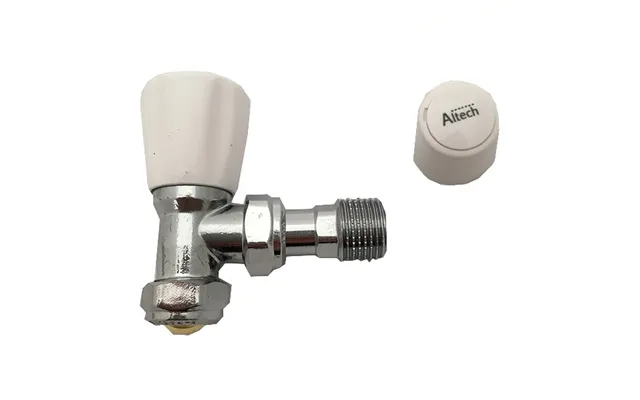
| Altecnic Eres Lockshield Angled Radiator Valve - 15mm | £ 5,56 | |
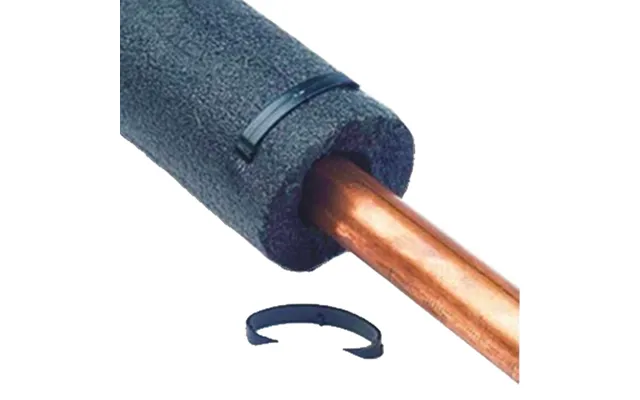
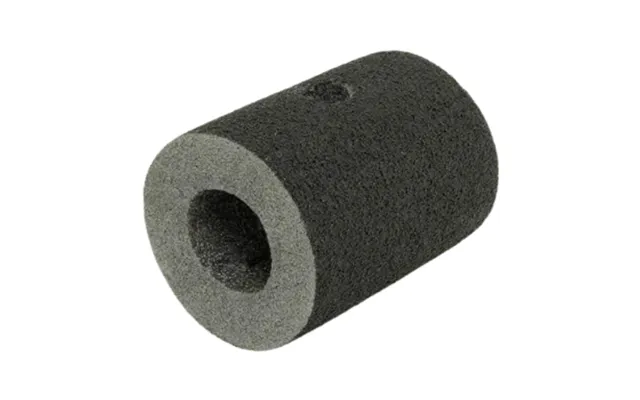
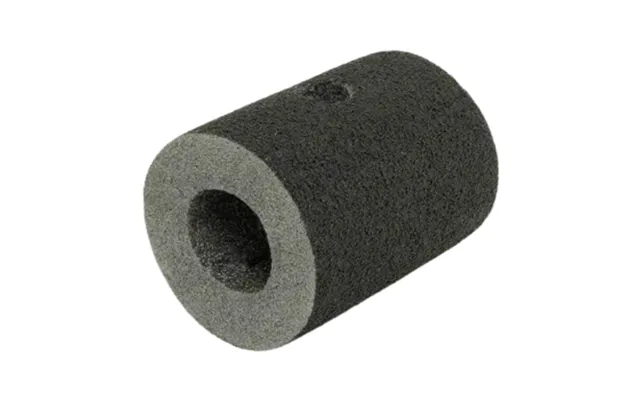
| Primary Pro Pre-made Insulation Jacket For Intatec 28mm Anti Freeze Valve | £ 7,90 | |
| Primary Pro Pre-made Insulation Jacket For Intatec 1 Flat Face Extended Lever Ball Valve | £ 7,90 | |
| Unibond Re-new Silicone Sealant In Applicator Tube White 80ml | £ 12,48 | |
| Monument 4501f Grip R2 Three Stepped Radiator Valve Tool | £ 14,95 | |
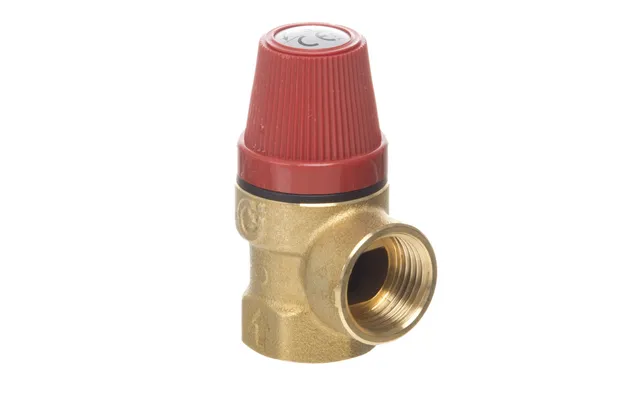
| Altecnic Pressure Relief Valve 1 2 6 Bar | £ 17,66 | |
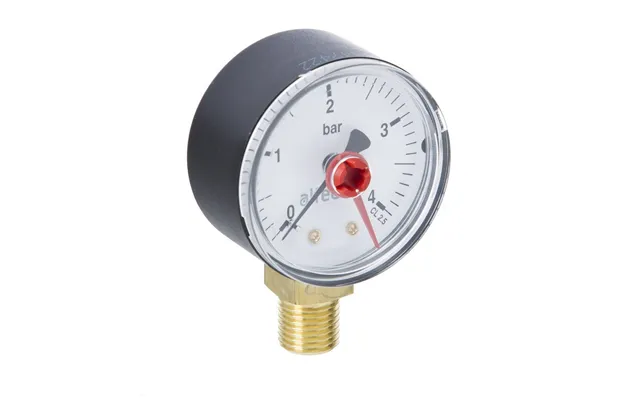
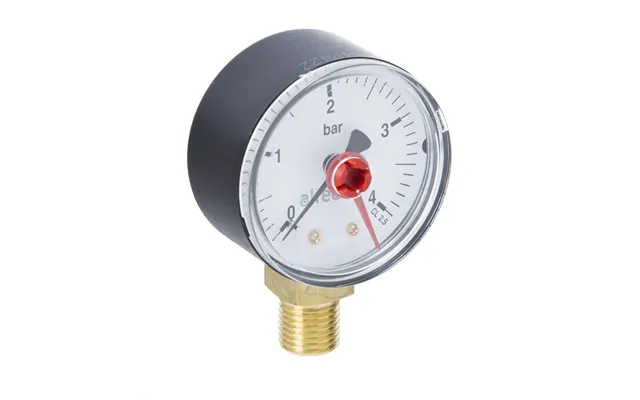
| Altecnic Pressure Gauge Bottom 0-10 Bar 1 4 | £ 19,69 | |
| Unibond Re-new Silicone Sealant In Applicator Tube White 80ml |

| £ 24,96 |
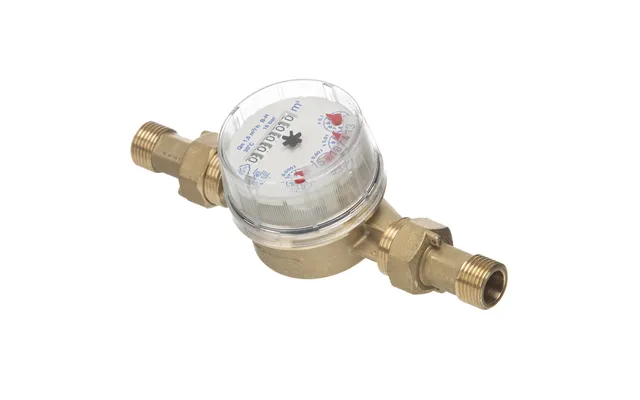
| Altecnic Water Meter Usf13 | £ 72,89 |