All categories
Business & Offices
Electronics & Media
Fashion & Accessories
Groceries & Essentials
Health & Personal Care
Home & Living
Kids & Family
Sports & Outdoors
Search in ZoneOffer
Loading...
Great fish food is more than just a meal—it’s the foundation of bright colors, strong immune systems, and lively behavior. Whether you keep a peaceful community tank or a bustling pond full of koi, the right diet helps fish grow steadily and keeps the water clearer by reducing waste. When you’re browsing popular offers and a fish food price list, it’s tempting to grab the cheapest tub. But here’s the truth: the “best deal” is the one that gives your fish premium nutrition at a fair price per ounce, not just the lowest sticker price.
Think of fish food like you would a balanced pantry. You want a mix that suits the species you keep, the way they feed (top, mid, or bottom), and the size of their mouths. When you match food to fish, you’ll see better coloration, improved fin structure, and far fewer health hiccups. Ready to shop smart and feed smarter? Let’s dive in.
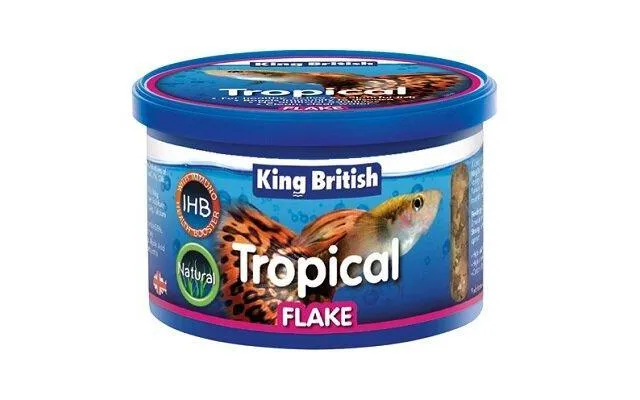
Flakes are a classic for community tanks because they’re easy to portion and crumble for smaller mouths. Pellets, on the other hand, are denser and often pack more nutrition per ounce. Floating pellets are great for top-feeders that gulp at the surface, while slow-sinking or sinking pellets cater to mid-water and bottom dwellers. If you keep fish with different feeding zones, mixing floating and sinking options helps everyone get a bite—think of it like serving a buffet on multiple floors.
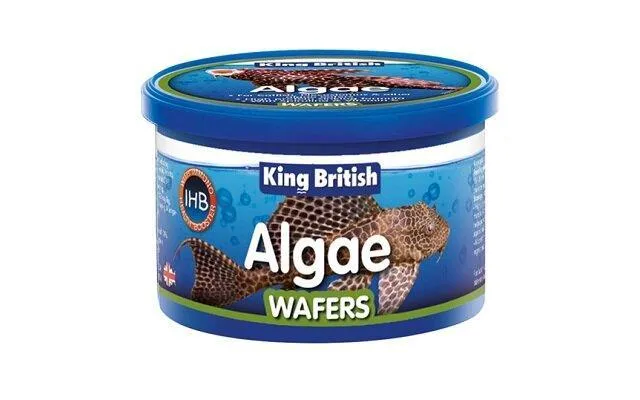
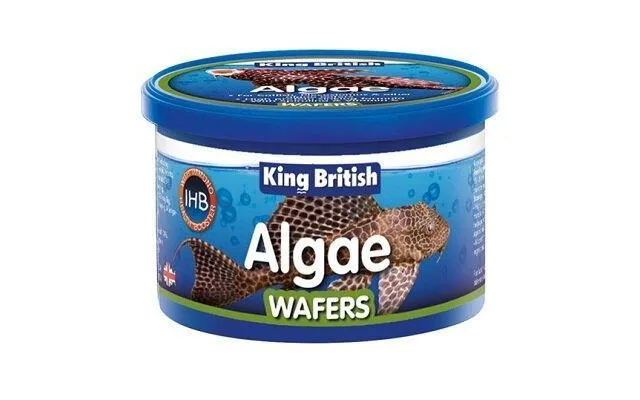
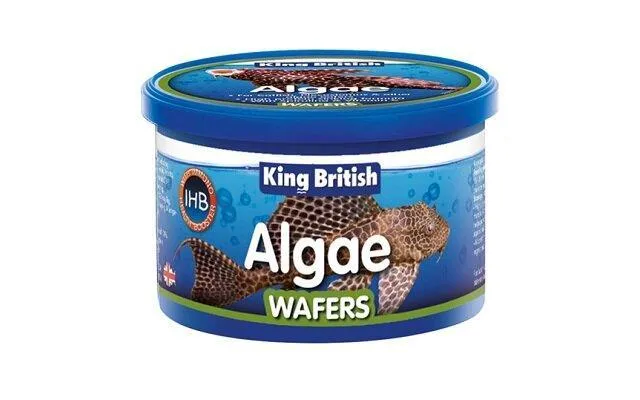
Got plecos, loaches, or Corydoras? Wafers are your friend. Algae wafers and vegetable-based disks sit on the substrate, letting shy bottom-feeders nibble at their own pace. Look for wafers that don’t dissolve too quickly; the best ones hold their shape for several hours, limiting cloudy water. If your pleco is more carnivorous, choose wafers fortified with shrimp or insect meal rather than purely algae-based formulas.
Freeze-dried foods like bloodworms, daphnia, and brine shrimp are tasty treats that add variety and boost protein without the mess of live feeding. Frozen options offer similar benefits with fewer pathogens than live foods and can be portioned easily—just thaw a small chunk and serve. Live foods can entice picky eaters and bring out hunting instincts, but they require careful sourcing for safety. Think of these as nutrient-dense “side dishes” that complement a balanced pellet or flake diet.
Some fish thrive on specialized blends. Spirulina and algae-rich foods support herbivores and omnivores with natural color enhancers and gentle fiber. Insect meal mirrors the wild diet of many freshwater species and is often easier to digest. Shrimp-based pellets boost color and growth for carnivores and omnivores alike. When scanning popular offers, check if a specialized formula aligns with the diet your fish would eat in nature—you’ll see the difference in energy and color.
For tetras, rasboras, livebearers, and gouramis, opt for finely sized flakes or micro-pellets with balanced protein and moderate fat. These fish often feed mid-water, so slow-sinking micro-pellets can reduce surface squabbles and ensure everyone gets a fair share. A weekly treat of freeze-dried daphnia or brine shrimp keeps them active and vibrant.
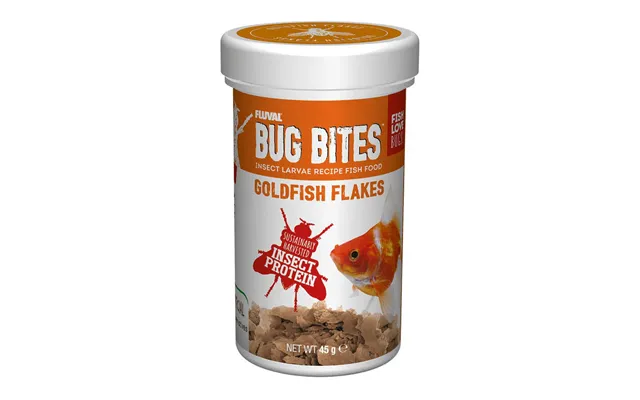
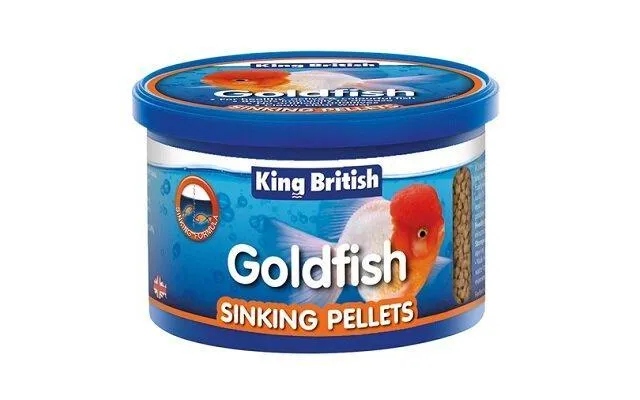
Goldfish benefit from sinking pellets to minimize gulping air at the surface, which can lead to buoyancy issues. Choose a moderate-protein, higher-fiber blend with wheat germ or veggie matter for easy digestion. Fancy varieties—like orandas and ryukins—do best with smaller pellets to prevent gulping and bloating. Skip oversized floating pellets for fancies; they’re like trying to eat a softball in one bite.
Bettas are carnivores at heart. A quality betta pellet with fish or shrimp meal as the first ingredient will deliver the protein they crave. Supplement with freeze-dried bloodworms or brine shrimp a few times a week. Stick to pellets sized for small mouths; anything larger than about 1/8 inch can be a struggle.
Cichlids are diverse eaters. Many African cichlids prefer a veggie-leaning diet with spirulina to support coloration and digestion, while South American species often enjoy a bit more protein. Pellets tailored to cichlid behavior—floating for surface-dwelling peacocks, sinking for bottom-oriented species—will reduce aggression and competition during feeding time.
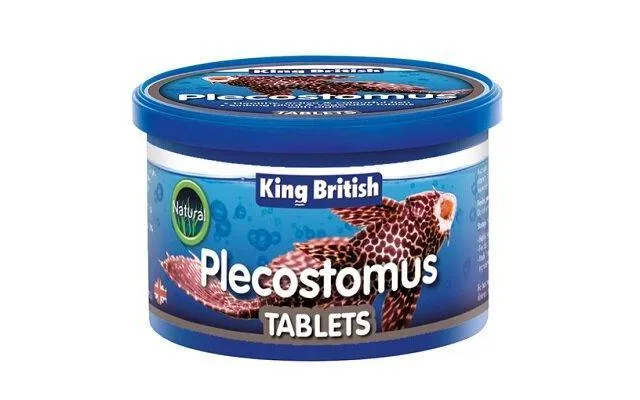
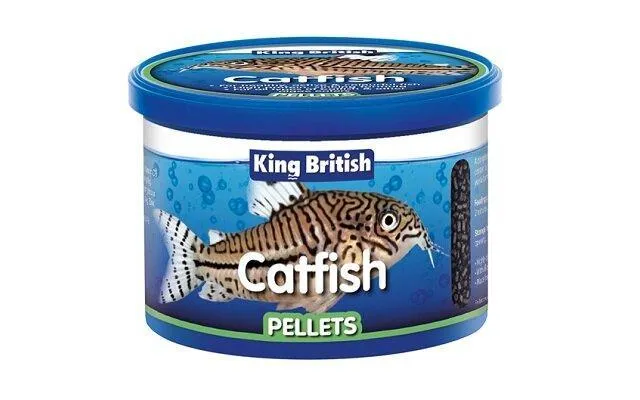
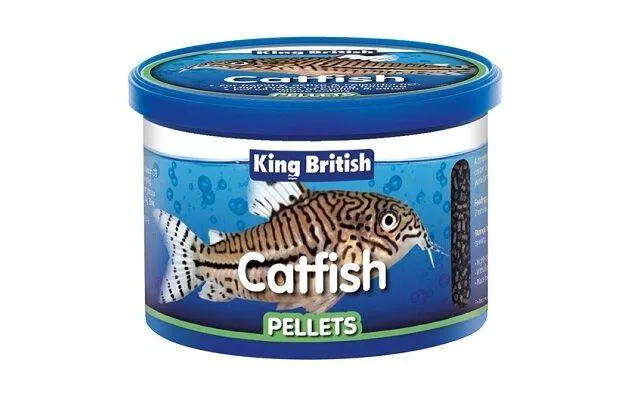
Bottom feeders love sinking pellets and wafers. Look for fiber-rich algae wafers for herbivorous plecos, and protein-boosted sinking pellets for carnivorous catfish. Offer sliced veggies (like blanched zucchini) as a natural add-on, and keep an eye on pellet size—anything over 3/8 inch may be too large for smaller mouths.
For invertebrates, choose mineral-fortified micro-pellets or wafers that include calcium to support strong shells. Shrimp will graze on biofilm, but a dedicated shrimp pellet ensures proper nutrition. Avoid overfeeding; a small pinch can easily feed a colony in a modest 10-gallon tank.
Pond fish benefit from floating pellets in warm months and wheat-germ-based sinking pellets in cooler weather for gentler digestion. Pick pellet sizes appropriate to mouth size—juveniles do well with 1/8 inch pellets, while mature koi can handle 1/4 inch or more. Seasonal formulas help maintain energy in summer and support safe overwintering as temperatures drop.
As a rule of thumb, tropical fish thrive on foods with roughly moderate protein and moderate fat, while carnivorous species may prefer higher protein. Goldfish do well with moderate protein and lower fat and benefit from veggie matter for fiber. Don’t sweat exact percentages—focus on the ingredient list and the quality of the first three to five ingredients.
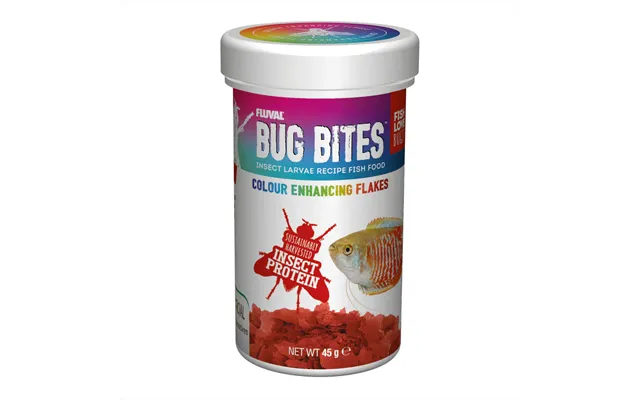
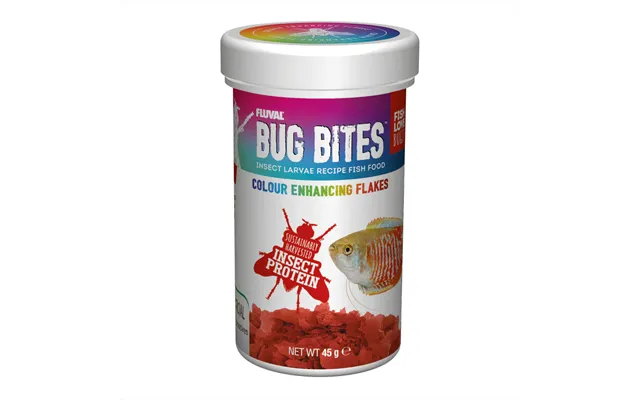
Astaxanthin, spirulina, and krill meal are common and effective color enhancers. They’re not “dyes”—they boost natural pigmentation. Avoid artificial colors and fillers that add bulk without nutrition. If the first ingredient is wheat or corn, you can do better.
Excessive wheat, corn gluten, and unidentified “meals” can reduce digestibility and increase waste. More waste means more frequent filter maintenance and potential algae blooms. Choose foods that list named fish meal, shrimp meal, or insect meal up front. Your fish (and your water clarity) will thank you.
Match pellet size to your fish’s mouth. Micro-pellets under 1/16 inch suit nano species, around 1/8 inch for small to medium fish, and 1/4 inch or larger for big cichlids or koi. Stick-shaped or wafer formats are ideal for grazers and bottom-dwellers that like to rasp rather than bite.
A smart starting point: feed only what your fish consume in about 30 to 60 seconds, once or twice daily. Overfeeding is the fast lane to cloudy water. If you see leftovers sinking untouched, cut back immediately. For bottom feeders, place a wafer or two after lights out so shy fish can dine in peace.
Active community fish and small cichlids do well with two small meals daily. Bettas typically prefer one to two tiny meals. Goldfish and koi benefit from smaller, more frequent feedings in warm weather and reduced feeding in cooler seasons. For fry (baby fish), multiple micro-meals help support rapid growth.
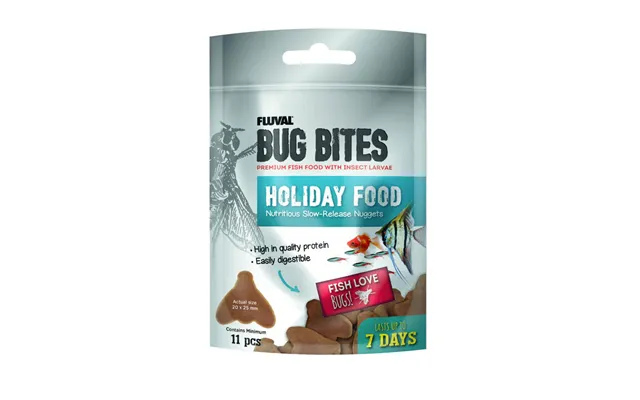
Going away for a long weekend? Most healthy adult fish can comfortably fast for 2 to 3 days. For longer trips, consider an automatic feeder or pre-portioned pellets in labeled containers for a sitter. Vacation blocks exist, but a reliable auto-feeder calibrated to your pellet size is often cleaner and more consistent.
When you’re scanning popular offers or a fish food price list, always compare price per ounce rather than total price. A larger tub can be a bargain—unless it sits too long and loses freshness. Check the ingredient list and packaging size side by side. A slightly higher price per ounce can still be the better value if the nutrition is superior and waste is reduced.
Bulk tubs are tempting, but fish food loses potency over time. If you run a single 20-gallon tank, a massive 5-pound bucket may go stale before you’re halfway through. For big setups or multiple tanks, bulk makes sense. Otherwise, buy smaller containers or split a large tub into airtight, opaque jars to keep it fresh.
Watch for seasonal promotions—spring deals for pond pellets, holiday bundles for community flakes, and multi-buy offers that reduce cost per ounce. A comparison site like ZoneOffer helps you scan what’s trending so you can stock up when the value peaks without impulse-buying the wrong formula.
Light, air, and heat degrade vitamins. Store fish food in a cool, dark cupboard in an airtight container. If you buy a large bag, divide it into smaller sealed jars so you only open what you’ll use within a few weeks. For freeze-dried foods, keep the desiccant pack inside and seal the lid tight after every feeding.
If pellets crumble too easily, smell “flat,” or your fish show less interest, the food might be oxidized. Faded color can also be a clue. When in doubt, replace it—dull, stale food won’t support vibrant coloration or robust immunity. Fresh, fragrant pellets and flakes are always worth it.
Concerned about sustainability? Many modern formulas use insect protein or responsibly sourced fishmeal to reduce pressure on wild fisheries. Spirulina and algae-based blends also lower the footprint and offer excellent digestibility. If sustainability matters to you, scan the label for clear sourcing notes and avoid vague terms like “animal derivatives.”
Resealable pouches and recyclable tubs help minimize waste, especially when you buy often. Single large tubs can be greener than many small ones if you actually use them before they go stale—otherwise, you’re tossing unused food, which defeats the purpose. Strike a balance that fits your tank size and feeding routine.
Cloudy water usually means extra food is decomposing. Feed smaller amounts, siphon out leftovers, and step up water changes until the haze clears. Consider switching to a more digestible formula with better-quality proteins—less filler means less waste.
Some fish turn up their noses at new food. Try soaking pellets in tank water for a minute to soften them, or mix in a few freeze-dried treats to tempt them. Offer the new food first when they’re hungriest, then follow with their old favorite so they associate the change with meal success.
Surface gulping and oversized pellets can cause buoyancy problems, especially in goldfish and bettas. Switch to sinking pellets for goldfish and feed bettas micro-pellets. Pre-soaking pellets can help, but the best fix is correct pellet size, appropriate diet type, and careful portions.
While exact numbers vary, you’ll usually see community flakes and standard pellets priced more competitively per ounce than specialized formulas. Freeze-dried treats tend to cost more per ounce but last a long time since you feed them sparingly. Wafers and species-specific pellets sit in the middle—more than basic flakes, less than premium treats. The sweet spot is often a high-quality staple pellet paired with an affordable treat you use once or twice a week.
Popular offers commonly spotlight best-selling staples: community micro-pellets, algae wafers, cichlid pellets, betta pellets, and pond pellets for koi. Multi-buy bundles (like a staple plus a treat) are frequent, and seasonal pond promotions appear as temperatures rise. Shop by your fish’s needs first, then cherry-pick the deal that fits—don’t let a flashy offer talk you into an ill-suited formula.
• Species-first selection: Choose a food designed for the fish you keep—community, goldfish, betta, cichlid, bottom-feeder, shrimp, or koi.
• Ingredient quality: Look for named proteins (fish, shrimp, insect meal) at the top of the list, with spirulina or algae for herbivores.
• Pellet size: Match mouth size—micro for tiny fish, 1/8 inch for small to medium, 1/4 inch for larger species.
• Feeding zone: Floating for top feeders, slow-sinking for mid-water, wafers and sinking pellets for bottom dwellers.
• Storage plan: Buy what you’ll use within a few months, store in airtight containers away from light and heat.
• Value vs. volume: Compare price per ounce, not just total price, and weigh bulk savings against freshness.
• Variety: Keep a staple food plus one or two treats for enrichment and color pop.
Feeding fish well doesn’t have to be complicated or expensive. The best approach blends smart comparison shopping with nutrition know-how: pick a high-quality staple that matches your species, size the pellets correctly, and add treats for variety. By focusing on ingredient quality, portion control, and freshness, you’ll stretch your budget and see brighter colors, cleaner water, and healthier, happier fish. Use a trusted comparison site to scan popular offers and a fish food price list at a glance, then stock up on the options that truly fit your tank or pond. Your fish will show their appreciation with energy, growth, and that unmistakable sparkle when it’s feeding time.
| Fish Food | Price | |
|---|---|---|
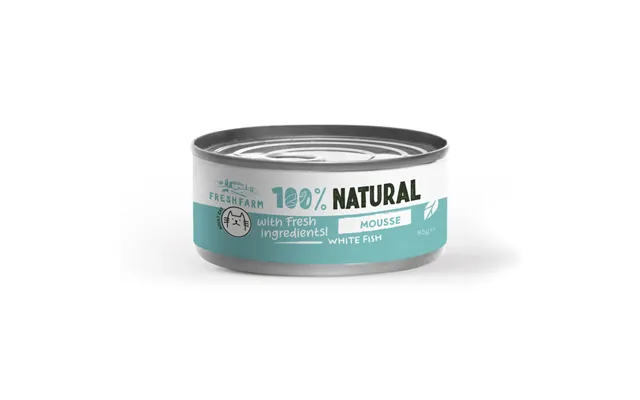
| Fresh Farm Mousse - Fish | £ 1,10 | |
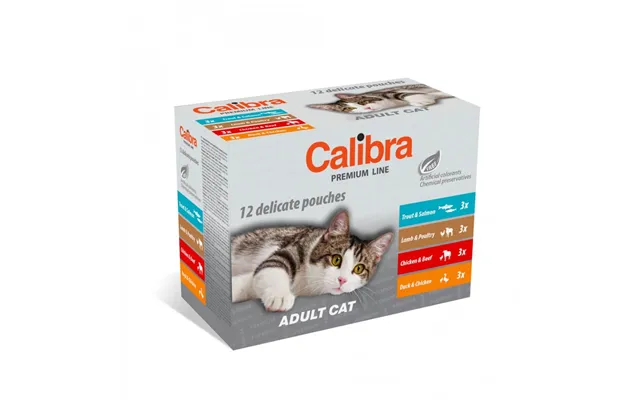
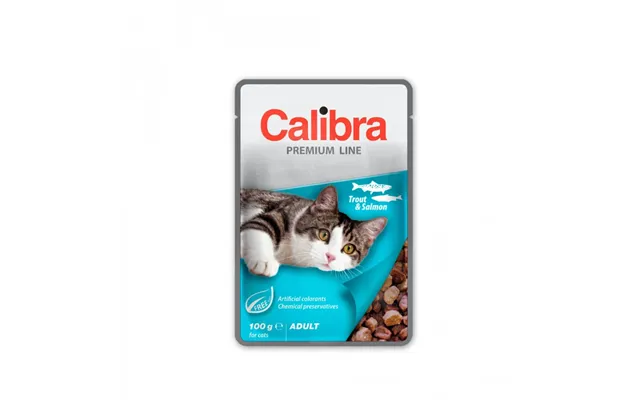
| Calibra Premium Line - Trout And Salmon | £ 1,30 | |
| Calibra Premium Line - Trout And Salmon | £ 11,70 | |
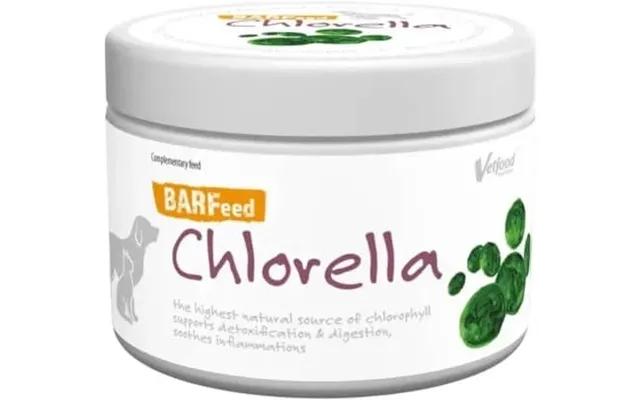
| Vetfood Barfeed Chlorella 200 G | £ 26,40 | |
| Feldy Golden Food Balls - 150 Box | £ 33,68 | |
| Paddock Farm Fish Cubes - 1kg | £ 35,40 | |
| Bettalife Pharmatrac Total Digestive Support - 1kg | £ 41,25 |