


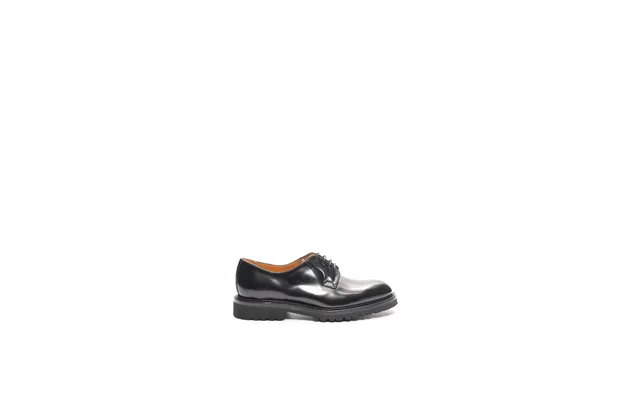

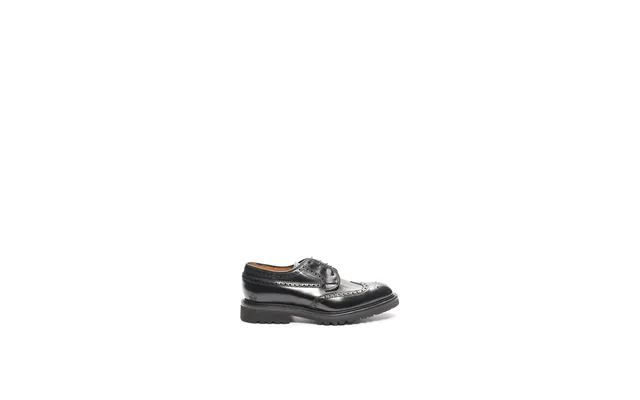
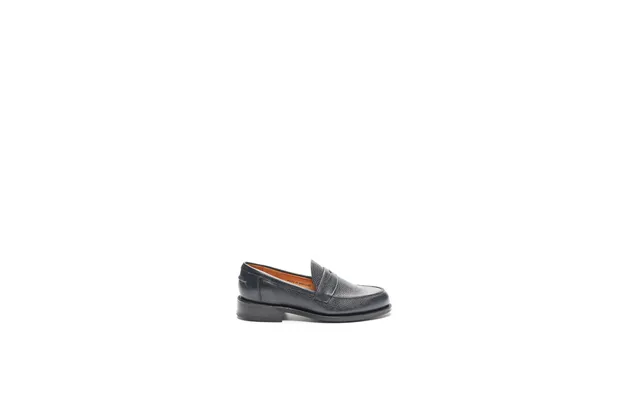

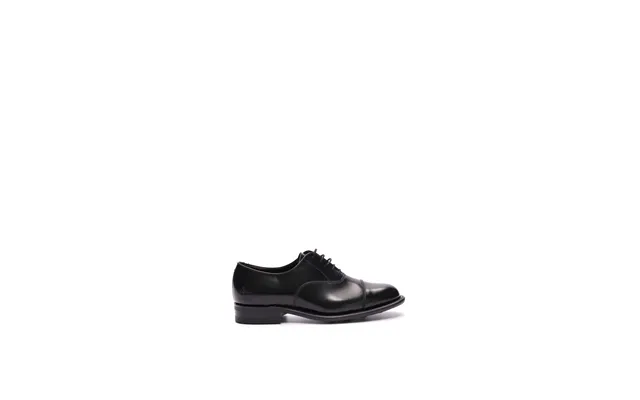
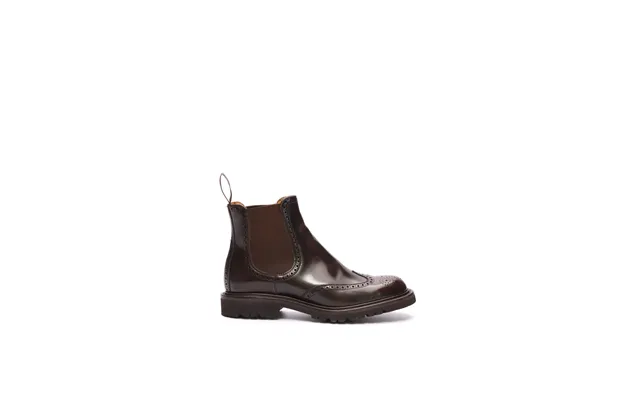
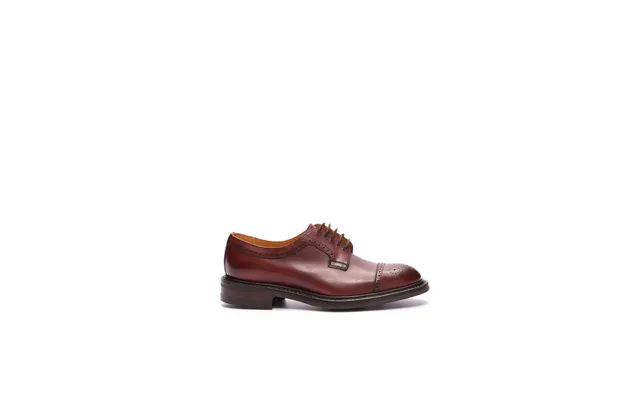

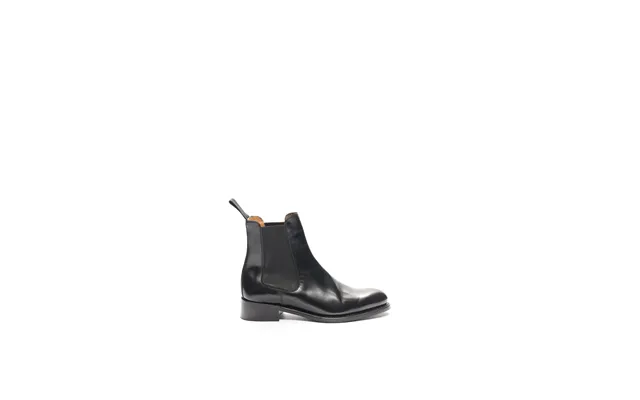
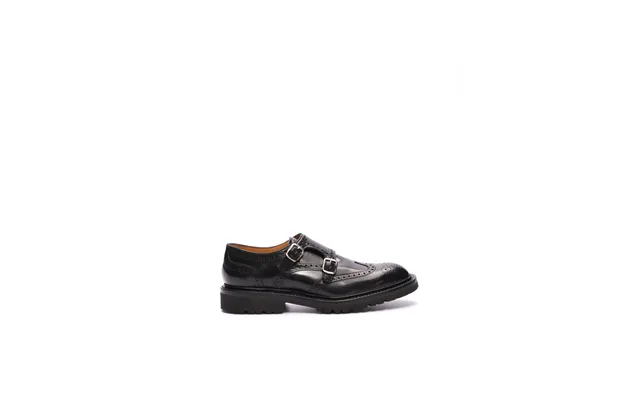
Macian price list
Last updated Monday, 28 Sept 2026
| Macian | Price |
|---|---|
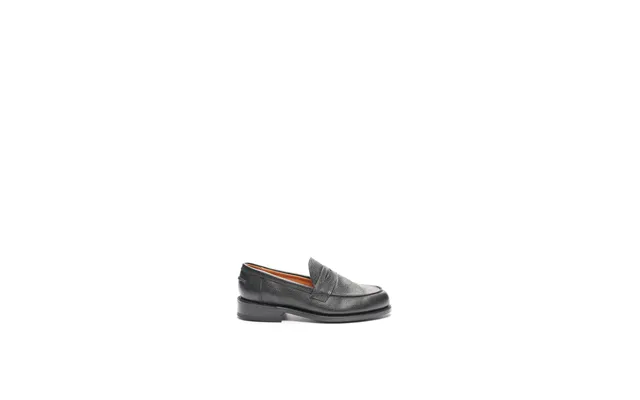
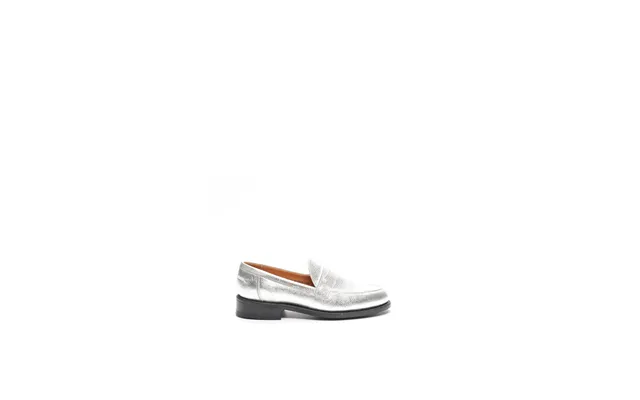
| Guinevere Brogue Derby Shoes | £695.00 |
| Alice Ankle Boots | £750.00 |






| Store | Status | today | distance |
|---|
Loading...
Loading...
Last updated Monday, 28 Sept 2026
| Macian | Price |
|---|---|
| Guinevere Brogue Derby Shoes | £695.00 |
| Alice Ankle Boots | £750.00 |
Macian began as a small idea and a bigger question: could a local shop blend everyday practicality with something a little unexpected? The answer, for the founders, was yes. Launched in the early 2000s by a pair of friends with retail and design backgrounds, Macian started as a single high-street shop in a mid-sized UK town. They focused on quality basics, seasonal pieces and a tight edit of homeware. The store’s first years were about testing, listening and refining — not about chasing flashy growth. That steady approach built trust. Customers returned because Macian felt reliable, friendly and just a little clever.
Growth at Macian didn’t explode overnight. Instead it moved in waves: a successful local campaign here; a well-reviewed product there. Within five years the business expanded into a handful of stores across the region. They launched an online shop to meet customers where they were — at home, at work, on the move. Later, Macian introduced capsule collections designed with independent makers and a loyalty program that rewarded frequent shoppers. Each milestone was chosen to strengthen the customer relationship, not merely to boost metrics.
Macian’s product strategy has been clear from the start. It’s about curated choices rather than long aisles of options. The team focuses on wardrobe staples with thoughtful details: a coat with a warmer lining, a jumper that keeps its shape, a kettle that actually lasts. Homeware follows the same logic. The aim is practicality wrapped in personality. That simplicity appeals to shoppers who want fewer, better things — a trend that’s only gained momentum over the years.
What sets Macian apart is its tone. The stores are warm, approachable and slightly playful. Staff are trained to help rather than sell, and many branches host small events — coffee mornings, craft demos or styling sessions. The brand leans on local partnerships and seasonal storytelling. This builds a sense of belonging. Customers don’t just buy a product; they buy a small experience that feels personal. In an age of mass retail, that intimacy becomes rare and valuable.
Visuals matter to Macian. Shelves aren’t cluttered. Displays tell a story. Color palettes and materials shift with the seasons in ways that feel natural rather than forced. The design language is clean but warm — wood, soft lighting, handwritten signs. That makes the store a calm place to browse. It’s a contrast to big-box environments where choices overwhelm and decisions drag on.
Launching an e-commerce site changed how Macian connected with customers. The shop became a showroom and the website became a living catalogue. Early on, the online experience mirrored the physical one: clear photography, concise product copy and easy navigation. Macian added customer reviews, size guides and helpful videos to reduce friction. Over time, they invested in mobile optimization and flexible delivery options — click-and-collect, next-day delivery and local courier services. The digital shift didn’t replace the stores. Instead, it extended Macian’s voice into homes across the UK.
Macian never chased viral fame. Their marketing is local-first and relationship-driven. Social channels show behind-the-scenes snippets, staff picks and customer stories. Email newsletters are short, useful and rarely pushy. The brand invests in community outreach, sponsoring local events and collaborating with makers. That strategy keeps the message authentic. People notice when a brand cares about its neighborhood, and Macian has used that to good effect.
On the UK high street, Macian sits between independent boutiques and national chains. It shares space with giants like John Lewis, Marks & Spencer and Next, but it plays a different game. Where the big stores offer scale, broad assortments and heavy promotions, Macian focuses on curation and service. The result? A shopping experience that feels calmer and more tailored. Customers who want variety and low prices will still head to national chains. But those who want considered purchases and local connection often prefer Macian’s approach.
Large retailers can stock thousands of SKUs across categories — fashion, electronics, home, beauty. Macian keeps a tighter range. That means less choice, but more thought behind each item. Quality control tends to be better because the team knows each product intimately. For shoppers fed up with endless scrolling, Macian’s limited-but-loved selection is a relief. It also means fewer markdowns and less waste — a small nod toward sustainability.
Fast-fashion names such as Zara, H&M and Primark operate on speed and trend volume. They push new styles quickly and rely on frequent buys. Macian takes a different path. It’s not trying to catch every trend. Instead, it emphasizes timeless pieces and seasonal accents. That reduces the pressure to constantly shop and helps customers build a wardrobe with real staying power. For shoppers concerned about environmental impact and garment lifespan, Macian is a friendlier alternative.
Macian isn’t the cheapest option on the street, nor is it luxury-priced. Its pricing sits in the mid-range — reasonable for the quality and service offered. The brand sells value more than discount. Customers often find that a slightly higher upfront cost pays off over time because pieces last longer and fit better. That message resonates with people who have tired of replacing cheap items every season.
Independent boutiques share Macian’s values: curation, story and locality. In many ways, Macian acts like a slightly larger indie — professionalized, efficient, but still personal. The difference is scale. Macian has the infrastructure to offer stable delivery, consistent stock and straightforward returns, while small independents sometimes struggle with logistics. Yet the emotional connection is similar. If you love discovering unique finds and supporting local businesses, Macian scratches that itch with the convenience of a more stable operation.
Macian collaborates with local designers and artisans, which helps it stand out from bigger players. These partnerships create limited editions and exclusive items you won’t find in mass-market stores. Community-focused events and pop-ups help cement relationships. This kind of local investment fosters loyalty. People don’t just buy; they feel part of something.
Online-only retailers like ASOS or Boohoo are fast and broad but can feel impersonal. Macian’s omnichannel model combines digital reach with physical experience. Customers can try in-store and buy online or vice versa. That flexibility matters. It reduces return friction and gives shoppers confidence. While online specialists may win on price and selection, Macian competes on trust and convenience.
Big online platforms often have rigid return windows and automated processes. Macian keeps returns simple and human. Staff handle issues directly, and local stores accept returns even when orders were placed online. That human touch saves time and reduces hassle. It’s a subtle advantage that builds repeat business.
Like any retailer, Macian faces challenges. Rising rents, supply-chain disruptions and changing consumer habits put pressure on margins. The shift toward sustainability demands a new level of transparency and investment. But these challenges also create chances. Macian can deepen its local ties, scale ethical sourcing and sharpen its online experience. Small steps — clearer product storytelling, improved repair services, and circular initiatives for unsold stock — could strengthen the brand’s position further.
Investing in simple tech can pay big dividends. Personalized recommendations, better inventory syncing between online and stores, and a smoother checkout will keep customers coming back. Macian has room to use data without losing personality. The goal should be to be helpful, not intrusive. Done right, tech will amplify the human qualities that make Macian appealing.
People visit Macian because it feels honest. The store offers useful things, explained well. Staff remember faces, not loyalty numbers. The environment encourages browsing without pressure. That combination — product, people and place — builds loyalty. In a crowded market, authenticity matters more than ever. Macian’s steady, human approach helps it keep customers who value experience over impulse.
Picture Macian as a well-tended garden among large commercial farms. The farm feeds many with scale; the garden offers carefully grown produce that tastes different. Both have value. For those who want something that feels handcrafted at scale, Macian hits the sweet spot.
As the retail landscape keeps shifting, Macian’s charm remains rooted in decisions people recognize: favor the practical, value the durable and shop where you feel seen. That’s a simple recipe, but it’s powerful. It’s why small brands with clear purpose continue to find fans even as the giants dominate the headlines.
Macian’s path is not the fastest, but it’s steady. It grows by relationships, not just transactions. And in a world of fast choices, that steady path is a relief. Whether you’re hunting a dependable jumper, a thoughtful gift or a small moment of neighborhood warmth, Macian aims to be a place you return to — again and again.