All categories
Business & Offices
Electronics & Media
Fashion & Accessories
Groceries & Essentials
Health & Personal Care
Home & Living
Kids & Family
Sports & Outdoors
Search in ZoneOffer

Loading...
Love vinyl but feel like your setup isn’t quite singing yet? The right turntable accessories are where the magic happens. From a fresh cartridge that reveals new detail to a mat that quiets rumble, these small tweaks can elevate your entire listening experience. The best part? You don’t need to overhaul your deck. Targeted upgrades let you squeeze serious performance from the gear you already own, often for far less than a brand-new turntable.
Shopping around the UK, you’ll find a wide spread of prices and features. That’s why comparing offers across multiple retailers before you buy is smart. A dedicated comparison site like ZoneOffer makes it easier to spot deals, check availability, and weigh options side by side—so you focus on sound, not guesswork. Ready to get more from every spin? Let’s dive into the accessories that actually move the needle.
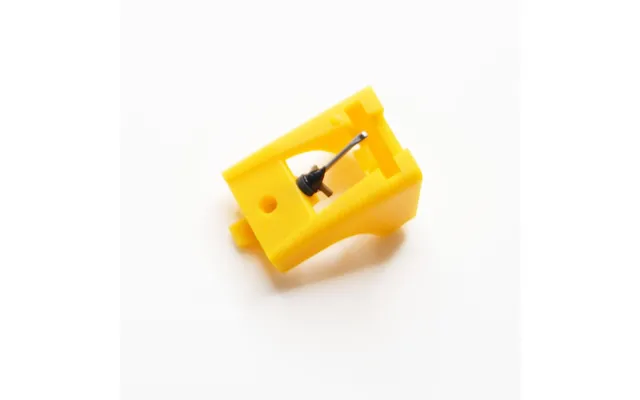
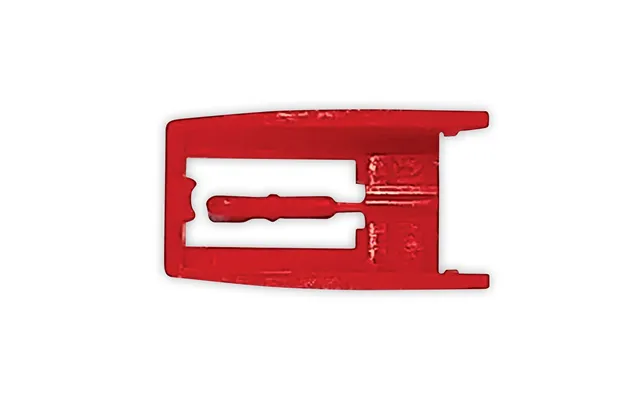
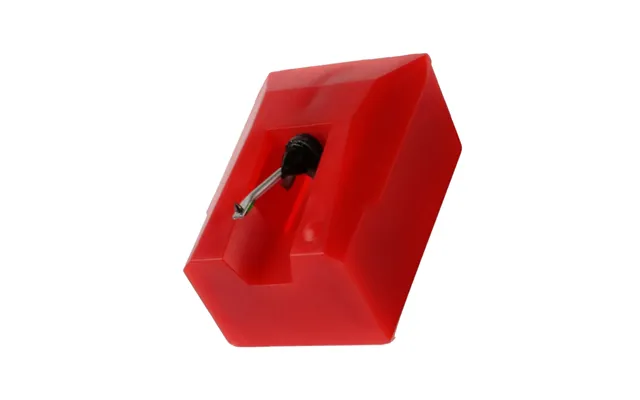
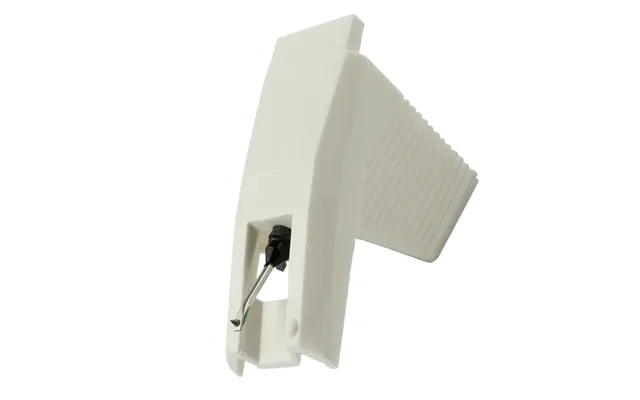
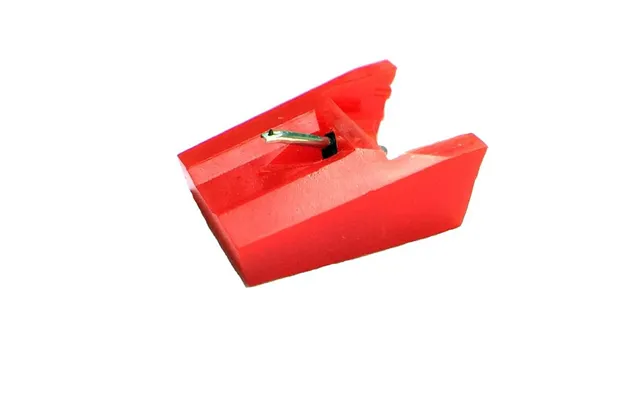
If your turntable is the stage, the cartridge is the lead singer. It shapes tone, detail, and dynamics in a big way. Upgrading to a higher-quality moving magnet cartridge can open up the top end, tighten bass, and reduce surface noise. A new stylus alone—especially if yours has seen many hours—can restore clarity and protect your records. Think of it like new tires on a classic car: the ride becomes safer, smoother, and way more fun.
Not sure where to start? Match your cartridge to your tonearm and phono preamp. Many plug-and-play decks use moving magnet designs, which pair easily with most built-in phono stages. If you’re chasing every last drop of detail later on, a moving coil setup can be a future path. For now, a fresh stylus and careful setup often deliver the biggest bang per pound.
Mats seem simple, but they’re crucial for damping vibrations and managing static. Felt mats are lightweight and affordable, but can hold static. Rubber mats add grip and isolation. Cork and leather aim for a quiet background with a touch of warmth. Swapping a mat is one of the easiest plug-in upgrades you can make. Hear pops or a soft thump between tracks? A mat change might be the fix you’ve been waiting for.
Here’s a quick tip: if your records stick to your mat when you lift them, static is the culprit. A different material—or an anti-static treatment—can make your listening sessions smoother and quieter.
Dust and dirt are like sandpaper on your stylus and music’s worst enemy. A basic cleaning kit with a gentle solution and microfiber cloth pays for itself fast. If your collection has plenty of secondhand gems, consider a manual bath-style cleaner or a vacuum unit for deeper cleans. Want a top-tier solution? Ultrasonic tanks can transform noisy discs into near-silent soundscapes, revealing detail you didn’t know was there.
Clean records don’t just sound better; they last longer. So does your stylus. Fewer clicks, less wear, more music. It’s the simplest upgrade that keeps on giving.
A quick swipe with a carbon-fiber brush before each play lifts surface dust and reduces static in seconds. Pair that with quality inner sleeves—anti-static and scratch-free—and you’ll keep the grooves pristine between spins. If you’ve ever heard a tiny crackle from a brand-new record, it’s often static. Tackle that daily, and your system will reward you with a darker background and sweeter highs.
Don’t overlook outer sleeves, either. They protect jackets from scuffs and shelf wear, especially if you pull records often. Clean grooves plus clean jackets? That’s a collection you’ll be proud to show off.
Cartridge alignment sounds intimidating, but it’s totally manageable. A good alignment protractor helps you set the angle so the stylus tracks grooves accurately across the entire side. Bad alignment can mean distortion on the inner tracks and uneven record wear. Good alignment means crisp vocals, clean cymbals, and a soundstage that snaps into place.
You don’t need to be an engineer to do it. Take your time, follow the marks, and double-check with bright light. The result? Music that sounds focused and alive, top to bottom.
Tracking force doesn’t need to be guessed. A stylus force gauge shows exactly how hard the stylus rides the groove, usually within a few hundredths of an ounce. Too light, and the needle can skate and mistrack. Too heavy, and you’ll wear records faster than you’d like. Set it right, and the sound becomes stable and confident, with less sibilance and fewer pops.
Many turntables include a counterweight scale, but a dedicated gauge adds peace of mind. It’s a small tool that guards your records, your stylus, and your enjoyment.
Azimuth is the side-to-side angle of the stylus, and VTA is the arm height relative to record thickness. Not every deck lets you adjust both, but if yours does, fine-tuning can be transformative. Set azimuth so both channels match tonally; set VTA so the sound is balanced and natural. The goal isn’t chasing perfection—just finding the spot where your system breathes.
A little patience here pays off with smoother highs and tighter imaging. It’s like focusing a camera lens: once sharp, everything gets clearer.
Vibration is the silent thief of detail. Footfalls, speakers, even the motor can send energy back into your cartridge. Isolation feet, pads, or platforms help break that chain. If your floor is springy, or your speakers share a surface with your turntable, isolation becomes even more important. The change? You’ll hear tighter bass, steadier pitch, and a more stable stereo image.
Not sure if you need it? Tap your shelf lightly while a record plays. If you hear the thump through the speakers, isolation should be on your shortlist.
A weight or clamp couples the record to the platter. The result can be better contact, fewer micro-vibrations, and improved tracking. If you’ve got slightly warped discs, a clamp can help flatten them during play for steadier sound. Weights are simple drop-on solutions; clamps twist or lever into place. Both aim for the same result: a calmer, cleaner playback window for your stylus.
Check your turntable’s bearing recommendations before choosing a heavy weight. If in doubt, a lightweight clamp can offer many of the same benefits without extra load.
If your turntable runs a hair slow, wavers on piano notes, or struggles to switch speeds, a fresh belt may be the cure. Belts age and stretch over time. Replacing one is quick and affordable, yet it can restore pace, rhythm, and that toe-tapping timing you crave. Keep a spare on hand if you spin often. It’s a small cost for consistent pitch and reliable performance.
When shopping, ensure the belt is designed for your model and platter diameter. The right fit prevents slippage and keeps the motor happy.
A well-lubricated bearing reduces friction and noise. If your deck allows owner maintenance, a few drops of the correct oil at recommended intervals can extend longevity and lower rumble. Motor pulleys and idlers benefit from occasional cleaning, too. It’s about letting your turntable work with ease rather than fighting grime and dryness.
Listen closely between tracks. If you hear a faint mechanical whisper or feel heat where you shouldn’t, maintenance may be overdue. Tending to these basics keeps your deck running like a quiet, well-tuned engine.
Your cartridge’s output needs a phono preamp to correct EQ and boost the signal to line level. Many integrated amps and powered speakers now include a phono stage, often geared for moving magnet cartridges. If you want more refinement, an external preamp can add clarity, depth, and punch. The upgrade can be dramatic—like cleaning a window you didn’t realize was dirty.
When comparing in the UK, check inputs, gain options, and loading switches. If you plan to try a moving coil design down the road, make sure your preamp is ready for it. Future-proofing now avoids repurchasing later.
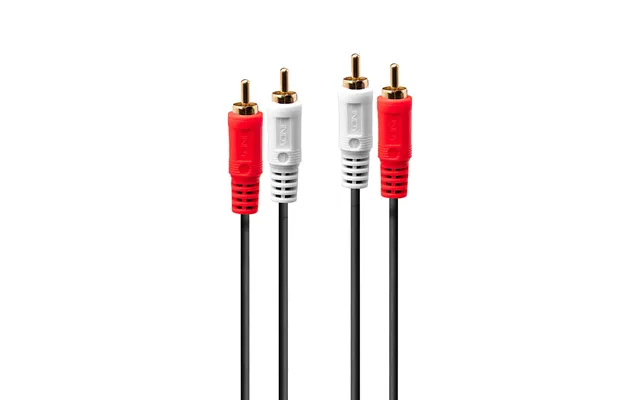
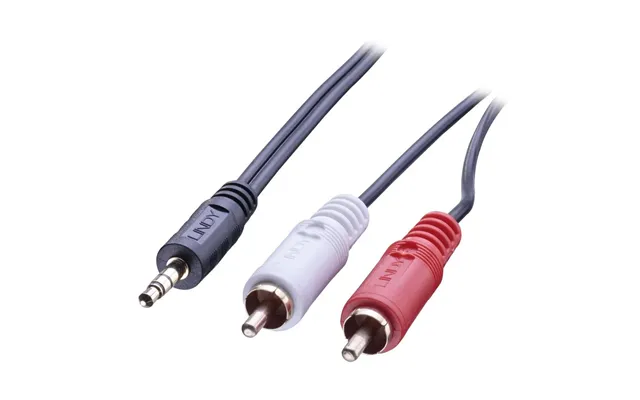
That low buzz in the background? It might be a grounding issue. A proper ground wire between your turntable and phono stage usually solves it. Quality interconnects help too—not fancy for the sake of it, just well-shielded and reliable connections. Keep power cables away from signal cables to prevent interference. Neat cable routing is the free upgrade most people overlook.
Once hum is gone, you’ll notice what replaces it: silence. And in that silence, details bloom—room reverb, breath on a mic, fingers on strings. That’s the good stuff.
Want to spin records in the living room and listen in the kitchen? Bluetooth transmitters can beam your vinyl to speakers or headphones around the house. For archiving, a quality analog-to-digital interface lets you digitize rare albums, needle-drops, and live radio cuts. Keep a consistent level and tag files carefully, and your digital library will feel like a faithful twin of your shelves.
No, digital won’t replace the ritual of the platter. But it is a smart backup—and a nice way to enjoy your favorite pressings on the go.
Dust is relentless. A snug dust cover keeps debris off your platter and tonearm, and it saves you time before every session. If your cover rattles when down, try playing with it open, or add tiny bumpers to damp movement. Hinges getting loose? Replacements are easy to find and install, keeping everything tidy and protected.
In the long term, preventing dust from settling is easier than cleaning it away. That means better sound today and fewer headaches tomorrow.
Anti-static inner sleeves reduce scuffs and cut down on pops caused by dust. Outer sleeves shield jackets from shelf rash and fingerprints. If you collect valuable pressings or picture sleeves, high-clarity outers preserve colors and corners beautifully. It’s like giving each album its own protective jacket—because that’s exactly what you’re doing.
Replace torn or paper-shedding inners as you discover them. Every swap you make is a small step toward a quieter, longer-lived collection.
Stacked records can warp over time, so store them vertically with even support. Sturdy shelving, snug dividers, and soft edges protect spines and keep your set organized. Flip bins look great and make browsing easier, while mobile carts keep favorite albums within arm’s reach. Keep your collection away from direct sunlight and heat sources, and you’ll avoid common damage that sneaks up over seasons.
Want to elevate the vibe? Label sections by genre or decade. You’ll cut search time and rediscover albums you haven’t spun in ages.
Specs can be a maze. Focus on what affects sound and usability: stylus profile, compliance compatibility, gain options on phono stages, noise floor, and build quality. Materials matter too—platter composition, mat type, and bearing design all leave fingerprints on your sound. Reviews help, but your room and your ears are the final judge.
Comparing offers across UK retailers is the best way to balance features with budget. With a comparison platform like ZoneOffer, you can filter by category, price, and availability, then jump to the retailer that fits your needs. Simple, transparent, and quick—just how shopping should feel.
Working with a limited budget? Start with the stylus, alignment, and cleaning kit. Those three often unlock the biggest improvements right away. Next, consider a mat and isolation solution. After that, a dedicated phono preamp can be a revelation.
If you’re planning a premium path, think in systems. A cartridge that suits your tonearm, a preamp that suits your cartridge, and a quiet platform that suits your room. Synergy beats specs on a page every time.
First, ensure everything you own is working at its best—clean records, correct tracking force, proper alignment. Then upgrade in steps. Stylus or cartridge when detail feels dull. Mat or isolation when you hear rumble or footfall sensitivity. Phono preamp when you crave more depth and dynamics. Weight or clamp if records are wavy. Belt if pitch wobbles. Storage and sleeves at any time—you’ll never regret protecting your investment.
Each step builds on the last. You’ll hear progress, learn your preferences, and spend wisely instead of blindly.
Level your turntable. Set tracking force with a gauge. Align the cartridge carefully with a protractor. Confirm anti-skate so the stylus sits centered in the groove. Place the deck on a stable surface away from speakers, and route cables cleanly. A few practical moves set the stage for everything else. Don’t rush. The payoff is a system that sounds composed and confident from the first needle drop.
After setup, cue your favorite, well-recorded album. If you find yourself smiling halfway through the first track, you’re there.
Brush records before every play. Wipe the stylus gently with the recommended cleaner. Check the belt for wear and the platter for dust. Revisit alignment and force if you’ve changed cartridges or moved the deck. A little routine care keeps issues small and enjoyment high. Consider it the vinyl version of watering plants—simple, quick, and totally worth it.
Set reminders if it helps. Your future self will thank you when every record sounds as sweet as the last.
Hear a low hum? Confirm the ground wire and tidy your cable paths. Pops and crackles? Clean the record and reduce static with an anti-static brush and sleeves. Sibilance on vocals? Recheck alignment and tracking force. Footfall thumps? Improve isolation or move the deck to a sturdier surface. Most problems have simple causes—and simple cures—once you know where to look.
When in doubt, change one thing at a time and listen. Small improvements stack up quickly.
Detachable headshells make cartridge swapping a breeze. If you enjoy different flavors for rock, jazz, or classical, a spare headshell keeps setups ready to go. Spacers and shims help you dial in tonearm height and cartridge fit without drastic changes elsewhere. It’s about making your deck adaptable to your tastes and your collection.
If you’re curious, try an alternate cartridge on a second headshell. You might be surprised how a different stylus profile changes your favorite records.
Those 7-inch singles deserve love too. A solid, well-fitting 45 adapter centers the disc and ensures stable rotation. If the adapter slips or rattles, you’ll hear it. Pick one that fits snugly and sits flush so the record holds steady. It’s a small accessory that unlocks a whole world of punchy, upbeat listening sessions.
Rediscover the energy of singles, and you may find yourself building a whole new shelf of favorites.
Swap cartridges or travel with your deck? A snug stylus guard prevents accidental bumps from turning into heartbreak. Small storage cases for extra styli, screws, and alignment tools keep everything organized and protected. It’s the vinyl equivalent of a tidy toolbox—less hunting, more doing.
When the mood strikes to tinker, you’ll be ready—and your gear will thank you.
Prices, bundles, and stock shift constantly. Instead of hopping between tabs for hours, use a comparison platform like ZoneOffer to scan offers from multiple UK retailers in one view. You’ll spot genuine discounts, avoid inflated shipping at checkout, and quickly find the exact variant you need—be it a specific stylus, belt, or preamp feature set.
Once you’ve narrowed the field, read product pages carefully, check compatibility notes, and skim user feedback. That extra five minutes can save you days of returns and swaps later on.
Some retailers bundle cleaning kits, mats, or cables with cartridges and preamps. If those extras are on your list anyway, a bundle can be a smart buy. Seasonal sales are also prime time for record cleaning machines and higher-end phono stages. Keep a running wish list and pounce when prices dip.
Remember, the goal isn’t the cheapest price—it’s the best value for your setup. The right accessory at a fair price beats a bargain that doesn’t fit.
Great vinyl systems are built, not bought in one swoop. Start with cleanliness and setup—those are your foundations. Then add the pieces that solve problems you actually hear: a mat for noise, isolation for thumps, a preamp for depth, a new stylus for clarity. Each upgrade should have a reason and a result.
Most importantly, enjoy the journey. Half the fun of vinyl is learning your system’s personality and shaping it to your taste. When you sit back and a favorite record feels new again, you’ll know you’re on the right path.
Turntable accessories aren’t just add-ons—they’re the toolkit for unlocking your vinyl’s full potential. Whether you’re refreshing a stylus, finally taming that background hum, or stepping up to a dedicated phono preamp, each change can bring real, repeatable gains. In the UK, where options abound, comparing offers side by side helps you spend wisely and upgrade with confidence. Start with the essentials, fine-tune with intention, and protect your collection along the way. The result is simple: more music, more often, with better sound than you thought possible.
| Turntable Accessories | Price | |
|---|---|---|
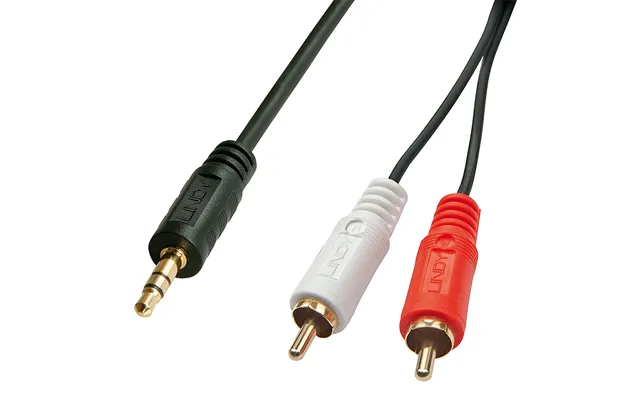
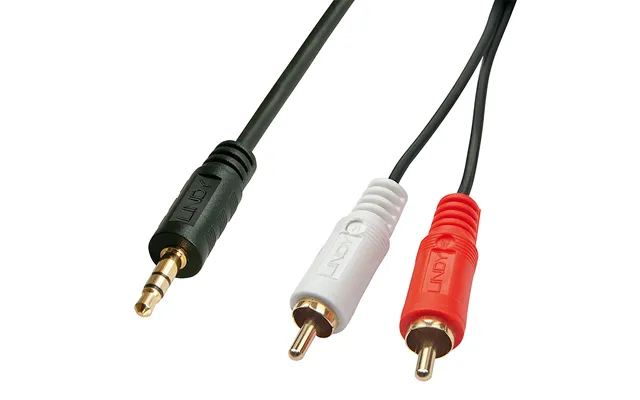
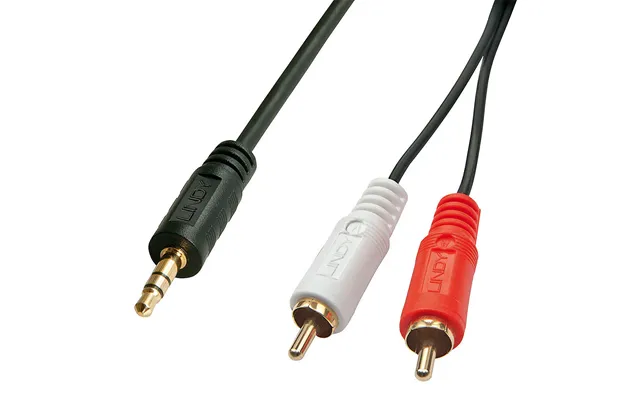
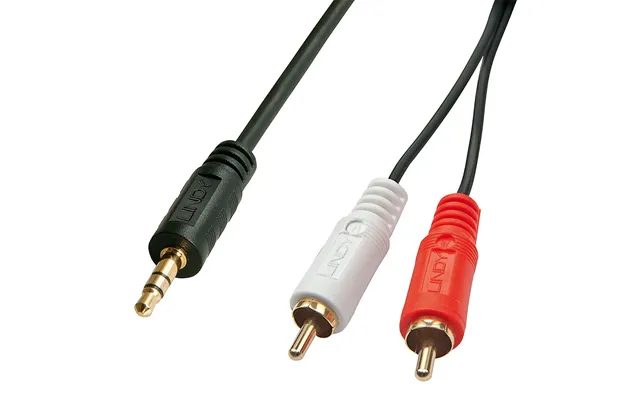
| Lindy 2m Premium Phono To 3.5mm Cable | £ 9,01 | |
| Lindy 3m Premium Phono To 3.5mm Cable | £ 9,42 | |
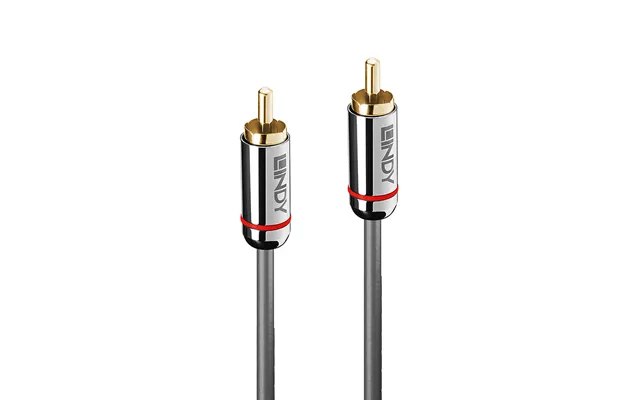
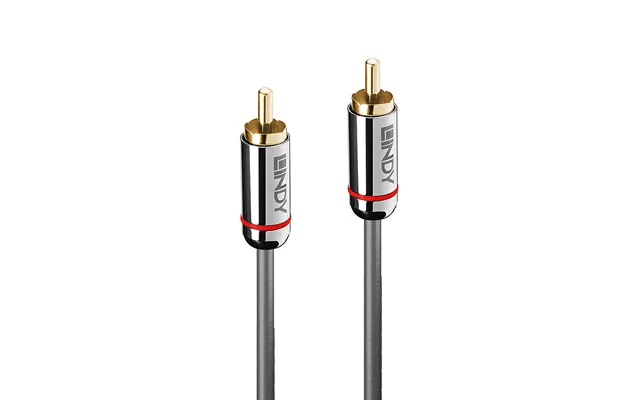
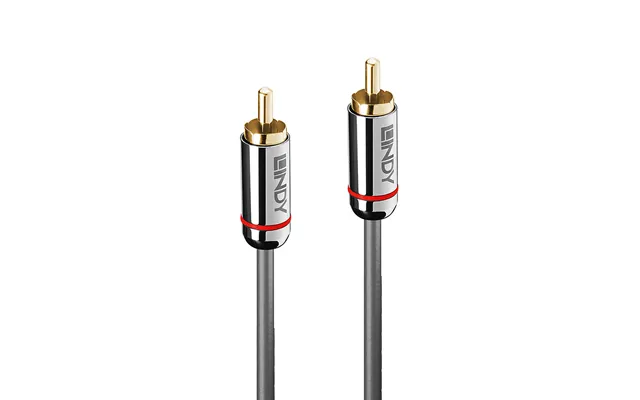
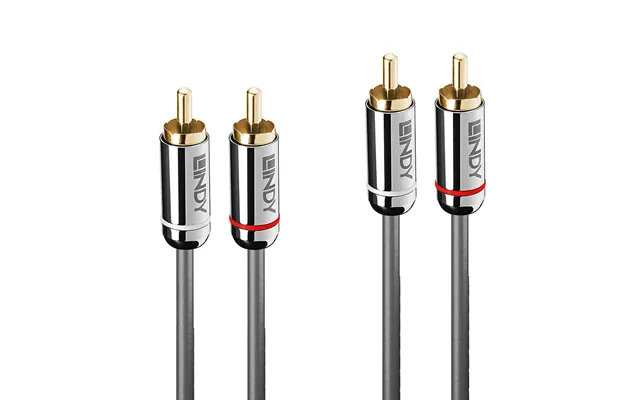
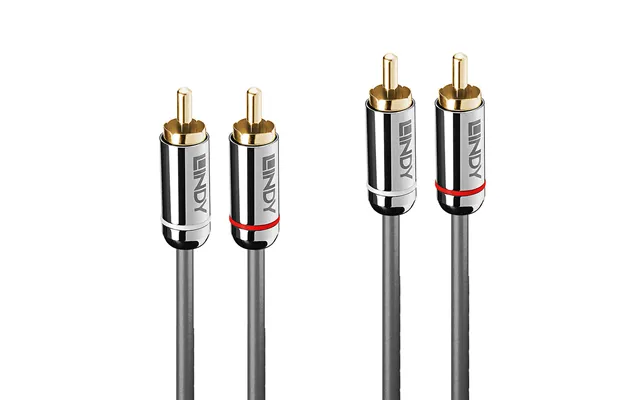
| Lindy 0.5m Digital Phono Audio Cable. Cromo Line | £ 10,18 | |
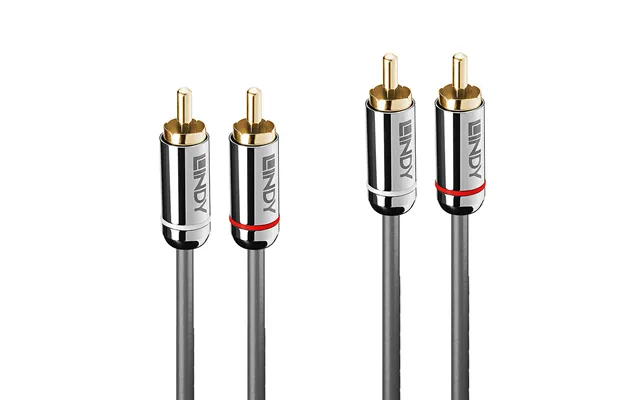
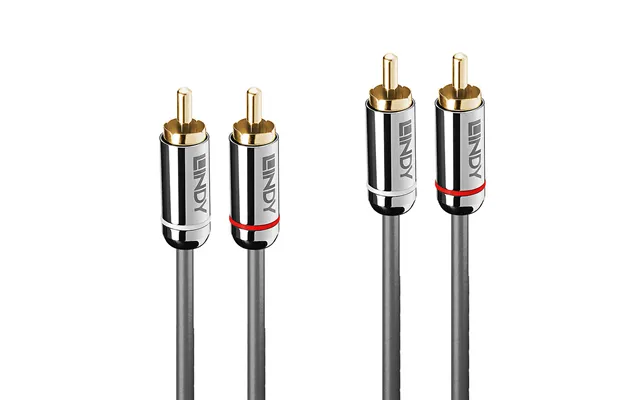
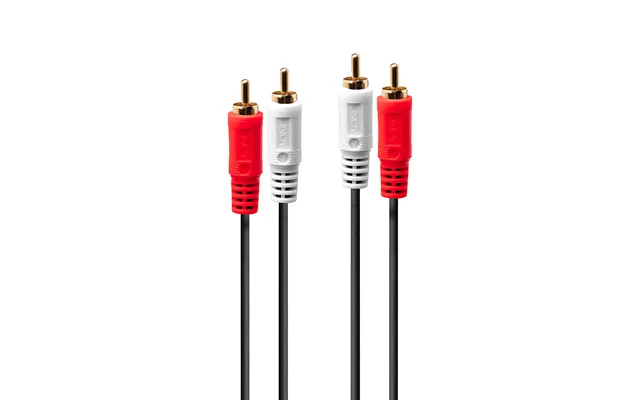
| Lindy 2m Dual Phono Audio Cable. Cromo Line | £ 12,54 | |
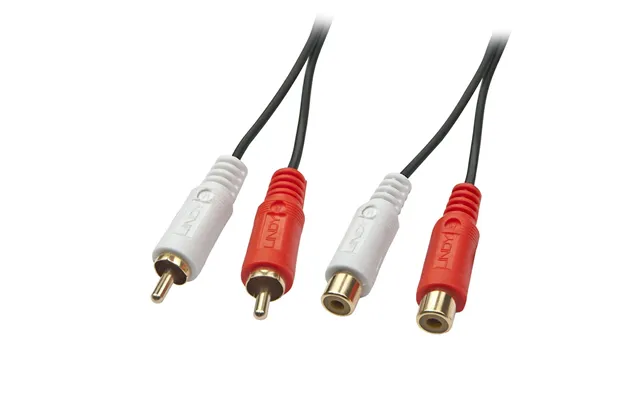
| Lindy 3m Premium Phono To Phono Extension Cable | £ 13,81 | |
| Lindy 1m Digital Phono Audio Cable. Cromo Line | £ 15,25 | |
| Lindy 3m Digital Phono Audio Cable. Cromo Line | £ 16,49 | |
| Lindy 1m Dual Phono Audio Cable. Cromo Line | £ 17,09 | |
| Lindy 3m Dual Phono Audio Cable. Cromo Line | £ 18,89 | |
| Lindy 10m Dual Phono Audio Cable. Cromo Line | £ 21,48 |