

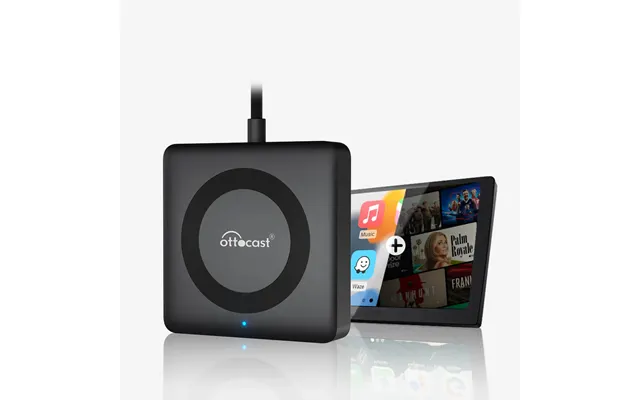
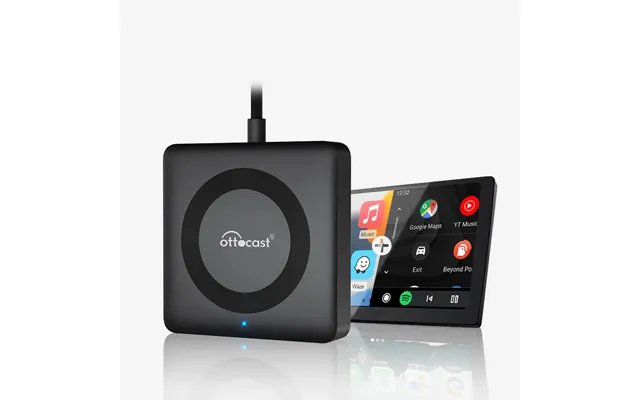
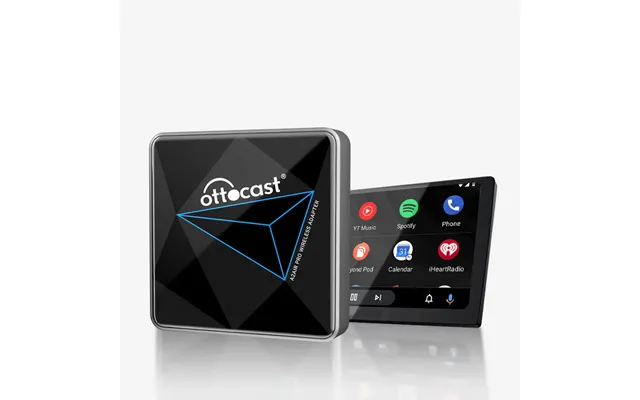
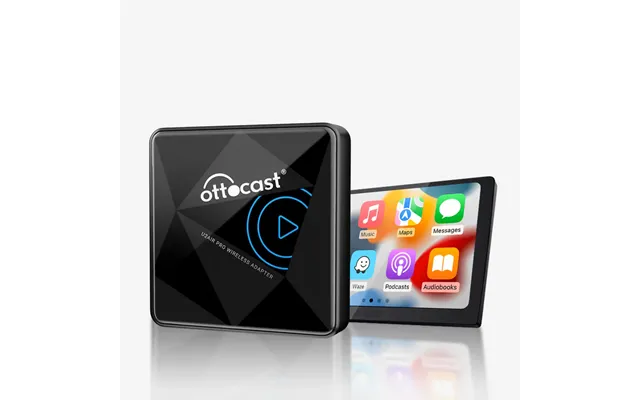
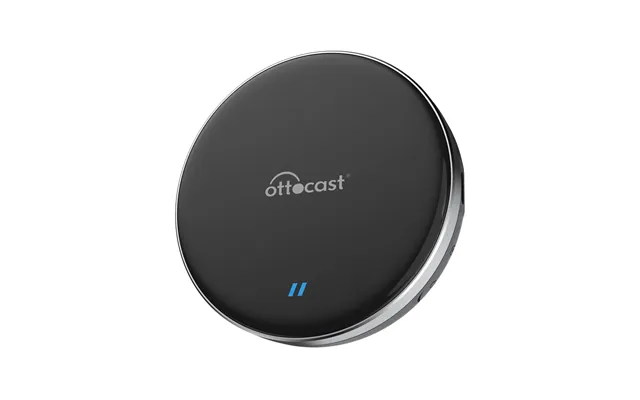
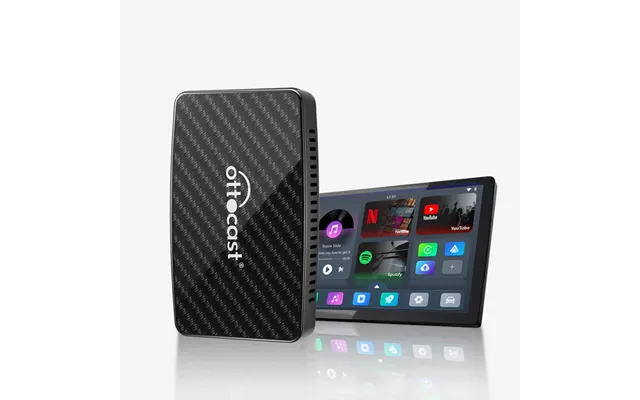
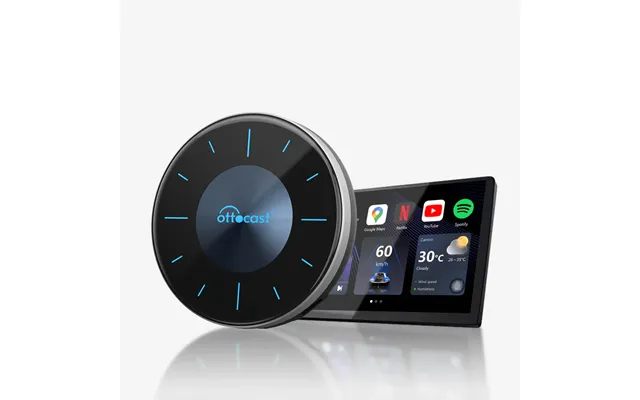
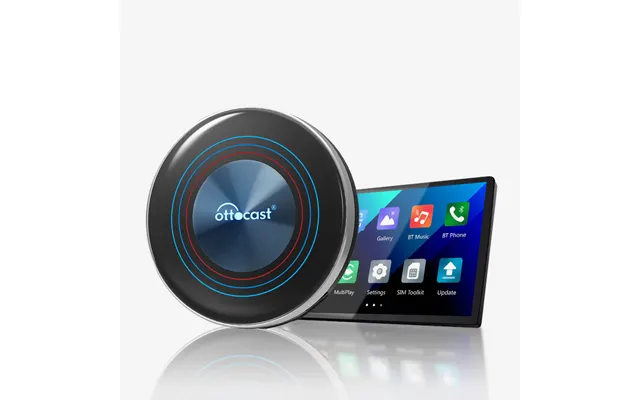
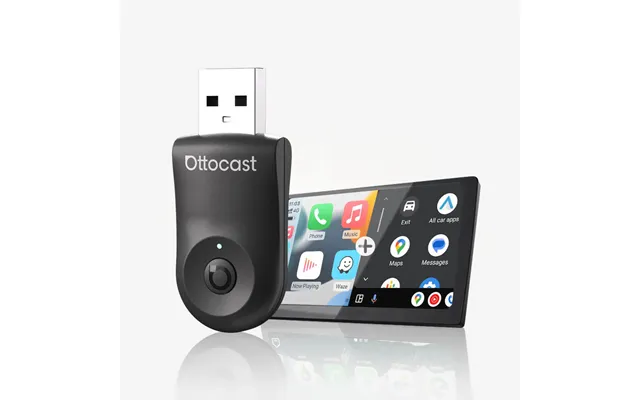
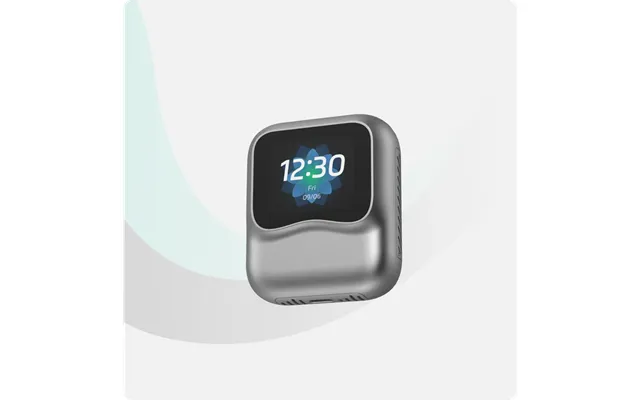
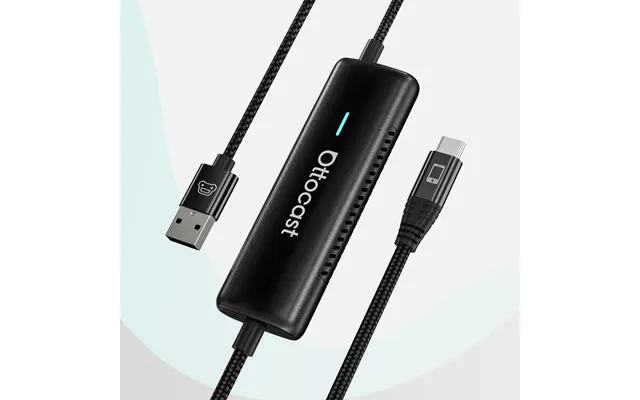
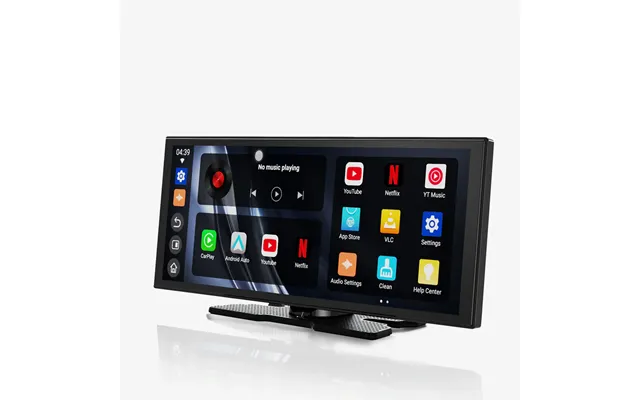
Ottocast price list
Last updated Sunday, 27 Sept 2026
| Ottocast | Price |
|---|---|
| Mini | £99.00 |
| U2air Pro | £129.00 |
| Play2video Pro | £179.00 |
| Screenflow Portable Car Display Screen | £230.00 |
| Nanoai | £319.00 |





| Store | Status | today | distance |
|---|
Loading...
Loading...
Last updated Sunday, 27 Sept 2026
| Ottocast | Price |
|---|---|
| Mini | £99.00 |
| U2air Pro | £129.00 |
| Play2video Pro | £179.00 |
| Screenflow Portable Car Display Screen | £230.00 |
| Nanoai | £319.00 |
Ottocast began as a niche electronics brand focused on in-car entertainment and smart car accessories. In simple terms, it started small — a team of engineers and car lovers who wanted better ways to connect phones to cars. They tested ideas, learned from early customers, and slowly built a reputation for practical gadgets that just worked. In the UK, Ottocast arrived as part of a wider push to make cars smarter and phones easier to use on the move.
The initial goal was straightforward: solve everyday annoyances. People wanted safer phone use in cars, better audio, and simple installation. Ottocast introduced dongles, wireless adapters, and simple head units that plugged into existing car systems. No flashy promises — just reliable tech to bridge old car systems and modern smartphones. That clarity drew early adopters who wanted function over hype.
When Ottocast entered the UK, it faced a crowded market. Yet it found openings: drivers with older cars who wanted wireless CarPlay or Android Auto without replacing the whole dashboard. Ottocast's products often offered a middle ground — cheaper than full replacement head units, but more dependable than cheap dongles. Word of mouth, online forums, and targeted online ads helped it gain traction.
In the UK, Ottocast used a mix of direct online sales and third-party retailers. They worked with e-commerce platforms and local car accessory shops to reach customers. They also looked for partnerships with installers and small car audio garages who could recommend Ottocast as a cost-effective upgrade. This hybrid approach let them scale without huge retail overheads.
Ottocast didn’t stay static. Over time, its product line improved with faster processors, better Bluetooth, and more robust firmware updates. The company focused on ironing out annoying glitches and improving compatibility with a wide range of cars and phones. Each product cycle aimed to cut setup time and increase stability — two things that matter when you’re in traffic and need your phone to connect smoothly.
One of Ottocast’s strengths was listening to users. They released firmware updates that fixed bugs and added features. They engaged with forums and social media to understand real-world problems. This feedback loop helped them refine designs and sometimes avoid missteps that happen when a company ignores customers. The result was a steady improvement in user experience.
In the UK, customer service became a selling point. Ottocast invested in clearer manuals, online guides, and responsive support channels. Instead of long waits and boilerplate answers, customers often found practical help — whether it was a compatibility check or step-by-step installation advice. That hands-on support helped convert puzzled buyers into repeat customers.
Clear warranty terms and an easy returns process mattered. Ottocast typically offered standard warranties and aimed to handle replacements quickly. For UK customers, the combination of clear policy and fast responses made a difference, especially compared with overseas sellers that made returns a hassle. This reliability built trust over time.
Ottocast positioned itself as the practical option: functional, affordable, and compatible. Marketing focused on problem-solving headlines: "Turn your old stereo into CarPlay overnight" or "Wireless phone mirroring without the fuss." Their messaging was often straightforward, aimed at drivers who wanted solutions rather than marketing spin.
The typical Ottocast customer in the UK is practical — someone who values safety, convenience, and cost-effectiveness. That customer might be a commuter with an older car, a fleet manager looking for upgrades across vehicles, or a DIY enthusiast who enjoys installations. Ottocast’s messaging spoke to those groups, emphasizing clear benefits and quick wins.
No company sails without bumps. Ottocast faced complaints about compatibility hiccups in older car models, occasional firmware delays, and the inevitable learning curve for less tech-savvy customers. Some users wanted more polished interfaces or deeper integration features found in pricier systems. Ottocast responded by prioritizing stability and broad compatibility rather than flashy extras.
They ramped up testing across more car models, expanded their support documentation, and improved update cycles. Customer forums and video tutorials helped reduce installation errors. In other words, Ottocast didn’t chase every feature; it fixed core problems and improved the basics people relied on.
To understand Ottocast's place, it helps to compare it with well-known UK players. Think of retailers and brands like Halfords, Richer Sounds, and major online platforms such as Amazon and eBay sellers. Each has strengths and weaknesses compared with Ottocast. The comparison highlights where Ottocast shines and where it lags.
Halfords is a household name for car parts, accessories, and installation services. It offers branded head units, in-store help, and professional fitting. Ottocast competes mainly on price and simplicity. Where Halfords gives end-to-end service and physical stores, Ottocast offers a more affordable, direct-tech approach. If you want someone to install and guarantee performance, Halfords is often safer. If you want a budget-friendly upgrade you can do yourself, Ottocast can be quicker and cheaper.
Richer Sounds and specialist car audio shops focus on high-end sound and bespoke installations. They sell premium head units, speakers, and tailored solutions. Ottocast doesn’t compete in that high-end audio niche. Instead, it targets practical connectivity upgrades. If sound quality and custom installs are your priority, specialist shops win. If you need phone mirroring or CarPlay without a full audio overhaul, Ottocast often offers better value.
Online marketplaces list a wide range of dongles and adapters, from cheap no-name devices to branded options. Ottocast’s advantage over random marketplace sellers is consistency and support. You’re less likely to get a low-quality knockoff, and you often get firmware updates and UK support. Marketplace sellers may be cheaper but riskier — some products fail, vanish, or lack updates. Ottocast strikes a middle path with reliability and reasonable pricing.
There are specialist brands that produce similar CarPlay/Android Auto adapters. Compared to them, Ottocast emphasizes ease-of-use and broad compatibility. Some specialist brands target premium segments with higher performance and tighter integrations; others focus on enterprise features. Ottocast aims for a broad consumer market, focusing on user-friendly hardware and regular updates rather than niche advanced features.
Price matters. Ottocast positions itself as cost-effective. You can usually buy an Ottocast adapter for a fraction of the cost of a full head unit replacement. When you weigh cost against convenience and features, Ottocast often wins for the budget-conscious buyer. That said, pricing varies by model, and sometimes a slightly more expensive unit with better compatibility is a smarter long-term buy.
Think beyond the sticker price. Consider support, firmware updates, and possible installation costs. Ottocast's lower initial price can translate to solid long-term value if the unit stays compatible across phone updates. If you need professional installation or custom wiring, total costs could approach those of entry-level head units from established audio retailers. Still, for many, the savings remain meaningful.
Real users often praise Ottocast for straightforward installation and reliable everyday use. The magic moment is when your phone automatically connects and the car mirror shows maps or music without fuss. That smoothness is what converts buyers into fans. Where users get annoyed is when there’s a glitch or a phone update breaks compatibility — but Ottocast’s updates and active support help reduce this over time.
Many users report simple installs: plug the adapter into a USB or aux port, follow a few on-screen steps, and it works. Enthusiasts sometimes wire the unit behind the dash for a clean look. Install times vary: a straightforward plug-and-play job can take 10–30 minutes, while neat, hidden installs take longer. Overall, the user stories lean positive when expectations are realistic.
The future depends on staying useful. As car makers add native connectivity and phones evolve, Ottocast must keep updating and adapting. Their best path is continuing to focus on compatibility, quick firmware updates, and accessible support. They can also expand into related accessories — better microphones, improved dongles, and partnerships with installers. If they keep listening to users, there’s a clear path forward.
Risks include major shifts in car industry standards and aggressive moves by big retailers. Opportunities include fleet solutions for taxis and delivery services, upgrades for classic car owners, and bundling with installation services. Ottocast’s adaptability will determine whether it grows, stays steady, or becomes a niche player.
If you’re thinking about an Ottocast product, here are simple checks: confirm compatibility with your car model and phone version, read recent user reviews, and check the warranty terms. Look for clear support channels and recent firmware release notes. If you’re unsure about installation, factor in fitting costs or ask a local installer for advice.
Choose Ottocast if you want an affordable, user-friendly way to add CarPlay/Android Auto or phone mirroring without replacing the whole head unit. Choose a retailer like Halfords or a specialist shop if you want professional installation, a physical store for returns, or a full audio upgrade. For high-end sound or bespoke installs, specialist audio shops remain the go-to choice.
Ottocast’s journey in the UK is a steady, practical story. It filled a clear need: make modern phone features work in older cars affordably. It did so by focusing on reliability, community-driven improvements, and straightforward support. Compared with large retailers and specialist shops, Ottocast stands out as a no-nonsense option that balances price and performance.