


Ulike price list
Last updated Friday, 2 Oct 2026




| Store | Status | today | distance |
|---|
Loading...
Loading...
Last updated Friday, 2 Oct 2026
Ulike began as a beauty tech brand focused on bringing professional-grade hair removal and skincare devices into homes. It embraced a direct-to-consumer model early on, selling devices like IPL (intense pulsed light) hair removal tools and beauty gadgets online. The idea was simple: make effective, easy-to-use devices at prices ordinary shoppers could afford. That combination of tech, convenience, and cost helped Ulike move quickly from niche status into wider consumer awareness.
After establishing itself in Asia, the brand looked west. The UK was an obvious target — a market with strong demand for at-home beauty solutions, good e-commerce infrastructure, and shoppers who value both quality and value. Ulike’s entry into the UK market was gradual: online listings, social media marketing, partnerships with local distributors, and listings on major marketplaces. Over a few years, the brand grew from a curious newcomer to a recognized name in beauty tech.
Ulike leaned into online retailing. Their website, social channels, and e-commerce platforms offered product pages, tutorials, and reviews. This digital-first path suited the brand because the devices require explanation — people want to know how IPL works, what results to expect, and how to use devices safely. Clear guides and video demos made the products less intimidating and boosted shopper confidence.
Influencer marketing played a big role. Ulike collaborated with beauty creators to show real-life use, before-and-after transitions, and honest reviews. Those authentic stories created trust faster than flashy ads. In the UK, where personal recommendations matter, user-generated content became a powerful engine for growth.
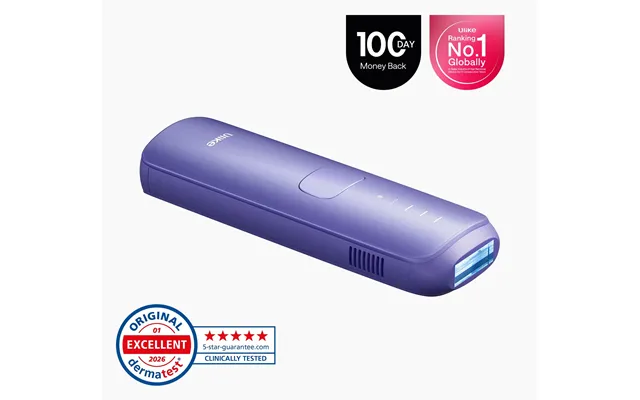
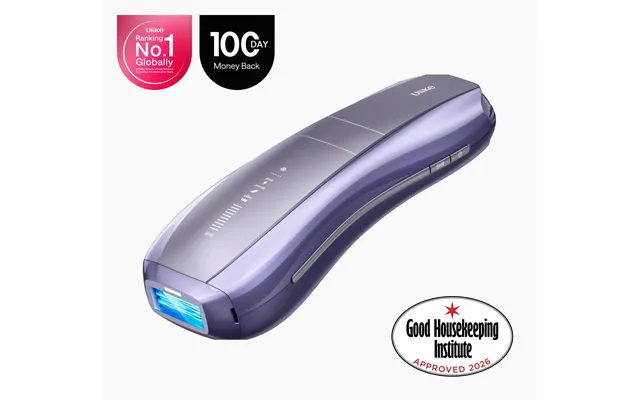
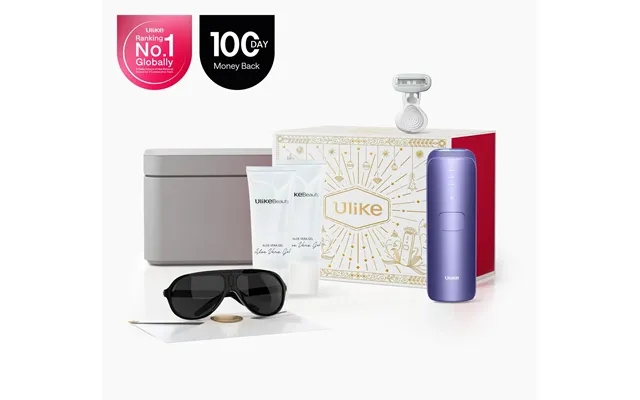
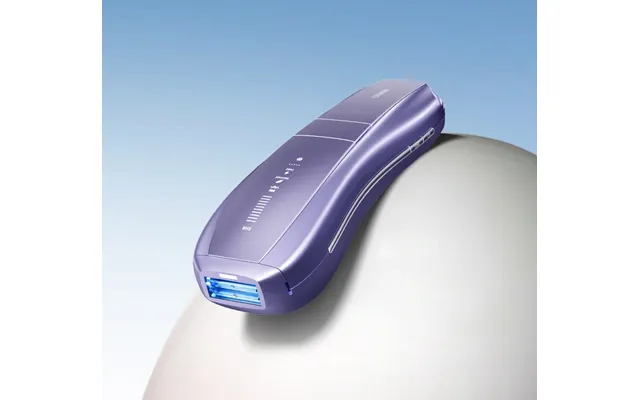
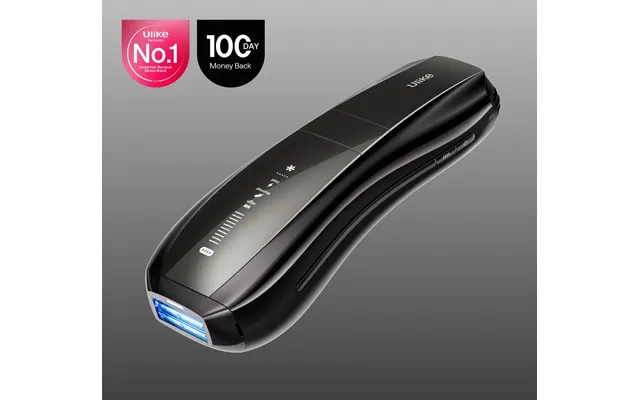
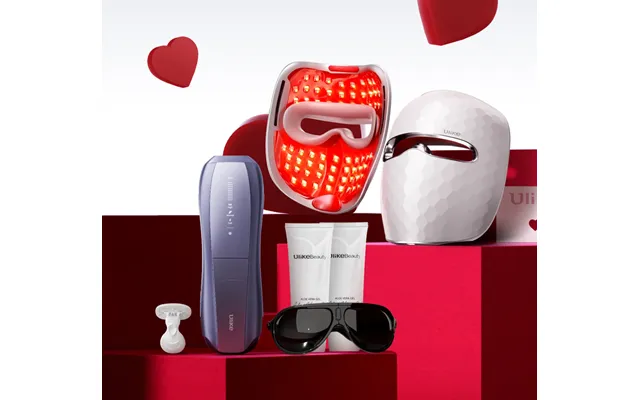
Ulike’s offerings focus on at-home beauty tech. The most visible products are handheld IPL hair removal devices, facial devices aimed at improving skin tone, and smaller tools for targeted treatments. Many models mix clinical features with user-friendly designs: adjustable intensity, skin sensors, and compact shapes. They aim for painless, regular maintenance rather than invasive clinic-level treatments.
Ulike balances cost, safety, and performance. Unlike professional laser machines used in salons, at-home IPL devices operate at lower energy levels and include safety cutoffs and skin tone sensors. That makes them safer for general consumer use while still offering meaningful long-term hair reduction. For many shoppers, the trade-off—slower but steady results in the comfort of home—is attractive.
You’ll find Ulike products on the company site and on popular marketplaces like Amazon. Those channels dominate because they lower barriers to purchase and simplify returns. Marketplaces also give brands visibility through reviews and search placement, which is crucial for a tech-heavy product where shoppers seek reassurance from peers.
While Ulike isn’t yet a giant with thousands of UK brick-and-mortar stores, it has tested partnerships and pop-up events. Collaborations with beauty stores and temporary in-person demos help wary buyers try before they buy. Physical touchpoints also let customers compare Ulike to competitors hands-on, which can sway decisions in a tactile category like beauty gadgets.
Ulike places emphasis on customer education. Clear user manuals, video tutorials, and responsive customer service are integral. Many customers appreciate extended warranties and helpful aftercare support. That reduces the friction of buying a tech-heavy product: shoppers know they can get help if something goes wrong or if results seem slow.
Flexible return options and visible customer reviews are trust signals. Ulike has worked to keep returns straightforward and to highlight verified reviews. In the UK market, where returns and consumer protections are strong, brands that match those expectations win repeat buyers and word-of-mouth recommendations.
SmoothSkin and Philips are household names in the UK for at-home hair removal and beauty tech. Philips has a long legacy in home appliances and health tech. SmoothSkin originated as a focused at-home hair removal brand and built distribution in pharmacies and beauty retailers. Ulike’s advantage is aggressive pricing and rapid product iteration. SmoothSkin and Philips have brand trust and wider retail footprints. So if you want established warranties and easy in-store replacements, those brands may feel safer. If you want newer features at a lower price and can accept slightly less retail coverage, Ulike often looks appealing.
Braun and Remington are known for razors, epilators, and some light-based devices. Braun emphasizes engineering and long-term durability; Remington leans into affordability and wide availability. Ulike sits between them, offering tech-forward devices rather than classic mechanical tools. Buyers who prefer the convenience of IPL over regular shaving or epilation often choose Ulike. But if you want a no-tech backup like a reliable epilator, Braun or Remington remain strong alternatives.
Boots and Superdrug stock multiple brands, including some rival IPL devices. Their advantage is that shoppers can physically touch products and speak to staff. Ulike, primarily online, doesn’t always offer that immediate in-store experience. However, Ulike competes by offering lower prices, targeted online education, and strong digital support. For shoppers who do their homework online, Ulike often wins on value. For shoppers who prefer hands-on comparison and in-person advice, high-street retailers still hold an edge.
Boots has an extensive loyalty program (Advantage Card) and regular couponing that can heavily influence purchases. Superdrug has similar schemes. Ulike can’t match those loyalty ecosystems but counters with direct discounts, bundles, and seasonal sales. If you’re a loyalty-card shopper, you might snag a better deal from Boots or Superdrug even if a device is slightly pricier there.
Price perception is key. Ulike often undercuts established brands on headline price. That draws budget-conscious buyers. Still, some consumers equate price with quality and prefer the reassurance of a higher-priced Philips or Braun product. Ulike combats that by focusing on clear results, transparent tech specs, and real user reviews. In many cases, value trumps sticker price: buyers who see consistent results will happily recommend Ulike despite its lower cost.
Ulike’s bundles—device plus accessories or replacement cartridges—make long-term maintenance affordable. When you compare the cost of multiple salon visits to a one-time device purchase, Ulike’s proposition becomes strong. That long-term angle resonates with busy UK consumers who prefer investment once rather than repeated appointments.
The UK has strict safety and consumer protection standards. At-home IPL devices must meet electrical safety rules and often carry CE/UKCA markings. Ulike has adapted devices to comply with local regulations. They also include skin-type guidance and recommended usage patterns. That attention to safety reduces the risk of misuse and builds buyer confidence.
One tricky area is promises. No at-home IPL guarantees permanent, instant hair removal. Reputable brands, including Ulike, frame results as significant hair reduction over repeated sessions. Clear, realistic claims protect both the consumer and the brand. Shoppers who expect salon-level immediacy can be disappointed. Brands that educate well end up with happier customers.
Many UK shoppers rely on peer reviews. Ulike has a mix of five-star success stories and early-care adopters who needed time to see results. Those long-form stories are important: they show that success generally requires consistency. Where Ulike shines is in collecting and promoting those narratives. When potential buyers see others with similar hair types and skin tones getting positive outcomes, it nudges them toward purchase.
No brand escapes negative feedback. Ulike often responds by offering troubleshooting, refunds, or replacements. Effective, timely customer service turns some negative experiences into neutral or even positive ones. That responsiveness matters in the UK, where reputation spreads fast on social platforms and review sites.
One clear gap is physical retail scale. More in-store demos in trusted retailers would help shoppers who want to try devices before committing. Strategic pop-ups and partnerships with beauty clinics for hybrid experiences could bridge that gap without sacrificing Ulike’s efficient online model.
Making warranty terms and replacement part availability ultra-clear would ease longer-term concerns. Buyers worry about maintenance: replacement bulbs, availability of spare parts, and long-term battery life. Clear aftercare pathways and visible spare-part channels will enhance confidence.
Ulike’s journey in the UK is still unfolding. The brand entered a crowded field with a smart digital-first strategy, attractive pricing, and honest user stories. That combo helped it grow quickly among shoppers who value results and convenience over big-brand names. Yet there’s room to grow—particularly in physical retail and long-term support clarity. For many UK consumers, Ulike offers a refreshing mix of tech and affordability. For others, established names with deep retail footprints remain tempting.
Thinking of switching from razors to an at-home device? Ulike is a strong contender if you want to try IPL without a big upfront salon bill. If you prioritize in-store reassurance or loyalty program perks, you might lean to the high-street brands. Either way, the UK market benefits: competition pushes better prices, clearer information, and faster innovation. That’s good news for anyone who wants smoother skin with less hassle.