




All categories
Business & Offices
Electronics & Media
Fashion & Accessories
Groceries & Essentials
Health & Personal Care
Home & Living
Kids & Family
Sports & Outdoors
Search in ZoneOffer
Loading...
If you fish regularly, you know that bait and chumming are half art, half science. The container you use can make the difference between a day of steady bites and an afternoon of frustration. Choosing the right fishing bait and chum containers affects bait freshness, scent dispersion, and how easy it is to deploy and maintain your setup on the boat or shore. Think of your container as the toolbox for your bait — the better organized and designed it is, the more confident and productive you’ll be when the fish are active.
At a basic level, bait containers store and protect your bait, while chum containers are designed to disperse groundbait or scent into the water to attract fish. Chum pots may slowly release scent through holes or a mesh, or they can be actively mixed and pumped. Bait buckets, coolers, and livewells keep live bait lively and edible. Each type has a purpose, and understanding those differences will help you choose gear that fits your fishing style.
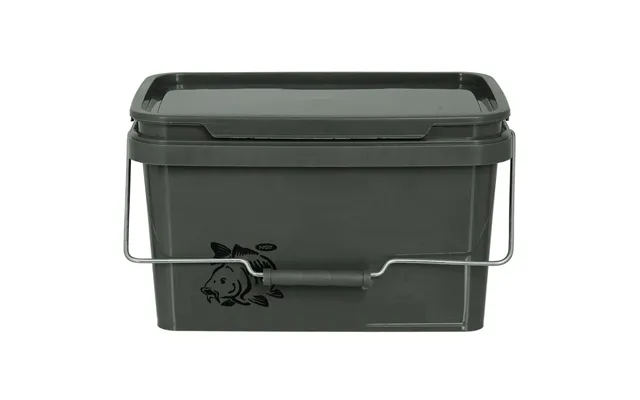
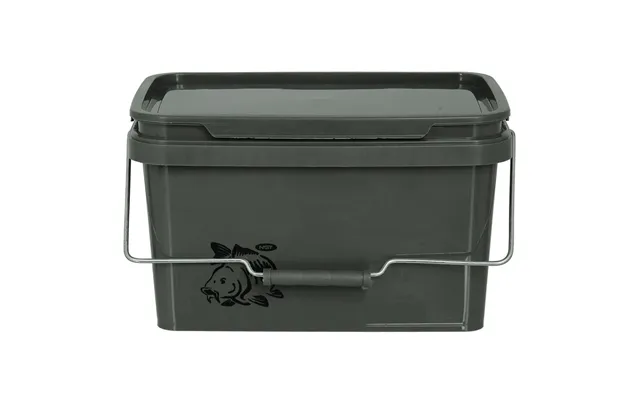
Bait buckets are the no-nonsense choice for shore anglers and boaters who want something inexpensive and versatile. A typical 5-gallon bucket can hold plenty of dead bait or chopped chum, and you can easily retrofit it with a lid, aerator, or bait tray. Look for buckets with reinforced handles and lids that snap tight to keep spills to a minimum.
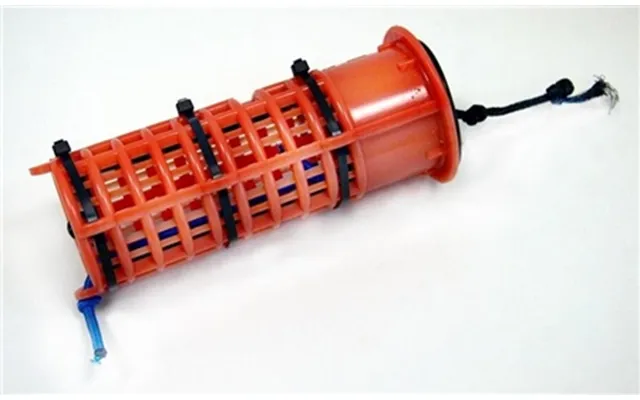
Chum pots are built specifically to release scent slowly so you can create a feeding zone. These often have perforated walls or a mesh basket inside a sealed housing. For saltwater anglers chasing species like striped bass or bluefish, a dedicated chum pot that can be anchored near the boat is a must. Advanced chumming systems include powered mixers and pumps that recirculate and distribute chum farther from the boat.
If you fish with live shrimp, herring, or baitfish, an aerated livewell is essential. These containers connect to a battery-powered aerator that pumps air into the water to keep oxygen levels healthy. Portable livewells come in sizes from small 3-gallon tubs to large 20-gallon units and are a game-changer when targeting species that need lively bait.
Insulated bait coolers are ideal when you want to keep dead bait fresh for hours. They work like a soft cooler but are optimized with internal racks and drainage to separate bait from melting ice. Use crushed ice to keep scent in and slush out. Size-wise, many anglers prefer a 10–20 quart cooler for day trips and larger 30–50 quart boxes for all-day charters.
For anglers who need organized storage for hooks, rigs, and small baits like minnows, tactic-specific bait boxes with compartments are invaluable. These trays keep squid strips, pellets, and soft baits separated to prevent tangling and contamination. Some boxes are even transparent so you can quickly spot what you need mid-trip.
Start by asking: how many baits do I need and how long will I be out? A 5-gallon bucket might be plenty for a morning surf session, but if you’re on a multi-hour boat trip, consider a 20–30 quart cooler or a 10–15 gallon livewell. Remember, heavier containers filled with bait and water add weight — plan for how you’ll carry and stow them on the boat or shore.
Containers come in hard plastic, high-density polyethylene, and insulated foam. Hard plastics resist impact and UV exposure, while softer coolers offer shock-absorption. If you fish in saltwater, look for UV-stable and corrosion-resistant materials. Metal parts should be stainless steel or brass to avoid rust.
Nothing ruins a day faster than a leaking bucket soaking your gear. Good lids snap or latch securely and often have gasket seals for added protection. If you plan to use ice, check that the cooler drains cleanly without causing leaks when tipped.
Live bait thrives when water is exchanged regularly. If you go with a non-powered solution, pick a container with slotted vents or an easy way to bucket water in and out. For serious livebait fishing, a built-in aerator or a container compatible with external aerators is a must. Look for mounts or flat surfaces to clamp an aerator pump securely.
Consider handles, paddles, and how the container mounts on your boat. Some chum pots come with mounting brackets for rails, while larger livewells need built-in bilge mounting. For shore anglers, a bucket that nests or clips onto a backpack can save time and back strain.
Modern chum containers sometimes include graduated markings and controlled outlets so you can meter the amount of chum you release. This is helpful for targeting specific water layers or controlling scent radius without wasting bait.
When the deck is wet and the boat rocks, stability matters. Look for containers with wide bases or non-slip rubber feet to prevent tipping. Low center-of-gravity designs are great if you’re frequently moving around the boat.
Accessories like strainers, inner baskets, sorting trays, and bait pumps can turn a simple bucket into a full system. Choose containers with standardized accessory mounts so you can upgrade later without swapping the whole unit.
While I won’t push one retailer over another, some brands have built reputations for bait and chum equipment. Plano and Flambeau make robust bait boxes and tackle boxes; Daiwa and Berkley offer practical aerators and livewell gear; specialist marine brands produce dedicated chum pots and powered chummers. When comparing, check customer reviews for durability and practical features like ease of cleaning and spare parts availability.
Chumming is more than dumping groundbait overboard; it’s about rhythm and placement. For boat anglers, release chum at a steady rate to create a consistent scent trail. If you’re shore fishing, use smaller intermittent amounts to avoid overstimulating the area and scaring fish away. For livebait, keep the water temperature stable and avoid overfeeding. Remember: less is often more when determining the right chum density.
Mixing chum is simple but has its tricks. Start with coarsely chopped bait and add binders like breadcrumbs, fish oil, or pellet mix until it holds loosely together. If you’re using a powered chummer, make the mix slightly wetter so it flows without clogging the pump. Always prepare chum in a container you can clean easily — chum residue dries fast and can become a smell nuisance.
After each trip, rinse containers with fresh water to remove salt and organic residue. Let them dry in the sun to deter mold and bacteria. A quick rinse keeps seals from becoming gummy and prevents corrosion on metal parts.
Once a month or after extended use, give your containers a deeper clean using a mild bleach solution or vinegar soak to remove stubborn odors and biological buildup. For aerators and pumps, follow manufacturer guidelines for filter replacement and impeller care to keep oxygen flow optimal.
If you fish occasionally, a simple bucket with a lid and a clip-on aerator can do the job for pennies compared to premium insulated livewells. But if you’re a tournament angler or spend long days offshore, investing in a high-capacity livewell with a reliable aerator and insulated cooler will pay off in better bait survival and more bites. Think of a budget set-up as a reliable hatchback and a premium system as a sports sedan — both get you where you need to go, but comfort and performance differ.
Chumming can alter local feeding patterns and attract predators. Always check local regulations that may restrict chumming or the use of certain bait in specific waters. Use biodegradable binders when possible, and avoid introducing non-native bait into different waters. Respecting these rules helps keep fisheries healthy and ensures you can keep fishing the same spots for years to come.
Adequate power for aeration matters. Small 12-volt aerators paired with a compact marine battery give hours of aeration. If you’re on a longer trip, look for units that can be powered from the boat’s battery with an inline fuse to protect wiring.
Handy tools like a bait knife and a fine mesh strainer help you process bait quickly. Measuring cups or scoops let you control chum ratios precisely — especially useful when experimenting with mixes that attract different species.
For surf anglers: a sturdy 5-gallon bucket with a tight-fitting lid and a portable aerator works great. For inshore boaters targeting redfish and sea trout: a 10–20 quart livewell or an insulated cooler with ice is ideal. Offshore anglers chasing tuna and mahi-mahi should use dedicated chum pots and powered chummers to create scent plumes that travel with currents. Match your container to how you fish, not just what looks neat on the rack.
Before you click buy, run through this quick checklist: capacity needs, material durability, lid and seal quality, aeration compatibility, mounting or carrying options, and cleaning ease. If the product has modular accessory support and positive user reviews about longevity, it’s probably a smart buy. And if in doubt, prioritize durability — a rugged container will outlast cheaper alternatives and keep bait fresher for longer.
Choosing the right fishing bait and chum containers is a practical decision that pays dividends on the water. From simple 5-gallon buckets to advanced livewells and powered chummers, the right gear preserves bait, controls scent, and keeps your setup efficient and clean. Match capacity, aeration, and material to your fishing style, maintain your gear after each trip, and stay mindful of local regulations to protect fisheries. With the right container in hand, you’ll spend less time worrying about soggy bait and more time enjoying steady, satisfying bites.

