

Magnet Toys price list
Last updated Monday, 19 Oct 2026



View 29 Offers












Loading...
Last updated Monday, 19 Oct 2026
Magnet toys are cleverly designed playsets and gadgets that use the invisible force of magnetism to snap, click, and hold shapes together. From colorful building tiles and chunky toddler-safe blocks to sleek executive desk sculptures, these toys offer hands-on fun that bridges creativity and science. Kids get a kick out of the satisfying “click” when pieces meet, and adults love the calming, fidget-friendly flow of magnetic desk toys. In the UK, families and office-goers alike are leaning into magnet toys for open-ended play, STEM learning, and simple stress relief—no screens required. Sounds like a win, right?
Magnet toys turn abstract ideas—like polarity and force—into something you can see, hear, and feel. That tangible feedback builds problem-solving skills and spatial awareness faster than a worksheet ever could. Think about it: when a child figures out how to balance a roof with triangular tiles, they’re practicing geometry without even noticing. For adults, magnetic toys function like a mini mindfulness break: stack, slide, click, repeat. The results are the same—better focus, more creativity, and a subtle reset after a busy hour or two.
Not all magnet toys are created equal, and that’s a good thing. Whether you’re shopping for a curious toddler or you want something smart and sleek for your desk, there’s a category for you. The most popular options in the UK include magnetic building tiles, rod-and-ball engineering sets, letter and number magnets for early literacy, and executive magnet gadgets designed for fidgeting and focus. Choosing the right type sets the tone for how you’ll use them—wild imaginative builds, structured STEM challenges, or calm, quiet play to tame the afternoon slump.
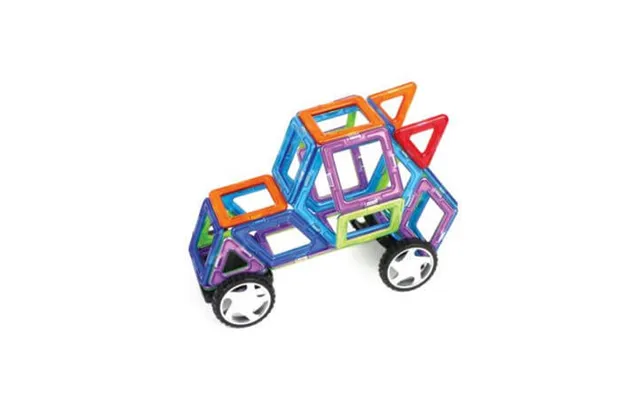
Magnetic tiles are the crown jewels of creative play. Picture translucent squares, triangles, and specialty shapes with magnets embedded around the edges. They click together to make castles, rockets, garages, and all sorts of wild contraptions. For younger kids, larger blocks with sealed magnets provide extra grip and confidence; for older kids, thinner tiles pack neatly and allow more complex structures. Look for robust edge seams, snug magnet placement, and pieces roughly 2 to 3 inches wide for easy handling and solid builds that don’t topple at the first nudge.
Love a STEM challenge? Rod-and-ball systems use magnetic rods plus metal spheres to make geometric frames—cubes, pyramids, bridges, and more. They’re brilliant for older kids and teens because the designs require strategy and patience. The best sets include rods around 2.5 to 3 inches long and balls just under 1 inch in diameter, offering a satisfying click without being too tiny. These sets teach balance and load distribution in a way you can literally feel when a beam sags or a joint rotates.
For adults—and teens who crave focus—magnetic desk toys bring calm to the chaos. Think sculptural stacks of magnetic stones, polished spheres that form mesmerizing lattices, or kinetic stands where metal filings dance around a magnetic core. The appeal is tactile and visual: quiet clicks, slow arcs, and soft resistance as pieces slide into place. Choose sets that fit on a 6- to 8-inch corner of your desk so they’re always within reach but never in the way.
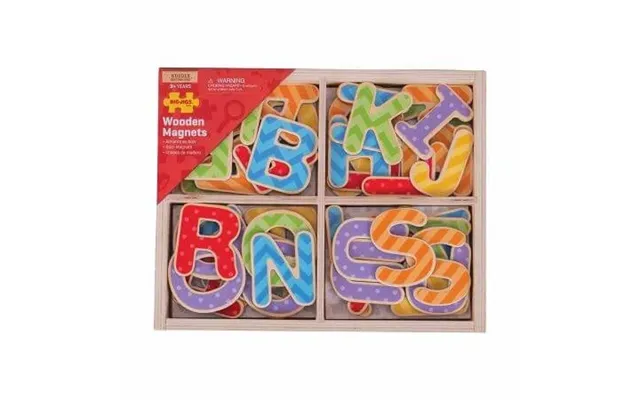
Alphabet magnets and math sets are classics for a reason. They let kids line up letters on a magnetic board or fridge, sound out words, and practice sums without pressure. Opt for chunky pieces around 1.5 to 2 inches tall with high-contrast printing and smooth edges. Bonus points if the set includes simple word cards or math challenges—just enough guidance to spark learning without boxing in their creativity.
Picking the best magnet toy isn’t just about price or buzz. It’s about matching the set to the stage. Younger children need big, sturdy pieces that resist rough-and-ready play. Older kids thrive with flexible systems that reward persistence and planning. And grown-ups? We want something soothing, stylish, and desk-friendly that encourages micro-breaks and creative flow—without distracting from deadlines.
At this age, safety and simplicity rule. Choose larger tiles and blocks—think pieces 2 to 3 inches across—with enclosed magnets and reinforced seams. Transparent tiles are especially engaging because little builders can “see” light pass through their creations. Sets with 20 to 40 pieces are a sweet spot: enough to make a carport or a cozy fort for plush toys, but not so many that cleanup becomes a chore. Avoid tiny magnetic spheres or intricate rods until kids are older.
Here’s where imagination meets early engineering. Expand into mixed-shape sets: squares, equilateral and isosceles triangles, arches, windows, and wheels. Aim for 50 to 80 pieces so kids can build taller, sturdier designs. Magnetic letter and number sets also shine here—pair them with a magnetic whiteboard for make-your-own story time or quick math puzzles. If your child loves to tinker, try beginner rod-and-ball kits with larger components for confidence and safety.
Challenge accepted! Older kids enjoy the problem-solving and wow factor of complex builds. Rod-and-ball systems and advanced tile sets with specialty connectors encourage experimentation. Want to boost persistence and grit? Give them design prompts—towers that span 18 inches, domes that don’t collapse, or bridges that hold a small toy car—then step back and watch them iterate. Executive-style magnet toys also make great calm-down tools between homework bursts.
If your day is a whirl of tabs and tasks, a small magnetic set can be your mental pit stop. Look for compact kits that fit in a 6-by-6-inch footprint. Sculptural magnets, polished stones, or a magnetic sand timer add visual interest and tactile relief. Keep it subtle: a set that “flows” in the hands with soft clacks is ideal for re-centering without drawing attention during calls or meetings.
Magnets are awesome—until they’re not used properly. The golden rule is simple: match the toy to the user’s age and supervise when necessary. Small, powerful magnets can be dangerous if swallowed, and cracked pieces should be discarded immediately. Check that pieces are well-sealed, edges are smooth, and the product clearly states its age grading. A few sensible habits go a long way toward keeping the fun rolling without a hitch.
Bigger is generally safer for young children. For early years, look for pieces that are at least 1.25 inches on their smallest side to reduce choking risk. Be cautious with very strong neodymium spheres or tiny magnetic beads; they’re made for older users and desk play, not for young kids. If in doubt, stick with chunky tiles and blocks where magnets are fully enclosed and inaccessible.
Make setup and cleanup part of the experience. Use a lidded bin or drawer, about 12 to 16 inches wide, to keep sets together and pieces off the floor (no one enjoys stepping on a stray triangle). Set a simple rule: if a piece cracks or a seam opens, it goes out. For mixed-age households, keep advanced sets up high—think the top shelf of a 5-foot bookcase—so older kids can access them while younger siblings can’t.
Shopping for magnet toys can feel like comparing apples to asteroids—so many sizes, shapes, and accessories. The trick is to rank what matters most to you: build quality, magnet strength, piece variety, compatibility with sets you already own, and overall value. Price matters, but so does longevity. A well-made set that lasts years offers better value than a cheaper set that chips or loses its snap a month in.
That soft “click” is half the magic. Premium tiles have consistent magnet placement along the edges, giving you a dependable snap every time. Look closely at seams: thicker seams and tidy ultrasonic welds are a sign of durability. For rod-and-ball sets, rods should feel firm, not hollow, and the finish should resist scuffs even after dozens of rebuilds. A quick test: stack five or six tiles vertically—if the tower holds for a minute without drifting, you’re in good shape.
Thinking long-term? Choose systems that play nicely with others. Many tile sets share similar dimensions—often around 2.5 to 3 inches per square—so you can expand without starting from scratch. If you’re unsure, check for standard edge sizes and similar magnet placement. Expansion packs with specialty shapes (arches, hexagons, windows) can refresh an older set and inspire new designs without breaking the bank.
Want stealth learning? Magnet toys deliver. They turn living rooms into mini labs and homework into hands-on discovery. The key is to lean into challenges that feel like games: measuring spans, testing load limits, and rethinking designs when things wobble. When kids feel in control, they’ll happily explore geometry, physics, and engineering principles for longer than any worksheet ever gets.
With tiles, geometry jumps from page to table. Try building a dome with only triangles, then swap in squares to see what changes. Talk about angles and faces as you go—no formal lecture needed. Even better, slide a small flashlight inside a build and watch the shadows and lines dance on the wall. It’s a low-stakes way to connect shapes, symmetry, and structure in a format kids remember.
Physics shows up fast with magnets. Can your bridge hold a toy truck for 10 seconds? Can your tower reach 18 inches without swaying? Can you build a cantilever that extends 6 inches past the base? Challenges like these turn basic play into bite-sized engineering problems. Let kids fail forward—each tumble is data. Over time they’ll master bracing, symmetry, and center of gravity without even realizing they’re “doing science.”
We all need a mental breather. Executive magnet toys deliver micro-breaks that reset your brain without derailing your day. They’re quiet, contained, and satisfying to manipulate. Picture stacking magnetic stones into a zen-like cairn, sliding polished spheres into a honeycomb, or shaping iron filings around a magnetic base—it’s a tiny ritual that calms the noise and surfaces fresh ideas.
Choose designs that look good and behave. A slim magnetic sculpture base about 4 by 6 inches fits most desks and keeps everything in bounds. Matte finishes hide fingerprints, and rounded edges feel premium. Skip gadgets that rattle loudly or fling pieces when they snap together—your coworkers will thank you. Bonus: a small velvet pouch keeps components together when you commute.
Try a 60-second reset: build a 2-inch stack, take three deep breaths, rebuild a slightly different shape, and return to your task. Or use a three-step loop during long calls: assemble, disassemble, reorganize. The goal isn’t a masterpiece—it’s flow. The motion keeps your hands busy while your brain percolates, and those tiny wins add up to better focus across the day.
Want your magnet toys to look and feel great for years? Treat them like the keepers they are. Clean gently, store smartly, and do quick inspections to catch wear early. A minute here and there saves you from cracked pieces, dulled finishes, and missing parts later on. Most sets are low-maintenance, so a little consistency goes a long way.
Wipe tiles with a soft cloth dampened with mild soap and water, then dry immediately. Avoid soaking—water can sneak into seams. For desk toys, a microfiber cloth pulls off fingerprints and dust in seconds. If you need a deeper clean, a lightly damp cloth does the trick; avoid harsh chemicals that can cloud finishes or weaken adhesives.
Magnets are sturdy, but they appreciate gentle handling. Don’t slam pieces together—let them find each other and click naturally. Store sets in a container that keeps weight off delicate edges; a shallow bin about 4 to 6 inches tall works well. If a piece chips or a seam shows a gap, retire it. And keep strong magnets away from credit cards or vintage electronics—common sense keeps surprises at bay.
Price tags can be deceiving. A set might look affordable until you realize it includes lots of tiny connectors and very few larger pieces. Focus on piece size, mix, and the kinds of builds they enable. Calculate cost per meaningful piece—squares, triangles, and wheels often carry the most play value. When comparing offers across different retailers, a dedicated comparison site can help you line up price, bundle contents, and seasonal discounts at a glance.
Would you rather have 80 small connectors or 40 robust tiles? For most families, fewer, larger, more versatile pieces get used more often. Aim for sets where primary shapes (squares and triangles around 2.5 to 3 inches) make up the bulk of the count. Specialty parts are fun, but they should support, not overshadow, the core shapes that do the heavy lifting.
Wheels, hinge pieces, windows, and base plates dramatically expand what you can build. A pair of wheelbases turns any tile set into a vehicle lab. A strong base plate about 8 by 8 inches anchors taller builds and encourages kids to push past the usual height limits. For rod-and-ball sets, a few extra long rods (3 inches or so) unlock wider spans and stronger frames.
Staring at a colorful pile of tiles or rods and not sure where to begin? Start with small wins and build momentum. Creativity is a muscle, and magnet toys are a brilliant gym. Keep ideas handy, but let curiosity take the wheel—half the fun is discovering something unexpected along the way.
Pick a theme and go for it. Try “city day” with garages, a 12-inch tower, and a 6-inch bridge that holds a toy car. Or “space night” with a rocket taller than your forearm and a landing pad. Snap a photo, tweak the design, and compare version one vs. version two. The difference? That’s learning in action.
Make teams and set a timer for 10 minutes. Who can build the tallest freestanding tower? Who can make the most creative creature using exactly 12 pieces? Who can build a bridge that spans 10 inches and supports a small book? Quick, joyful challenges turn magnet toys into a family favorite—no instructions, no batteries, just laughter and a little friendly rivalry.
If you like to weigh options before you buy, a comparison site is your best friend. You can scan multiple offers, see what’s included in each bundle, and spot standout value without bouncing from tab to tab. ZoneOffer is one such comparison platform where you can line up magnet toy deals across the UK and keep an eye on prices and promotions. Comparing before you commit helps you find sets that check all the boxes—quality, safety, compatibility, and price.
Magnet toys sit at the sweet spot between play and possibility. They’re as simple or as sophisticated as you need them to be—chunky tiles for toddlers, geometric challenges for older kids, and quiet, sculptural sets for adults who crave a moment of calm. Focus on build quality, age-appropriate design, and the kinds of creations you want to see come to life at your table or desk. Compare offers to stretch your budget, choose sets that grow with you, and let the gentle click of magnets become the soundtrack to smarter play, deeper focus, and everyday joy.