All categories
Business & Offices
Electronics & Media
Fashion & Accessories
Groceries & Essentials
Health & Personal Care
Home & Living
Kids & Family
Sports & Outdoors
Search in ZoneOffer

Loading...
If your shelves are sagging, aisles are squeezed, or outdoor tools keep rusting where they live, the issue probably isn’t your system—it’s the accessories. Industrial storage accessories are the unsung heroes that turn a basic rack into a safe, efficient, long-lasting setup. From galvanized posts to heavy-duty brackets, the right add-ons multiply capacity, sharpen organization, and protect your investment. Whether you’re fitting out a warehouse, a garden workshop, or a garage, upgrading accessories can feel like swapping a toolbox for a full-blown mobile workshop—everything simply works better.
Ever noticed how a tidy bay speeds up the job? Accessories like bin rails, dividers, and label holders cut pick times and help avoid errors. Safety climbs too when you add proper anchors, post protectors, and guards that keep accidental bumps from turning into collapsed shelves. With the right mix, you’ll reduce clutter, straighten workflows, and keep pathways clear. In short, you’ll spend less time hunting for parts and more time getting the real work done—without near misses or costly re-dos.
Businesses rarely stand still, and your storage shouldn’t either. Adjustable posts, modular brackets, and compatible accessories let you reconfigure quickly—add height, switch shelf types, or roll the entire unit when needed. That flexibility matters outdoors too. Weatherproof hardware and corrosion-resistant materials mean your setup stays dependable year-round, letting you adapt as inventory, tools, or seasonal workloads shift.
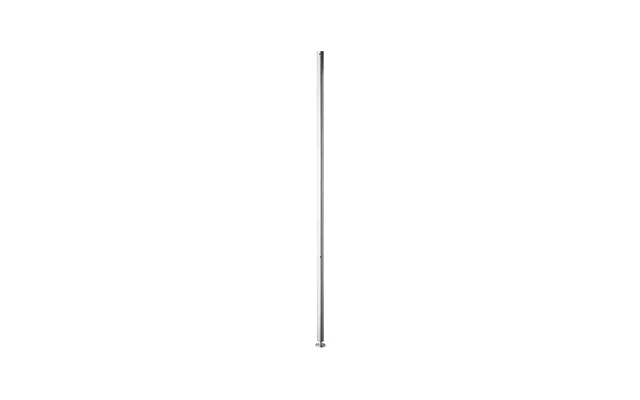
Among the most compelling outdoor-ready components is the String String Outdoor Freestanding Post Galvanized. Think of it as the backbone of a durable shelving run: strong, weather-resistant, and ready to stand on its own. For anyone offsetting storage into courtyards, loading zones, garden centers, or exposed industrial yards, a freestanding galvanized post solves a simple problem—how do you create vertical structure that handles rain, temperature swings, and daily wear without blinking? This kind of post brings the reliability of industrial gear to spaces that don’t have protective walls or roofs.
Galvanization is a zinc-based shield that helps steel shrug off rust. Outdoors, where moisture and airborne salts can chew through unprotected metal, that extra layer is a game changer. If your shelves live near coastlines, car parks, or damp ground, a galvanized finish slows corrosion and extends service life. Think of it like a raincoat for steel—lightweight but highly effective. You still want to clean and check it periodically, but the day-to-day defense is baked in, even when that post stands in the open.
Freestanding posts commonly come in practical heights such as 4 ft, 6 ft, and 8 ft, with diameters and wall thickness optimized for stiffness and load. Exact weight ratings depend on the entire system—shelves, brackets, spacing, and how evenly loads are distributed. It’s smart to match the post to your shelf type and planned use: light-duty for small parts; heavy-duty for totes, tools, or boxes that push toward triple-digit pounds per shelf. When in doubt, check the manufacturer’s documentation and anchor posts properly to solid ground.
The best posts earn their keep when paired with the right accessories. For outdoor setups, look for hardware that’s as rugged as the post itself: corrosion-resistant brackets, weatherproof fasteners, and shelf materials that drain or dry quickly. Indoors, a broader palette opens up: powder-coated steel for style, wire decks for airflow, or solid shelf liners to catch dust. Get the combo right and your gear will feel like it’s wearing armor, come rain or shine.
Brackets define the feel of a system. Heavy-gauge steel brackets carry more weight and resist twist, while adjustable brackets make it simple to reposition shelves on the fly. If you’re blending freestanding posts with partial wall support, wall braces increase rigidity and reduce sway. Outdoors, choose brackets with protective finishes and use compatible fasteners—mixing metals can cause galvanic corrosion, and nobody wants their bracket chemistry to eat itself from the inside out.
Even the strongest post can wobble on uneven ground. Leveling feet help you dial in a plumb, stable setup on patios, concrete pads, or garage floors. For taller runs—especially those above 6 ft—anchors are smart. Anchoring a freestanding post to concrete adds a layer of security that resists accidental hits from carts and tames vibration over time. Outdoors, choose anchors designed for wet conditions and consider drainage so water doesn’t pool around base plates.
Pick the wrong material and you’ll fight rust or repaint sooner than you planned. Pick the right one and you’ll forget about the weather while your shelves just keep working. Galvanized steel is a proven all-rounder for outdoor use; stainless steel raises the bar on corrosion resistance; powder-coated steel gives you color, a clean look, and good indoor durability at a friendly cost. The sweet spot depends on where your racks live and what they carry.
For constant outdoor exposure, galvanized steel brings a robust, cost-effective defense. In harsher environments—or where hygiene rules—stainless steel shines because it resists rust without relying on a coating. Indoors, powder-coated finishes are excellent, resisting chips and scratches while keeping a polished look. If you’re near salt-laden air or dealing with washdowns, prioritize coatings and metals that won’t flinch when soaked, splashed, or scrubbed.
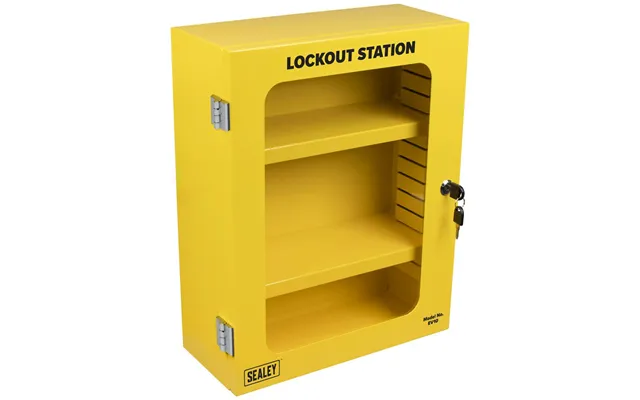
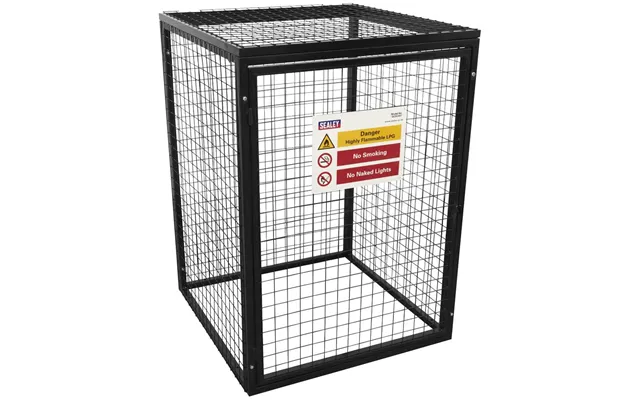
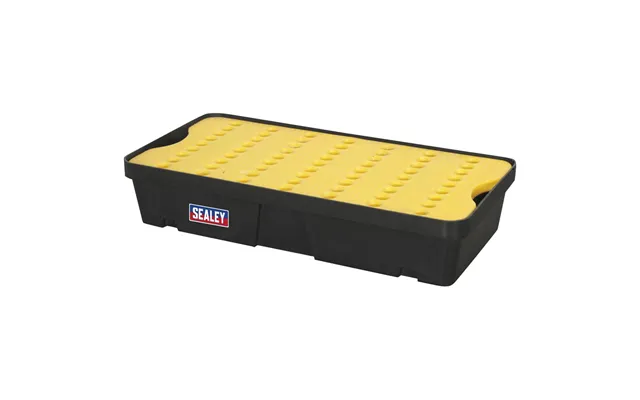
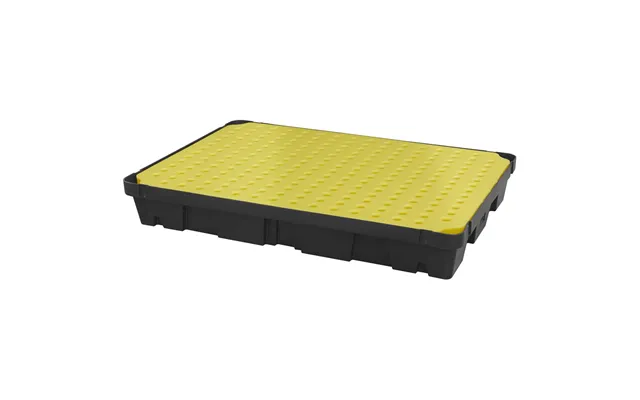
Powder-coated steel often wins on price, galvanized sits in the practical middle for outdoors, and stainless typically costs more but pays off in longevity and low maintenance. Maintenance is straightforward: wipe down, inspect fasteners, and touch up scuffs on coated surfaces. With galvanized posts, minor scratches are less dramatic because zinc helps protect exposed steel—but bigger gouges still deserve attention. Stainless is easy to clean and tough to rust, which saves time in the long run.
A great storage plan starts with a tape measure and ends with a system that feels tailor-made. Map your space: door swings, window heights, and any slope in the floor. Then plan vertical reach based on how high you can safely lift items. You want shelves you can actually use without a circus act. Organize by frequency: daily-use gear between waist and shoulder height, heavier items lower, and seldom-used stock up high where it’s safe and out of the way.
Give yourself room to move. As a rule of thumb, a 3 ft aisle keeps traffic flowing without elbow fights. Leave about 18 in behind shelves placed along walls for airflow and easy cleaning, especially outdoors where debris gathers. If you handle bulky items or roll carts between rows, widen the aisle to fit your largest item plus a comfortable buffer. You’ll thank yourself every time you pivot with a tote in hand.
Rain happens, and water finds low spots. Install freestanding posts on solid, well-drained bases. If you’re placing units on pavers or a concrete pad, pitch the surface slightly so water runs off, not under. Choose wire shelves or slatted decks that shed water, and avoid putting moisture-sensitive stock on bottom levels. A simple cover or canopy can extend the life of everything below, especially if you’re in a windy or coastal area.
Storage should be boring—in a good way. That means predictable, safe performance with zero drama. Start with the manufacturer’s load rating and treat it like a speed limit: not a suggestion. Distribute weight evenly across shelves, keep heaviest items low, and don’t mix shelf types without confirming compatibility. For tall runs or outdoor setups, anchoring and bracing aren’t optional; they’re the safety net that keeps racks standing when life gets bumpy.
Even in areas with low seismic risk, bracing pays off. Freestanding posts benefit from base anchors, top ties, or cross-braces to resist racking. When you add height—say, above 6 ft—small nudges produce bigger leverage. Anchors in concrete should be rated for the expected loads and environmental conditions. If you’re working on timber, use appropriate lag screws and consider spreading out the load with plates or brackets designed for the job.
It’s the bumps you didn’t see coming that cause trouble. Post protectors shield the base from pallet taps and cart wheels. End caps keep moisture out of hollow posts and remove sharp edges where hands might roam. On busy floors, corner guards make sense, and bright colors or reflectors help drivers spot potential collisions sooner. These small additions often cost less than a single damaged shelf—and they work quietly in the background, day after day.
Sometimes you don’t need more shelves—you need smarter ones. Add-ons like bin rails, dividers, label frames, and liners turn the same footprint into a precision tool. Wire deck bridges add spanning strength; cantilever arms create parking spots for awkward tools; and hanging rails carry odd-shaped gear you’d never stack neatly. It’s like installing extra drawers without changing the cabinet.
Small parts breed chaos unless you give them homes. Stackable bins clip onto louvered panels, divided shelf trays keep families of parts together, and label holders make it obvious where everything goes. If your team can find an item in seconds because the label calls to them from 3 ft away, that’s time saved every single day.
When storage rolls, workflows improve. Heavy-duty casters—swivel with brakes in front, rigid in back—let you move full shelves to the task instead of trekking back and forth. Look for casters with high load ratings and wheel materials that won’t flat-spot under weight. Outdoors, larger wheels handle uneven surfaces better, and stainless or galvanized hardware keeps the rolling smooth after storms.
Good installs start square and stay square. Clear the area, check the floor, and stage parts before you begin. Then assemble from the bottom up, checking plumb as you go. If you’re mixing brands or adding a new accessory to an existing system, verify hole spacing and hardware compatibility first. A few minutes of planning beats an hour of rework every time.
Have a tape measure, level, wrench set, nut drivers, impact driver with clutch, and safety gear ready—gloves, eye protection, and toe protection. For anchors, you’ll need a hammer drill and the correct bit for your anchors. Sketch your layout and mark anchor points before drilling. Keep fasteners sorted by size in small cups or bins to avoid mix-ups mid-build.
Set posts, add the lowest shelf, and square it up. Tighten just enough to hold position. Add the next shelf, check level and plumb, then repeat. Once all shelves are in place, torque fasteners to spec, install braces, and add end caps or guards. Finally, anchor the base and confirm every shelf sits flat with no rocking. Load from the bottom up to keep the center of gravity down.
Well-maintained accessories pay dividends. A short checklist keeps your system humming: wipe down surfaces, inspect hardware, check level, and rotate heavy stock to avoid long-term sag. Outdoors, give special attention to base plates and exposed fasteners—these spots battle the elements first and need the most love.
Use a mild cleaner to remove grime and road dust. Inspect galvanized posts for scratches or dull spots; minor cosmetic changes are normal, but flaking or red rust needs action. For powder-coated or stainless components, clean and dry thoroughly after exposure to rain or salt spray. Catching small issues early prevents big repairs later.
Vibration and temperature changes can loosen hardware over time. Give your setup a seasonal tune-up: verify bolt torque, confirm shelves sit level, and ensure casters still brake firmly. A quick re-check when you reorganize heavy items is smart too. If a shelf is sagging, move the heaviest items lower or add intermediate supports.
Costs vary with material, finish, height, gauge, and specialty features. Galvanized outdoor components typically cost more than basic indoor pieces, while stainless commands a premium for its near set-and-forget durability. To stretch your budget, compare multiple sellers and brands. Using a comparison site like ZoneOffer is helpful because you can scan options, specs, and deals across the market without bouncing between dozens of tabs. Remember: a fair price is great, but compatibility and durability are what end up saving money over time.
Material thickness, post height, corrosion-resistant finishes, and engineering extras—like cross-braces or reinforced brackets—push prices up. On the flip side, standardized sizes and large-run manufacturing keep costs down. If you only need light-duty support, don’t overbuy; but if you’re storing heavy tools or totes outside, invest in the tougher spec so you’re not rebuying after one hard season.
Spend more when failure would be expensive. Outdoor posts, anchors, and critical brackets deserve higher specs. Pay for better casters if you roll heavy loads daily, and choose stainless where hygiene or constant moisture makes corrosion a real threat. For decorative spaces, powder-coated finishes in matching colors can be worth the modest premium for a polished, professional look.
Industrial storage accessories aren’t just for pallet-heavy warehouses. They elevate any space where gear needs a home. In warehouses, they cut pick times and keep aisles compliant. In garages, they reclaim floor space for vehicles and projects. Outdoors, they turn otherwise wasted corners into tidy tool stations. The common thread? Every item earns its value by making your day easier, safer, and faster.
Light-duty means small parts, hand tools, and cartons—ideal for wire shelving with dividers, bins, and labels. Heavy-duty means dense totes, power tools, and materials that push shelf ratings—this is where reinforced brackets, thicker posts, and anchors are essential. If you’re mixing both, set heavy-duty zones low and light-duty higher up so gravity works with you, not against you.
Outdoor setups need a weather-first mindset. Start with galvanized posts like the String String Outdoor Freestanding Post Galvanized, then add wire or slatted shelves that drain. Use stainless or galvanized hardware throughout and consider a canopy if you store sensitive items. Keep frequently used tools between 2 ft and 5 ft from the ground so they’re easy to grab without climbing.
Before you click buy, do a quick sanity check. Measure twice, confirm compatibility, and weigh your heaviest items. If you’re building onto a known system, check hole spacing, bracket style, and finish. If you’re going outdoors, prioritize galvanized or stainless components and weatherproof fasteners. A five-minute checklist now prevents a week of returns and refits later.
Even simple posts have nuances: hole patterns, bracket interfaces, and recommended anchor types. Mix-and-match is fine if specs align, but verify with product documentation. For multi-brand builds, a universal adapter or generic bracket might bridge the gap, yet make sure it maintains load ratings and doesn’t void warranties.
Quality brands stand behind their hardware. Keep digital copies of manuals, spec sheets, and assembly guides. If you’re storing heavy or high-value gear, look for clear load charts and installation instructions. Documentation saves headaches when expanding later—and makes safety audits smoother if you ever need them.
Outdoor-ready, industrial-grade accessories can transform any space into a high-performance, future-proof storage zone. Start with a robust backbone—such as a galvanized freestanding post—then add the right brackets, anchors, shelves, and smart organizers. Plan your layout carefully, respect load ratings, and maintain the system with a quick seasonal check. Whether you’re organizing a busy warehouse aisle or a weather-beaten garden station, the right industrial storage accessories will help you work safer, faster, and with far less clutter.
| Industrial Storage Accessories | Price | |
|---|---|---|
| Beaverswood Magnetic Easy Wipe Warehouse Racking Strip H25mmxw10m White Roll - Msr25w | £ 33,84 | |
| Racksack Hard-wearing And Re-usable Shrink Wrap Sack 160 Litre Capacity Blue Each - Rsb1 Sw | £ 35,12 | |
| String String Outdoor Freestanding Post Galvanized | £ 78,- | |
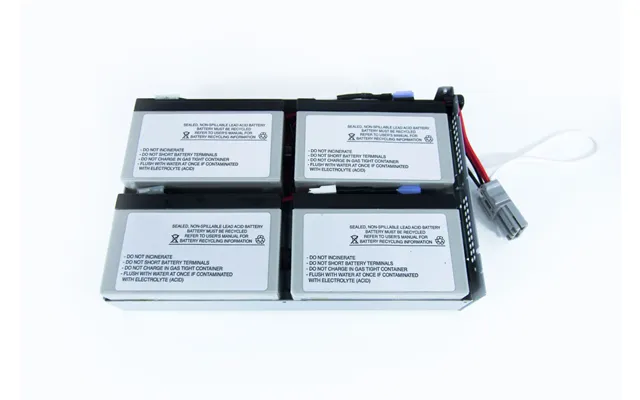
| Origin Storage Origin Replacement Ups Battery Cartridge Apcrbc157 Seal | £ 252,82 | |
| Origin Storage Origin Replacement Ups Battery Cartridge Apcrbc157 Seal | £ 252,82 | |
| Eaton 9sxebm96t Ups Battery Cabinet Tower | £ 755,77 | |
| Eaton 9sxebm96t Ups Battery Cabinet Tower | £ 755,77 |