All categories
Business & Offices
Electronics & Media
Fashion & Accessories
Groceries & Essentials
Health & Personal Care
Home & Living
Kids & Family
Sports & Outdoors
Search in ZoneOffer

Loading...
If you’ve ever tried to tame a busy warehouse, a windswept yard, or a cramped backroom, you already know that racks and shelves are only half the story. The real magic comes from the right industrial storage accessories—the posts, base plates, panels, bins, dividers, and safety add‑ons that transform chaos into a clean, efficient, and safe system. These unsung heroes keep your goods stable, your workflow smooth, and your team focused. Think of accessories as the modular toolkit that lets you tune a setup to the job at hand: rugged enough for outdoor weather, nimble enough for seasonal reconfigurations, and smart enough to keep labels, guards, and anchors exactly where you need them.
Among the popular offers in industrial storage, one standout is the String String Outdoor Freestanding Post in a galvanized finish. Freestanding posts act like the spine of a flexible shelving system, so the finish and build quality really matter—especially outdoors. A galvanized post is engineered to shrug off rain, splashes, and salty air better than a painted post. The result? Less fussing, fewer touch‑ups, and a longer service life. Whether you’re creating a standalone outdoor bay by your loading area or setting up a weather‑resistant display for bulky components, a galvanized freestanding post is a reliable starting point. It’s easy to drop into a modular system, scale as your storage grows, and keep things tidy without locking you into a permanent layout.
Galvanized steel is like a raincoat and armor in one. The zinc layer helps resist corrosion, so your post can live outside and still look presentable years later. That means the post can take on splashes, occasional washdowns, or hum of day‑to‑day handling without pitting and flaking. From a practical standpoint, the finish reduces maintenance—no frequent repainting or panic each time the weather turns. Beyond the finish, a well‑made post is designed for stability. Pair it with a robust base plate and you’ve got a backbone that doesn’t wobble under routine loads. The best part? It’s modular. As your needs change—new shelves, extra backstops, more dividers—you simply upgrade around the same sturdy posts.
Freestanding posts commonly come in heights from about 60 inches up to 96 inches or more, giving you options for compact stations as well as tall bays. Diameters or side widths can vary—2 inches by 2 inches square is popular for lighter modular systems, while heavier duty posts can step up in gauge or footprint. Hole spacing may be uniform in 1‑inch or 2‑inch increments, which makes reconfiguring shelves fast and intuitive. Good posts pair easily with standard shelf brackets, wire decking, and back panels. If you need to stabilize on pavers or an uneven outdoor pad, look for a wide base plate and consider mechanical anchors suitable for concrete or masonry. Caps and end guards are useful extras to seal the top of the post and keep water out.
Choosing between freestanding and wall‑mounted storage is all about your space, your load, and your flexibility. Wall‑mounted runs save floor area and give a clean, minimalist look, but they depend on a suitable structure for secure anchoring. Freestanding systems, by contrast, stand on their own. They can go almost anywhere, evolve quickly, and move when workflows change. If your stock shifts frequently or you’re planning an outdoor layout without a dependable wall, freestanding posts are the clear winner. And with the right base, you’ll keep stability high without sacrificing portability.
Need a temporary station? Experimenting with a new picking route? Working against a fence line or out in a yard? Freestanding shines. You can set posts where traffic naturally flows and move them later without patching holes. For outdoor setups—like staging construction consumables or storing weather‑tolerant inventory—freestanding galvanized posts handle exposure gracefully. Add a bracing panel or a backstop and you’ll keep items corralled even when forklifts breeze by or wind gusts pick up.
Have a narrow corridor or must keep aisles wide open? Wall‑mounted shelving can be excellent for lighter loads and predictable stock profiles. If you’re in a space with dependable studs or a concrete wall, wall mounts can reduce tipping risk and minimize floor obstruction. Just remember that outdoor walls can introduce moisture and movement, so anchoring details and hardware selection become more critical, and layout changes take more effort than a freestanding alternative.
Posts are only the start. The right accessories make a storage system safer, faster to use, and more tailored to your goods. From base plates to bins, these add‑ons will level up your setup and save you time during peak season crunches.
Think of a base plate as a post’s shoes—better shoes, better stance. Wider plates distribute weight, help on uneven outdoor pads, and give you more real estate for anchors. If you’re on concrete, expansion anchors or wedge anchors sized to the plate holes can boost stability under dynamic loads. If you operate in a high‑traffic zone, consider low‑profile guards that sit around the base to fend off bumps from carts or pallets. Always size the anchor and plate as a system—too small and the post can rock; too large and you might create tripping hazards.
Back panels and side mesh keep stock from migrating. If you’ve ever lost a box to the narrow gap behind a bay, you’ll appreciate a mesh panel installed at the rear. It’s especially useful along fences or walls outdoors, where retrieving dropped items is inconvenient. Look for panels that bolt cleanly to post holes, match your post height, and allow airflow so items stay dry.
Small parts rule the roost when organized, and they ruin your day when they aren’t. Stackable bins, sturdy totes, and shelf dividers help you segment inventory by size or job. Clear front bins let you scan a shelf visually, while colored bins can encode categories at a glance. Opt for durable plastics with reinforced lips or steel bin fronts for heavier components. Dividers that snap into pre‑punched holes every 1 inch or 2 inches make it easy to resize spaces without tools.
Labels aren’t glamorous, but they’re productivity gold. Magnetic label holders make updates painless, and large, high‑contrast signs at bay ends prevent mis‑picks. Add end‑of‑aisle guards and post protectors where traffic is brisk. These low‑profile safety parts absorb bumps so your posts don’t have to. For outdoor schemes, weatherable label sleeves keep barcodes readable after showers and sunlight exposure.
Not all posts are created equal. You want the right balance of strength, finish, and compatibility so you’re not stuck replacing components in six months. Start with your load profile: how much weight per shelf, how many shelves per bay, and how dynamic the handling is. Then check finish quality, hole spacing, and accessory fit so you can expand without friction.
A strong galvanized finish should be even and continuous with no thin patches. If you can check the coating thickness, look for a durable layer measured in mils—thousandths of an inch—that stands up to outdoor use. Powder‑coated accessories are fine indoors, but for posts expected to see water or saline air, galvanized steel is the safer long‑term bet. Smooth edges and clean welds also matter; they reduce snags on packaging and hands.
Ratings should be clear: pounds per shelf and pounds per bay. If you’re stacking dense items, it’s easy to underestimate weight. Don’t. Include the shelf’s own weight, any bracing, and the likelihood of off‑center loads. Freestanding units gain rigidity from cross‑braces and decking—add these early if your load is high or if people will be pulling items at shoulder height. When in doubt, step up one strength class or add a stabilizer bar rather than flirting with a maximum rating.
Nothing slows a project like discovering your new shelf brackets don’t match the post’s hole pattern. Check spacing—commonly 1‑inch or 2‑inch increments—and the style: keyhole, slotted, or square. Confirm your decking depth, typical shelf widths, and whether your system prefers boltless assembly or traditional bolted connections. If you see yourself expanding outdoors, ensure mesh panels, backstops, and bin rails all align with your chosen posts.
Good installs are quiet performers: they just work. With outdoor freestanding posts, that means thinking about drainage, anchoring options, and future moves. You want stability today and flexibility tomorrow.
Start with a flat, well‑drained area. If water puddles, consider thin shims or a simple leveling compound so base plates sit flush. Lay out your bays with tape and measure aisle widths to keep traffic comfortable—36 inches is a handy minimum for light foot traffic, while equipment aisles will likely need more. Mark anchor points before drilling to avoid edge distances that compromise concrete strength.
Build frames on the ground when you can, then tip them up with help to protect threads and finishes. Tighten hardware in stages so you can square the frame as you go. Place heaviest items on the lowest shelves to keep the center of gravity down, and install any cross‑bracing before decking. If your post supports a long run, add intermediate braces at consistent intervals to reduce sway.
Top caps seal out water and debris, prolonging the life of the post. A light bead of non‑hardening sealant around base plate interfaces helps block standing moisture. For coastal or splash‑prone areas, a cold‑galvanizing touch‑up spray—applied in a few mils of thickness after drilling or cutting—keeps exposed steel protected. And if you’re near traffic, consider reflective safety tape on posts to boost visibility at dusk.
Strong accessories pay you back quietly. They resist corrosion, stay square, and keep shelves true, which translates to fewer shutdowns and replacements. Routine checks take minutes and can add years to your system’s life. Plus, when you choose standard hole patterns and common sizes, you gain a steady supply of compatible parts without paying custom premiums.
Every month or quarter, walk your setup. Look for chipped finishes, loose anchors, leaning posts, or bent shelves. Check labels for readability and bin fronts for cracks. Spin a few nuts at critical joints to confirm they’re snug. If you spot rust, treat it early—clean the area, neutralize, and touch up with a compatible protective coating. Catch small issues before they become big repairs.
Place heavier items low, avoid sudden impacts, and keep water from pooling around base plates. If you change layouts often, keep spare post caps, anchor kits, and brace hardware on hand to avoid improvising with mismatched parts. For outdoor posts, a quick rinse after a dusty season and a targeted touch‑up where the finish has worn thin can add seasons to the setup.
Safe storage is productive storage. While specific standards vary, the principles don’t: stable bays, clear aisles, accurate load labels, and trained staff. Think about how people actually use the space—reaching, lifting, and moving—and configure your posts, shelves, and accessories to support those motions safely. A stable post is step one; predictable handling completes the picture.
Even freestanding systems benefit from anchoring, especially outdoors or in busy aisles. Anchors prevent tip risk during a bump or when someone pulls an item from a high shelf. Add back panels or cross‑braces to stop racking sway. In tall installations, tether top bays where possible and keep the heaviest product below chest height. The goal isn’t just passing a checklist—it’s building a system that behaves itself under real‑world stress.
Label each bay with a clear pounds‑per‑shelf and pounds‑per‑bay limit. Make it obvious. Then train your team to load from the bottom up and distribute weight evenly. Post a quick guide at eye level near the run so new team members learn the rules fast. A few minutes of training prevents years of bad habits.
You don’t need the most expensive gear—you need the right gear. Focus on posts and accessories that hit your load, environment, and compatibility targets. Save money by standardizing on a common hole pattern and a sensible set of shelf depths so your parts mix stays tight. When it’s time to shop, comparing multiple offers is your secret weapon for value without compromise.
Price typically reflects steel thickness, post height, base plate size, and finish quality. Galvanized finishes cost more than paint but often pay back through longevity outdoors. Add‑ons like mesh panels, bin rails, and label kits raise the initial ticket but elevate daily efficiency. Running the numbers across the full lifecycle—maintenance, downtime, and upgrades—usually justifies better‑built posts and quality accessories.
Because industrial storage covers a wide range of brands, finishes, and specs, it’s smart to compare options side by side. A comparison site like ZoneOffer helps you scan popular offers, spot galvanized outdoor posts such as the String String Outdoor Freestanding Post, and weigh them against similar solutions. You get a clearer view of features, typical sizes, and compatible accessories without bouncing between dozens of sources. It’s a faster route to a well‑matched system.
The beauty of a modular, galvanized post system is how adaptable it is. Whether you’re handling parts outside, managing backroom overflow, or building a rugged staging area, the same backbone supports a wide range of jobs with just a few accessory tweaks.
Outdoors, galvanized freestanding posts anchor bays for pipes, fittings, and fasteners. Add wire backstops so small boxes don’t slip away, and apply post protectors at the ends where equipment turns. As projects rotate, reshuffle shelves and dividers without re‑drilling walls. Need a temporary zone for returns or tools? Drop in another pair of posts and go.
In clean but damp environments, galvanized or stainless‑compatible accessories battle moisture while staying easy to wipe down. Bins with smooth interiors help with cleanliness, and clear label sleeves make audits painless. Freestanding posts let you reconfigure for seasonal spikes—think extra shelf runs for packaging or special handling supplies—then reclaim floor space later.
Backrooms change overnight when promotions hit. Freestanding posts handle fast resets, while bin rails and dividers keep small items ready for quick picks. For high‑mix, low‑volume inventory, labeling and color‑coded bins speed things up. Add back panels to stop dropped items and, if your backroom doors open to the elements, enjoy the peace of mind that a galvanized finish brings.
Most headaches come from rushing spec decisions or mixing mismatched components. Keep your system standard, respect the load limits, and install with the day‑to‑day stresses in mind. A little planning prevents a lot of tinkering down the line.
It’s tempting to cobble together deals from different lines, but hole patterns, bracket geometry, and tolerances vary. If parts don’t line up perfectly, you risk weak joints and time‑draining fixes. Stick to a compatible family of posts, shelves, and accessories. That way, when you buy a new galvanized outdoor post or mesh panel later, it bolts right on.
Base plates take a beating—forks, pallet jacks, and foot traffic all converge there. Without guards, impacts and scuffs add up. Simple post protectors or low bumpers absorb those hits so your post doesn’t. Outdoors, base protection also reduces finish damage that can invite rust over time.
The right industrial storage accessories do more than hold stuff—they shape how your team works. Start with a strong backbone like a galvanized freestanding post, especially outdoors, and build out with base plates, braces, mesh panels, bins, and smart labels. Keep compatibility front and center so you can expand easily, and maintain your system with quick, regular checks. If you compare offers thoughtfully, you’ll land on a setup that’s tough, flexible, and easy on the budget. That’s how you turn a crowded space into a calm, high‑performing one—today and for the long haul.
| Industrial Storage Accessories - Other | Price | |
|---|---|---|
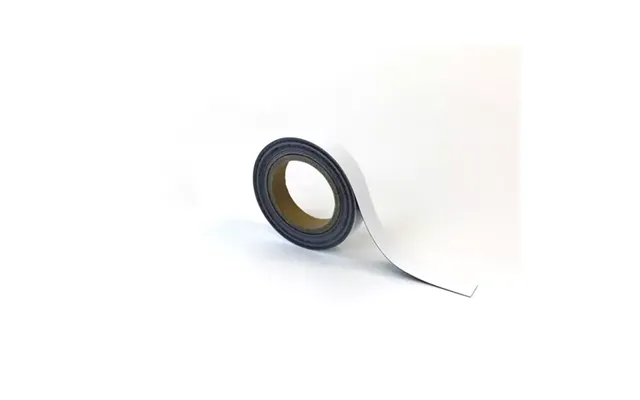
| Beaverswood Magnetic Easy Wipe Warehouse Racking Strip H25mmxw10m White Roll - Msr25w | £ 33,84 | |
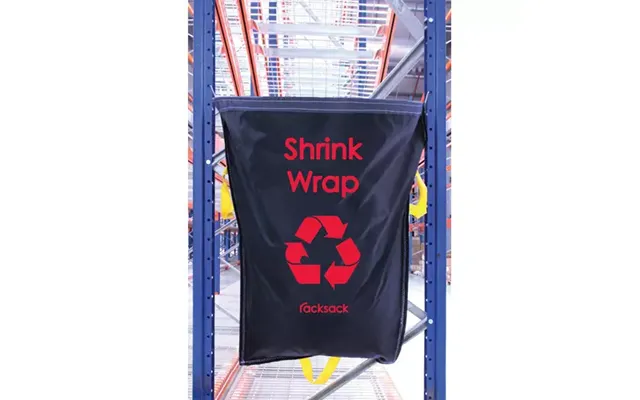
| Racksack Hard-wearing And Re-usable Shrink Wrap Sack 160 Litre Capacity Blue Each - Rsb1 Sw | £ 35,12 | |
| String String Outdoor Freestanding Post Galvanized | £ 78,- | |
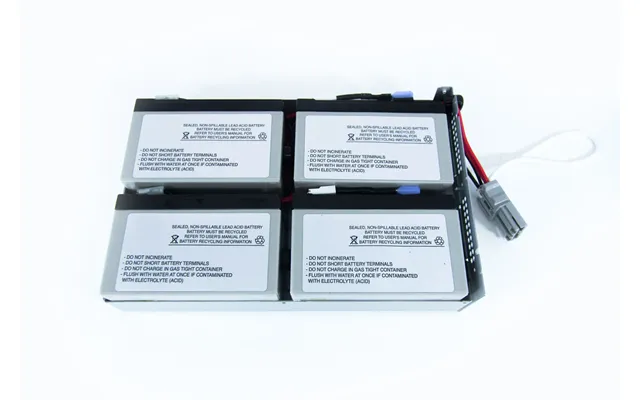
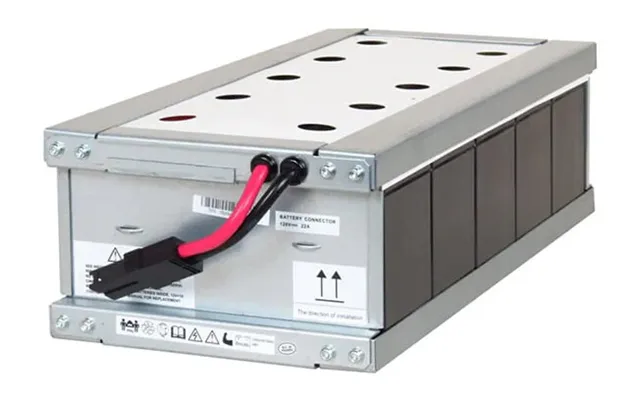
| Origin Storage Origin Replacement Ups Battery Cartridge Apcrbc157 Seal | £ 252,82 | |
| Origin Storage Origin Replacement Ups Battery Cartridge Apcrbc157 Seal | £ 252,82 | |
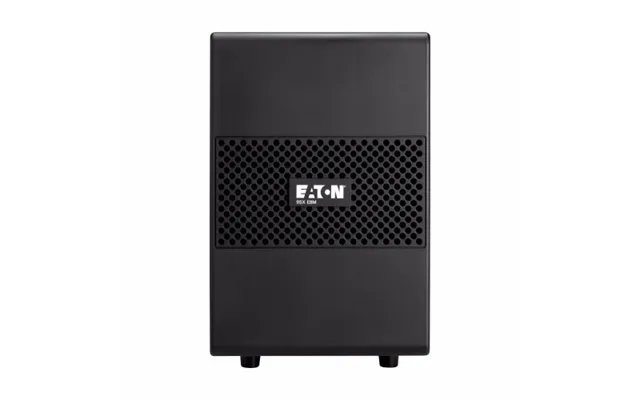
| Eaton 9sxebm96t Ups Battery Cabinet Tower | £ 755,77 | |
| Eaton 9sxebm96t Ups Battery Cabinet Tower | £ 755,77 |