

Shipping Containers price list
Last updated Monday, 19 Oct 2026




View 17 Offers


Loading...
Last updated Monday, 19 Oct 2026
Need secure storage in a hurry? Shipping containers are the workhorses of practical storage across the UK. They’re rugged, weather-resistant, and available in a range of sizes and specifications that fit everything from home renovations to major construction sites. If you’ve ever thought, “I just need a robust, lockable space,” a shipping container might be the simplest answer. And thanks to competitive online comparisons and popular offers, getting one delivered to your location has never been easier or more cost-effective.
At their core, shipping containers are steel boxes designed to protect cargo across oceans. Once they retire from sea duty—or after a single “one-trip”—they find a second life on land as storage or converted spaces. That’s where the value shines: you’re getting industrial-grade security and weatherproofing at a fraction of the cost of building a permanent structure.
Curious where to start? You’ll typically browse by size, condition (new vs used), and extras like side doors or insulation. Before you scroll through a single price list, it helps to know exactly what you’re looking for and how offers are structured so you can pounce on the best deal.
The classic sizes you’ll encounter are 10 ft, 20 ft, and 40 ft containers. A 10 ft container is perfect when space is tight—think driveways, small yards, and compact work sites. The 20 ft container is the most popular because it balances capacity with easy delivery and placement. The 40 ft container is the king of capacity, ideal when you’ve got a high volume of tools, stock, or furniture to protect. If you need extra headroom, high-cube versions add roughly 1 ft of height, which is a game changer for taller equipment or racking.
Door configurations matter too. Standard double doors on the short end are common, but you can find units with double doors at both ends or even full side openings. Side-access containers make loading pallets, long materials, or vehicles much simpler and faster.
Most buyers choose standard dry containers for general storage. High-cube versions deliver extra vertical space—especially useful for racking, bulky equipment, or light conversion projects. Reefer (refrigerated) containers maintain set temperatures, which is brilliant for perishable stock, seasonal business, or even event catering. Open-top containers handle oversized cargo that needs top-loading. Flat-rack units are built for irregular shapes and heavy machinery. Knowing the type helps you scan listings quickly and zero in on the best-matched offers.
The hottest offers in the UK typically focus on 20 ft and 40 ft units, with used “wind and watertight” grades leading the value race. Why? Because they’re secure, dry, and cost-efficient. New or one-trip containers also feature heavily in popular offers, especially for buyers who want pristine aesthetics and minimal wear. With multiple vendors competing, you’ll often find bundled deals including delivery, lock boxes, or repainting at attractive prices.
Seasonal dips can appear, especially when import volumes fluctuate or when yard stock needs to be cleared. That’s when scanning the latest popular offers really pays off. You might spot discounted high-cube inventory, reefer specials, or upgraded doors without the usual premium.
New (often “one-trip”) containers look sharp, seal perfectly, and arrive with minimal wear. If you’re placing a unit near a home or client-facing location, the clean, uniform finish is a plus. Used containers, often graded “cargo-worthy” or “wind and watertight,” can show cosmetic signs of use—scratches, minor dents—but they deliver solid security and dryness at a lower cost. The sweet spot for many buyers is a quality used unit that passes a door-and-seal check, paired with a lock box for extra security.
There’s also a middle ground: repainted or refurbished units that blend reliability with a near-new appearance. If curb appeal matters but budget does too, keep an eye out for these blended offers when you scan a price list.
Price lists vary by size, condition, and extras. In the UK, you’ll typically see used 20 ft units priced attractively compared with new one-trip versions. Add-ons like side doors, additional vents, or a factory-fitted lock box push the price up, while high-cube height also commands a premium. Delivery distance, access complexity, and offloading method can influence your final invoice as much as the container itself.
Want a fast benchmark? As a ballpark, used 20 ft containers tend to sit at an accessible price point for most small businesses and homeowners. New one-trip 20 ft containers rise in cost due to their condition and fresh paintwork. For 40 ft units, you’ll often pay more overall but a similar cost per square foot of storage. Reefer containers and full side-access units cost more because of specialized doors, floors, and equipment.
Think about what you’re storing today—and what might change in the next couple of years. If you’re mid-renovation or running a growing trade, a 20 ft container is a sweet spot. Storing vehicles, machinery, or bulky inventory? A 40 ft container could save you from upgrading later. For tight plots or driveway storage, a 10 ft unit avoids heavy site preparation and keeps access simple.
Height matters. High-cube containers unlock vertical storage that standard units can’t match. If you plan to add tall shelving, hang tools, or stand stacked totes, that extra 1 ft of headroom makes a real difference. And don’t forget doors: end doors are fine for most users, but side-access makes loading long pallets, timber, or piping much more efficient.
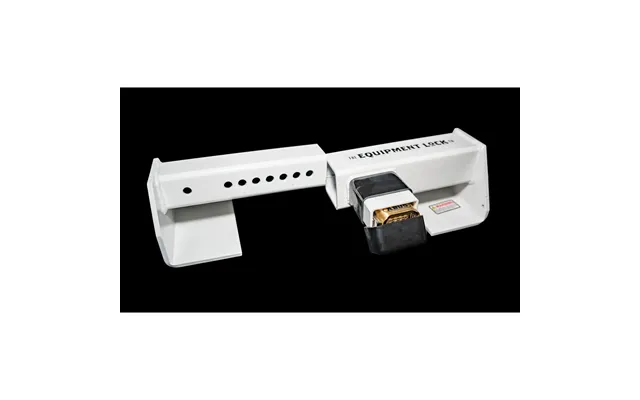
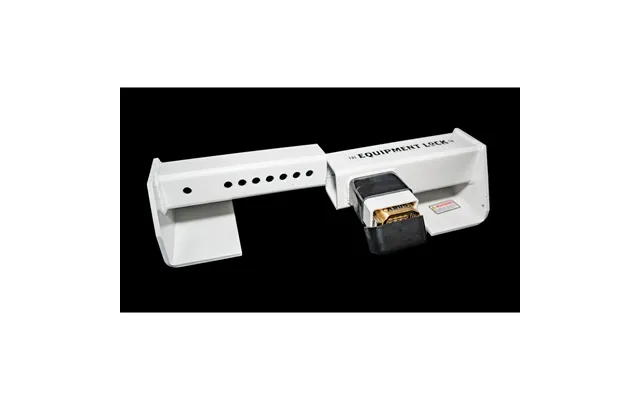
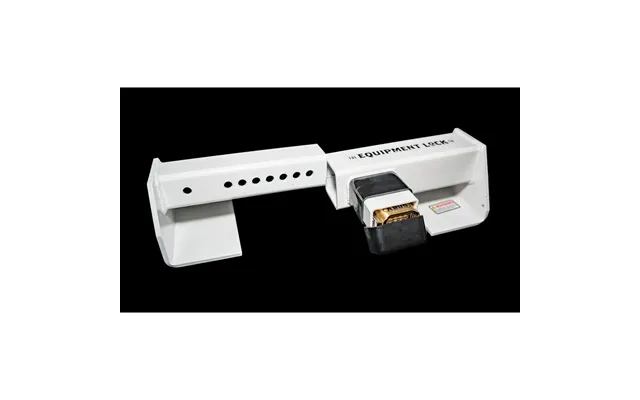
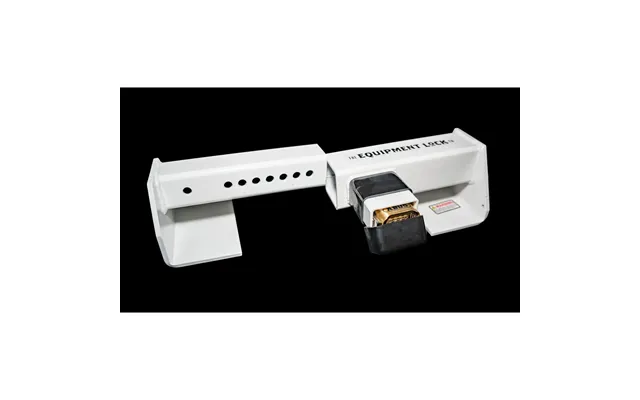
Doors are more than a hinge—they’re your daily interface. Double doors with easy-close handles save time and frustration. Some offers include upgraded door seals or easy-lift systems. A welded lock box is a must-have for site security; it shields your padlock from bolt cutters and prying tools. If price lists mention “lock box included,” that’s a clear point of value you can compare across listings.
High-cube containers add approximately 1 ft of internal height, pushing usability up for only a modest cost jump. If you’re racking, storing tall items, or planning a light conversion to an office or studio, that extra height reduces compromise. In many cases, a high-cube 20 ft beats a standard 20 ft because you get more storage without needing a longer footprint.
Delivery is all about access and ground conditions. Tell the supplier your exact site constraints: narrow lanes, low branches, tight turns, or overhead cables. For most deliveries, a truck with a mounted crane can place a container a few feet off the side of the vehicle, but you’ll still want a clear, level spot ready to go. Aim for a level base and plan to support the container corners with sturdy blocks or timbers to keep the floor off the ground.
How much space should you allow? As a rule of thumb, give the vehicle a clear approach and enough straight-line length to back in and position. For a 20 ft container, a safe working area longer than the truck and container combined is helpful, while 40 ft units require more space and careful planning. If access is tight, consider a smaller size or discuss specialized offloading methods in advance.
You don’t need a poured slab for most storage uses. Many owners use timber sleepers, concrete pads at the corners, or compacted stone to provide a stable, level base and airflow underneath. Avoid soft ground that can settle unevenly, which makes doors hard to open. A little prep goes a long way, and you’ll notice the difference every time you unlock the doors.
In many UK scenarios, containers used for temporary storage won’t require planning permission, but local rules vary. It’s smart to check if the container will be visible from the street, near boundaries, or used for a commercial purpose on a residential plot. Ask providers about typical guidelines they see, and always verify with your local authority if you’re unsure.
One of the joys of a shipping container is how easily it can be tailored to your needs. A standard unit becomes a workshop, garden equipment hub, or pop-up retail space with just a few smart tweaks. The most valuable upgrades are often the simplest: ventilation, insulation, shelving, and electrics. If a price list includes package upgrades with these features, compare the bundle cost to doing it yourself—you may save time and money with a factory finish.
For professional sites, adding personnel doors, windows with security shutters, and interior lining creates a clean, comfortable workspace. Small businesses love container offices because they’re quick to deploy, movable, and far cheaper than expanding a building.
Condensation control is your best friend. Passive vents help air flow, while insulation reduces temperature swings that cause moisture buildup. Many buyers choose spray-foam or panel insulation, then line the interior with ply for a clean finish. Add LED lighting, a few sockets, and sturdy shelving, and you’ve got a secure mini-warehouse that’s a pleasure to use.
Combine a welded lock box with a high-security padlock for a solid baseline. If the container sits out of sight, consider a motion light, discrete cameras, or an alarm. Anti-jemmy door guards, internal hasps, and reinforced hinges create multiple layers of deterrence. When comparing offers, note which security features are included and their quality—it’s far easier to pick the right spec upfront than retrofit later.
On construction sites, containers store tools and materials safely after hours. For schools and clubs, they’re a tidy solution for sports gear and event supplies. Farms use them for feed, machinery spares, and seasonal equipment. Retailers and market traders create eye-catching pop-up spaces, while event organizers lean on them for backstage logistics and chilled storage. Even households find them invaluable during renovations, downsizing, or long-term hobbies that need secure, dry space.
Reefer containers add another layer of capability. Whether you’re safeguarding perishables, running outdoor events that need temperature control, or setting up seasonal storage for florists and caterers, a reefer unit can hold precise temperatures—often selectable across a wide range in Fahrenheit—so your stock stays protected rain or shine.
Containers are built to survive at sea, so they shrug off the British weather with ease. That said, small maintenance habits keep them in peak shape. Lubricate door hinges and locking bars so they swing smoothly. Inspect rubber door seals and replace them if they crack or tear. Keep gutters and door tracks clear of leaves and grit to avoid water pooling around entry points.
Paint touch-ups are simple and pay dividends. If you see a scratch down to bare metal, dab on a rust-inhibiting primer and a top coat to seal it. Many used containers come repainted in neutral colours, which blend better in residential settings and slow visible wear. When you see a “freshly repainted” note on a listing, that usually signals a little extra care and a cleaner look on delivery.
If you need storage for a short period—say during a renovation or a project with a defined timeline—renting can be the smarter path. You avoid the upfront purchase and long-term commitment. For ongoing needs, buying nearly always wins on total cost, and you gain the freedom to modify the unit however you like. Many providers offer rent-to-buy pathways, which can be a useful middle option if cash flow is tight but the need is long-term.
Remember to factor delivery, site setup, and removal (if renting) into your comparison. The more turns a truck has to make, or the trickier your access, the more these logistics shape the final bill. That’s why it’s worth getting a clear, all-in quote for both buying and renting before you decide.
Not all listings are created equal. A compelling headline price might exclude delivery, craned offloading, or essential security features, while a slightly higher price may include everything you need. Break down each quote into container size and type, condition grade, included extras (like a lock box or repaint), and the full delivery method with offloading. If the price list mentions “site survey included,” that’s a value add—especially if your access is tight.
Also look at availability. Popular sizes like 20 ft sometimes move fast when stock is lean. If you see a well-specified unit at a fair price—including the extras you’d add anyway—it may be better value than a bare-bones listing that looks cheaper at first glance. The goal is simple: find the offer with the best total package, not just the lowest line item.
Repurposing a shipping container extends its life cycle and keeps a lot of steel in productive use. Whether you’re using a retired unit or a one-trip container destined for land use, you’re avoiding the materials and energy needed to construct a new building for the same purpose. Add in the fact that containers can be relocated and reused repeatedly, and you’ve got a flexible asset that adapts to your needs without creating long-term site impact.
If sustainability is a priority, consider refurbished units and eco-friendly paints, and opt for insulated linings that reduce the need for heating or cooling. Even simple choices—like placing the container out of direct sun or adding shade—trim temperature swings and improve comfort inside.
Renovating your home and need somewhere safe for furniture and tools? A used 20 ft container with a lock box is a budget-friendly win. Running a landscaping business out of your driveway? A 10 ft unit fits compact spaces while keeping kit secure. Managing stock overflow for a growing e-commerce brand? A 40 ft high-cube delivers breathing room without juggling multiple smaller units. Building a pop-up coffee bar? A refurbished 20 ft with side doors and a serving hatch is practical and eye-catching.
As for pricing, you’ll usually find that the per-square-foot cost of 40 ft units is lower than two separate 20 ft units. Still, delivery and access often tip the scale. If your site can’t easily accept a 40 ft unit, a 20 ft may be the smarter move even if the raw storage cost per foot is higher. The right choice is the one that keeps your daily life simple.
Shipping containers tick a lot of boxes: secure, weatherproof, flexible, and cost-effective. With popular offers across the UK and clear price lists to compare, it’s easy to match a container to your budget and goals—whether that’s short-term storage, a mobile workspace, or a creative conversion. Focus on the fundamentals—size, condition, access, and included extras—and you’ll spot real value quickly. Once it’s in place, a well-chosen container becomes one of those assets you wonder how you lived without.