


Display Mannequins price list
Last updated Monday, 19 Oct 2026
| Display Mannequins | Price |
|---|---|
| Mechanika | £1.11 |
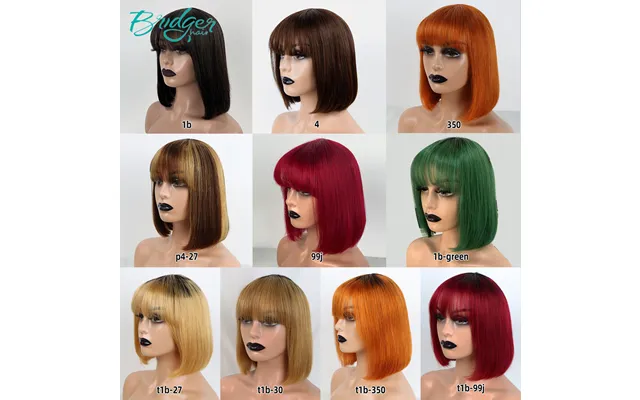
| Synthetic Hair Full Mechanism Headgear Straight Bob With Banghair Wigs | £27.98 |


Loading...
Last updated Monday, 19 Oct 2026
| Display Mannequins | Price |
|---|---|
| Mechanika | £1.11 |
| Synthetic Hair Full Mechanism Headgear Straight Bob With Banghair Wigs | £27.98 |
Looking to lift your store’s window appeal and convert more browsers into buyers? The right display mannequins act like silent salespeople—telling a story, showcasing fit, and steering customers toward the checkout. In the UK, there are hundreds of options and price points, from budget-friendly plastic torsos to premium fiberglass models built for flagship windows. This guide walks you through the most popular mannequin styles, features that actually move the needle, and smart ways to compare offers—so you can find the best value without sacrificing visual impact.
Display mannequins are three-dimensional forms used to show clothing, accessories, and footwear in windows and on the shop floor. They make outfits relatable—helping shoppers picture how garments drape, move, and pair together. In a world where attention spans are measured in seconds, a compelling mannequin scene can stop foot traffic, reinforce your brand, and create the kind of “I want that look” impulse that online photos often miss. Put simply, better presentation equals better conversion. Think of mannequins as your stage—your choreography—your chance to spotlight hero products and seasonal stories in a way flat fixtures never can.
Realistic mannequins feature defined facial details, lashes, and makeup-style finishes. They’re ideal when you want to convey personality—think luxury boutiques or lifestyle-led windows. With lifelike hands, sculpted musculature, and natural stances, they show fit beautifully for tailored pieces and occasionwear. If your brand focuses on expressive styling—statement coats, evening dresses, or menswear suiting—these models lend a premium, editorial feel that photographs well and pulls shoppers closer to the glass.
Abstract or “egghead” mannequins have simplified faces or no facial features at all. They’re favorites for contemporary stores because they look clean, modern, and never clash with a brand’s identity. Minimal features also reduce maintenance—no eyelashes to repair—and prevent your displays from feeling dated. If your aim is a gallery-like vibe that keeps the spotlight on the clothes, abstract forms are a safe, stylish bet that you can carry across seasons with minimal tweaks.
Headless mannequins offer maximum focus on the outfit while keeping the total height manageable for tight window lines. They’re great when you want to avoid the uncanny valley effect of human-like features or when you feature hats and accessories separately. Because they reveal less “character,” headless forms mix and match effortlessly across departments—menswear today, womenswear tomorrow—making them a cost-effective staple for multi-use merchandising.
Sports mannequins (running, jumping, stretching) bring movement to athleisure and footwear assortments. Dynamic posing puts sneakers, leggings, and performance tops in context, framing them as part of a lifestyle rather than a flat product shot. These figures often include heel or calf fittings that keep them balanced in energetic stances. When you need to stage a campaign with momentum—marathon season, back-to-gym, or a new trainer drop—action poses are your go-to storytelling tool.
Dress forms are pinnable, fabric-covered torsos used for tailoring and styling. Visual merchandisers love them because you can nip and tuck garments to perfect the silhouette. They shine for knitwear, scarves, and layering looks, and they take up less space than full-body models. Mounted on adjustable stands, these forms move easily from window to tabletop, making them a flexible workhorse for boutiques and pop-ups.
To reflect your range authentically, consider mannequins that mirror your customer base—kids, teens, and plus-size figures included. A plus-size mannequin helps shoppers visualize fit without guesswork, supporting inclusivity and boosting confidence in your brand. Kids and teens mannequins are must-haves for back-to-school and holiday windows, and they enable family styling stories that increase basket size by showing outfits side by side.
Fiberglass mannequins feel premium and hold crisp details: sculpted faces, defined hands, and clean lines. They’re sturdy and long-lasting, making them a smart investment for high-visibility windows. Plastic options, often polyethylene or polypropylene, are lighter, more impact-resistant, and budget-friendly. They’re a top pick for high-traffic stores, events, or mobile pop-ups where durability and easy transport matter. Your decision often comes down to detail versus durability—and where the mannequin will live.
Fabric-covered foam torsos with linen finishes bring a boutique, craft-forward vibe to displays. They pair beautifully with natural woods and neutral palettes, and they make pinning a breeze. If you rotate looks frequently or want to show avant-garde draping, these forms save time while keeping garments pristine. They’re also less intimidating for quick floor changes when your team needs to style without tools.
Sustainability is more than a buzzword—it’s a brand statement. Recyclable plastics, plant-based resins, and responsibly sourced fabrics are increasingly available in the mannequin world. Some models feature modular parts so you can repair or replace a component instead of scrapping the whole unit. For retailers with sustainability goals, look for designs that extend life cycles and offer take-back or recycling pathways when your display strategy evolves.
Finish influences how garments photograph and how light behaves in your window. Matte reduces glare and looks sophisticated under bright lighting. Satin offers a soft sheen that enhances color without mirror-like reflections. Glossy finishes scream high-fashion and can electrify a minimalist scene—but be mindful of fingerprints and reflections. Choose finishes that complement your lighting plan and the textures you sell most—denim, suiting, sequins, or activewear all respond differently to sheen.
Compelling posture sells the story: a subtle hip shift for denim, a dynamic stride for trainers, a relaxed slouch for casualwear. But drama needs stability. Look for sturdy bases, well-engineered joints, and secure fittings that keep the mannequin steady when the floor is busy. A mannequin that wobbles when a shopper brushes past is a distraction—and a risk. Balance is beauty, and it prevents daily micro-adjustments that waste staff time.
Interchangeable arms, heads, and hands stretch your budget further by making one mannequin perform like many. Articulated wood arms add movement and texture without replacing full bodies. If your displays evolve weekly, modularity keeps looks fresh—swap hands to hold a clutch, rotate arms to present a bag strap, or change heads to alter brand tone in seconds.
Bases matter more than most people think. Tempered glass bases look premium and disappear visually, while metal bases maximize durability. Heel fittings secure models in high-heel shoes, and calf fittings allow footwear to sit cleanly on the floor. For dress forms, adjustable stands with locking casters make repositioning smooth during floor resets. Prioritize fittings that match your product category—especially if footwear is a key sales driver.
Most adult mannequins range roughly from 5 ft 6 in to 6 ft 2 in, with common bust-waist-hip measurements around 34–26–36 in for womenswear and a 38–32–40 in chest-waist-hip for menswear. If you’re mixing models, keep heights within a tight band so groupings look cohesive in photos and from the pavement. For kids, scale down proportionally and ensure bases don’t create tripping hazards on the shop floor.
Boutiques often benefit from fewer, higher-impact mannequins with premium finishes and flexible styling options. Department stores, on the other hand, need a blend—cost-effective plastic for high-traffic zones, fiberglass for hero windows, and dress forms for tables. Think in zones: window showstoppers, aisle anchors, and quick-change forms near fitting rooms. Each plays a role in the customer journey from glance to purchase.
Windows are theater; inside the store is utility. In windows, expressive poses and glossy finishes shine. On the floor, opt for stable, easy-to-dress models that don’t dominate sightlines. If your windows sit in direct sunlight, go for UV-resistant finishes and avoid dark colors that showcase dust. In interior zones, matte finishes reduce glare under overhead LEDs and keep your garments in focus.
Plan your mannequin mix like a capsule wardrobe. For spring, lightweight linen dress forms and breezy poses support color-forward stories. In winter, realistic models with strong posture show structure in coats and tailoring. Use accessories—bags, scarves, hats—to change the mood quickly, keeping the same base forms working hard all year with minimal swaps.
Expect budget plastic torsos to sit at the entry level, while premium fiberglass figures with realistic details command higher prices. Costs rise with sculpt complexity, finish quality, pose engineering, and included accessories (bases, fittings, wigs). Don’t forget the hidden savings in durability—cheaper models that crack or scuff easily can cost more over a year of resets and staff time. A clear list of must-have features keeps comparisons honest when you line up offers.
For multi-site rollouts or seasonal campaigns, bulk packs and starter sets can reduce the per-model cost and ensure a consistent look across locations. Check whether spare hands, feet, or fittings are included or available—small parts are inexpensive, but they can delay a display refresh if you don’t have backups on hand. When you compare options on a UK comparison platform like ZoneOffer, look beyond ticket price—verify what’s actually in the box and what’s extra.
Look for clear warranty terms, stable base designs, and safety guidance, especially if your displays sit near high-traffic areas. Anti-tip standards, secure fittings, and neck or waist supports reduce risk. If you plan to place mannequins on raised plinths, confirm weight limits and ensure bases fit fully on the platform. A safe, stable setup protects shoppers, staff, and your investment.
Great mannequins assemble quickly with minimal tools—usually a stand, base, legs, torso, and head. Numbered parts, quick-release fittings, and magnetic hands make dressing a breeze. When you unbox, save the foam and wrap; it’s perfect for off-season storage. Keep a small kit nearby—microfiber cloths, mild soap, a screwdriver, and spare fittings—so resets don’t stall while someone hunts for supplies.
Dust and fingerprints show fastest on glossy finishes, so build a weekly cleaning routine with gentle, non-abrasive cleaners and soft cloths. For scuffs on plastic, a careful polish can help; for fiberglass chips, touch-up paint matched to your finish preserves the premium look. When storing, wrap parts individually, protect faces and hands, and avoid stacking bases directly on finished surfaces to prevent scratches.
Always remove hands (or arms, if modular) before sliding sleeves on to avoid stretching seams. Use heel or calf fittings to keep footwear looking crisp and to prevent wobble. Steam garments before dressing rather than on the mannequin to avoid moisture and heat on finishes. Pins belong on dress forms, not fiberglass or plastic—use discreet clips instead to protect surfaces.
Start with a hero piece—a coat, a dress, or a sneaker—then build around it with complementary textures and hues. Color blocking helps passersby “read” the display in a heartbeat. Group outfits by palette or theme and repeat accent colors across multiple mannequins to lead the eye across the scene. The goal is clarity: a shopper should decode the story in seconds and feel inspired to step inside.
Lighting can make a good mannequin look great. Use directional lighting to highlight textures and create depth, but avoid harsh angles that cause glare on glossy finishes. Props amplify the narrative: benches for athleisure, trunks for travel stories, or foliage for spring drops. Keep props proportional and remember that negative space is a design tool—let the outfits breathe.
Treat your window like a campaign. Track sell-through of featured items, footfall patterns, and dwell time near displays. Swap a pose, change a finish, or rotate from realistic to abstract and compare results week to week. Small experiments reveal big truths about your audience, guiding smarter investments in your mannequin fleet over time.
For e-commerce imagery, ghost mannequins (removable neck and arm sections) deliver that “invisible model” effect, keeping all attention on the garment’s shape. They’re invaluable for a consistent online look and speed up shooting days. If your store runs in-house photography, pairing retail mannequins with a ghost model creates a seamless pipeline from window to web.
Torso forms, busts, and hanging displays complement full-body figures and cover categories where size and space matter—lingerie, accessories, hats, and scarves. Nesting fixtures that tuck under tables or mount on walls extend your storytelling without crowding the floor. Variety keeps the eye engaged and helps you show more looks without overwhelming the shopper.
Swap wigs to pivot a mannequin’s personality in minutes—sleek bobs for minimal looks, curls for boho stories, or sporty updos for activewear. Subtle makeup accents on realistic models can unify a campaign, while branded decals on bases or backwalls reinforce identity without expensive rebuilds. Keep a small accessory kit ready so your team can refresh visuals fast between deliveries.
Plan clear lanes so customers can move without bumping displays. Position bases fully on flat surfaces and keep edges away from high-traffic turns. If you display on risers, choose models with wide bases and anchor where needed. Always test stability after dressing—added weight from boots or bags can shift the center of gravity more than you’d expect.
Extend longevity with modular parts and durable finishes. When your concept changes, consider repainting or refinishing rather than replacing—abstract models, especially, adapt well to new palettes. When it’s truly time to retire a mannequin, look for recycling or repurposing options through local services or industry partners to minimize waste and align with your sustainability commitments.
Choosing the right display mannequins isn’t just a visual decision—it’s a commercial one. The right mix of models, materials, and features can elevate your brand, speed up floor resets, and turn windows into genuine conversion engines. Whether you favor realistic figures for editorial storytelling or abstract forms for minimalist polish, compare offers carefully, think about longevity, and invest where it counts: stability, finish quality, and flexibility. With a smart plan and a sharp eye, your mannequins will work harder than any other fixtures in your store—day in, day out.