All categories
Business & Offices
Electronics & Media
Fashion & Accessories
Groceries & Essentials
Health & Personal Care
Home & Living
Kids & Family
Sports & Outdoors

Search in ZoneOffer

Loading...
When people think of laboratory gear, they picture glassware, pipettes, or big-ticket machines. But the real day-to-day magic often happens thanks to everything in the “other” category—those small, reliable tools and consumables that keep experiments moving smoothly. Think slides, tubes, racks, wipes, labels, films, filters, forceps, thermometers, and more. This guide breaks down those essentials with a UK focus, helping you compare popular offers and make sense of price lists so you can build a robust, dependable bench setup without overspending.
Here’s the thing: a lab can run without a new showpiece instrument, but it stops cold if you run out of the basics. “Other” supplies are the connective tissue of your workflow, quietly enabling storage, handling, measurement, and safety. The right consumables can reduce waste, prevent mix-ups, and protect your samples. The wrong ones? They can introduce contamination, confusion, and repeated work. In short, these small decisions compound into big results.
If you run a busy academic lab, support clinical research, or spin up a startup facility, this category is your daily bread. Students appreciate reliable, easy-to-use basics that survive a learning curve. Technologists need consistency and clear labeling. Principal investigators and managers want value-driven packs and dependable quality. Whether you’re outfitting a teaching bench or a high-throughput lab, dialed-in “other” supplies help you stay organized, efficient, and audit-ready.
The fastest way to boost productivity is to make your daily consumables predictable: you always know what you’ve got, where it is, and how it behaves. A smart mix of tubes, vials, tips, and racks gives you that steady rhythm. Choose items that match your protocols and the temperatures, chemicals, or storage durations you expect. Once you trust the baseline items, your team can focus on the science, not the supplies.
From snap-cap microtubes to screw-cap cryovials, the right vessel protects sample integrity and prevents leaks. Look for robust caps, clear walls for easy viewing, and markings that actually hold ink. If you’re working in cold storage, stick with plastics that can tolerate low temperatures without turning brittle. For long-term samples, tamper-evident caps and tight threads reduce anxiety. Racks with clear labeling help you grab the right sample in seconds, not minutes.
Tips are simple—until they don’t fit, seal poorly, or shed particles. Match your tips to brand and style where possible, and check that filter tips don’t compromise accuracy. Reloadable racks and stackable boxes save space and reduce plastic use. Pre-sterilized options are a good choice for sensitive work, but non-sterile tips can be perfect for general tasks. Keep a clean, intuitive system so everyone can find the right tip fast under pressure.
Slides, weigh boats, and labels seem mundane, but they’re quiet performance drivers. Crisply prepared slides, clean weighings, and durable labels keep your records tidy and traceable. When you handle a lot of samples or run imaging-heavy workflows, quality consumables pay off with fewer do-overs and better data capture. A neat bench also signals professionalism when auditors or collaborators visit.
Clarity, flatness, and clean edges are non-negotiable. Choose slides that are dust-free and packaged to reduce handling. Frosted ends are handy for quick labeling, while charged or coated slides help adhesion for specific applications. Coverslips should be clear and chip-resistant. A small slide storage case, perhaps only a few inches wide, can keep prepared slides safe and easy to retrieve when you need to re-check results.
Weigh boats and paper make dosing smoother and cleaner, especially with powders that love to wander. Look for anti-static options and robust edges that won’t collapse when you transfer. Sealing film (think flexible lab film) is the Swiss Army knife of bench work—great for quick seals, short incubations, and spill prevention. Keep a roll within arm’s reach; it’s one of those “how did we live without it?” tools.
If your samples are safe, traceable, and easy to find, your lab feels calm and in control. Good storage is like a well-organized pantry: you know what you have and how long it’s been there. The key is to create a system you’ll actually maintain—clear racks, resilient labels, and sturdy boxes that stand up to cold and handling without cracking or smudging.
Cryo boxes protect vials in dense, color-coded grids that make inventory a breeze. Sturdy corners, tight-fitting lids, and no-fuss numbering save time. Ice buckets with well-insulated walls keep samples cold longer without constant topping up. Tube racks with varying hole sizes are worth it, particularly stackable designs that fit neatly on a shelf. Choose materials that don’t warp and are easy to wipe down between runs.
Labels should stick firmly, resist smearing, and survive cold or moisture without peeling. Consider barcode labels to speed tracking and reduce transcription errors. Permanent markers that won’t fade or bleed are a must; keep backups so you’re never hunting for one mid-experiment. A simple rule: label everything as you go, including date and initials. You’ll thank yourself next month.
Whether you’re clarifying a solution or preparing a sample for analysis, basic filtration tools can save hours of troubleshooting. The essentials in the “other” category—filter papers, membrane discs, funnels, and holders—are easy to overlook until you need them, and then they’re indispensable. Keep a range on hand so you don’t queue an experiment for lack of a small consumable.
Choose pore characteristics that match your task—fast flow for quick clarifications, tighter hold for fine particulates. The paper should be consistent and tear-resistant. Membrane discs are all about compatibility; pick materials that play nicely with your solvents and don’t shed. Store flat, dry, and in labeled sleeves so you can grab what you need without rummaging through a drawer.
Sturdy funnels with smooth interiors reduce clogging and make cleanup easier. Filter holders that seal reliably prevent leaks and keep your hands safe. Consider adapters and stands that position your setup securely; a stable, hands-free arrangement beats improvised balancing acts. Keep a dedicated brush for cleaning to avoid cross-contamination, and replace worn gaskets before they cause surprises.
Handling tools and simple measuring devices are the workhorses of daily lab life. When forceps have good grip, spatulas are the right shape, and thermometers and timers are easy to read, your workflow feels frictionless. Think of this as the lab’s “tool drawer”—invest in reliable, ergonomic pieces you’ll reach for instinctively.
Fine tips, non-slip grips, and corrosion-resistant finishes are your best friends here. Keep a set for delicate materials and a separate set for general use. Spatulas with different blade shapes—flat, spooned, and angle-tipped—make transfers cleaner and more precise. Stainless tools last and clean up well, while disposable options have their place when sterility or speed is the priority.
A reliable thermometer and a simple, loud timer can prevent so many small mistakes. Choose easy-to-read displays and sturdy cases that won’t crack if bumped. Indicators—like temperature or time-check strips—give quick visual feedback in busy runs. Keep one backup timer in a drawer; eventually, someone forgets theirs, and it’s great to have a spare within reach.
Clean benches, properly managed spills, and safe disposal are non-negotiable for good science. You don’t need to overcomplicate it—just stock dependable wipes, sprays, and absorbents, and set up a waste system that your team can follow in their sleep. A tidy, safe space boosts morale and helps you pass inspections without drama.
Lint-free wipes that don’t shred are worth their weight in gold. Pair them with effective sprays for routine surface cleaning. Bench pads or liners help capture drips and make end-of-day cleanup faster. Keep a small caddy of cleaning basics at each station—when supplies are within arm’s reach, you’ll see better habits and fewer sticky surprises.
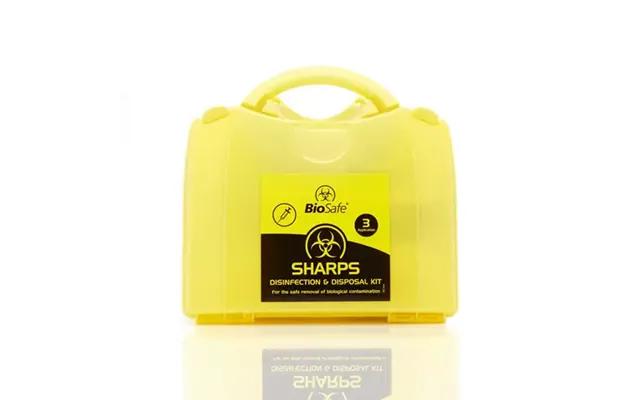
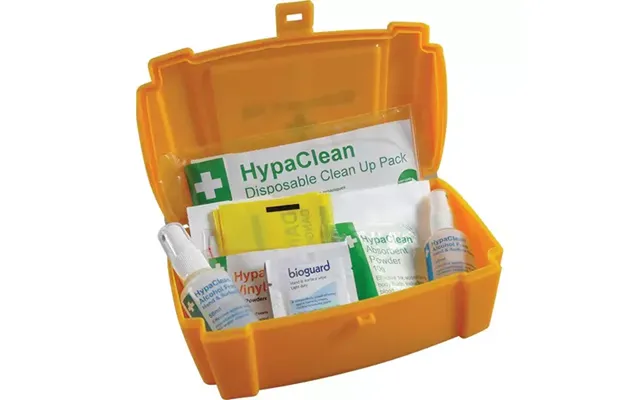
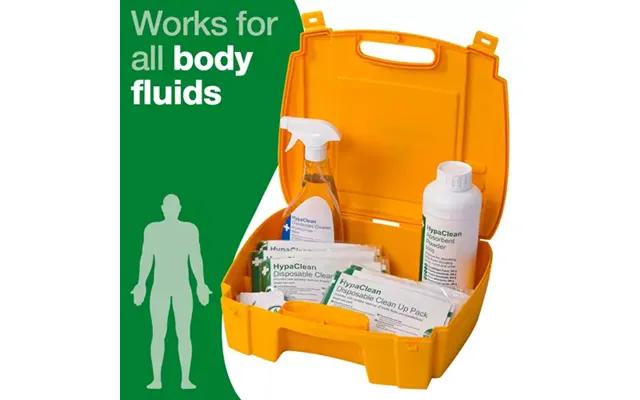
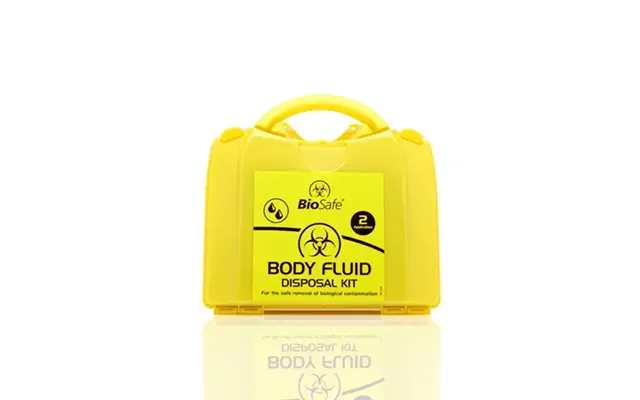
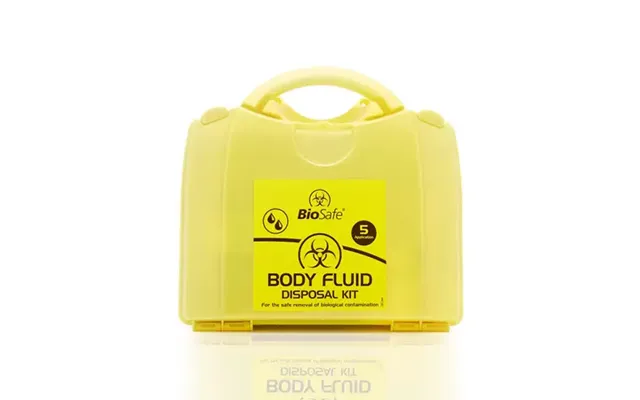
A compact spill kit with absorbent pads and neutralizers puts you back in control quickly. Label it clearly and show new team members where it lives. For waste, use rugged containers with tight lids, sized to your workflow so you don’t overfill or underuse them. Color coding can prevent mishaps and makes sorting second nature.
Comparing deals on “other” lab supplies can feel like a maze: different pack sizes, materials, sterility levels, and claims. The trick is to translate price lists into real-world value. Compare per-unit costs, check quality cues, and weigh convenience against storage space. A trusted comparison site such as ZoneOffer helps you scan popular offers across sellers quickly—use it to narrow the field, then double-check the details before you commit.
Don’t let a flashy sticker price fool you. Calculate the per-item cost and consider how many you’ll actually use before shelf life becomes an issue. Big packs save money if you have the turnover and space; smaller packs cost more per unit but reduce waste. Watch for bundled racks or accessories that offset price. Free add-ons can tip the balance toward the best value.
Materials matter: robust plastics, clean glass, and corrosion-resistant steels pay off over time. For consumables, look for clean manufacturing claims and relevant certifications that indicate consistent quality. Sterility indicators on packaging should be clear and trustworthy. Read reviews when available—other labs’ experiences with fit, durability, and clarity often reveal more than a product sheet.
Small mismatches in materials or fit can snowball into leaks, cloudiness, or inconsistent performance. Choose materials suited to your solvents and temperatures, decide when sterility is essential, and ensure your consumables fit the instruments you actually use. A little planning here saves you from those sigh-inducing moments where a tip won’t seat or a cap won’t seal.
Plastic is light, tough, and economical—great for routine tasks and cold storage. Glass shines for clarity and chemical resistance, especially when you need to see every detail. Stainless steel is the durability king for tools and clamps that see constant handling. If heat is in play, choose materials rated for high temperatures in Fahrenheit, and avoid sudden temperature swings that shock brittle items.
Cross-threaded caps and wobbly tips are more than annoyances—they can ruin runs. Match thread styles carefully and test one pack before buying in bulk. For pipette tips, confirm compatibility with your pipettes; even small shape differences matter. Racks should hold tubes snugly without scraping or tipping. If in doubt, order sample packs and check the fit in real bench conditions.
Labs generate a lot of waste, but smart choices can shrink your footprint without compromising data quality. Reusable tools where appropriate, recyclable materials, and better sorting all make a visible difference. Start with achievable swaps and build momentum—culture change often begins with a single, well-organized bench.
Stainless spatulas, durable forceps, and sturdy racks beat disposables in long-term value and waste reduction. Reusable glass slides and storage bottles can also pay off when breakage risk is low. The rule of thumb: if it touches critical samples, consider single-use; if it’s a handling tool or container in low-risk workflows, reusable is often smarter.
Set up clearly labeled bins for recyclables that meet your facility’s guidelines. Train the team on what’s acceptable—contaminated items belong in the right waste stream, not the recycle bin. Keep containers within easy reach so people do the right thing by default. Document your process; it helps with audits and reinforces the habit.
Well-maintained tools and thoughtfully stored consumables keep your lab running like a well-tuned instrument. Simple routines—cleaning after use, restocking before shortages, and labeling consistently—prevent delays and protect data integrity. The best systems are easy to follow on a busy day.
Rinse spatulas and forceps promptly to prevent residues from hardening. Dry thoroughly to avoid rust on metal tools. Set aside a small, labeled bin for items awaiting cleaning so nothing sneaks back into service dirty. Schedule quick, regular checks for wear—springs weaken, tips bend, and paint chips. Replacing a worn tool beats re-running a flawed assay.
Store consumables in cool, dry spots away from direct heat or strong light. Keep original packaging for lot numbers and traceability. Label shelves with item names and re-order points so anyone can restock without guesswork. Use dates and initials on prepared materials, and adopt a “first in, first out” mindset to minimize expired stock.
The “other” category of laboratory supplies might be humble, but it’s absolutely essential. From tubes and tips to slides, labels, filters, and forceps, these items set the rhythm of daily lab life. Choose durable materials, confirm compatibility and sterility where needed, and keep a sharp eye on per-unit costs when comparing popular offers and price lists. With a clear plan—and a quick scan of deals via a trusted comparison site—you’ll build a streamlined, tidy bench that saves time, cuts waste, and supports reliable results day after day.

| £ 45,62 |
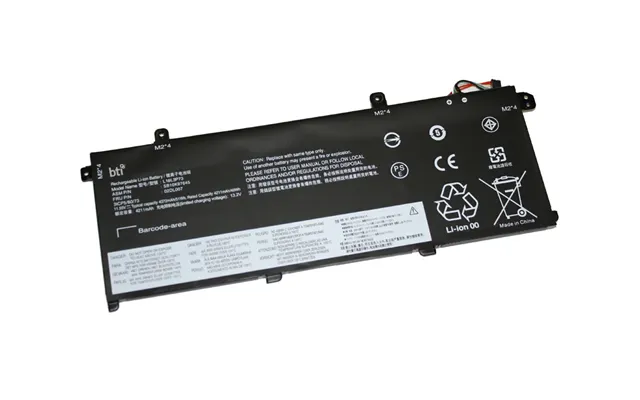
| Bti 02dl009 Compatible 51wh 3-cell Battery For Lenovo P14s T490 | £ 58,48 |