All categories
Business & Offices

Electronics & Media

Fashion & Accessories
Groceries & Essentials
Health & Personal Care
Home & Living
Kids & Family
Sports & Outdoors
Search in ZoneOffer
Loading...
Protective aprons are the unsung heroes of workplace safety. From welding bays to prep kitchens, they shield your torso and thighs from heat, chemicals, cuts, and messy splashes. If your job involves sparks, blades, hot oils, strong detergents, or corrosive liquids, you need an apron built for the task. Whether you’re a fabricator, butcher, lab tech, mechanic, or barista, the right apron boosts safety, cuts downtime, and keeps your clothes—and skin—out of harm’s way.
Think of a protective apron as your front-line shield. In welding and metalwork, it blocks sparks and slag. In food processing and butchery, it helps maintain hygiene while resisting stains and fluids. In labs and cleaning operations, it safeguards against chemicals and disinfectants. In woodworking and DIY, it keeps tools handy and wood dust off your body. Even in hospitality, a rugged, waterproof apron stands up to hot oils and constant splash zones behind the line.
Not all aprons are created equal. Some are heavy-duty leather for heat and spatter, others are chemical-resistant synthetics, and some are disposable for quick changeovers. The best approach? Match the apron to the hazard. If you handle blades, think cut resistance. If you face splash, think waterproof. If you’re close to hot work, think heat and flame resistance. The right type saves money and offers better protection where it matters most.
Leather is a classic for a reason. A full-grain or split-cowhide welding apron absorbs sparks, resists radiant heat, and holds up under tough, daily use. Look for chest-to-knee or chest-to-shin coverage, typically around 24 in wide by 36 to 42 in long, plus cross-back straps to distribute weight. Reinforced stitching and riveted stress points are must-haves. If you grind or cut, leather helps stop hot shards from embedding into your clothes—and your skin.
Dealing with acids, alkalis, detergents, bleaches, or solvents? Chemical-resistant aprons made of PVC, polyurethane (PU), or neoprene are your friend. They’re waterproof, easy to wipe down, and rugged enough for frequent cleaning. Opt for thicker gauges for heavy splash and consider a bib-style design for chest coverage. For strong chemicals, pair the apron with compatible gloves and sleeves. A good chemical apron keeps splashes from soaking in and makes decontamination quicker.
In meat processing, fish filleting, and materials handling, cuts are the big risk. High-performance fiber aprons—often paired with coated layers—offer cut resistance without turning you into a statue. Look for ANSI cut-level ratings where available and consider puncture-resistant panels if you handle bones or sharp metal. Pro tip: prioritize mobility. An apron that protects but restricts movement can create new hazards by slowing your reflexes or snagging on equipment.
For high-throughput, quick-change environments—think food prep lines or sanitizing zones—disposable polyethylene aprons are consistent and cost-effective. They’re lightweight, waterproof, and available in long lengths to protect your thighs. Keep a stock on hand for messy tasks, then switch out in seconds to maintain hygiene standards. For food-contact tasks, ensure the apron material is certified for that use, and pair it with gloves, hair coverings, and appropriate footwear.
Shop aprons for mechanics and woodworkers need pockets, durability, and comfort. Waxed canvas and heavy cotton blends with PU coatings balance resilience with breathability. Look for cross-back harnesses to prevent neck strain and pockets sized for pencils, calipers, small squares, and chisels. For grinding or sanding, add a leather patch in high-wear zones. If you’re around hot embers or sharp offcuts, consider hybrid designs with leather fronts and fabric backs for comfort.
Hot fryers and steamers don’t pull punches. Kitchen aprons should be waterproof, stain-resistant, and comfortable through long shifts. Choose a length that hits just below the knee for splash coverage—around 34 to 38 in for most adults—and a width near 24 to 28 in. If you handle large vats or work the line, consider heat-resistant fronts and quick-release buckles so you can shed the apron fast in an emergency. Easy cleaning is non-negotiable.
Material choice sets the tone for protection, comfort, and cost. Leather stands up to hot work, PVC and neoprene repel chemicals, PU balances flexibility with resistance, and coated textiles offer everyday durability. Disposable HDPE or LDPE excels for hygiene and speed. The right blend depends on your hazards, how often you clean, and how long you wear the apron each day. Aim for a material that resists your primary risk but doesn’t weigh you down.
Full-grain leather is tough and naturally heat resistant, ideal for heavy welding and grinding. Split leather—taken from the lower layers—tends to be more affordable while still providing excellent spatter protection. Either way, thickness matters. Heavier leather offers better heat resistance but adds weight. For long shifts, a chest-to-knee split-leather apron with cross-back straps hits a sweet spot, keeping you protected without turning every move into a workout.
PVC is waterproof and great for heavy splash, making it a staple in cleaning, maintenance, and some chemical handling. Polyurethane brings flexibility and comfort while still resisting oils and many chemicals. Neoprene stands out against solvents and maintains flexibility in cold rooms. If you’re hosing down frequently, smooth surfaces make cleanup faster. Pay attention to strap attachment points—heat-welded or bar-tacked seams help prevent tear-out during busy shifts.
High-density polyethylene (HDPE) is durable for its weight, while low-density polyethylene (LDPE) offers a softer hand feel—both are common in disposable aprons. These are perfect for quick changes between tasks, especially when cross-contamination is a concern. Choose thicker gauges if your workflow gets messy or if you’re handling heavy liquids. Keep sizes generous—around 28 in wide by 46 in long—to make sure they cover uniforms and tall body frames.
Coverage equals protection. The apron should shield your chest, abdomen, and thighs without tripping you up or snagging on equipment. Measure from your collarbone to a few inches below the knee to gauge your ideal length. Standard widths run about 24 to 28 in for most adults. If you bend often, a split-leg design or side slits can prevent bunching. For overhead work, a taller bib boosts splash protection without adding bulk at the hem.
Most users land near 24 in wide by 36 to 42 in long. If you’re taller than 6 ft, aim closer to 42 in for full thigh coverage. If your work involves lateral splashes, look for wraparound sides or extended wings. Extra-long ties help secure the apron snugly around the waist, while adjustable bib sliders fine-tune the torso fit. The goal: full front protection that doesn’t interfere with footing, ladders, or quick pivots.
Neck strap dig is real. Cross-back or X-back harnesses move the load to your shoulders and upper back, easing strain during long shifts. Wide webbing—1 in to 1.5 in—helps distribute pressure. Quick-release buckles are essential for emergency removal, and elasticized waist straps keep everything close to the body. If you’re in a hot environment, breathable back panels or lighter textiles on the reverse side can keep you cooler without sacrificing protection.
Look for CE or UKCA markings to show compliance with relevant safety directives. For cut resistance, ANSI/ISEA 105 levels indicate how much blade force a fabric can withstand. Welding gear often references flame resistance and spatter protection; while standards vary, trusted brands publish test data. For chemical protection, check compatibility charts for specific substances you use. The big idea: match the rating to your hazard, not the other way around.
ANSI cut levels run from A1 to A9, with higher numbers offering more protection. For light prep work, A2 to A3 might suffice; for butchery or sheet metal, consider A5 and above. For heat, review the temperature and exposure time a material can handle—many leather and specialty synthetics tolerate brief contact with hot surfaces or splatter. Always verify that your apron’s ratings align with your gloves and sleeves so your whole setup works together.
In kitchens and processing areas, choose materials that meet food-contact requirements. Smooth, nonporous surfaces clean fast and harbor fewer residues. For chemicals, use manufacturer compatibility charts to ensure the apron resists the exact acids, bases, or solvents on your task list. If you’re switching between sanitizers and degreasers, consider neoprene or high-grade PU for broad resistance. When in doubt, test a small swatch before rolling out to the entire crew.
A well-cared-for apron lasts longer and protects better. Clean splashes as soon as possible so they don’t degrade the surface. Hang aprons to dry on wide hooks so straps don’t crease or fray. For leather, avoid soaking; wipe down and condition occasionally to prevent cracking. For PVC, PU, or neoprene, use mild detergents and rinse thoroughly. Disposable aprons are single-use by design—resist the urge to reuse if they’re contaminated or torn.
Set up a simple routine: pre-rinse, wash, rinse, inspect, and hang to dry. Assign hooks or pegs at least 12 in apart to promote airflow. Keep aprons away from direct heat sources that can warp plastics or dry out leather. For chemical work, store aprons away from reactive agents. If you manage a team, color-code aprons by task—one color for chemicals, another for food prep—to reduce cross-use and make training easier.
Replace aprons at the first sign of compromised protection: cracked coatings, delamination, frayed straps, or punctures that can’t be patched. For cut-resistant textiles, retire them if the surface pills heavily, the weave thins, or the rating label is unreadable. For leather, deep scorch marks or hardened patches signal reduced performance. Build replacement checks into shift changeovers so issues don’t linger. It’s cheaper than downtime—or an injury.
Apron prices vary based on material, coverage, ratings, and brand support. Leather welding aprons and high-grade neoprene chemical aprons sit at the premium end, while disposable polyethylene options are budget-friendly per piece. Mid-range coated textiles and PU models offer strong value for everyday use. You’ll also pay a bit more for cross-back harnesses, reinforced seams, and pro-grade hardware. Balance total cost of ownership—durability and cleaning time—against the sticker price.
Budget picks shine for light-duty splash or occasional use. Mid-range options cover most daily tasks with better straps, thicker coatings, and longer warranties. Pro-grade aprons bring top-tier materials, extended coverage—think 42 in lengths—and specialized ratings for heat or chemicals. If your team wears aprons all day, pro-grade usually pays for itself in comfort, fewer replacements, and faster clean-downs. For short shifts or backup gear, budget and mid-range make perfect sense.
Comparison platforms help you weigh specs, coverage, and real-world reviews in one place. Filter by material, length, width, strap type, and ratings to zero in on the right fit. Scan photos for strap anchors and stitching quality. Check whether the apron lists CE/UKCA marks and any ANSI cut levels. Comparing multiple retailers side by side helps you spot seasonal offers and bundles—great for outfitting a team without overspending.
An apron is a strong start, but it’s not a complete safety setup. Add gloves rated for your hazard, sleeves for forearms, and eye and face protection. Steel-toe or slip-resistant boots finish the job in wet areas, while respirators or masks protect against aerosols and fumes. Choose accessories that won’t fight your apron—low-profile cuffs, compatible straps, and non-snagging closures make the whole kit work together without friction.
Forearms take a beating in many tasks. Pair your apron with cut-resistant sleeves for butchery or sheet metal, neoprene sleeves for chemical splash, or heat-resistant sleeves for welding. Gauntlet gloves that overlap sleeve cuffs eliminate gaps. Aim for 18 in sleeve lengths when you need coverage to the upper arm. Elastic or thumb loops help sleeves stay put as you reach, lift, and bend, keeping your protection consistent through the shift.
Splashes and debris love gravity. Waterproof boot covers protect laces and tongues in wet zones, and metatarsal guards add an extra layer over the foot when you’re around heavy objects. For face protection, a clear shield or safety goggles prevent splashback from reaching your eyes. If you’re grinding or cutting, combine eye protection with a full face shield for stray sparks. Make sure everything fits without clashing with your apron’s straps and buckles.
The biggest apron mistake? Picking by price alone. A bargain apron that fails early or doesn’t match your hazards costs more in the long run. Another misstep is ignoring how the apron fits with gloves, sleeves, and tools—snags and gaps are safety landmines. Lastly, skipping maintenance shortens lifespan. A quick daily rinse and inspection takes minutes and saves money, not to mention keeping your protective layer truly protective.
Your apron should work with, not against, your other PPE. If your gloves tuck awkwardly under the apron or your face shield bumps the bib, rethink the combo. For chemical work, verify that apron material and gloves resist the same substances. For heat tasks, ensure the apron doesn’t melt or drip under high temperatures. Compatibility checks are simple: suit up fully, go through your motions, and note any hotspots, snags, or exposed zones.
An apron that’s too long becomes a trip hazard; too short and you’re exposed. If multiple people share gear, invest in generous adjustability—long waist ties, sliding bib hardware, and cross-back harnesses that accommodate different body shapes. Comfort drives compliance. When the apron feels good, people keep it on, which is the whole point. If you catch staff constantly readjusting or hanging aprons on hooks mid-shift, it’s time to revisit sizing.
Protective aprons are simple by design but mighty in practice. Choose material and coverage that match your hazards, dial in the fit, and maintain them with quick, consistent care. When you compare models side by side—considering ratings, straps, and real-world feedback—you get better protection and better value. Whether you’re welding, filleting, mixing chemicals, or pulling shots, the right apron keeps you safer, cleaner, and more confident on the job, shift after shift.
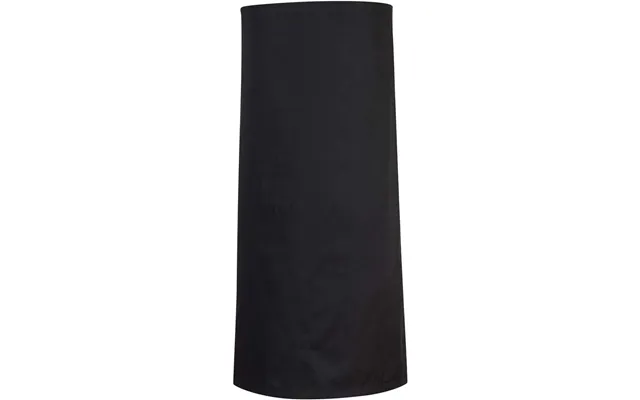
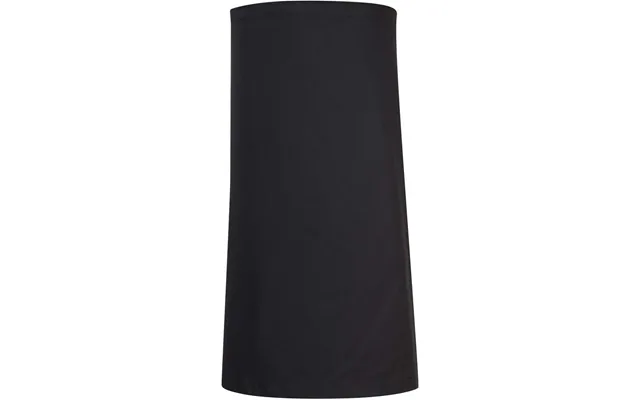
| Protective Aprons | Price | |
|---|---|---|
| Shield Disposable Aprons On A Roll Standard Length 69 X 107cm White 5rollsx200 Pack 1000 - A2w R | £ 34,46 |