All categories
Business & Offices
Electronics & Media
Fashion & Accessories
Groceries & Essentials
Health & Personal Care
Home & Living
Kids & Family
Sports & Outdoors
Search in ZoneOffer

Loading...
When you’re working at height, your harness isn’t just gear—it’s your lifeline. A properly selected and fitted work safety harness spreads impact forces across the body, keeps you upright after a fall, and can make long hours on scaffolds, roofs, and platforms safer and more comfortable. The best part? You don’t have to guess your way to the right choice. With a little know-how and smart comparison across trusted options, you can find a harness that matches your job, your budget, and your safety needs without breaking stride.
Not all harnesses are built for the same task. If you’ve ever wondered why some models feel more minimal while others look like a climber’s cockpit, here’s the deal: different harness types are tuned for different work environments and movement patterns. Picking the right design boosts both comfort and compliance, and it can be the difference between a productive day and a frustrating one.
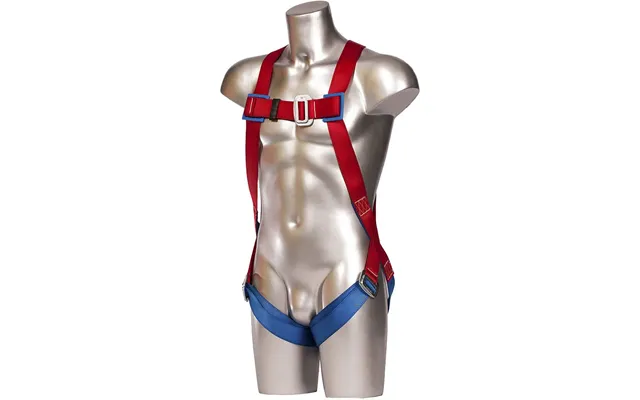
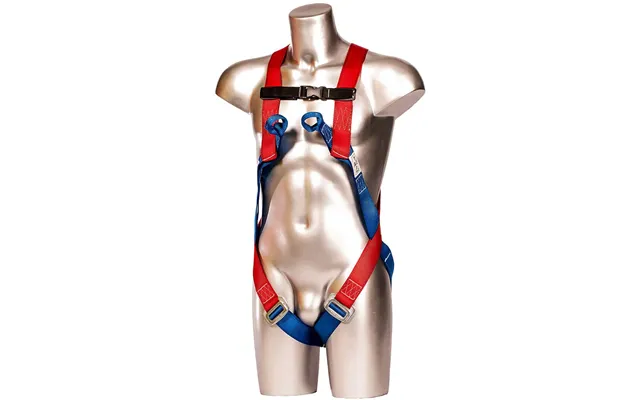
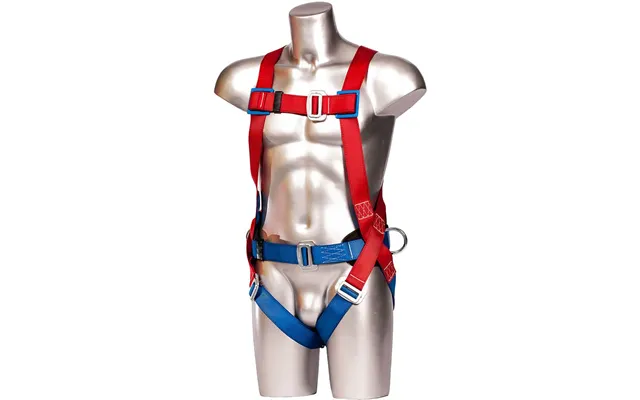
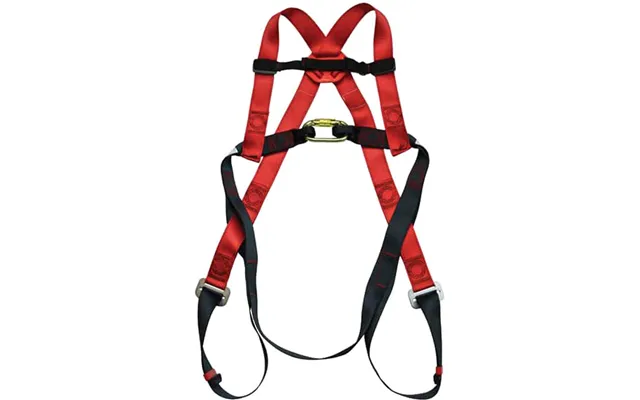
This is the everyday hero for general construction, facilities maintenance, and many industrial applications. A full-body fall arrest harness typically features a dorsal (back) D-ring for connecting a shock-absorbing lanyard or self-retracting lifeline (SRL). In a fall, it distributes forces across the thighs, shoulders, and torso to help keep you upright and reduce injury risk. If you’re unsure where to start, this category is your baseline.
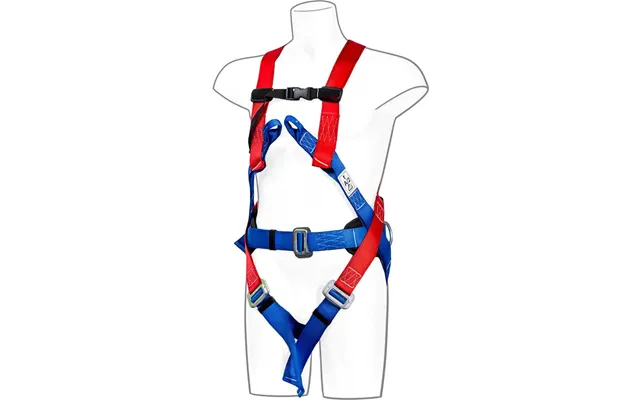
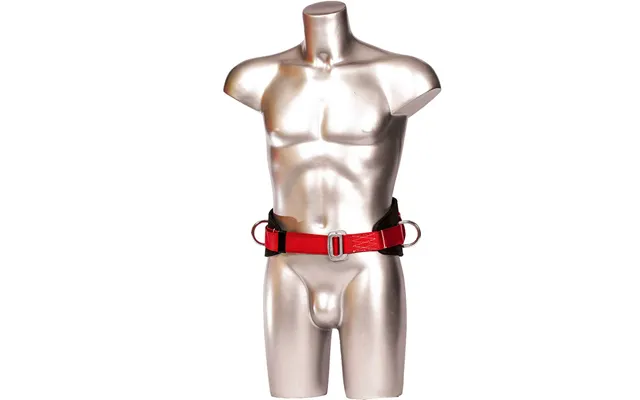
Doing hands-on tasks where stability matters—think steel fixing, rebar tying, or utility work? Harnesses with side D-rings support positioning systems that let you lean into your work with both hands free. Restraint setups, meanwhile, prevent you from reaching an edge in the first place. These aren’t a substitute for fall arrest when exposure exists, but paired correctly, they’re a productivity powerhouse.
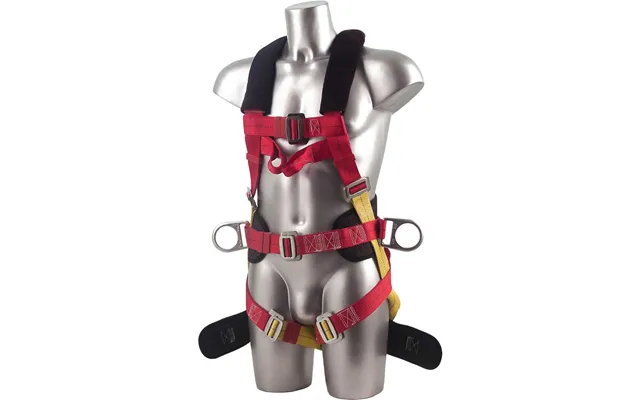
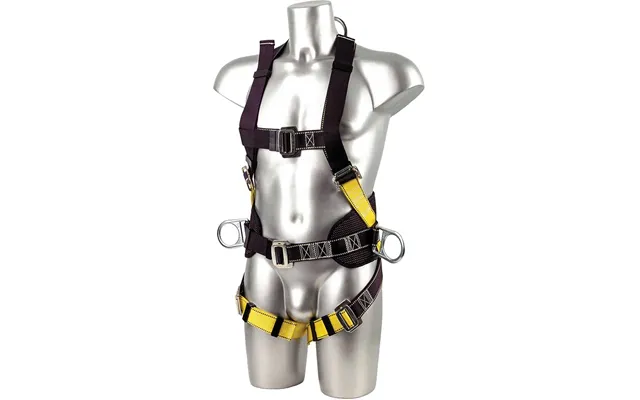
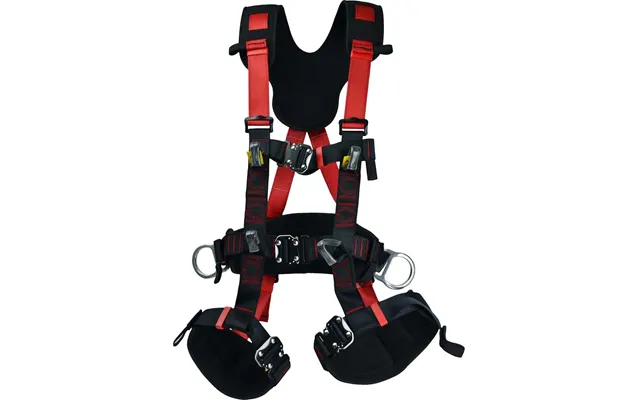
For telecom masts, wind turbines, and roofing, look for harnesses with multiple attachment points (including front and dorsal D-rings) and added comfort like breathable padding and contoured straps. Tool loops, suspension trauma relief straps, and options for seat attachments can be game changers when you’re spending hours aloft.
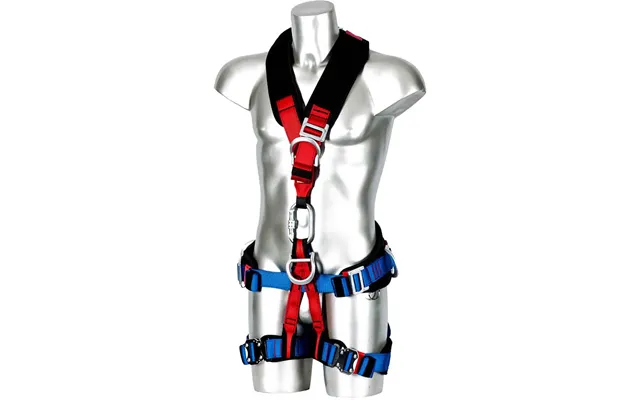
In tank entries, shafts, and rescue scenarios, you’ll see front and shoulder attachment points for vertical retrieval. A retrieval-capable harness can integrate with a tripod and winch system to safely raise or lower a worker. If your job includes permit-required confined spaces, make sure your harness is rated for that role.
The best harness for you is the one that fits your task and fits your body—every day. Before you add anything to the cart, scan for the features that make real-world differences: attachment points, buckles, padding, and smart safety indicators. Here’s what to look for, simplified.
The dorsal D-ring is your fall arrest anchor point. Side D-rings support work positioning. A sternal (chest) D-ring can be useful for ladder systems and some rescue setups, while shoulder D-rings are common on rescue and confined space models. Pick the configuration that matches your anchor style and movement patterns, so you’re never improvising in the field.
A harness should hug—not pinch. Look for multiple adjustment points at shoulders, legs, and chest to dial in comfort. Sub-pelvic straps are essential for proper weight distribution during a fall arrest. If you plan to wear the harness over thick winter gear, ensure there’s enough range to accommodate layers without compromising snugness.
Padded shoulder, waist, and leg sections can turn long days into manageable ones. Breathable mesh back pads help wick sweat on warm days. If you’re carrying tools or working in heat, prioritize lightweight, moisture-wicking materials that reduce chafing and hot spots.
Quick-connect buckles are fast and intuitive—ideal if you’re donning and doffing multiple times a day. Tongue or pass-through buckles are rugged and reliable, though a bit slower to adjust. There’s no wrong choice; pick what fits your routine and team preferences.
Fall indicators show if a harness has been exposed to impact forces, which is crucial for deciding whether to remove it from service. Clear, durable labels listing compliance standards and serial numbers help with inspections and recordkeeping. If labels wear out quickly, inspections get messy—so durable labeling is a quiet but important feature.

A harness that’s too loose can ride up in a fall, while one that’s too tight can restrict movement and cause pressure points. Getting the right size pays off in safety and comfort.
Most full-body harnesses are rated for typical worker weight ranges, often accommodating users up to around 310 lb when combined with appropriate fall protection components. Some premium models extend higher. Always verify the combined weight of the user, clothing, and tools is within the harness and system ratings.
Measure your chest, waist, and thigh circumference, and compare against the manufacturer’s sizing chart. When trying on, tighten leg straps so you can fit a flat hand between the strap and thigh—snug, not constricting. Adjust shoulder and chest straps so the dorsal D-ring sits between your shoulder blades, not at your neck. If it rides too high or low, re-adjust before stepping onto site.
Working year-round? Consider whether your chosen size accommodates a winter jacket or heavy bibs. Some teams keep two sizes available: one for warmer months, one for when layers bulk up. If that’s not practical, opt for a model with plenty of adjustment range, and establish a quick pre-job fit check routine.


While day-to-day fit and features get all the attention, compliance is the foundation of safe use. In the UK, look for harnesses conforming to relevant EN standards, commonly EN 361 for full-body fall arrest, EN 358 for work positioning belts and lanyards, EN 355 for energy absorbers, and EN 360 for SRLs. Products should carry appropriate conformity markings and documentation. Many harnesses also meet ANSI Z359 standards, which is helpful for international teams or sites referencing multiple codes. Bottom line: check the label and documentation to ensure your chosen harness aligns with your work method statements and local regulations.
A harness is only one part of a complete fall protection system. To actually stop a fall—or prevent one—you need compatible connectors, deceleration devices, and anchors. Think of your setup like a chain: every link needs to match, or the whole system suffers.
For many construction tasks, a 6 ft shock-absorbing lanyard is a staple. It reduces impact forces in a fall by deploying an energy absorber. Pay attention to the total fall clearance you need; a longer lanyard plus deceleration distance plus harness stretch means you must have enough room below to avoid contacting a lower level.
SRLs automatically take up slack and lock quickly during a fall, reducing free-fall distance. They come in lengths from compact personal units to around 30 ft and longer overhead models. For ladder work or overhead beams, SRLs can offer smoother movement and shorter stopping distances than fixed-length lanyards.
On fixed ladders or vertical structures, rope grabs on vertical lifelines let you climb while staying connected. The grab locks on sudden movement, offering fall arrest capability. Inspect rope condition frequently and keep connectors compatible with your harness D-rings and anchorage points.
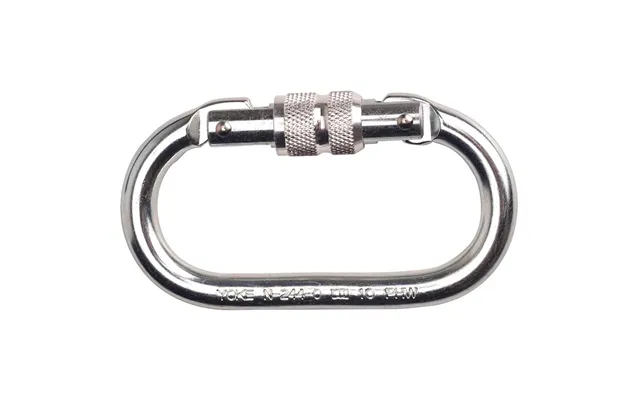
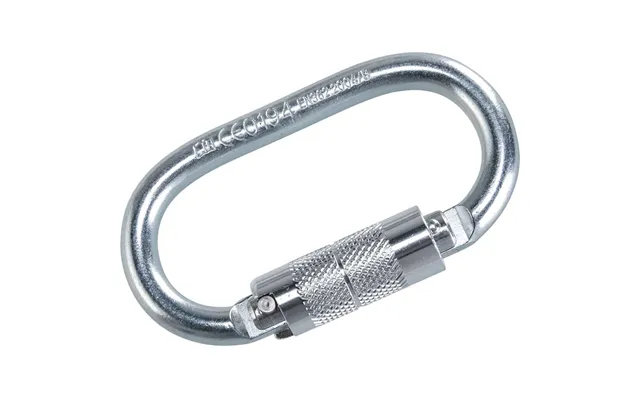
Anchorage is everything. Whether you’re using a beam clamp, temporary roof anchor, or a rated fixed point, ensure it meets or exceeds required load ratings. Use locking carabiners and compatible snap hooks; mismatched hardware can lead to roll-out or other failure modes. When in doubt, consult the manufacturer’s compatibility guidance.
Price matters, but so does performance. Instead of chasing the cheapest tag, compare features side-by-side: padding, D-ring configurations, buckle types, sizing range, and included accessories like trauma straps or gear loops. You’ll often find that a mid-range harness with better adjustability and comfort outperforms a bargain option over a full workday. Use a reliable comparison site like ZoneOffer to scan multiple offers quickly, check specs at a glance, and spot bundles that pair harnesses with lanyards or SRLs. Look for seasonal promotions, multi-buy discounts for teams, and upgrade paths that let you swap components as your job scope evolves.
Under £100, you’ll typically find basic, compliant full-body harnesses with dorsal D-rings and simple buckles—great for light, occasional use or visitors. Between £100 and £200, expect improved padding, multiple D-rings for positioning, and quick-connect buckles. Above £200, you’re into premium comfort, breathable materials, advanced configurations (front and side D-rings, rescue points), and sometimes integrated seats. If you’re spending hours aloft, the jump to a comfort-focused model often pays off in productivity and user satisfaction.
Construction generalists often do best with a versatile full-body harness that accepts both a 6 ft lanyard and a compact SRL. Roofers appreciate lightweight designs with front D-rings for ladder systems and trauma relief straps for prolonged suspension risk. Scaffolders need rugged webbing and quick buckles to speed up donning between lifts. Tower climbers and wind technicians usually want multiple attachment points, breathable padding, and options for seats and tool organization. Maintenance teams juggling varied tasks benefit from modular kits: one harness, plus swappable lanyards and SRLs depending on the day’s hazards.
If your harness rubs or pinches, you’re more likely to loosen it—defeating the point. Comfortable padding, contoured straps, and breathable back panels help workers keep the harness snug without distraction. Think of comfort as the unsung hero of compliance: the more wearable the harness, the more consistently it’s used correctly.
Before every use, inspect for cuts, frayed webbing, UV damage, chemical exposure, loose stitching, and distorted hardware. Buckles should lock cleanly, and D-rings should be free of cracks or sharp edges. Clean with mild soap and water—no harsh solvents—and air dry away from direct heat. Store harnesses in a cool, dry place, ideally in a bag to protect from dirt and sunlight. Follow the manufacturer’s guidance on service life and removal from service after impact. When labels become illegible or indicators show deployment, take the harness out of circulation immediately.
Loose leg straps, mispositioned dorsal D-rings, and incompatible connectors are frequent slip-ups. Another? Using a positioning belt alone where fall arrest is required. Always match your system to the hazard: fall arrest for exposure, restraint to prevent reaching an edge, and positioning when you need to work hands-free while supported. Keep a short pre-job checklist and peer-check each other before stepping off the ground—it takes a minute and can save your day.
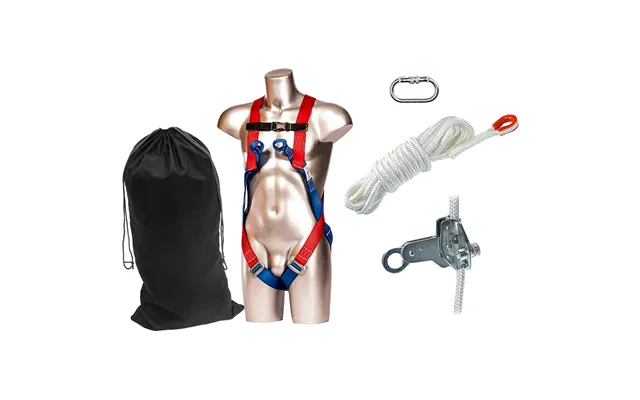
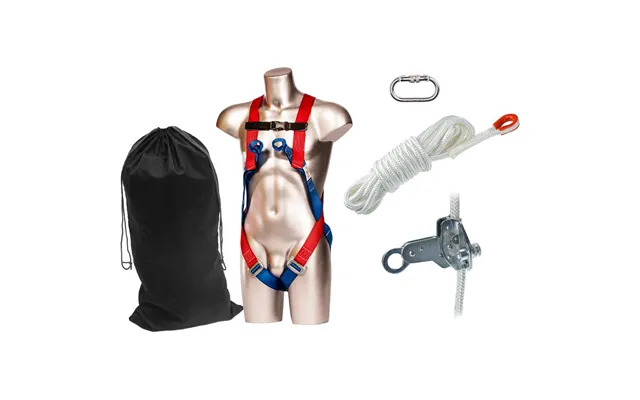
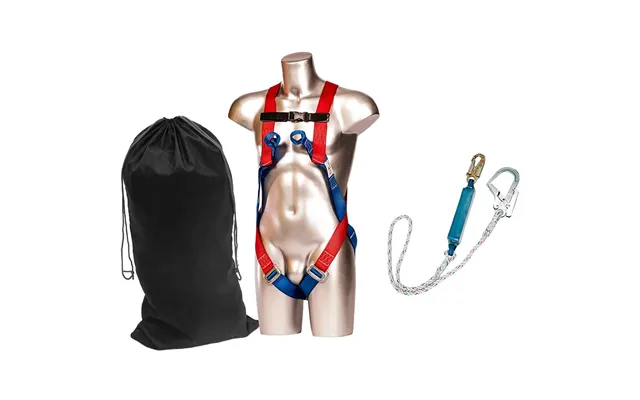
Starter kits that bundle a full-body harness with a 6 ft shock-absorbing lanyard and a storage bag can be cost-effective for new teams. D-ring extenders (around 18 in) help with dorsal connections when you’re wearing bulky gear, but don’t let them create excess slack. Trauma relief straps can reduce suspension stress if a rescue takes longer than expected. Tool tether points and pouches keep essentials secure—dropping a wrench from height is a hazard, too.
Line up options with the same core purpose—don’t compare a positioning-focused tower harness to a basic visitor model. Check certifications side-by-side, then feature sets: D-ring layout, padding, buckle type, and webbing material. Read the fine print on included components; sometimes a slightly higher price includes a lanyard or SRL that would cost more separately. On a comparison site such as ZoneOffer, use filters to narrow by task, certification, and price, then read product descriptions carefully to confirm compatibility with your existing anchors and connectors.
If you’re outfitting a construction crew on mixed tasks, a set of full-body fall arrest harnesses with quick-connect buckles and side D-rings offers versatility. For roofing teams, pick lightweight models with breathable pads and front D-rings for ladder systems. Tower and telecom workers should prioritize multi-point harnesses with excellent padding and seat options. For maintenance teams with varying needs, invest in a couple of premium harnesses and maintain a pool of lanyards and SRLs to match the day’s work. Each scenario highlights the same theme: align the harness to the hazard and the workflow.
Even the best harness won’t help if it’s worn wrong. Build short, regular training into your schedule—fit checks, inspection routines, and fall clearance planning. Encourage questions and peer checks. When the culture treats harness use as a team norm, compliance stops feeling like a chore and starts feeling like professionalism.
Choosing a work safety harness doesn’t have to be confusing. Start with your job’s hazards, pick the harness type that matches, and make comfort and compliance non-negotiables. Pair your harness with the right lanyard, SRL, and anchors, and keep everything inspected and documented. When comparing offers—especially on a trusted comparison site like ZoneOffer—look beyond price to total value: certifications, features, fit range, and included components. Do that, and you’ll land a harness that feels good, works hard, and keeps you protected day after day.
| Work Safety Harnesses | Price | |
|---|---|---|
| Slips - Trips & Falls Healthcare Cpd Accredited Online Course | £ 9,- | |
| Adjustable Harness For Use With Handheld Barcode Scanners | £ 57,93 | |
| Adjustable Harness For Use With Handheld Barcode Scanners | £ 61,47 | |
| Portwest Fall Arrest Kit - Red | £ 74,- | |
| Portwest Construction Kit - Black | £ 143,- |