

Direct Boxes price list
Last updated Monday, 19 Oct 2026





View 6 Offers



Loading...
Last updated Monday, 19 Oct 2026
If you’ve ever plugged a guitar or keyboard into a sound system and heard hum, hiss, or a tone that felt thin and lifeless, a direct box—often called a DI box—is the fix you’re looking for. A DI takes the unbalanced, high-impedance signal from instruments and converts it into a balanced, mic-level signal that mixers love. What’s the payoff? You get longer cable runs without noise, consistent level into the console, and a cleaner, punchier sound out front and in your recordings. For live shows, studio sessions, church rigs, and content creation, a good DI is like a quiet stagehand: invisible, reliable, and crucial. And with plenty of direct boxes available in the UK, comparing options and grabbing the right deal can make a real difference to both your tone and your budget.
All DI boxes share the same mission—turn your instrument’s signal into something a mixer can handle gracefully—but they achieve it in different ways. Passive DI boxes rely on a transformer to do the heavy lifting. They don’t need power, they’re usually rugged, and they handle hot line-level sources like keyboards and playback devices without breaking a sweat. Active DI boxes use powered electronics—often via 48 V phantom power or a 9 V battery—to boost and buffer weaker signals. They’re great with passive pickups and piezo-equipped instruments, offering extra clarity and extended high-end detail. Think of passive DIs as reliable, no-nonsense workhorses, and active DIs as attentive tone shapers that flatter low-output sources.
Running a stereo synth or a stage piano across a long snake? Passive is often the winner. Passive DI boxes like the Radial JDI, Radial ProDI, or the classic Whirlwind IMP 2 are famous for their roadworthy build, transformer-based isolation, and sheer reliability. If your instrument already has a strong, low-impedance output—such as a keyboard, drum machine, or a bass with active electronics—a passive DI keeps things clean and clear with minimal fuss. They also tend to offer excellent headroom, which means they handle hot signals without clipping. Bonus: no batteries to die mid-set and no phantom power required.
Have a vintage passive bass or an acoustic guitar with a piezo pickup that sounds a bit “quacky”? An active DI can smooth things out without dulling your tone. Models like the Countryman Type 85, Radial J48, Behringer DI100, or ART XDirect add gentle gain and buffering so your instrument retains sparkle and dynamics. Active DIs shine when you need to run longer cables from the stage to the mixer without losing high-frequency detail. Many can run on phantom power, so you can ditch batteries entirely—handy when you’re already juggling pedals, power supplies, and stage clutter.
The transformer is the heart of a passive DI and a key ingredient in many active designs. High-quality transformers deliver low noise, rich low end, and smooth highs. They also resist saturation when signals get hot—think pounding synth bass or aggressive slap bass. Premium units often shout about their Jensen or custom transformers for good reason: you’ll hear the difference when the stage gets loud. Headroom matters in both passive and active boxes, so if you regularly feed hefty line-level signals, choose a DI known for staying clean under pressure.
Lorem ipsum? No, this is real-world utility. A good DI should include a pad—commonly -15 dB, -20 dB, or even -30 dB—to prevent clipping from powerful sources. Ground lift is your best friend when hum rears its head; it breaks ground loops and helps you chase down buzz without tearing your rig apart. Some DIs also include a merge or sum-to-mono function, letting you combine a stereo source into a single balanced output if your mixer is short on channels. These tiny switches can save entire shows.
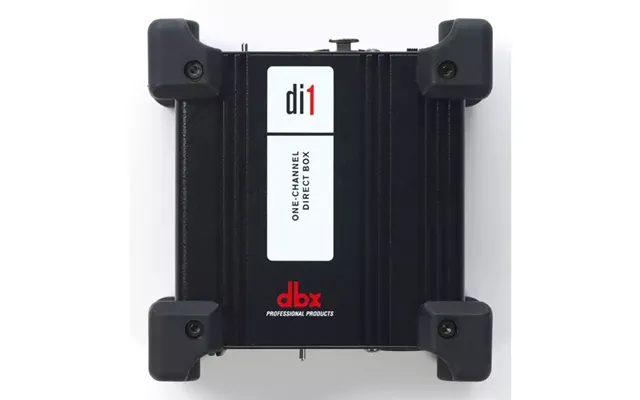
The classic DI connection is simple: instrument into the DI’s input, XLR out to the mixer, and a “thru” or “link” jack to your amp. That thru jack keeps your stage sound intact while delivering a noise-resistant, balanced signal to front-of-house or your audio interface. If you’re running a stereo rig, look for dual-channel boxes so you don’t need to pack two separate units. Clear labeling, rugged jacks, and recessed switches make a difference when you’re setting up in a dim club in a hurry.
Active DI boxes typically run on 48 V phantom power supplied by the mixer. It’s convenient and reliable. Some also accept a 9 V battery, which can be a lifesaver when phantom isn’t available. If you’re touring or frequently hopping between venues, phantom-powered boxes keep cabling simpler—just plug in the XLR and you’re good. If you’re recording into an interface that doesn’t provide phantom on certain inputs, having the battery option is a practical backup.
For many engineers, the Radial JDI is the gold standard of passive DIs. Its transformer delivers a full, rounded tone that flatters bass, keys, and electric guitars after pedals. The Radial ProDI offers a budget-friendlier route with rugged reliability. The Whirlwind IMP 2 remains a staple thanks to its simplicity, durability, and stage-ready performance. If you need to tame hot signals without losing vibe, these passive stars will do the job night after night.
When you need extra clarity and a touch of lift, the Countryman Type 85 is a legend—clean, tough, and beloved on bass and acoustic guitar. The Radial J48 handles transient-rich sources gracefully and is known for excellent headroom on phantom power. For value-focused builds, the Behringer DI100 offers a solid active platform with useful features, and the ART XDirect is a no-nonsense choice that punches above its price. Whether you’re recording a delicate fingerstyle part or pushing heavy bass lines, these active units keep your signal honest.
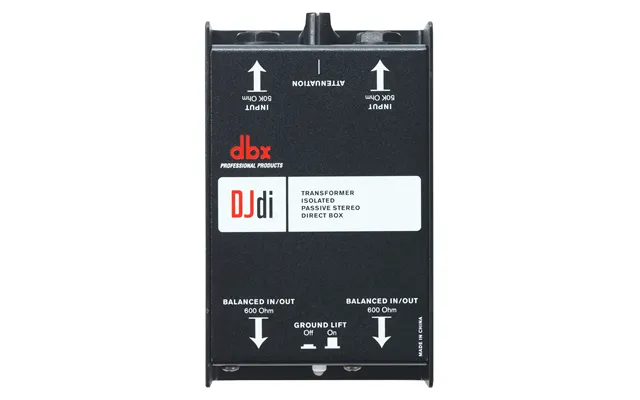
If you’re running stage pianos, stereo synth patches, or backing tracks from a laptop, a dual-channel box saves space and simplifies setup. The Radial ProD2 is a popular pick for stereo sources, delivering consistent tone and road-worthy construction. ART’s Dual XDirect offers twin channels with pads and ground lifts for each side—handy when your left and right outputs don’t behave the same. You’ll also find dual-channel options from Palmer and other dependable brands that cater to keyboard rigs and DJ setups.
Sometimes you need more than conversion—you need shaping. Acoustic players often reach for the LR Baggs Para Acoustic DI or Fishman Platinum Stage for EQ, notch filters, and feedback control tailored to piezo pickups. Bassists swear by tone-shaping DIs like the Tech 21 SansAmp Bass Driver DI or modern preamp DIs that add grit, compression, or cabinet flavor. These tools blur the line between DI and preamp, letting you craft a finished, mix-ready sound before the signal even hits the desk.
Most electric guitars feed an amp, not a mixer. But when you want to capture a clean feed for re-amping or send a reliable signal to front-of-house alongside your stage amp, a DI becomes essential. A common approach is guitar into pedals, pedals into a passive DI, DI XLR to the mixer, and DI thru to your amp. Want ultra-clean capture? Use an active DI early in the chain to preserve detail, then split to your amp so you feel the air move on stage. Re-amping later lets you experiment with amps without dragging gear into the control room.
Bass loves a good DI—always has. For passive basses, an active DI (Radial J48 or Countryman Type 85) keeps the low end tight and the highs clear. If your amp has a built-in DI, you’ll often get a switch for pre or post EQ; sending a pre-EQ DI to the mixer and mic’ing the cab gives the engineer options. Tone-shaping DIs like the SansAmp Bass Driver DI are favorites because they deliver a finished, mix-ready bass tone that translates in any room. If the house PA is weak on lows, a solid DI can be the difference between mush and muscle.
These sources spit out line-level, often hot and stereo. A dual or stereo DI keeps noise in check and makes long cable runs a non-event. Hit the pad if you see clip lights, and use the ground lift if a buzzing loop pops up when you connect a laptop power supply. Because keys and drum machines can be punchy, choose a DI known for headroom so your snappy snares and subby kicks don’t squash. If you regularly run rigs 50 ft or more to front-of-house, balanced XLR from a stereo DI is exactly what you need.
Piezo pickups can sound bright and brittle if the input impedance is wrong. That’s why many acoustic-focused DIs and preamps offer high-impedance inputs designed specifically for piezos. An active DI with EQ and a notch filter helps tame feedback on reflective stages. If you’re switching between multiple acoustics, save presets on a pedal-style DI or use consistent EQ starting points so your sound stays familiar night after night.
Live work punishes gear. On stage, you want metal enclosures, recessed switches, and connectors that won’t loosen after a few tours. In the studio, you might reach for the same box—or you might pick something with a premium transformer because it adds a touch of polish. The Radial JDI’s transformer smoothness is prized in sessions, while workhorses like the IMP 2 keep live rigs moving. That said, there’s huge overlap: a rugged, great-sounding DI is at home everywhere. If your budget allows, buy once, cry once, and use it for both worlds.
Hearing a low hum after you connect everything? That’s often a ground loop. Start by flipping the DI’s ground lift. If the noise disappears, you’ve nailed it. Still buzzing? Check your power strips, separate lighting and audio power when possible, and use balanced XLR for every long run. Keep unbalanced cables short—under 10 ft is a good rule of thumb—and avoid running instrument leads parallel to power cords. If a laptop is the culprit, a dual-channel DI plus a good power supply can save the day.
Pads exist for a reason. If the mixer’s input light flares red or the engineer asks you to back off, punch the -20 dB (or similar) pad on the DI and try again. Active keyboards and DJ controllers often spit out hotter signals than you expect. It’s better to pad at the source than to rely on the mixer’s trim alone. You’ll keep noise lower and dynamics intact. And remember: more gain at the wrong point in the chain equals more noise later, like turning up a fuzzy photo after you’ve already compressed it.
Phantom power is safe on balanced lines, but don’t send it into instruments. Always connect XLR to the DI before engaging phantom power, and avoid using adapters that defeat the DI’s protection. Want to take a DI from a speaker output? Use a DI designed for speaker-level signals, such as units with dedicated speaker inputs and load handling. Never connect a standard instrument DI directly to a power amp output; that’s an expensive mistake you’ll only make once.
A DI box lets you capture a clean performance; a reamp box sends that recorded track back to a guitar amp at the right impedance so you can sculpt tone later. The DI plus reamp workflow is a studio staple because it separates performance from tone decisions. For live work, consider line splitters if you need to feed multiple destinations—like front-of-house and a broadcast mix—without adding noise.
When you face persistent hum from complex rigs, isolation transformers in dedicated iso boxes can break the loop without altering tone. They’re invaluable in DJ setups and corporate AV where multiple systems meet. Long cable runs to a remote amp rack or another room? Line drivers boost balanced signals so they stay clear for 100 ft or more, acting like a relay team that never drops the baton.
There’s a reason some DI boxes cost more: better transformers, tighter tolerances, and overbuilt enclosures that shrug off tours. You pay for lower noise floors, higher headroom, and consistent performance show after show. That said, not every situation demands top-shelf. If you’re outfitting a rehearsal room or a small venue, value DIs with pads and ground lifts will get you 90% of the way there. Invest in at least one premium DI for critical sources—lead vocal guitar, bass DI for recordings—and fill out the rest with reliable, budget-friendly units for keys and utility duties.
DI boxes don’t wear out quickly, so catching the right deal can save real money without compromising sound. In the UK, it’s smart to use a comparison platform like ZoneOffer to scan current offers from multiple retailers in one go. Because ZoneOffer is a comparison site (not a store), you can quickly weigh prices, check specs across brands, and decide which model fits your needs and budget. Before you pull the trigger, glance at the fine print around warranty, confirm what’s included in the box (some units ship with XLRs or adapters, some don’t), and consider whether you need one mono DI or a dual-channel unit for stereo rigs. Stack features against price, and you’ll land a DI that works hard for you, night after night.
A great direct box is one of the smallest pieces of gear that makes the biggest difference. Choose passive for hot, line-level or active instrument sources and maximum simplicity; choose active for passive pickups, piezos, and ultra-clean detail. Look for practical features—pads, ground lift, merge, solid thru jacks—and pay attention to transformer quality and headroom. Whether you anchor your setup with stalwarts like the Radial JDI, Countryman Type 85, Whirlwind IMP 2, or you grab feature-packed dual-channel boxes for synths and laptops, you’ll hear the upgrade immediately. Compare models, match the DI to your rig, and lock in a smart UK deal through a trusted comparison platform. Your sound will thank you, and so will the engineer on the other end of that XLR.