All categories
Business & Offices
Electronics & Media
Fashion & Accessories
Groceries & Essentials
Health & Personal Care
Home & Living
Kids & Family
Sports & Outdoors
Search in ZoneOffer

Loading...
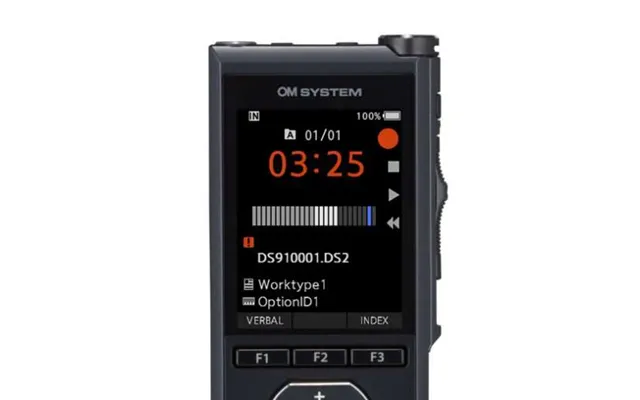
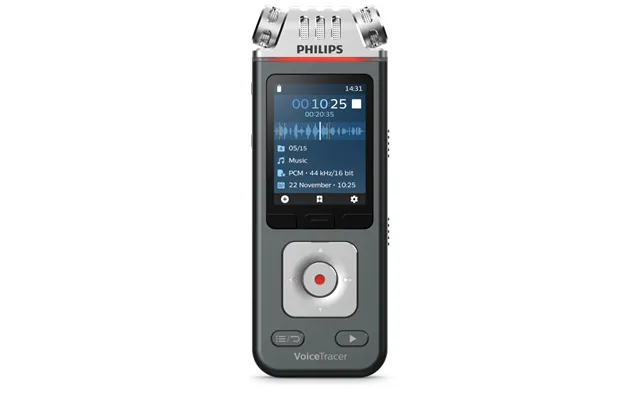
A voice recorder is a compact device designed to capture speech and sound with clarity and reliability. Unlike a phone app, a dedicated recorder gives you consistent audio quality, long battery life, and features built specifically for spoken word and field sound. Whether you’re taking notes, collecting interviews, or capturing ideas on the go, the right recorder can make your workflow easier—and your audio far cleaner. Looking for deals in the UK? You’ll find a wide range of options, from pocket-friendly note-takers to pro-level units with advanced microphones and smart noise features.
If you’re a student, you know lectures fly by. A compact recorder can be your second brain, picking up every point while you focus on listening. Journalists rely on recorders for interviews because they’re dependable and fast to operate—no juggling phone settings mid-conversation. Creators love them for voiceovers, YouTube intros, and on-the-move ideas. Ever had a brilliant thought vanish by the time you reached your desk? A recorder makes sure your best ideas don’t slip through the cracks.
In business, voice recorders shine during meetings, brainstorming, and client calls—from quick reminders to memorable sound bites you can revisit. In healthcare and research, they help capture precise notes and dictated observations. Musicians and audio tinkerers use them to sketch song ideas, record rehearsals, or sample environmental sounds. Need something discreet? Pen-style and wearable recorders can be stealthy without sacrificing clarity for voice memos and quick notes.
Picking the right voice recorder is all about matching features to your real-world needs. The big ones to compare? Recording quality, storage, battery life, mic options, and ease of use. From there, think about durability, connectivity, and file formats. Want a shortcut? Decide where you’ll use it most—classrooms, coffee shops, offices, or outdoors—and you’ll quickly see which features matter most.
Sound quality starts with the built-in microphones. Some recorders have directional mics that focus on what’s in front of you, while others use multi-mic arrays to capture a wider soundstage. Higher-quality settings preserve detail in voices, reduce hiss, and improve intelligibility. Formats matter too: compressed files save space, while uncompressed files retain maximum clarity for editing. If you want to transcribe accurately later, aim for settings that keep voices crisp without ballooning file size.
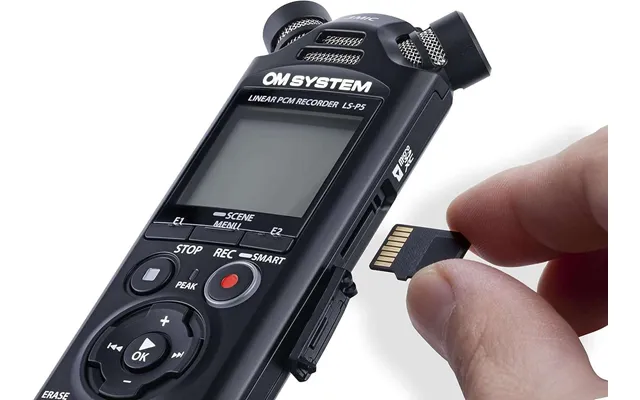
Storage determines how long you can record before offloading files. Many recorders offer built-in memory plus a slot for removable cards—handy when you’re recording all day or working on long-form projects. For lectures and interviews, modest storage often suffices; for extended fieldwork, extra capacity is your friend. If you’re unsure, pick a recorder that supports removable memory so you can scale up whenever you need to.
Nothing kills momentum like dead batteries during a key moment. Look for recorders with long battery life and quick charging. Some run on replaceable batteries, while others use rechargeable ones. For travel, replaceables can be convenient; for daily use, built-in rechargeable batteries keep things simple. Want to record for marathon sessions? A unit that supports external power banks via USB can keep you going without a hiccup.
Yes, your phone can record. But will it capture clean audio in a noisy lecture hall or a windy street? That’s where dedicated voice recorders win. They’re designed to reduce handling noise, manage levels automatically, and capture clearer speech. You also avoid surprise interruptions—no incoming calls hijacking your audio, no social notifications popping up mid-quote. Plus, physical buttons let you start recording instantly without hunting through menus.
Dedicated recorders usually offer better microphones, smarter automatic gain control, and quick access to settings like sensitivity, scene modes, and noise reduction. You can mount them on stands, aim them like a camera, and pair them with external mics for even cleaner results. In short, if audio is important to your work, a dedicated recorder is a smarter, more reliable tool than a general-purpose phone app.
Voice recorders come in a few distinct flavors. You’ll find compact models for everyday note-taking, more advanced portable units for interviews and content, and clever form factors like pen-style or wearable devices. Picking a type first helps narrow your choices and makes price comparisons straightforward.
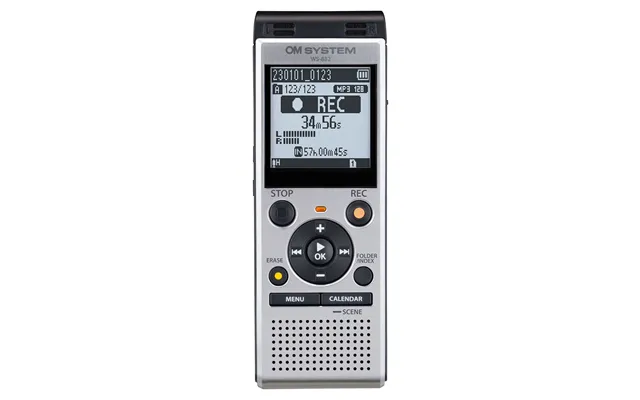
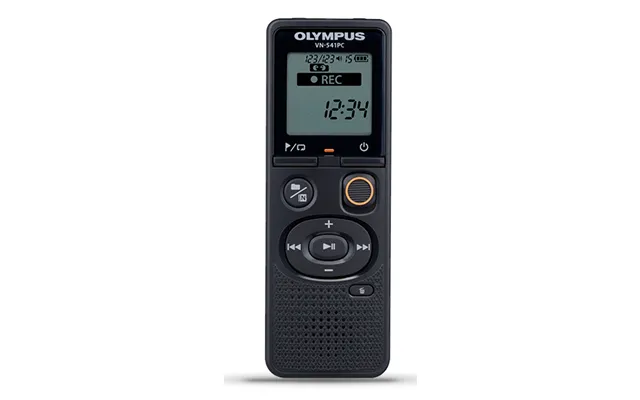
These are light, easy to carry, and perfect for classes, meetings, and casual use. Expect quick one-touch recording, clear speech capture, and simple file management. They excel when you want reliable performance without a steep learning curve. If you’re new to recording, a pocket model is a great starting point—small enough to slip in a pocket, yet powerful enough to handle day-to-day tasks.
Stepping up in size and capability, pro-style portables often include better mic arrays, support for external microphones, and refined controls. They deliver cleaner audio, especially in challenging spaces. If you record interviews regularly, create podcasts, or capture location sounds, the extra fidelity and flexibility are worth it. You’ll also appreciate sturdier build quality and advanced features like dual recording for backup safety.
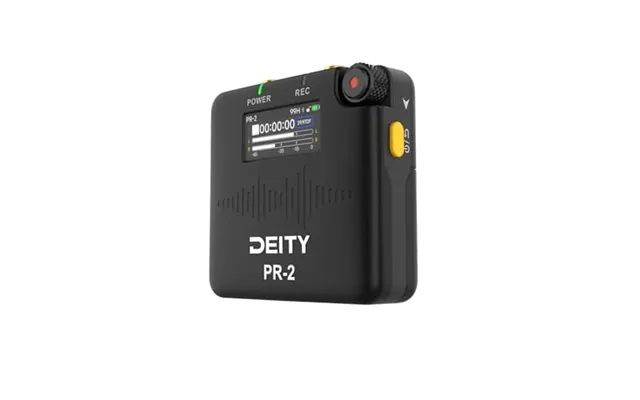
Need discretion? Pen-style and wearable recorders blend in naturally. They’re ideal for spontaneous notes, quick reminders, or situations where carrying a larger device isn’t practical. While they may not match the top-tier audio of bigger units, they offer convenience and stealth, making them a smart supplement to your main recorder.
Accessories can elevate your recordings from “good” to “wow.” A few small add-ons can tame wind, reduce handling noise, and position your recorder precisely. If you’re buying a recorder, it’s worth budgeting a little for the extras that match your use case.
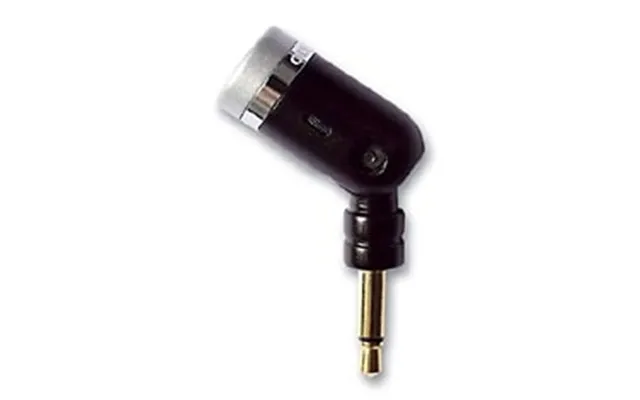
An external mic focuses your sound and cuts down on ambient noise. Lavalier mics clip to clothing for interviews, while directional mics point at your subject to isolate speech. Windshields and foam covers help outdoors by reducing rumble and gusts. If you’re serious about clarity, a good mic and a simple windscreen are game-changing.
A padded case protects your investment and keeps cables tidy. Small tripods and desk stands reduce handling noise and let you aim the mic precisely. Need to record at a table? A mini stand places the recorder at mouth level, improving intelligibility and reducing the room’s echo. It’s a small tweak with a big payoff.
Don’t forget the boring but essential bits: cables and adapters. A short audio cable can connect external mics; a USB cable makes file transfers painless. If your recorder supports line-in, the right adapter opens up more recording options—from mixers to external interfaces. Think of cables as the glue holding your recording setup together.
The best way to choose is to start with your scenarios. Where do you record most? What sounds are you capturing? Once that’s clear, align features: mic quality, storage, battery, and form factor. Then, use a comparison site to line up prices, specs, and offers side-by-side so you pick confidently without overspending.
For classrooms and boardrooms, look for easy one-touch controls, strong voice pickup, and long battery life. A compact recorder with scene modes for speech, automatic level control, and enough storage for several sessions is ideal. A small table stand can keep the mic steady and reduce the thumps and bumps of desk vibrations.
If you conduct interviews, prioritize clarity and control. A recorder that supports external lavalier or directional mics will give you cleaner, more consistent results. Dual recording (a main file plus a safety track at a lower level) helps prevent clipping if someone laughs or speaks loudly. For podcasts, easy file transfer and uncompressed options make editing smoother.
Capturing music or ambient sound benefits from higher-quality settings and better microphones. Choose a recorder with sensitive mic options, low handling noise, and robust build quality. If you’re doing sound design or nature recording, consider a windscreen and a small tripod. Want to edit later? Recording in an uncompressed format gives you more headroom for post-processing.
Great audio isn’t an accident—it’s a set of small, smart habits. The good news? You can improve results instantly with a few easy tweaks. Position the recorder well, set levels before you start, and pay attention to the environment. Suddenly, even busy rooms and echoey halls become much more manageable.
Place the recorder a handspan or two from the speaker for clear, present sound. Point directional mics toward the mouth, not the chest or table. Do a quick test recording and check the meters to avoid peaking. If your recorder has input sensitivity, start moderate and adjust to taste. Little adjustments here make a surprisingly big difference.
Choose scene modes designed for speech to reduce background noise. In noisy environments, a directional mic beats post-processing every time. As for file settings, pick a quality level that balances clarity with storage. If you’ll be editing or transcribing, lean toward higher-quality settings; for quick notes, a smaller file keeps things snappy.
File formats influence quality, file size, and compatibility. Some formats are compact and convenient, while others preserve every detail for editing. If you plan to transcribe, clear, consistent audio matters more than any single format. And with modern software, turning speech into text is easier than ever—especially when the recording is clean.
Compressed formats are great for saving space and speeding up sharing. Uncompressed formats preserve maximum detail, making them ideal for editing, archiving, and critical listening. If the goal is long sessions with lots of hours, compressed formats are practical. If you need studio-grade clarity or plan heavy editing, uncompressed is the safer bet.
For accurate transcription, record in a quiet space, keep the mic close, and avoid sudden level changes. Name your files clearly—date, subject, and speaker—so you can find them quickly. Modern transcription tools work best with clean audio, so the effort you put into mic placement and settings pays off twice: better recordings and faster, more accurate text.
Prices on voice recorders fluctuate with seasonal sales, new releases, and retailer promos. The smartest move? Compare options in one place, track discounts, and read the fine print on features and accessories. That way, you get the right recorder at a price that makes sense—without falling for flashy but unnecessary extras.
Real deals pair a solid price drop with features you’ll actually use. Don’t let a steep markdown tempt you into a device that doesn’t fit your needs. Look for bundles that include useful accessories like cases or mics. Check recent pricing history when possible; if a “sale” price has been around for weeks, it may be the new normal rather than a true discount.
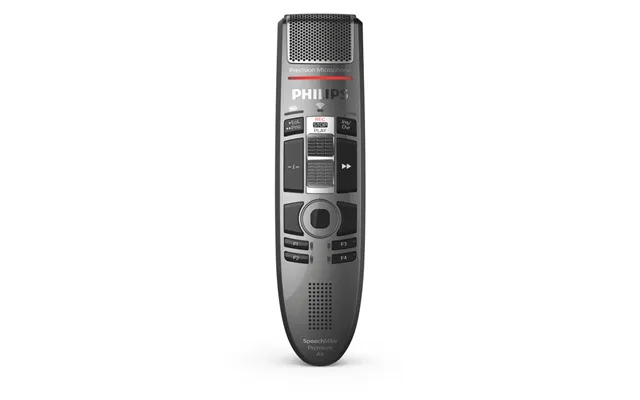
ZoneOffer is a comparison site, not a store. It helps you check multiple retailers at a glance so you can weigh features against prices, spot genuine savings, and avoid overpaying. Instead of hopping between tabs and guessing at value, you can quickly shortlist recorders that match your needs, then click through to buy from the retailer you prefer. It’s a simple way to shop smarter and save time.
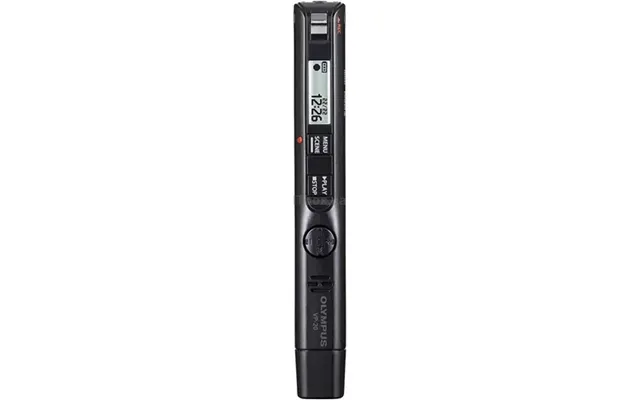
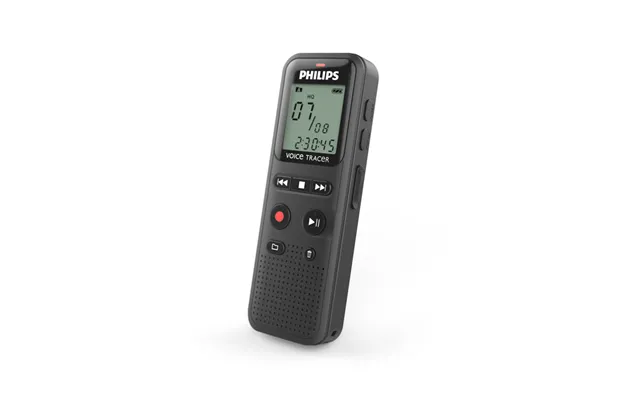
Even the best recorder needs a little care. Keep your device clean, manage files regularly, and update firmware when available. If something goes wrong, a quick checklist—batteries, storage, cables, and settings—solves most hiccups. Treat your recorder like a trusty pocket camera: ready to capture life the moment it happens.
Getting low volume? Move closer or raise input sensitivity gradually. Hearing distortion? Lower the input level or enable a safety track. Recorder not turning on? Check battery charge and make sure storage isn’t full. Files not showing on your computer? Try a different cable or port, and confirm your recorder is set to the correct connection mode for file transfer.
Store your recorder in a protective case and avoid leaving it in hot cars or damp spaces. Back up recordings regularly so you never lose important audio. Firmware updates can improve stability and add features, so check periodically. A little routine care keeps performance consistent—and saves you from those “why today?” tech surprises.
Voice recorders are getting smarter. Expect stronger noise reduction, better on-device processing, and tighter integration with transcription tools. Battery efficiency continues to improve, giving you more hours per charge. The future? Faster workflows, cleaner audio, and recorders that feel like a natural extension of how you work.
Advanced processing can now filter out hums, clicks, and background chatter in real time. On-device transcription is becoming feasible, turning recordings into searchable text without sending files to the cloud. For students, journalists, and busy teams, that means less post-production and faster access to the moments that matter.
Expect simpler connections for transferring files, pairing accessories, and backing up recordings. Wireless features are evolving too, but wired options remain reliable for mission-critical work. On the battery side, improved efficiency means longer sessions and quicker top-ups—so you spend more time recording and less time watching a charging icon.
Choosing the right voice recorder comes down to your real-world needs. Start with where and how you record, then match features like mic quality, battery life, storage, and form factor. Add a couple of smart accessories, and you’re set for consistently clear audio. When you’re comparing prices and features in the UK, remember that a good comparison site can save you time and help you land the right deal. Pick confidently, record reliably, and let your ideas sound as good as they deserve.
| Voice Recorders | Price | |
|---|---|---|
| Olympus E-62 Headphones Wired In-ear Music Black | £ 48,39 | |
| Philips Lfh0334 Headphones Wired Under-chin Music Black | £ 57,89 | |
| Olympus Ws-882 Flash Card Silver | £ 59,43 | |
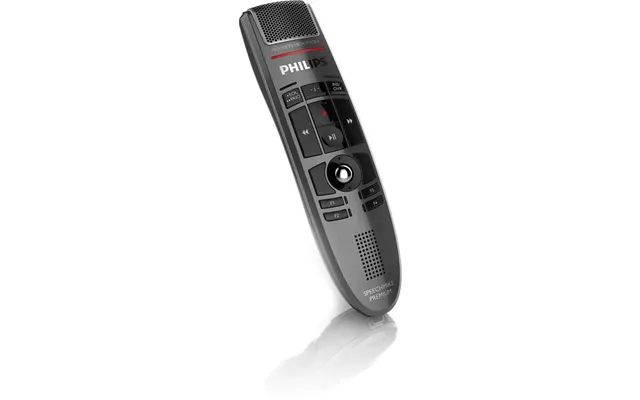
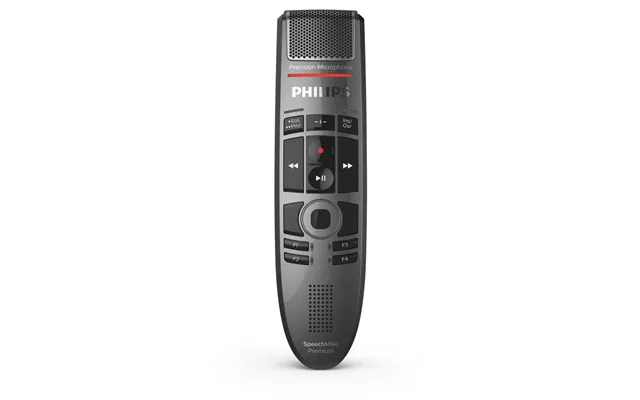
| Philips Speechmike Premium Usb Dictation Microphone | £ 292,88 | |
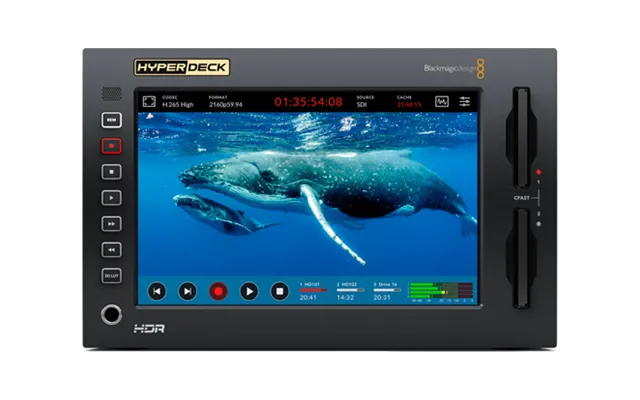
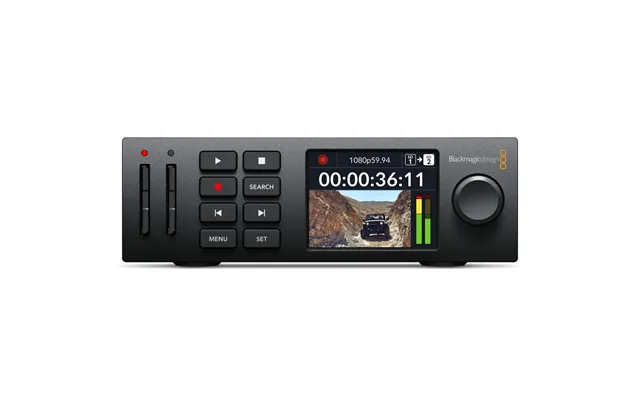
| Blackmagic Design Hyperd St Dahm Digital Video Recorder Dvr Black | £ 486,- | |
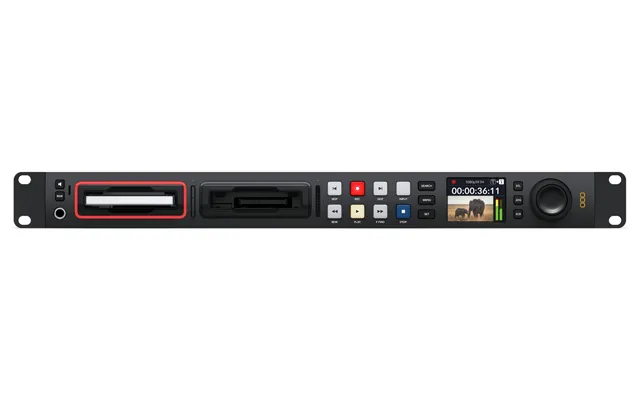
| Blackmagic Design Hyperdeck Studio Hd Pro Black | £ 941,36 | |
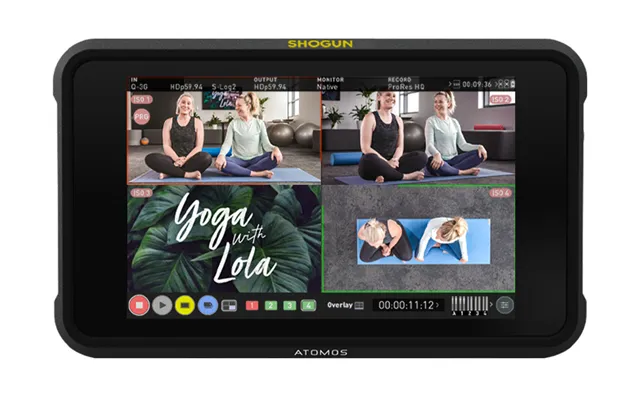
| Atomos Shogun 7 Black | £ 1.130,22 | |
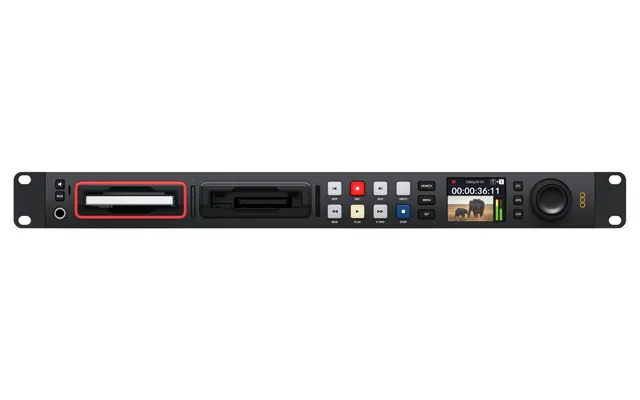
| Blackmagic Design Hyperdeck Studio 4k Pro Black | £ 1.495,40 | |
| Blackmagic Design Hyperd Rstex4khdr Digital Video Recorder Dvr Black | £ 3.656,85 | |
| Blackmagic Design Hyperd Rstex8khdr Digital Video Recorder Dvr Black |

| £ 6.158,40 |