

Transistors price list
Last updated Monday, 19 Oct 2026





View 34 Offers
Loading...
Last updated Monday, 19 Oct 2026
If you tinker with electronics, a transistor is your best friend. It’s the tiny switch and amplifier that makes modern gadgets tick—from phone chargers and motor drivers to audio preamps and LED dimmers. Think of a transistor as a nimble gatekeeper that either lets current flow or stops it cold, all while obeying the gentle nudge of a small signal. That’s powerful. And when you’re hunting for the right part, the choices and price points can feel endless. The good news? With a handful of practical criteria, you can quickly separate the great deals from the time-wasters.
Even though integrated circuits get a lot of the spotlight, discrete transistors remain essential. They’re cheap, tough, and flexible—perfect for custom power stages, signal conditioning, and upgrading existing circuits. Whether you’re replacing a blown part in an amp or building a high-efficiency motor controller, the right transistor can be the difference between a cool, efficient build and a hot mess—literally.
When you browse a transistor price list on a comparison site, you’ll encounter a handful of families. Each brings its own strengths, quirks, and best-fit applications. You don’t need a PhD to pick the right one; you just need to know what job you’re hiring it to do.
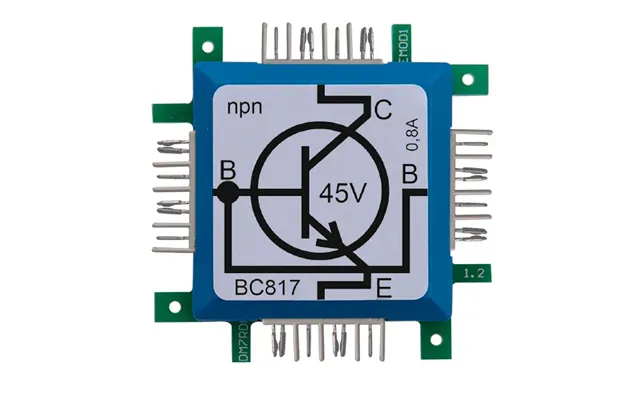
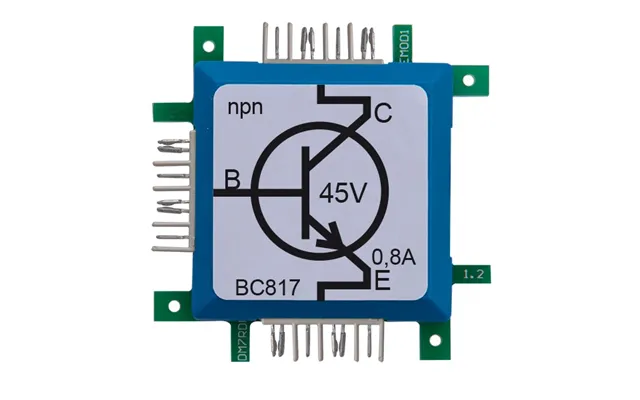
BJTs are the classic choice for signal amplification and modest switching tasks. They use base current to control collector current, which means they’re current-driven parts. If you’re building a microphone preamp or a simple LED driver, BJTs are friendly and predictable. Look for NPN parts when you’re switching the low side and PNP parts for high-side tasks in low-current scenarios. Their gain (often labeled hFE or beta) helps you estimate how much base current you need to drive a given load. The trade-off? BJTs tend to waste more power as heat when used as switches compared to MOSFETs—but for audio and small-signal jobs, they often shine.
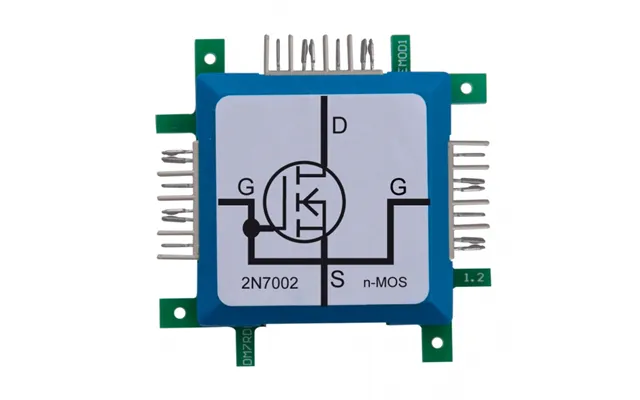
MOSFETs are typically the best pick for switching tasks—like driving motors, solenoids, high-power LEDs, or the output stage of a DC regulator. The magic spec here is on-resistance (RDS(on)); lower is better because it means less heat and higher efficiency. You’ll often choose N-channel MOSFETs for low-side switching (most common) and P-channel for high-side switching in simpler circuits. Many hobby-friendly logic-level MOSFETs turn fully on with a gate-to-source voltage that matches microcontroller logic levels. Pair them with a proper gate resistor and, for higher-power builds, a dedicated gate driver to slam the gate quickly and reduce switching losses.
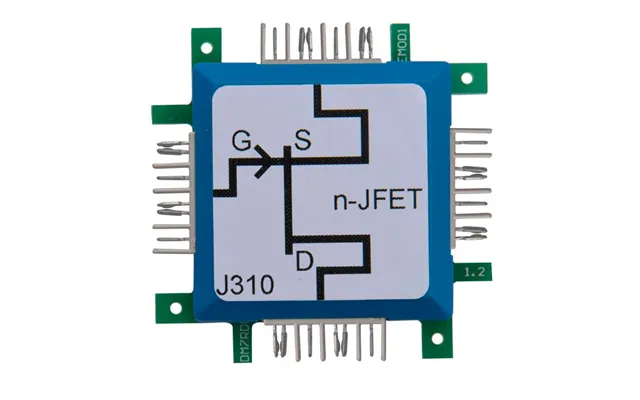
JFETs excel in low-noise analog front ends and simple constant-current sources. They’re quiet, stable, and ideal for high-impedance sensor circuits. Meanwhile, IGBTs sit between BJTs and MOSFETs in behavior: they handle high voltages and big currents gracefully, especially at moderate switching speeds. If you’re boosting power for large motors or induction loads, IGBTs are dependable, especially in ruggedized packages. They’re common in inverters, welders, and motor drives where voltage stress and thermal robustness matter more than ultra-fast switching.
Datasheets can be intimidating. But you don’t need to digest every line—just focus on the specs that match your project. Once you match load current, voltage, and switching method, you’ll be surprised how quickly the options narrow down.
Pick a transistor with comfortable headroom above your circuit’s voltage and current. If your supply sits around 12 V, choose parts rated for significantly higher voltage to tolerate spikes and transients from motors, coils, and long wires. For current, consider the worst-case continuous draw and any startup or surge conditions. Give yourself breathing room so the device doesn’t run on the ragged edge. Headroom keeps your project cool, quiet, and reliable.
For MOSFETs, low RDS(on) is gold—it slashes heat losses. For BJTs, look at gain, especially at your operating current; higher gain means you need less base drive to achieve the same collector current. Switching speed matters too. If you’re pulsing a transistor quickly, pick one with fast switching characteristics and plan for good gate or base drive. That combo prevents sluggish edges that waste power and raise temps.
Packages such as TO-220, TO-247, TO-92, SOT-23, and DPAK aren’t just alphabet soup—they dictate how much heat a device can shed and how easy it is to mount. Through-hole packages like TO-220 are friendly for DIY heat sinking with a simple clip or a #4-40 screw. Surface-mount parts like DPAK can be excellent if you give them broad copper planes for heat spreading. Keep the case temperature within safe limits—think under about 185°F for many designs—and use thermal pads or paste to improve contact with a heatsink. If your design will live in a tight, non-ventilated enclosure, consider a larger package or beefier heat management from the start.
Choosing a part is easier when you map it to a real job. Here are some of the most common applications and what to watch for so you don’t paint yourself into a corner.
For DC motor speed control, an N-channel MOSFET on the low side with PWM is a proven pattern. Keep leads short, add a flyback diode across the motor, and watch your gate drive—either logic-level direct from a microcontroller for small loads or via a gate driver for bigger currents. If the motor is beefy and your supply voltage is high, consider an IGBT. For brushed motors, low on-resistance and solid flyback protection are non-negotiable. For brushless or high-frequency switching, lower gate charge and faster devices make life easier.
BJTs still rule for simple preamps and gain stages because their transfer characteristics are predictable and musical. A classic common-emitter stage can turn a small microphone signal into something a line-level input can digest. For clean, low-noise performance, keep resistors generous to minimize hiss, use good decoupling, and pick transistors known for low noise figures. If you need a buffer with high input impedance, a JFET stage is a gorgeous fit—it’s like adding a velvet glove to your signal path.
For switching small relays, LEDs, or solenoids from a microcontroller, a logic-level N-channel MOSFET is ideal. Place a gate resistor to tame ringing, a pull-down to keep the gate grounded at startup, and diodes across inductive loads to absorb back-EMF. This recipe scales from little 5 V gadgets to beefy 12 V and 24 V tools. If you’re short on outputs, a BJT can still be handy for level shifting or buffering signals in pinch-hitter roles.
When you hit a comparison site’s Transistors price list, the variety can be dizzying. Keep your use case front and center, filter aggressively, and treat specs like a checklist. It’s not about the cheapest part; it’s about the right part at a fair price. Here’s how to keep your head clear and your cart smart.
Start with transistor type (BJT, MOSFET, JFET, IGBT), then set your minimum voltage rating above your supply, and a current rating above your peak draw. Next, filter for logic-level gates if you’re driving MOSFETs from microcontrollers. For switching efficiency, sort by on-resistance if available. Package preference comes next—through-hole for hobby ease or SMD for compact builds. Finally, check availability and delivery time if your project is on a deadline.
Always look for parts with a reliable datasheet and a recognizable manufacturer. If the deal seems too good to be true, double-check the source and reviews. For heat-heavy builds, poke around for thermal guidelines and application notes. They often include tested layouts, snubber suggestions, and gate-drive advice that can save hours of trial and error. The extra five minutes spent verifying a part can save you from chasing mysterious failures later.
A good transistor is only as good as the ecosystem around it. A few supporting players radically improve reliability, efficiency, and safety. Think of them as bodyguards, coaches, and medics all in one.
Gate drivers ensure your MOSFET switches fast and clean, reducing switching losses and heat. A simple diode across an inductive load like a motor or relay protects the transistor from voltage spikes. RC snubbers or TVS diodes can tame nastier transients in high-speed or high-voltage designs. These tiny add-ons cost little and buy you a lot of peace of mind.
If your design runs warm, a modest heatsink on a TO-220 package can cut case temperatures dramatically. Use a thin thermal pad or paste, and secure it with a #4-40 screw and insulated shoulder washer if needed. In tight enclosures, airflow matters; a small vent or fan can drop temperatures by dozens of degrees Fahrenheit. Heat is the silent killer—treat it with respect, and your transistor will cruise for years.
Nothing beats learning by building. Here are a few approachable projects that showcase what different transistor types can do. They’re simple, practical, and easy to adapt to your parts bin.
Use a logic-level N-channel MOSFET on the low side of a high-brightness LED strip. Drive it with PWM from a microcontroller or a 555 timer. Add a gate resistor and a pull-down to keep things stable. This setup is quiet, efficient, and gives buttery-smooth dimming. If you’re going for high brightness, mind your heat; a small heatsink and thick traces help keep everything cool.
Pair a MOSFET with a flyback diode and test a range of PWM duty cycles to find the motor’s sweet spot. For bigger motors, add a dedicated gate driver and consider a shunt resistor to measure current. If you hear a whine, try a higher PWM frequency—just make sure your transistor can switch cleanly at that rate. For the mechanically curious, tweak rise and fall times by adjusting gate resistors and watch the difference on a scope.
Build a single-transistor common-emitter preamp to boost a dynamic microphone. Use a bias network to center the collector voltage and a bypass capacitor to goose the gain. Keep leads short, decouple the supply near the transistor, and use shielded cable. The result? A surprisingly sweet, low-cost front end for podcasts, instruments, or hobby radio.
Even seasoned builders hit snags. The difference between a quick fix and a long night often comes down to a few checks you can do with a multimeter and a calm mindset. No magic—just method.
Half-bridges and push-pull stages are notorious for brief moments where both devices conduct—shoot-through. Use proper dead-time or gate-drive timing to keep them from fighting each other. For BJTs, make sure biasing doesn’t drive them into thermal runaway; a small emitter resistor can stabilize current and prevent runaway. And don’t forget that MOSFETs with large gates need a firm shove from the driver—lazy edges waste power and build heat fast.
Many MOSFETs are sensitive to electrostatic discharge. Ground yourself, keep the device in anti-static packaging until use, and avoid touching gate pins directly. Add small gate resistors and clamping as needed. If a device mysteriously dies on the bench, suspect ESD first—especially on dry days. Prevention takes seconds; replacing parts and rework takes hours.
Great circuits can stumble if the layout or wiring is sloppy. Treat current loops like they’re allergic to area, keep high-current paths short and fat, and separate sensitive analog sections from noisy switching zones. You’ll be amazed how much quieter and cooler your design becomes.
Use star grounding or a solid ground plane. Place decoupling capacitors close to the device pins, especially for switching regulators and motor drivers. When testing, measure voltage drops across shunts, check gate waveforms, and watch case temperature with an IR thermometer. If something feels hotter than a fresh cup of coffee, it’s worth a second look.
Gallium Nitride (GaN) and Silicon Carbide (SiC) transistors are rewriting the rules for high-efficiency power electronics. They switch faster, handle higher voltages, and lose less energy as heat. While still pricier than silicon MOSFETs, they’re showing up in chargers, inverters, and RF power stages where efficiency and size really count. Keep an eye on evolving driver requirements and layout recommendations—GaN and SiC demand crisp, low-inductance designs, but the payoff is huge.
If you’re building compact, high-frequency, or high-voltage designs, GaN and SiC might be worth the premium. For most hobby and mid-power projects, silicon MOSFETs and BJTs remain the sweet spot, especially when you can compare offers across multiple sellers and pick the exact spec that fits your needs and budget.
Beyond the silicon, how you mount a transistor affects performance, heat, and longevity. Plan for assembly early, and the build becomes a breeze instead of a wrestle.
Through-hole packages like TO-220 and TO-92 are perfect for prototyping, repairs, and power stages where you want easy heat sinking. Surface-mount parts like SOT-23 or DPAK shine when space is tight and you’re designing a proper PCB. If you’re on a breadboard, remember the standard 0.1 inch pitch and avoid oversized leads that stress the sockets. For rugged builds, consider bolting a TO-220 to a small aluminum heatsink or a chassis panel for rock-solid thermal performance.
It’s tough to beat the convenience of seeing multiple offers and sellers lined up in one place. A comparison site helps you quickly scan prices, availability, and key specs so you can zero in on the best value. This is especially handy when a project calls for several parts or a specific package that’s temporarily scarce. Instead of hopping tab to tab, let the price list do the legwork for you.
Use filters to lock down voltage, current, package, and type. Add promising candidates to a shortlist so you can compare them side by side. Note any accessories you might need—flyback diodes, gate drivers, thermal pads—so you grab everything in one go. With a tidy parts list, your build starts faster and finishes cleaner.
The best transistor projects often include a few extra components that prevent headaches. These aren’t upsells; they’re insurance policies and performance boosters wrapped into tiny packages.
Optocouplers let you isolate noisy power stages from sensitive logic, reducing ground bounce and keeping digital brains calm. Relays still have their place when you need complete isolation or to switch AC lines. Add TVS diodes across supply inputs, and don’t forget those classic flyback diodes on coils. In high-stakes designs, these parts are the difference between “works most of the time” and “works every time.”
Before you click “compare,” grab a simple checklist. It keeps you honest and saves money. What’s your supply voltage? Continuous and peak current? Switching or analog? Microcontroller drive available? Package preference? Cooling plan? Once you can answer those, you’re 90% of the way to the perfect match.
For switching loads, pick MOSFETs with comfortable voltage headroom and the lowest practical on-resistance in your price range. For small-signal gain, pick BJTs known for low noise and stable gain. For heavy-duty, high-voltage switching, consider IGBTs with appropriate diodes and snubbers. Wrap it all up with solid thermal management and clean layout, and your circuit will feel pro-grade.
Transistors are the unsung heroes of modern electronics—tiny, tough, and incredibly capable. Whether you’re building a whisper-quiet preamp, a robust motor controller, or a sleek LED dimmer, there’s a device that fits your needs and budget. By focusing on the right specs—voltage, current, on-resistance or gain, speed, and package—you’ll find the sweet spot between performance and price. Comparison sites make it easy to scan a Transistors price list, spot popular offers, and lock in exactly what your design demands. Add the right support parts, respect heat, and keep your layout tidy, and your next project won’t just work—it’ll shine.