

Mobile Phone Jammers price list
Last updated Monday, 19 Oct 2026





View 3 Offers

Loading...
Last updated Monday, 19 Oct 2026
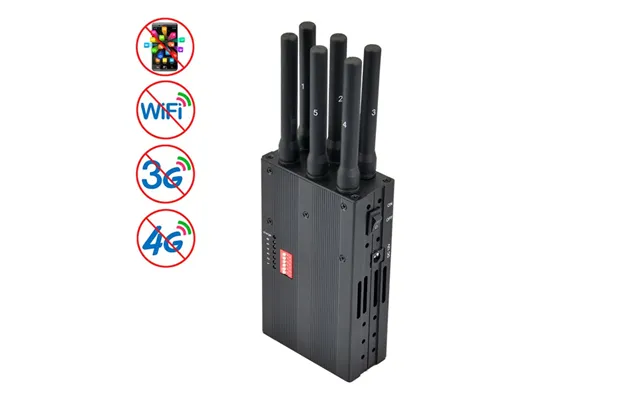
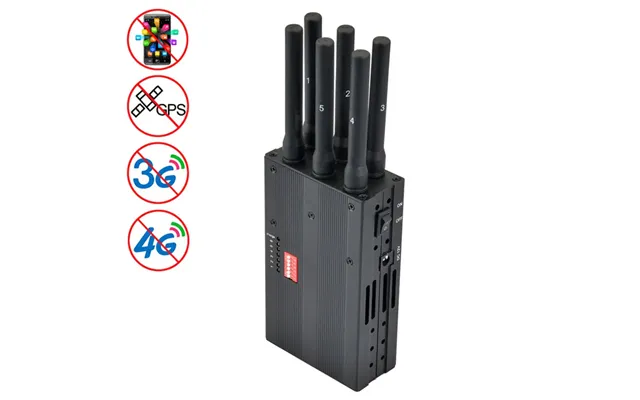
Let’s start with the basics. A mobile phone jammer is a device marketed to disrupt or block wireless signals so phones can’t connect to nearby towers or networks. If you’ve seen claims like “block calls,” “silence notifications,” or “cut off data,” that’s the general idea being promoted. Sounds simple on the surface, right? In reality, this category is complicated, controversial, and tightly regulated—especially in the United Kingdom.
You might spot mobile phone jammers when browsing comparison pages that aggregate deals from multiple sellers. These pages often highlight trending products, keywords people are searching for, and eye-catching discounts. That visibility doesn’t automatically mean these devices are lawful to buy or use where you live. In fact, in the UK, they’re heavily restricted. So if you’re researching products in this space, it’s wise to focus less on the “deal” and more on the legal, safety, and ethical implications before you go any further.
Here’s the headline: in the United Kingdom, using, owning, or selling mobile phone jammers without appropriate authority is illegal. Regulators view them as harmful because they can disrupt communications beyond a single phone—including emergency services. That’s a big deal. Penalties can be serious, and devices can be seized. Even if a listing claims a device is “for personal use” or “low power,” that doesn’t make it lawful.
Laws around radio equipment are designed to protect the wider public. Think of the airwaves as a shared highway. A jammer is like a car driving the wrong way down a busy lane—one device can cause chaos for everyone else. Whether you’re considering a handheld unit or something meant for a room or vehicle, the legal reality in the UK remains the same: these devices are not for general consumer use. If you’re a business or institution facing real-world disruptions from phones, there are compliant, safer alternatives you can use instead.
You might notice a few patterns in how mobile phone jammers are presented in product listings. Marketers tend to group them into categories to make them feel familiar—like “portable,” “desktop,” or “multi-band.” Understanding these labels can help you evaluate what you’re looking at (and why it might be problematic).
Portable units are often shown as pocket-sized or handheld devices, aimed at people who want to “silence” phones on the go. Stationary devices are typically marketed for fixed spaces—like offices or private rooms—where someone wants ongoing signal control. While the form factor differs, the legal risks do not. In both cases, using such devices in the UK is prohibited, and their impact can extend far beyond the intended area.
Some listings trumpet “single-band” capability, while others tout “multi-band” coverage. This is just marketing shorthand for which types of signals a device claims to affect. Regardless of how a product frames its capabilities, promoting or using equipment to block licensed communications is where the legal line is crossed. Rather than fixating on bands, reframe the question: is there a lawful, ethical way to achieve your underlying goal without jamming? Spoiler: yes—there usually is.
Still curious? Before going deeper, take a breath and step back. Ask yourself what problem you’re actually trying to solve. Do you want fewer distractions in a meeting? Quieter performances at a theater? Better exam integrity? For every scenario, there’s a compliant path forward that doesn’t risk fines, device confiscation, or unintended harm.
When a listing looks tempting, it helps to remember that “popular” doesn’t equal “permissible.” Even if you see a lot of chatter online, the enforcement reality in the UK is clear. If you’re responsible for a venue, team, classroom, or event, there are policies and tools that encourage responsible phone use without breaking the law. Leading with education, signage, and technology that manages behavior (not radio frequencies) tends to work better—and it keeps you on the right side of regulations.
Any device that intentionally interferes with wireless signals can cause ripple effects: missed emergency calls, interrupted business operations next door, or interference with medical devices and building systems. It’s not just about the risk to your space; it’s about everyone around you. That’s why regulators take jammers so seriously. A legal, passive solution is almost always safer and smarter.
A lot of interest in jammers comes from real frustrations: buzzing phones in theaters, exam rooms where messaging is a problem, or workplaces where constant notifications derail focus. The good news? You can tackle those pain points with lawful, proven approaches that respect both privacy and public safety.
For quiet spaces, clear policies, visible signage, and staff reminders go further than you might think. Many venues pair that with phone check-in stations or lockable pouches that keep devices out of the way until the event ends. These solutions are legal, simple, and effective. You can also guide visitors to use do-not-disturb or airplane mode before entering—friendly prompts at the door work wonders.
For offices and conferences, mobile device management (MDM) solutions help set rules for company-owned devices—like mandatory do-not-disturb during meetings. For personal devices, consider phone-free areas using lockable storage, or offer Faraday-style sleeves for voluntary use during critical sessions. You can even provide charging stations outside the meeting room to make the “phone-free” choice more appealing. No interference, no risk—just better focus.
If you’ve been browsing comparison pages, you may notice a cluster of related products that don’t cross legal lines. These tools can support privacy, productivity, and a calmer environment without touching the radio spectrum.
Faraday bags and lockable boxes are passive enclosures designed to limit or block signals for the devices inside them. That’s a big difference: you’re not broadcasting interference, you’re simply storing the device inside a shielded container. Event organizers use them to create phone-free zones; teachers sometimes employ phone lockers for exams; and travelers use small pouches to keep spare key fobs from being relayed. These are widely available, and when used responsibly, they’re a practical, lawful alternative.
Security teams sometimes use signal detectors to identify suspicious transmissions in sensitive areas, like private boardrooms. Again, detection is not interference. These tools help you understand the environment so you can improve policies, signage, and training. If you oversee a high-stakes space, pairing signal awareness with clear rules is far more sustainable than chasing unlawful shortcuts.
Want to protect conversations? Consider audio-focused tools that mask speech in a room. White-noise or speech-privacy generators can make it much harder for microphones to capture intelligible audio without affecting mobile networks. They’re popular in legal, medical, and corporate settings where confidentiality matters.
Comparison platforms are fantastic for seeing what’s out there, discovering price trends, and checking availability across multiple retailers. But in a sensitive category like signal jammers, due diligence is everything. Treat bold claims with skepticism, and remember that legality is your first checkpoint—not the discount percentage.
Look beyond the headline. Does a listing gloss over regulatory details? Does it use vague language to sidestep legal constraints? Are there third-party reviews discussing actual use in your country? Be mindful that a product can be listed online and still be unlawful to import, sell, or use where you live. A smart shopper filters offers through a compliance lens first.
If you’re exploring legal alternatives—like Faraday enclosures, storage systems, or privacy devices—check the retailer’s track record, warranty support, and certification claims. Read transparent documentation, and look for clear statements about lawful use cases. Trustworthy sellers tend to lead with compliance and safety, not just flashy promises.
Curiosity breeds myths—especially around tech that sounds powerful. Clearing the air on a few common misunderstandings helps you make smarter choices.
Not necessarily. Interference doesn’t respect walls, and radio energy can leak into neighboring areas. That means a device intended for one small space can create problems next door—or down the hall. This unpredictability is a major reason regulators prohibit general consumer use.
No. “Low power” doesn’t make an unlawful device lawful. The core problem isn’t just strength; it’s the act of transmitting interference on licensed frequencies. That’s the line you can’t cross. Better to invest in policy-driven solutions that create the quiet or privacy you want—without risking legal trouble.
Some listings talk about “coverage,” “range,” or “walls.” Here’s the reality: radio behavior is influenced by distance, building materials, and even how many devices are nearby. Any “works up to X feet” promise is, at best, a rough guess. And even if a device did what it claims, that doesn’t change the legal risks. If you need dependable results, opt for lawful tools whose performance you can predict—like physical storage for phones or managed device settings for staff.
Every building is unique. Thick walls, metal framing, crowded corridors—these factors can change how signals move. That’s another reason to avoid interference-based solutions: they’re unpredictable and hard to control. It’s far easier to enforce a clear “phone-free” policy with check-in stations than to spend time guessing how radio waves will behave in your space.
The sticker price on a device can be misleading. A deep discount might look like a win—until you factor in the real costs. Legal penalties, device seizure, damage to your reputation, and the possibility of blocking emergency calls are risks that no price tag justifies. When you tally the downside, lawful alternatives deliver a far better return on investment.
Imagine needing to explain to your audience, students, or leadership why phones stopped working not just in your room, but in surrounding areas. Or being accountable for missed emergency communications. These are the kinds of headaches interference can create. Compare that to a well-signed phone policy, lockable pouches at the door, and a short announcement before the show—it’s clear which approach is safer and more sustainable.
A little etiquette goes a long way. Most people don’t want to be disruptive; they just forget. Combine friendly reminders with practical tools—charging hubs outside meeting rooms, a quiet lobby for urgent calls, and optional storage for devices—and you’ll see behavior shift. When people feel respected, they’re far more likely to cooperate.
Clarity beats complexity. Post short, friendly guidelines. Offer a quick script for presenters: “Please set your phone to do-not-disturb now—thank you!” Reinforce the policy at natural checkpoints, like ticket scans or sign-in desks. Small touches add up, creating the calm environment you want without conflict or confrontation.
There are rare, highly controlled environments—think government or critical infrastructure—where certain signal-management tools may be authorized under strict oversight. Those scenarios are not consumer situations, and the equipment and permissions involved are far beyond typical retail listings. If you do not already know you fall into that category, you almost certainly don’t.
When in doubt, choose the legal alternative. If your goal is quiet, use policy and storage. If your goal is privacy, use audio masking and physical controls. If your goal is awareness, use detection and monitoring—not interference. That formula keeps you productive, compliant, and confident.
Comparison platforms can be incredibly useful for researching lawful solutions that solve the same problems people often associate with jammers. Instead of chasing interference-based devices, filter your search toward phone storage lockers, Faraday-style pouches, privacy tools, and meeting-friendly accessories. You’ll find plenty of variety, competitive prices, and—best of all—peace of mind.
Create a short checklist based on your setting: signs for entrances, a quick one-line reminder for hosts, optional phone pouches for events, and either storage lockers or charging stations just outside key rooms. Then compare options, read real-world reviews, and choose reputable retailers. Simple, lawful, and effective.
Mobile phone jammers may grab attention on “popular offers” lists, but in the UK they come with serious legal and ethical red flags. The safer path is also the smarter one: skip interference and invest in legal, practical tools that foster focus, privacy, and respect. From Faraday bags to phone storage, white-noise generators to strong policies, you have plenty of options that deliver results without risking fines or creating unintended harm. Use comparison platforms to explore those alternatives, weigh cost and quality, and build a calm, phone-smart environment that works for everyone.