












All categories
Business & Offices
Electronics & Media
Fashion & Accessories
Groceries & Essentials
Health & Personal Care
Home & Living
Kids & Family
Sports & Outdoors
Search in ZoneOffer

Loading...
A video rewinder is a small, dedicated machine designed to rewind your tapes without using your VCR or camcorder. If you love VHS nights, collect classic tapes, or you’re digitizing family memories, a rewinder is one of those humble little tools that quietly makes everything easier. It’s simple: you pop in a tape, press a button, and the device takes care of the rewind so your main player doesn’t have to.
Why does that matter? Rewinding puts mechanical strain on a VCR’s transport. Over time, that extra wear can shorten the life of your player and add stress to tapes. A good rewinder does the grunt work, so your VCR focuses on what it does best—playing and recording. Think of it like using a wheelbarrow for the heavy lifting: same destination, far less effort on your part and far less strain on the gear you care about.
Standalone video rewinders come in different formats—VHS, VHS-C (with adapter), MiniDV, Video8/Hi8, and more. Most consumer models are made for VHS tapes, because that’s what dominated living rooms for decades. Some rewinders are “novelty” designs shaped like cars or movie props, while others look like compact desktop gadgets. Either way, the goal is the same: rewind fast, stop safely, and treat the tape gently.
You’ll also find professional or archival-grade rewinders that support multiple formats, offer adjustable speeds, and give you precise control over the tape transport. These are fantastic if you’re handling rare or fragile tapes, but for casual movie nights a reliable consumer rewinder is usually perfect—and much more affordable.
Every time your VCR fast-forwards or rewinds, its motors, belts, and gears do a mini workout. That adds up. If your player is vintage or hard to replace, you want to conserve its life for playback and recording. A stand-alone rewinder takes that workload off the deck, so you get longer service life from your VCR and more consistent performance when you actually sit down to watch or capture a tape.
There’s another benefit: speed. Dedicated rewinders are typically faster than a VCR at full rewind, and they often include auto-stop so you don’t overshoot. If you’re plowing through a stack of tapes—maybe prepping for a weekend marathon or a digitizing project—a rewinder slots into your flow and keeps things efficient.
Tapes age. Splices get brittle, shells loosen up, and lubrication isn’t what it used to be. A tape-friendly rewinder with smooth transport and auto-stop can reduce the risk of tape stretch or edge damage compared with constantly slamming rewind and fast-forward on a VCR. It’s a small change in your routine that can keep cherished recordings in better shape, especially if you’re planning to archive or convert them to digital soon.
There isn’t just one kind of rewinder. The right fit depends on the format you own, how often you’ll use it, and how gentle you want it to be. Most shoppers in the UK will be looking at VHS rewinders first, but if you have camcorder tapes—VHS-C, MiniDV, or Video8/Hi8—you’ll want to match the device to your media or pair it with the correct adapter.
VHS rewinders are the most common and typically the most budget-friendly. They range from basic, no-frills boxes to well-built units with status LEDs, auto-stop, and soft eject. If your collection is mostly feature films, kids’ classics, or recorded TV, this is the sensible starting point. Look for a steady transport, a sturdy lid or slot design, and a base that won’t slide around when the motor ramps up.
VHS-C camcorder tapes need an adapter to load into VHS decks, and the same applies to most VHS-only rewinders. If you own VHS-C, invest in a quality mechanical adapter and a rewinder that accepts full-size VHS shells with no fuss. A decent combo keeps your workflow simple: camcorder tape into adapter, adapter into rewinder, job done. Just make sure the adapter’s hinges and gears are in good condition to avoid extra resistance.
Camcorder formats have their own quirks. MiniDV rewinders are often compact, while Video8/Hi8/Digital8 options can be harder to find as standalone units. Many users rely on the camcorder itself for rewinding, but that still puts wear on a device you may want to preserve for playback. If you spot a compatible rewinder for your format, it’s a great pick-up—especially if you’re planning a large digitizing project and want to keep the camcorder’s heads fresh for clean playback.
Pro rewinders can handle multiple formats and usually let you tweak speed and direction with fine control. They’re heavier, more robust, and cost more, but if you’re an archivist, content creator, or reseller handling lots of vintage media, that investment can pay off. Extra features like tension control, soft start/stop, and jog functions add safety for delicate tapes and splices.
With rewinders, you want speed, safety, and simplicity. A quick rewind is great, but not if it roughs up the tape. Focus on features that protect your collection and make your life easier. The right mix will depend on how many tapes you handle and how precious they are.
Speed matters when you’ve got a stack of tapes, but make sure the device includes auto-stop at the end of the reel. This prevents the motor from straining once the tape hits the leader. Some models also include auto-eject or a soft braking system that prevents abrupt changes in tension—both nice-to-haves if you’re working with older, more fragile media.
Look for a smooth, well-aligned tape path and a lid mechanism that doesn’t snap shut. A soft eject feature, or at least a gentle lift, reduces shock to the cassette shell and protects the tape edges. If the unit has a visible transport area, even better—you can quickly check for dust, debris, or misalignment before you insert your favorite blockbuster from the ’90s.
Choose a rewinder with a stable base and a solid case that doesn’t flex. Rubber feet help keep the unit planted on a shelf or desk. For power, ensure it uses a reliable mains adapter and has clear indicators for power and status. Simple things—a clear on/off switch, an LED that shows progress, and an auto-shutoff—add up to a safer experience, especially if you like to multitask while the tape rewinds.
A rewinder is the heart of a stress-free tape routine, but a few accessories can make everything run smoother. From cleaning to storage and capture, these extras can elevate your experience and help your tapes—and memories—last longer.
Before you rewind a dusty tape, give it a gentle clean. Dry cleaning cassettes can help remove debris, and for VCRs and camcorders, a dry head cleaner can maintain playback clarity. Avoid harsh liquids unless you know exactly what you’re doing—overzealous cleaning can do more harm than good. If a tape has visible mold or heavy debris, get advice from a specialist before running it through any device.
If you use VHS-C tapes, a good adapter is essential. For older reels that have snapped or lost a leader, a basic splicing kit can be a lifesaver. Add a small flashlight and a magnifier to inspect tape edges and shells before rewinding. Spotting sticky residue, cracked hubs, or warped shells early can prevent a nasty surprise in both your rewinder and your VCR.
Planning to digitize? Pair your rewinder with a solid capture device, a time base corrector (TBC) or TBC-like stabilization, and clean cabling. Use good-quality S-Video where available, and keep runs tidy with 3 ft to 6 ft cables to minimize signal issues. A stable capture setup plus a rewinder equals faster workflow, less equipment wear, and better results when you finally hit record.
Once everything is rewound, store tapes upright in vented cases or sturdy sleeves. Keep them in a cool, dark, and dry spot away from heaters and windows. Add spine labels with recording dates and brief notes so you can find that holiday video without rummaging. A little organization goes a long way when you’re juggling a growing collection.
Start with your tape types, then consider your usage volume and your future plans. Are you mostly watching old favorites on weekends, or are you prepping a large digitizing project? Do you need something compact to tuck on a shelf, or a more robust unit to run daily? A quick checklist—format compatibility, tape safety features, and solid build—will steer you toward a winner.
If you’re rewinding a few VHS tapes a week, pick a simple VHS rewinder with auto-stop and a sturdy lid. You don’t need pro controls; you just want reliable performance. A compact unit with a clear status light is perfect. Combine it with a VHS-C adapter if you’ve got camcorder tapes in the mix. Easy, safe, and ready for that next movie marathon.
Handling dozens of tapes? Prioritize gentle transport, consistent speed, and auto-stop. Consider a unit with soft start/stop and robust build quality to reduce stress on aging tapes. Pair it with a stable capture chain, short high-quality cables, and a TBC or TBC-like solution. This combo minimizes dropped frames and sync issues while preserving your deck’s playback heads for the task that matters most: clean capture.
If you manage rare or valuable tapes, look for a rewinder with precise control and a reputation for tape safety. Multi-format or pro-grade options may be worth the investment for their transport reliability and adjustable handling. Add inspection and cleaning tools to your kit, and consider a backup rewinder for redundancy—you don’t want your workflow stuck because a single device went down on a busy day.
A little care keeps your rewinder running smoothly for years. The basics are simple: keep it clean, give it space to breathe, and treat tapes with respect. If it starts to sound rough or behave erratically, hit pause and inspect—early attention prevents bigger headaches later.
Dust is the enemy. Place the rewinder on a clean, stable surface and dust it regularly. Avoid cramped cabinets where heat can build up—motors prefer cool air. If the lid or slot collects debris, wipe it gently with a dry, lint-free cloth. Don’t spray cleaners directly into the device. If you suspect internal dust, consult a pro rather than poking around where you might misalign parts.
Always check a tape shell before rewinding. If you see cracked hubs, loose screws, or warped plastic, fix it before running the cassette. Insert tapes smoothly, close the lid fully, and let the auto-stop do its job. If you hear scraping, grinding, or unusually high-pitched whine, stop immediately and inspect—better safe than sorry with irreplaceable recordings.
Use a surge-protected outlet and give the power cord enough slack to avoid strain. Unplug the rewinder when not in use for long stretches. When storing, keep the unit upright, avoid stacking heavy gear on top, and don’t leave tapes inside. Simple habits add up to longer device life and fewer “Why won’t this start?” moments.
The vintage market is full of solid consumer VHS rewinders that still hold up well, along with newer options designed with tape safety in mind. While availability changes, you’ll often find dependable units from well-known consumer electronics makers and specialty archival brands. The key is to look for models with consistent user feedback around smooth transport, reliable auto-stop, and sturdy build.
Classic VHS rewinders with a simple clamshell lid and a bright status LED are ideal for most households. Look for models known for firm hinges, non-slip feet, and sensible speed—fast enough to be useful, gentle enough to be safe. Avoid ultra-cheap options with flimsy lids or vague switches; if it feels wobbly in the hand, it may not treat your tapes kindly.
Archival and studio-oriented rewinders focus on precise control and rugged reliability. These units typically feature smooth braking, solid bearings, and serviceable parts. They’re an investment, but if your work involves rare content or frequent handling, the stability and tape safety they offer can more than justify the cost over time.
The UK market for video accessories can be surprisingly lively, and prices fluctuate based on condition and stock. Instead of guessing, use a trusted comparison platform to scan offers across multiple sellers, read specs side by side, and spot genuine value. You’ll save time and reduce the chance of overpaying for features you don’t need—or missing a great price on the exact model you want.
A comparison site lets you weigh options at speed: VHS-only vs multi-format, basic vs premium features, compact footprint vs heavier-duty construction. You get a clearer picture in minutes, and you can lean on ratings and product details to avoid duds. It’s the smarter shortcut to matching your budget with the right rewinder and the accessories to go with it.
A video rewinder is a small upgrade that pays off big—less wear on your VCR, safer handling for your tapes, and a smoother workflow whether you’re watching, collecting, or digitizing. Match the rewinder to your tape formats, focus on tape-safe features like auto-stop and gentle transport, and round out your setup with smart accessories. With a bit of care and the right comparison research, you’ll find a trusty unit that keeps those memories rolling for years to come.
| Rewinders | Price | |
|---|---|---|
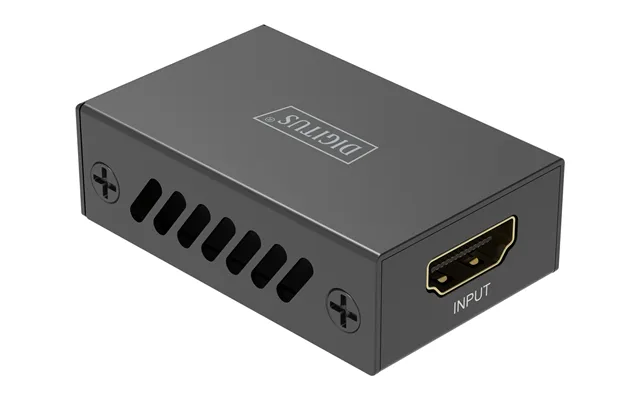
| Digitus Hdmi Repeater. 8k 60hz | £ 32,72 | |
| Digitus Hdmi Repeater. 8k 60hz | £ 32,72 |
