All categories
Business & Offices
Electronics & Media
Fashion & Accessories
Groceries & Essentials
Health & Personal Care
Home & Living
Kids & Family
Sports & Outdoors
Search in ZoneOffer

Loading...
Ever wondered why a simple plate of pasta can taste like a restaurant dish one night and blah the next? The sauce is the soul of most pasta dishes. A great jarred pasta sauce can turn pantry staples into a weekend-worthy meal, while the wrong one can leave you scraping for extra seasoning. This guide helps you choose the best sauces, spot the best deals, and upgrade store-bought jars into something that tastes homemade.
There’s a whole world of sauces beyond plain red. Knowing the basics helps you pick the right jar at the shelf. Think of sauces like tools: marinara is your everyday screwdriver; bolognese is the power drill for serious meals; pesto is the specialist wrench for bright, herb-forward dishes.
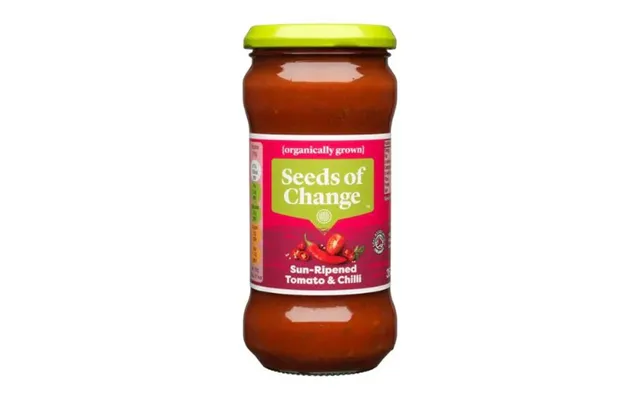
Marinara is tomato-forward, bright, and versatile. Look for smooth or chunky versions depending on whether you want texture. A typical family jar runs about 24 fl oz, enough for four to six servings of pasta. Marinara pairs beautifully with spaghetti, linguine, or as the base for meatballs.
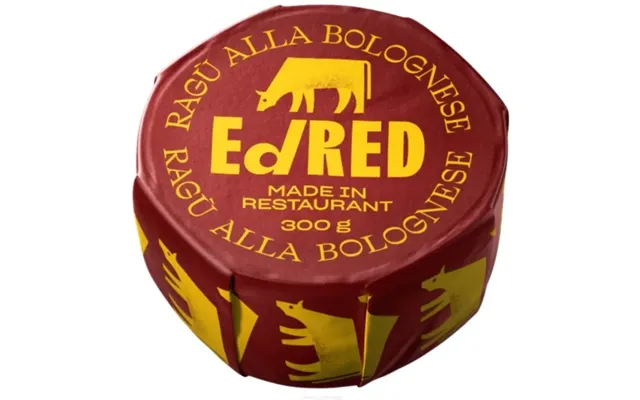
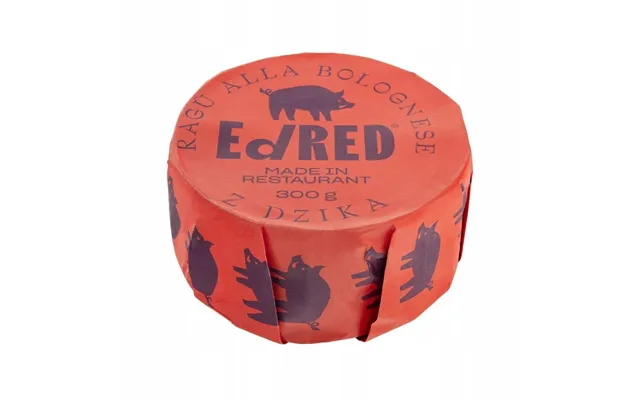
Bolognese is richer and chunkier, loaded with ground meat and aromatics. Store-bought meat sauces are great time-savers when you want a hearty dish without hours of simmering. Choose larger jars, like 24–32 fl oz, if you’re feeding a family or hosting guests.
Creamy sauces like Alfredo and Carbonara bring comfort and richness. They can be higher in calories, but a little goes a long way—2 to 4 tablespoons per serving often suffices to coat a plate of fettuccine. Look for versions made with real cream or butter, or opt for lighter varieties if you’re watching calories.
Pesto uses basil, pine nuts, and olive oil for a punchy, herb-forward taste. These jars are concentrated—3 to 4 tablespoons usually dress a serving of pasta. Because pesto is oil-heavy, a small jar of about 6 to 8 fl oz can last several meals.
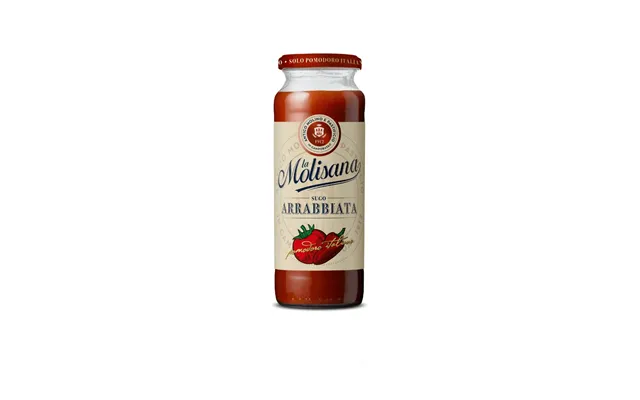
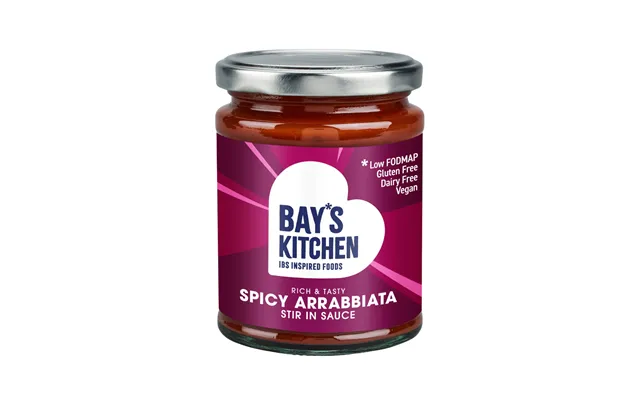
Arrabbiata, puttanesca, and other regional sauces bring focused flavors—heat, olives, capers, anchovies—so they shine with simple pasta shapes. Try small jars first to see if you love the flavor profile before committing to a bigger size.
Reading labels is like detective work: look for clues about quality and value. Key things to scan are the tomato source, added sugars, type of oil, and any unexpected fillers. Short ingredient lists with recognizable words usually mean a cleaner, fresher-tasting sauce.
Whole peeled tomatoes or crushed tomatoes often yield better texture and flavor than “tomato puree” if the jar is tomato-based. San Marzano-style or Italian-grown tomatoes are a nice sign, though they can bump up the price.
Many commercial sauces add sugar to balance acidity. If you’re watching sugar, look for labels that say “no added sugar” or “unsweetened.” The same goes for sodium—lower-sodium options are increasingly common. If you see a long laundry list of preservatives and stabilizers, consider a different jar.
Price per jar tells you little without context. The smart move is to compare price per fluid ounce. A big 32 fl oz jar might seem expensive, but it could be cheaper per ounce than the 12 fl oz jar. Doing the math helps you spot real bargains and avoid overpaying for brand names.
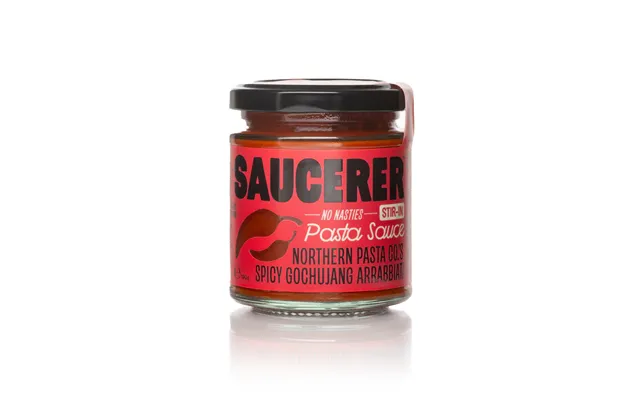
Common jar sizes in the sauce aisle include 12 fl oz (small), 24 fl oz (standard family size), and 32 fl oz (value or bulk). Pesto and specialty sauces often come in 6–8 fl oz jars because a little goes a long way.
Buying a 32 fl oz jar is great if you know you’ll use it within its shelf life after opening or if you’re cooking for several people. If you eat pasta once a week, a 24 fl oz jar may be the sweet spot to avoid waste.
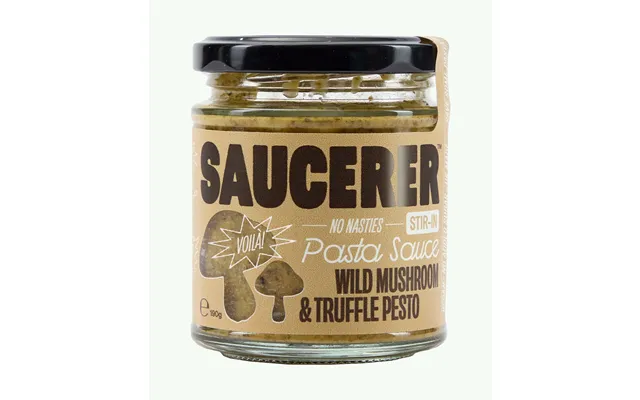
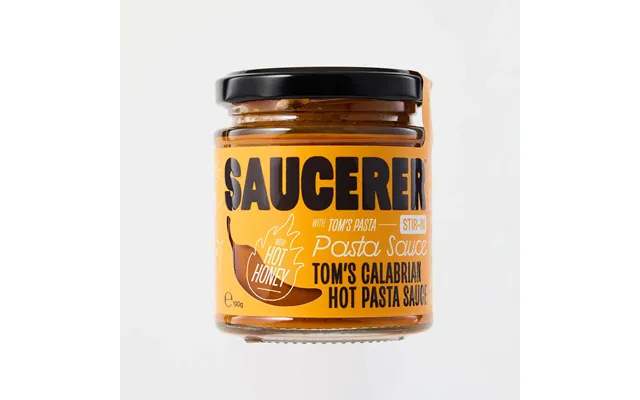
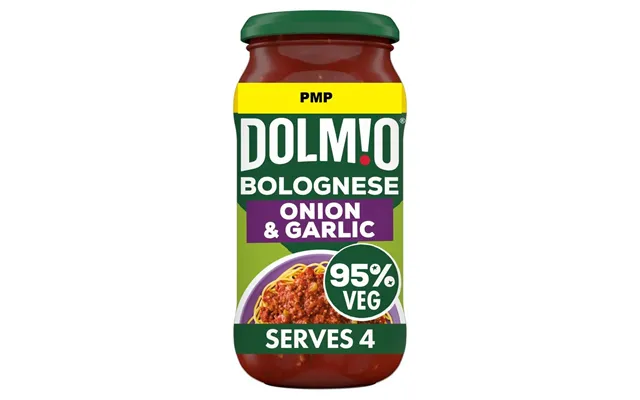
Want to save money without sacrificing taste? Comparison shopping is your friend. Use price-per-ounce comparisons, look for multi-buy offers, and keep an eye on seasonal sales. Signing up for newsletters from grocery chains can net you coupons and alerts about discounts.
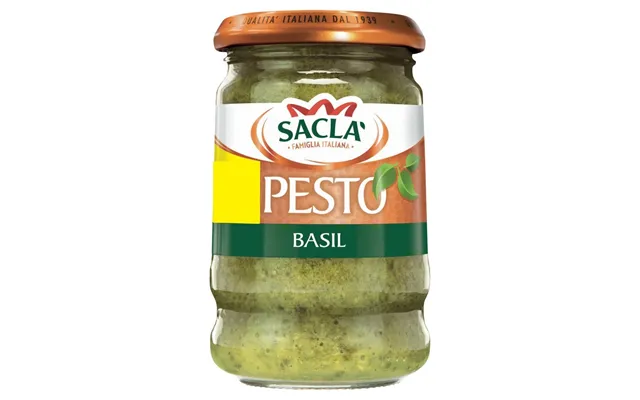
When comparing, always check the unit price—cents or pence per fluid ounce—so you’re comparing apples to apples. A jar on sale for a dollar off might not be a bargain if the unit price is higher than an alternative brand.
Don’t settle for a plain jar. With a few pantry staples you can make a jarred sauce taste homemade. Think of jarred sauce as a base camp—easy to enhance and quick to personalize.
Sauté a chopped onion and 2 cloves of garlic in 2 tablespoons of olive oil before adding the jar—this adds depth. A splash of red wine (2 to 4 tablespoons) or a teaspoon of balsamic vinegar brightens the acidity. Finish with a tablespoon of butter or 2 tablespoons of heavy cream for silkiness in cream-based sauces.
Stir in chopped fresh basil or 1 to 2 teaspoons of dried Italian seasoning near the end of cooking. Grated Parmesan, Pecorino, or a dollop of ricotta (about 2 tablespoons per serving) adds richness and a layered flavor profile.
Matching pasta shapes to sauce types is a small trick that improves texture and flavor balance. Think of shapes as personalities: some cling to sauce, others let it flow.
Meaty ragùs and chunkier tomato sauces love rigatoni, penne, or ziti because the ridges and tubes trap chunks and juices. If you have a bolognese-style jar, reach for a short, sturdy pasta.
Silky tomato sauces, oil-based dressings, and light cream sauces pair best with spaghetti, linguine, or fettuccine. The long strands create a smooth mouthfeel and let the sauce coat evenly.
If you’re watching sugar or salt, jarred sauce can still fit a healthy plan. Look for labels that advertise “no added sugar,” “reduced sodium,” or “low salt.” Many brands now offer options for specific dietary needs, like vegan or gluten-free.
Gluten-free and dairy-free sauces are widely available. If you follow keto, cream-based sauces or pestos are often lower in carbs, but check for hidden sugars. Always read the ingredient list if you have allergies.
Store unopened jars in a cool, dry pantry. Once opened, refrigerate promptly and use within 5 to 7 days to maintain quality. If you freeze sauce, opt for 1-cup containers—about 8 fl oz—so you can defrost only what you need.
Freeze sauce in flat freezer bags for faster thawing; 1 cup (8 fl oz) portions are practical for single meals. Thaw in the refrigerator overnight or gently reheat on the stove until steaming, keeping temperatures below scorching to protect flavor.
Jarred sauce wins on convenience and consistent flavor—perfect for busy weeknights. Homemade lets you control ingredients and customize flavor, but it takes time. Consider a hybrid approach: start with a good jar and add fresh touches to make it your own.
Pick jarred sauce when time is short, you need predictable results, or you’re cooking for a crowd. A quality jar can be the base of a memorable meal with minimal effort.
Think outside the bowl. Jarred sauce is versatile—use it for quick shakshuka-style eggs, as a dipping sauce for breadsticks, or as a base for a simple pizza. It’s a pantry MVP that stretches across breakfasts, lunches, and dinners.
Spread 4 to 6 tablespoons of jarred sauce on a pre-baked crust, top with cheese, and bake until bubbly. The sauce’s seasoning saves time and adds instant flavor without the fuss of making pizza sauce from scratch.
If sustainability matters to you, look for jars that highlight responsibly grown tomatoes, recyclable packaging, and fair labor practices. Many brands now list certifications or sourcing information right on the label.
Glass is widely recyclable and doesn’t retain flavors; it’s a safe bet if you reuse jars for storage. Plastic jars can be lighter and cheaper to ship, but check recycling codes and avoid reuse for long-term storage of acidic foods.
Before you reach for a jar, ask yourself: What pasta shape will I cook? How many servings do I need? Am I upgrading the jar or using it plain? Do I want organic or reduced-sugar? Answering these questions saves money and prevents waste.
Scan unit prices, check the ingredient list for surprises, and choose the jar size that matches your household. If you’re trying a new flavor, start with a smaller jar—6 to 12 fl oz for specialty sauces—to avoid leftovers gathering dust.
Pasta sauce is one of those small pleasures that can brighten weeknights and anchor weekend meals. With a little label reading, smart shopping, and a few quick hacks, you can turn an ordinary jar into something extraordinary. Treat the jar as a base, not a final product, and you’ll never feel stuck in a saucy rut again.
Conclusion: Whether you buy a budget-friendly 24 fl oz jar or splurge on a premium 12 fl oz artisanal sauce, the right choice is the one that fits your taste, schedule, and budget. Use the tips in this guide to compare value, boost flavor, and keep your pasta nights exciting.
| Pasta Sauce | Price | |
|---|---|---|
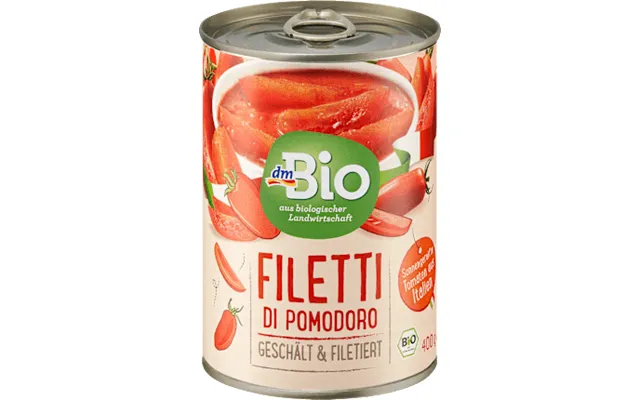
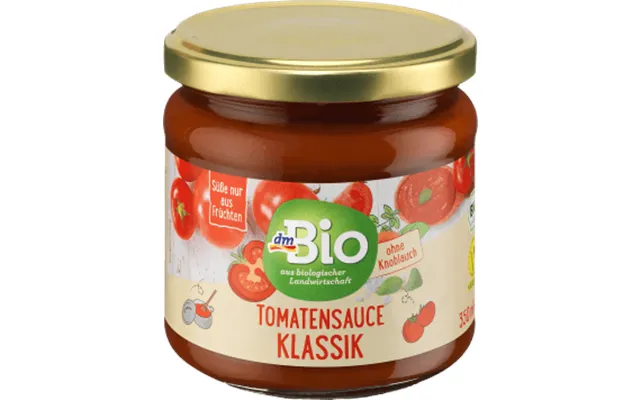
| Dmbio Tomato Sauce - 400 G | £ 2,20 | |
| Dmbio Tomato Sauce - 350 Ml | £ 2,20 | |
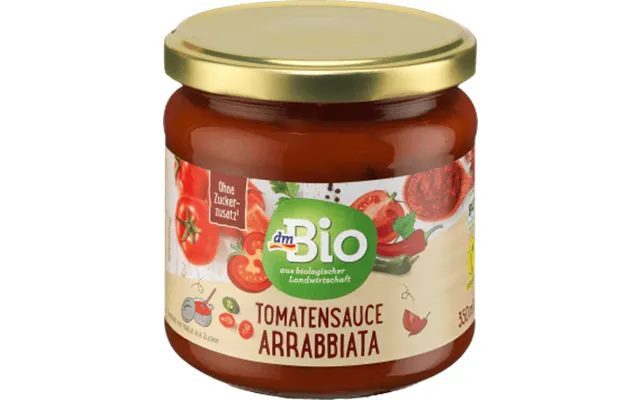
| Dmbio Tomato Sauce With Chilli Eco - 350 Ml | £ 2,50 | |
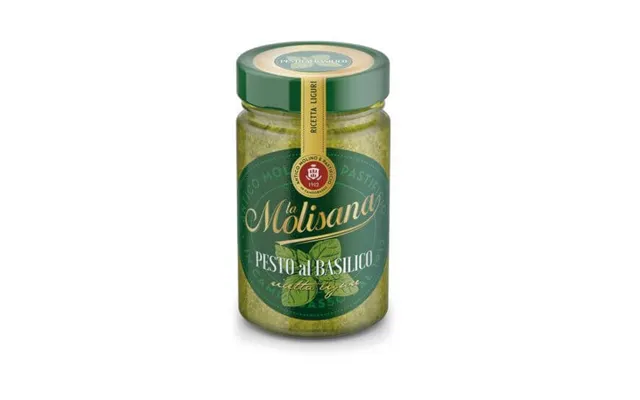
| Pesto Sauce With Basil - 190 G | £ 3,40 | |
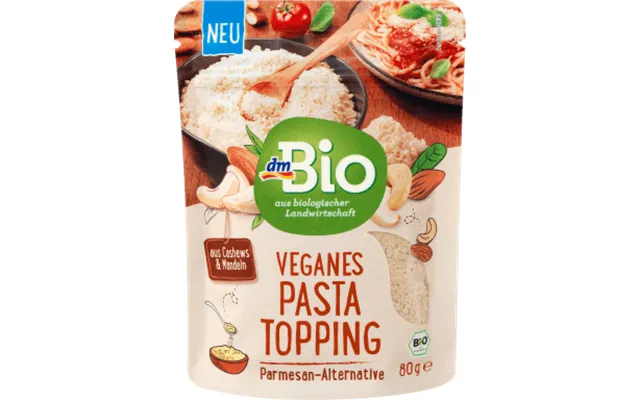
| Dmbio Vegan Pasta Topping - 80 G | £ 3,90 |