
Baking Chocolate price list
Last updated Sunday, Sep 13, 2026





View 16 Offers
Loading...
Last updated Sunday, Sep 13, 2026
Ever wondered why one batch of brownies tastes like bliss while the next is just… okay? The chocolate you choose is often the secret ingredient that flips a good bake into a great one. Texture, flavor intensity, and how the chocolate behaves when melted all change depending on whether you reach for unsweetened blocks, cocoa powder, couverture, or flavored baking cocoa. Think of chocolate like paint for a canvas: some paints blend smooth and creamy while others add sharp, bold strokes. Choosing the right type will save you frustration and help you get consistent, delicious results every time.
If you’re shopping for baking chocolate, a couple of interesting options to keep on your radar are single-serve cocoa packs for precise desserts and larger tins for more frequent bakers. Below I’ll cover two eye-catching choices that combine practical sizes with distinct flavors.
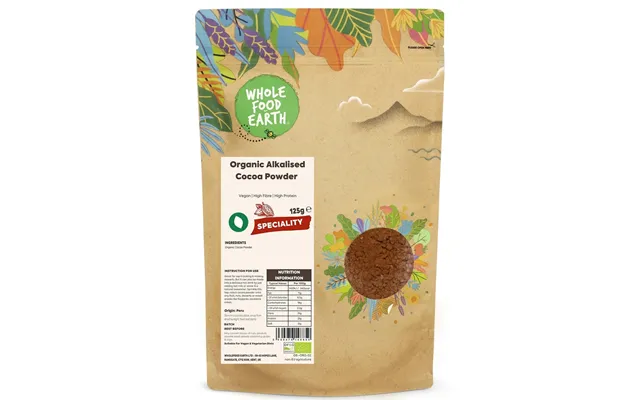
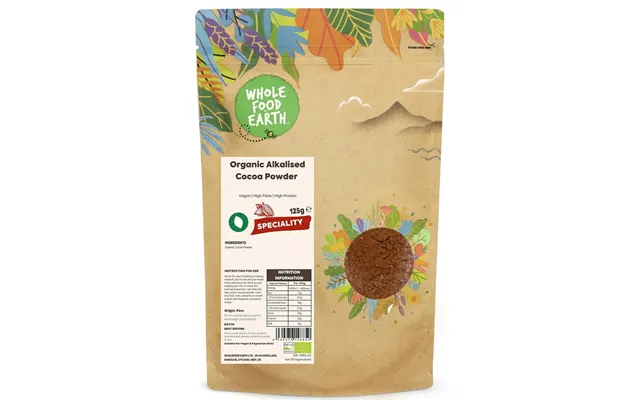
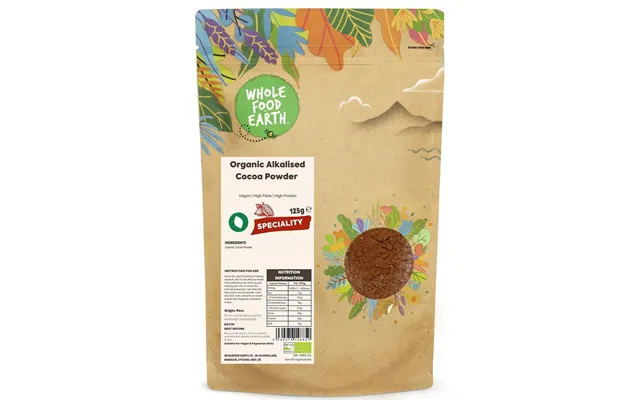
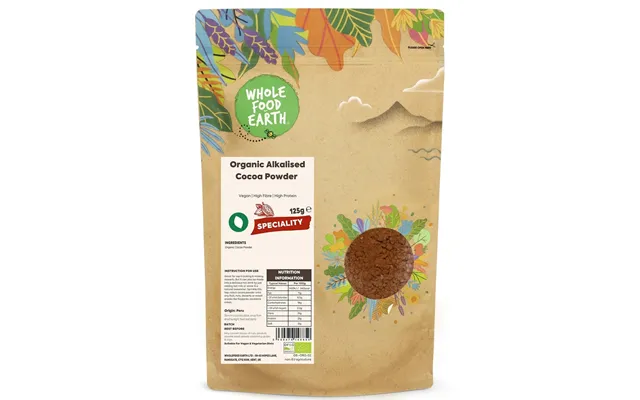
Cocoa Dvaro Kavos in a 100 g pack—roughly 3.5 oz—is perfect for small-batch bakes and experimenting with new recipes. That size makes it easy to test flavor profiles without committing to a large block. It’s great for stirring into a mug cake, enriching frosting, or dusting over tiramisu. If you bake occasionally or want to mix cocoa into drinks and desserts, a 3.5 oz pack keeps freshness high and waste low. Look for whether it’s Dutch-processed or natural; that detail will guide how it behaves in recipes that rely on chemical leavening like baking soda or baking powder.
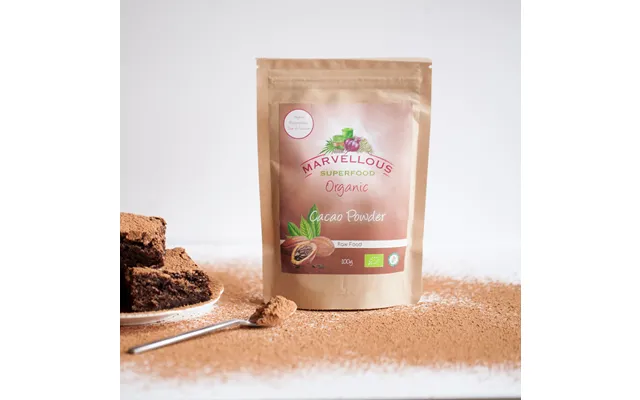
For a twist, the Organic Cocoa Becks Cacao Before Nine With Mint in a 250 g pack—about 8.8 oz—adds a mint note straight from the cocoa tin. That size is friendly for bakers who make desserts for family gatherings or want a longer-lasting pantry supply. Mint-infused cocoa is brilliant in recipes where you want a cool, refreshing backdrop—think mint brownies, chocolate-mint mousse, or peppermint hot chocolate. Organic certification can also be a plus if you care about farming practices and ingredient sourcing.
Beyond flavored and single-serve cocoa, there’s a wide spectrum of baking chocolates. Knowing what each type does will help you pick the right one for your recipe and skill level.
Unsweetened baking chocolate is the backbone of classic baking: pure chocolate with no added sugar. It’s ideal when you want to control sweetness or produce a genuinely dark flavor. It often comes in 1 oz squares or larger 4 oz blocks—useful for measuring by weight in ounces. If a recipe calls for unsweetened chocolate and you only have cocoa powder, you can substitute, but you’ll need to add fat and adjust sugar levels (details below).
Couverture chocolate is high in cocoa butter and melts smoothly, making it perfect for tempering and a glossy finish on molded chocolates. Compound chocolate uses vegetable fats instead of cocoa butter and is easier to melt but has a different mouthfeel—handy for hobbyists who want fuss-free candy coatings. Chocolate chips are formulated to hold shape in baking; they’re convenient, but if your goal is a silky ganache or a shiny glaze, couverture is the better pick.
Choosing chocolate is a bit like picking a wine to match dinner—think about balance, intensity, and what you want the chocolate to do. Here are the main factors to consider when you shop.
The cocoa percentage tells you how much of the bar is pure chocolate solids and cocoa butter. A higher percentage (70% and above) yields deeper, less sweet flavors—great for dark ganache and bold brownies. For softer, sweeter desserts, a 45–60% chocolate gives a smoother, sweeter profile. If a product is labeled “unsweetened,” expect nearly 100% chocolate flavor; you’ll need to add sugar when using it in desserts that require sweetness.
Powdered cocoa is excellent for dry mixes, dusting, and recipes where you want a lighter cocoa lift. Solid bars or blocks are ideal for melting and making ganache, while chips are the baker’s shorthand for quick mixing into cookies and muffins. Always match the form to the technique: you won’t get silky ganache from chips designed to hold shape in an oven.
Melting chocolate can feel like a culinary rite of passage. Heat it too quickly and it seizes; cool it incorrectly and it loses its shine. The good news? With a little care and the right temperatures, you’ll get glossy, smooth chocolate every time.
Use these general ranges when melting chocolate: dark chocolate can be softened up to 115°F, then cooled to about 82°F and briefly reheated to 88–90°F for tempering. Milk chocolate is gentler: heat up to 110°F, cool to 80°F, and reheat to 86–88°F. White chocolate is the most fragile—keep it below 105°F and reheat only to about 82–84°F. Use a thermometer and a gentle double boiler or microwave in short bursts, stirring often.
If melted chocolate turns grainy and thick (seizing), don’t panic. For small amounts, whisk in 1 teaspoon of neutral-tasting oil or melted butter per ounce until it smooths. For larger batches, whisk in a few teaspoons of warm water or cream very slowly—this can restore a glossy texture for sauces and glazes. Remember, once chocolate seizes from overheating or water contact, it’s often ok for baking into brownies but not ideal for smooth coatings.
Out of unsweetened baking chocolate? Need to adapt a recipe mid-bake? Here are reliable swaps and conversion ratios to rescue your dessert.
If a recipe calls for 1 oz of unsweetened chocolate (a common square size), you can substitute roughly 3 tablespoons of unsweetened cocoa powder plus 1 tablespoon of fat, like butter or oil, to replace the missing cocoa butter. Adjust sugar in the recipe to taste, because cocoa powder lacks the sugar present in many baking chocolates. These swaps keep your batter balanced without wrecking texture.
When scaling up, stick to ounces for chocolate weight because it’s more precise than cups. For example, if a ganache calls for 8 oz chocolate and you want to double the recipe, go for 16 oz. For cocoa powder, 1 tablespoon equals about 0.4 oz, but measuring by weight when possible is safest and cuts down on guesswork.
Chocolate is surprisingly sensitive. Store it wrong and it may develop an ugly white film called bloom—harmless, but not appetizing. With a few rules you can keep your chocolate tasting fresh and looking great.
Keep chocolate in a cool, dry place between about 55–70°F, away from strong-smelling foods (it absorbs odors) and from wide temperature swings. An airtight container helps protect against moisture and odors. If you must refrigerate in hot weather, seal it tightly and bring to room temperature in the sealed container before opening to avoid condensation forming on the surface.
Bloom happens when cocoa butter or sugar migrates to the surface, creating a dusty white sheen. It’s not a sign the chocolate is bad—just a cosmetic change. Melted and mixed into a recipe, bloomed chocolate performs normally, so don’t toss it. For decorative uses, tempering fresh chocolate will give a glossy finish instead.
Buying organic or fair-trade chocolate isn’t just about labels—it's about supporting farming practices that care for soil, water, and workers. If you see an organic option like the mint-flavored cocoa mentioned above, it often points to stricter growing standards and fewer synthetic inputs. Certifications to look for include organic, Fairtrade, Rainforest Alliance, and similar third-party seals that indicate higher supply-chain standards.
Read labels and do quick checks: does the product show a recognized certification badge? Is there traceability to a region or cooperative? These details matter if ethics and sustainability influence your buying choices. A higher price can mean better farming practices and sometimes a tastier bean, too.
Once you’ve got great baking chocolate on hand, what should you make first? Here are a few crowd-pleasers that show off different chocolate forms.
For a basic ganache, chop 8 oz of chocolate and heat 1/2 cup (4 fl oz) heavy cream until warm, then pour over the chocolate and let sit for a minute before stirring until smooth. Chill to set for truffles or use slightly warm for a pourable glaze. Adjust the cream ratio for firmer or softer textures.
Swap in mint-infused cocoa like the Becks Cacao Before Nine for part of the cocoa in a brownie recipe to add a cool lift. If using a mint chocolate bar, melt it gently and fold into batter for pockets of minty richness—your guests will notice that fresh, slightly herbal note.
Shopping for baking chocolate is often about timing and comparison. Use price comparison platforms and product-aggregation sites—such as the comparison site ZoneOffer—to scan current offers across retailers and spot discounts. That saves time and helps you decide whether a premium chocolate is worth the splurge or if a budget-friendly compound chocolate will do the job for everyday baking.
Keep your tools dry, use an accurate thermometer, and don’t rush the melt. Small changes and the right chocolate choice make huge taste differences. Treat chocolate with patience and respect—think of it as a temperamental friend that rewards gentle handling with rich flavor and velvety texture.
Conclusion: Whether you’re experimenting with a 3.5 oz packet of Cocoa Dvaro Kavos or a minty 8.8 oz organic cocoa, choosing the right baking chocolate and handling it correctly will transform your bakes. From substitutions and storage to tempering and recipe ideas, a little knowledge goes a long way toward consistently delicious results. Happy baking—now go make something chocolatey and wonderful.