

Cheese Puffs price list
Last updated Sunday, Sep 13, 2026





Loading...
Last updated Sunday, Sep 13, 2026
There’s something about the first crunchy bite of a cheese puff that hooks you: light, airy texture, followed by an instant hit of savory cheese. Whether you’re grabbing an 8 oz bag for movie night or portioning out a cup-sized bowl for a quick pick-me-up, cheese puffs hit that satisfying sweet spot between comfort food and convenience snack. They’re portable, shareable, and come in sizes that fit every occasion — from single-serve pouches to big 1 lb family packs.
It’s a mix of texture, flavor, and a little science. The melt-in-your-mouth puffiness comes from extruded corn or potato, and the cheese powder is often formulated to deliver instant umami. Add a crunchy airiness and a bright, often salty finish, and your brain rewards you with a desire for more. That’s why brands focus so much on seasoning balance and the right level of crunch.
Cheese puffs aren't one-size-fits-all. You’ll find a whole spectrum of textures and flavors, so it’s worth trying a few to know what you prefer. Below are the main categories people reach for in stores and online.
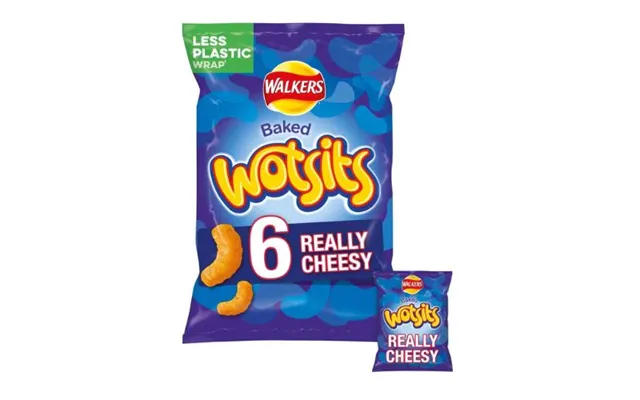
This is the benchmark. Classic cheddar cheese puffs focus on a sharp, creamy cheese flavor that’s both bold and familiar. They’re the easiest to pair with a sandwich or a beer and are often the go-to when trying a new brand.
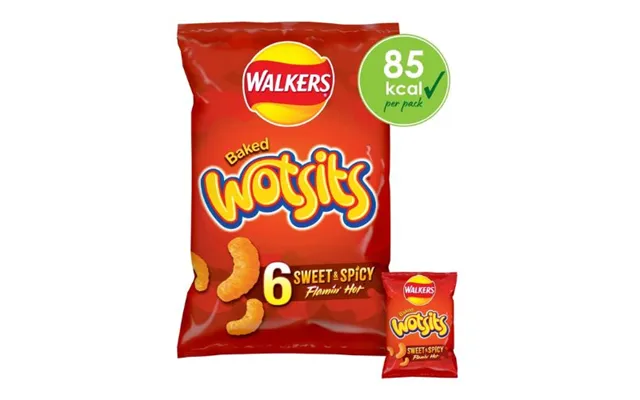
Want a kick? Spicy puffs come dusted with chili, jalapeño, or even hot sauce flavorings. These are great when you’re craving something with more personality — just watch the heat levels if you’re sensitive to spice.
If you’re watching calories, baked cheese puffs promise a lighter crunch by using less oil. They tend to be less greasy and slightly denser, but they still deliver the cheese hit without as many calories per serving.
Shape matters. Cheese curls are long and spiral; cheese balls are spherical and pack differently in your mouth. Texture differences change the eating experience, so don’t ignore form when you’re picking your favorite.
From long-standing international names to local UK options, brands differ in seasoning, crunch, and ingredient lists. Some focus on nostalgic flavor profiles while others chase innovation with limited-edition flavors.
You’ll likely spot US favorites and global brands on supermarket shelves and in online listings, but local UK brands often tailor seasoning profiles to regional tastes. If you like a very sharp cheese flavor, look at larger brand lines; if you prefer subtlety, local or boutique brands might win you over.
Hunting for a good price on cheese puffs is easier than you think. Retailers regularly rotate promotions, and comparison platforms aggregate offers so you can spot the best price per ounce at a glance. For bulk shoppers, a 1 lb multipack usually brings down the cost per ounce compared with single-serve 2.5 oz bags.
Comparison sites show current prices across multiple sellers so you don’t have to jump from site to site. You can compare different package sizes and check the price per ounce — a simple metric that reveals which deal is genuinely the best.
Deals can be deceptive: a “50% off” sticker doesn’t always mean you’re getting the best unit price. The smartest move is to calculate price per ounce and compare like-for-like sizes. Also watch for pack sizes — a reduced price on a tiny 1.5 oz bag might still cost more per ounce than a full 12 oz or 16 oz package.
Always convert prices to price per ounce. For example, if an 8 oz bag costs $2.00, that’s $0.25 per ounce. If a 1 lb (16 oz) family bag is $3.00, that’s about $0.19 per ounce — a clear saving. Keep a mental note of your typical serving size so you can decide if buying bulk actually saves money or leads to waste.
If you love the flavor of cheese puffs but want a lighter or cleaner snack, there are healthier choices that keep the fun without derailing your nutrition goals. These options tweak ingredients or cooking methods while aiming to preserve taste and texture.
Look at the ingredient list for things like artificial colors and excessive flavors or high sodium. More wholesome alternatives will highlight real cheese, fewer additives, and sometimes whole-grain corn. Baked varieties typically show less oil per serving, and some brands use natural colorings instead of synthetic dyes.
Don’t limit cheese puffs to the bag — they’re a surprisingly versatile ingredient. Crush them up for crunchy coatings, fold them into dips, or use them as a fun topping. Here are a few kitchen-friendly ideas that make the most of that cheesy crunch.
Try crushing puffs into a breadcrumb substitute for baked chicken or fish, using about 1 cup of crushed puffs to replace 1 cup of breadcrumbs for a flavorful crust. For party dips, fold in roughly 2 cups of lightly crushed puffs into sour cream and herbs to create a crunchy texture. Want a showstopper? Mix crushed puffs with melted butter and press into a pan to make a savory cheesecake crust — it sounds wild, but it’s a hit at casual gatherings.
One of the biggest disappointments with cheese puffs is soggy air. Keep them crunchy by storing them properly and consuming opened bags within a reasonable time frame.
After opening, transfer puffs into an airtight container or reseal the bag by rolling down the top and using a clip. Keep them in a cool, dry place away from direct sunlight. If you’re portioning out servings for lunchboxes, use small reusable containers or sandwich bags to keep smaller amounts fresh instead of exposing the whole bag each time.
When choosing a brand, the label gives you a lot of clues. If you’re after cleaner ingredients, look for products that list real cheese near the top and avoid those with a long string of chemical-sounding additives. Check serving size and calories per serving if you’re tracking intake — and remember that actual servings can be smaller than you think, so it’s easy to eat more than one serving in one sitting.
Many cheese puffs list a serving size of about 1 oz (roughly a small handful). That serving often contains between 140–160 calories depending on the fat content and whether the product is baked or fried. If you’re sharing, pre-portioning into 1 oz servings can help keep overeating in check.
Cheese puffs pair beautifully with a range of drinks and snacks. Their salty, cheesy profile complements fizzy beverages and is great alongside tangy dips or crunchy veggies.
For adults, a crisp lager or a citrusy pale ale balances the richness of cheese puffs. For non-alcoholic options, sparkling lemonade or iced tea cuts through the saltiness and refreshes the palate. Pair with fresh veggies like carrot sticks and cucumber slices to add a healthy contrast on a snack board.
Hosting a small party? Estimate about 1 to 2 oz per person per hour for casual snacking. For example, for 10 guests at a two-hour gathering, plan on 20–40 oz in total — roughly 1.25 to 2.5 lbs. If cheese puffs are the main snack, go toward the higher end and mix in other items like pretzels, popcorn, or veggie platters.
Cheese puffs are more than just a guilty pleasure — they’re a versatile, affordable, and widely loved snack. Whether you’re hunting for the best deals, wanting healthier options, or trying inventive recipes, there’s a puff for every palate. Compare prices by the ounce, try different forms and flavors, and use simple storage tricks to keep every bite perfectly crunchy. With these tips, you’ll be able to pick smarter, snack happier, and maybe even impress your friends with a cheesy crusted chicken at your next get-together.