
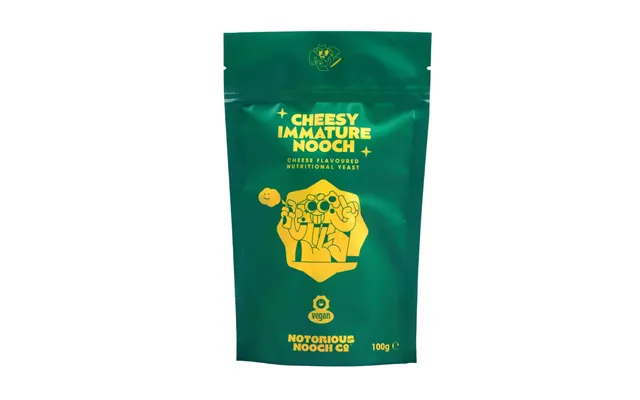
Cheese Alternatives price list
Last updated Sunday, Sep 13, 2026
| Cheese Alternatives | Price |
|---|---|
| Cheesy Immature Nooch - 80g | £4.49 |





Loading...
Last updated Sunday, Sep 13, 2026
| Cheese Alternatives | Price |
|---|---|
| Cheesy Immature Nooch - 80g | £4.49 |
If you've ever hesitated at the cheese counter because of lactose intolerance, ethical concerns, or just curiosity, you’re not alone. Cheese alternatives have exploded in popularity for good reasons: they can be kinder to your body, gentler on the planet, and surprisingly versatile in the kitchen. Think of plant-based cheeses as the Swiss Army knife of the pantry—there’s a tool for every job, from melting on pizza to crumbling over salads. Many people switch for health reasons, but others are drawn by taste improvements and the convenience of shelf-stable options. Whatever your motivation, choosing dairy-free cheeses opens up a new world of flavors and textures while letting you shop smart for deals and quality.
Plant-based cheeses aren’t a one-size-fits-all category; they’re a diverse family. Some mimic the creamy tang of brie, others behave like cheddar when melted, and a few are crafted to imitate crumbly feta. Understanding the main types helps you match a product to the meal you plan to prepare. From tofu-based spreads that are mild and sliceable to nut-based artisanal wedges that are tangy and complex, each style has its place. Below are the most common types you’ll spot in supermarkets and online marketplaces.
Tofu-based cheeses are usually affordable and widely available, often made from firm tofu blended with seasonings, lemon juice, and sometimes vinegar to mimic tang. They work great as sandwich slices, spreads, or marinated cubes for salads. If a recipe calls for a soft, crumbly texture—like a baked pasta topping or quick ricotta substitute—firm or extra-firm tofu, pressed and seasoned, can be the quickest, most budget-friendly fix. Think of tofu cheese as the blank canvas of plant-based dairy: it takes on flavor well.
Nut cheeses—especially cashew-based—are the go-to for creamy, rich textures that resemble dairy-style soft cheeses. Cashews, when soaked and blended, create a smooth, almost butter-like base that can be cultured with probiotic powders or left plain for a mild flavor. Almond-based options are often firmer and slightly grainy, which makes them wonderful for slices and grated-topping styles. Nut cheeses are great for people who want gourmet-style products with a silky mouthfeel and a nutty backbone.
For melting performance—think sauces, mac and cheese, or grilled sandwiches—coconut oil and refined vegetable oils are common in processed vegan cheeses. These melt and stretch in ways that many plant proteins cannot, giving you that familiar gooey satisfaction. They’re often combined with starches like tapioca to deliver elasticity. If you’re after a pizza or nacho topping, these oil-based alternatives generally perform best.
Soy-based cheeses and other processed vegan blocks are designed to behave like classic dairy cheeses—sliceable, grateable, and meltable. They often contain soy protein, emulsifiers, and stabilizers that keep texture consistent across batches. While some people avoid processed ingredients, others appreciate the convenience and predictability of these products for weeknight cooking. They’re commonly found in supermarkets and come in varieties such as cheddar-style, mozzarella-style, and mature “cheddar” flavors.
Fermentation is the craft route to deep, complex flavors. Cultured vegan cheeses often use live cultures or probiotics to develop tang, sharpness, and an almost nutty aged character. These artisan-style cheeses can be aged in a cool environment, resulting in sophisticated flavors similar to camembert, cheddar, or blue-style cheeses. If you enjoy the nuance of traditional cheese tasting, look for cultured options that list live cultures on the label.
Labels tell the story. If you’re scanning shelves or comparing products online, pay attention to the ingredient list. Short, recognizable ingredient lists often point to simpler, less-processed products. Meanwhile, some additives are functional—helping with melt, texture, or shelf life. Knowing what each ingredient does helps you choose a product that fits your priorities, whether that’s clean eating, meltability, or long shelf life for meal prep.
Nutritional yeast is a pantry MVP for plant-based cooks. It adds a cheesy, savory umami note without dairy and is often used in homemade sauces and commercial vegan cheeses. Beyond flavor, it’s a source of B vitamins and can enhance the “cheesy” aroma and color of a sauce or spread. If an alternative lists nutritional yeast high up, expect a pronounced savory depth rather than a neutral base.
These thickeners and gelling agents are common in commercial vegan cheeses. Agar and carrageenan (from seaweed) provide firmness and sliceability, while tapioca starch gives stretchiness and a glossy melt. Some shoppers avoid carrageenan due to digestive concerns, so read labels if you’re sensitive. Tapioca makes excellent stretchy goo for grilled sandwiches and vegan mozzarella, while agar is better for firmer blocks and slices.
Match your cheese alternative to the job. For melting: choose oil- or starch-based blends with tapioca or coconut oil. For spreading: look at soft cashew or tofu-based spreads. For grating: find firm nut-based wedges or aged-style blocks. And if you’re baking or grilling, test a product at home before serving it to guests—brands vary widely and what melts beautifully in one recipe might separate or stay rubbery in another. A quick trial on a slice of bread under a broiler can teach you more than reading dozens of reviews.
Plant-based cheeses can step into nearly any role dairy cheese plays. Melting alternatives can transform mac and cheese into a creamy dream, while soft cheeses make luscious bagel spreads. Slicing cheeses suit cold sandwiches and cheeseboards, and crumbling varieties mimic feta in Greek salads. Want to impress? Create a vegan charcuterie board with slices, spreads, dried fruit, and nuts—pairing textures and flavors like a pro. The trick is to plan by function first and flavor second.
Making your own cheese alternatives is empowering and often cheaper than boutique brands. Simple recipes let you control salt, fats, and spices while tailoring textures. Two quick, versatile recipes are a cashew spread and a tofu feta. Both require minimal equipment—just a blender or food processor—and use ingredients you might already have. Homemade options are also great for experimenting with local herbs or smoked salts to create signature flavors.
Soak 1 cup of raw cashews in hot water for about 1 hour, then drain. Blend the cashews with 1/4 cup of water, 2 tablespoons of nutritional yeast, 2 tablespoons of lemon juice, 1/2 teaspoon of salt, and 1/2 teaspoon of garlic powder until smooth. If you want a firmer cheese, add 1 tablespoon of agar powder dissolved in 1/4 cup of warm water and gently heat until thickened, then refrigerate to set. This cashew spread works as a dip, sandwich spread, or base for flavored wheels.
Press one 14-ounce block of firm tofu to remove excess water, then cut into cubes. Marinate with 1/4 cup of olive oil, 3 tablespoons of lemon juice, 1 teaspoon of salt, 1 teaspoon of dried oregano, and 1/2 teaspoon of black pepper for at least 4 hours in the fridge. Use this tofu feta crumbled over salads, roasted vegetables, or in wraps—it's tangy, salty, and a fast dairy-free stand-in for traditional feta.
Shopping smart means comparing prices and watching for promotions. Supermarkets, health food stores, and online retailers all compete on price, so use comparison tools and alerts to spot discounts. Buying in bulk—especially for pantry staples like nutritional yeast, tapioca starch, and cashews—often saves money. If you like store-brand alternatives, compare ingredient lists and serving sizes to ensure you’re getting quality and value. Also watch for seasonal offers: supermarkets and online retailers sometimes run promotions around holidays when demand for party cheeses spikes.
Plant-based doesn’t automatically mean healthier. Some vegan cheeses are high in saturated fat (from coconut oil) and sodium, while others offer protein and fewer processed ingredients. If you have nut allergies, avoid cashew and almond cheeses and check for cross-contamination. Those with soy sensitivities should steer clear of soy-based blocks. Look at the nutrition label for calories per serving (often measured per ounce) and compare protein, fat, and sodium. If you need calcium or vitamin B12, check whether the product is fortified—many modern alternatives are.
One of the biggest attractions of cheese alternatives is their lower environmental footprint. Producing plant-based cheese typically uses less water and land than dairy production and generates fewer greenhouse gases. For consumers concerned about animal welfare, these alternatives remove the ethical dilemma entirely. Buying from transparent brands that disclose sourcing and packaging choices can further reduce your environmental impact. Think of choosing plant cheeses as a small daily action that adds up—like swapping a car trip for a bike ride over time.
There’s a lot of chatter online, and not all of it is helpful. Myth: vegan cheese can’t taste like real cheese. Reality: brands and homemade recipes have improved dramatically; many people now prefer certain plant-based options over dairy. Myth: vegan cheese melts poorly. Reality: modern formulations with tapioca or starches melt very well. Myth: all vegan cheeses are heavily processed. Reality: there are both minimally processed artisanal options and highly processed supermarket blocks—read the labels. Busting these myths helps you approach alternatives with realistic expectations and an open palate.
Start small and experiment. Try one type at a time—maybe a spread this week and a melting block next. Use taste tests to find brands and products you enjoy, and don’t be afraid to tweak recipes with extra lemon, salt, or smoke to achieve familiar flavors. When comparing prices, check weight per ounce and serving sizes to evaluate true value. Keep a pantry of basics—nuts, nutritional yeast, tapioca, and agar—and you can DIY many staples. Above all, enjoy the process: switching to cheese alternatives can be a tasty adventure, not a sacrifice.
Conclusion: Cheese alternatives have come a long way, offering a wide range of flavors and textures that cater to different needs—melting, spreading, crumbling, and slicing. Whether you buy ready-made blocks, shop for bargains online and in stores, or craft your own cashew spread or tofu feta at home, there’s an option to fit your taste, budget, and ethical priorities. With a few experiments and smart shopping strategies, you’ll find plant-based cheeses that make weeknight meals easier and celebrations just as special.