

Biometric Monitor Accessories - Other price list
Last updated Monday, 19 Oct 2026


View 11 Offers
Loading...
Last updated Monday, 19 Oct 2026
Let’s be honest: the devices we rely on to track our health are only as good as the accessories that support them. The right cuff, strap, cable, case, or adhesive can make the difference between accurate, dependable readings and frustrating, inconsistent results. If you’re browsing popular offers on biometric monitor accessories—especially in the “other” category—you’re in the perfect spot to discover clever add-ons that boost comfort, reliability, and value.
From blood pressure cuffs and ECG electrodes to glucose monitor patches and smartwatch chargers, accessories keep your health tech working smoothly day after day. Think of them like the tires on a car—unseen when everything runs well, but absolutely essential for performance and safety. Ready to upgrade? Let’s break down what to look for and how to snap up the best deals without overpaying.
“Other” might sound vague, but it’s where you’ll often find the most useful, budget-friendly upgrades. These accessories support monitors for blood pressure, blood oxygen, heart rhythm, glucose, fitness activity, sleep tracking, and more. In practical terms, that can include replacement cuffs, charging docks, carry cases, electrodes, gels, armbands, adhesive patches, sensor covers, screen protectors, cables, and batteries. If it helps your device last longer, read better, or feel more comfortable, it belongs here.
Because this space evolves quickly, you’ll also spot new accessories designed to solve everyday pain points—like sweat-resistant patches for continuous glucose monitors, cushioned sleeves for pulse oximeters, or tangle-free cables for smartwatch chargers. Small upgrades, big wins.
The right cuff size is mission-critical. A cuff that’s too small can read high; too large can read low. Look for cuffs sized by arm circumference in inches—common spans include around 7 to 9 inches (small), 9 to 13 inches (standard), and 13 to 17 inches (large), with extra-large options available. Adjustable Velcro closures and soft, latex-free materials help with comfort, especially for extended wear.
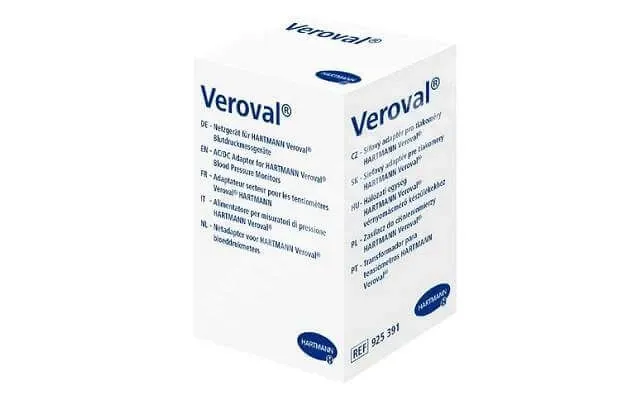
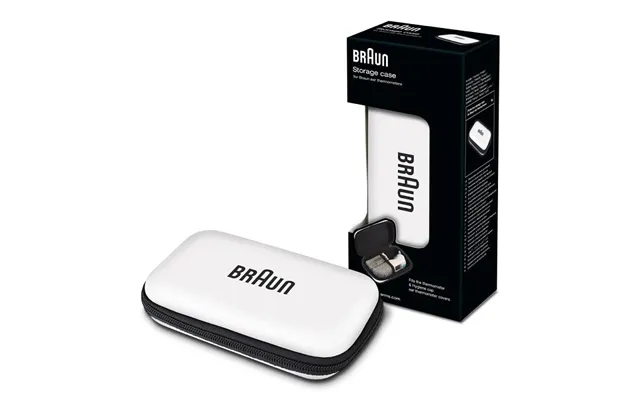
Other helpful extras include sturdy storage cases, AC adapters if you prefer wall power over batteries, desk-friendly stands, and replacement air tubes. If you use your monitor often, a protective case keeps it clean and ready, especially if you travel or store it between checks.
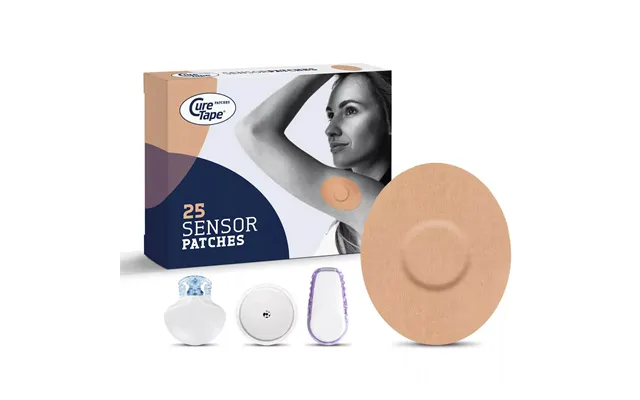
For blood glucose meters and continuous glucose monitors (CGMs), the unsung heroes are lancets, test strips, control solutions, and alcohol swabs. Pair these with compact travel cases that hold your meter, strips, and lancing device neatly. For CGMs, breathable adhesive patches and sensor covers help sensors stay secure during workouts or hot days, and gentle adhesive removers can reduce skin irritation when swapping sensors.
Don’t overlook cable management and power. Charging cables, clip-on organizers, and spare batteries can save you from midweek headaches. If you’re active, sweat-proof overpatches make a massive difference in sensor stability without feeling bulky.
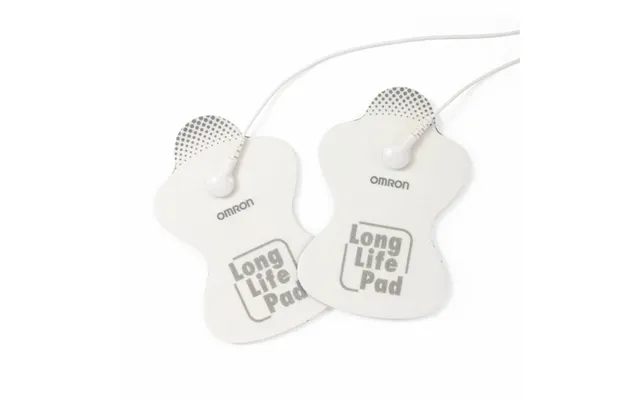
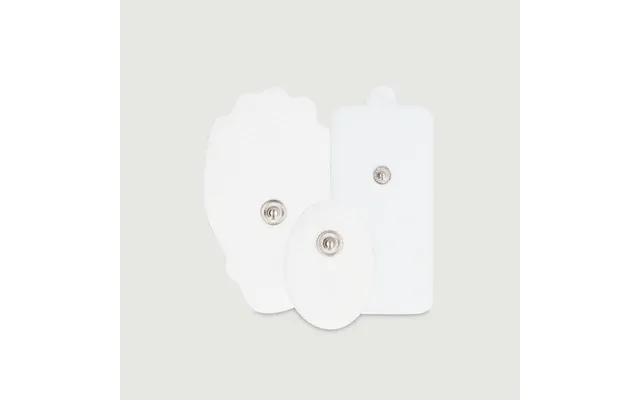
Home ECG devices and chest straps benefit from quality electrodes, conductive gel or lotion, and replacement cables. Fresh electrodes can deliver clearer signals, especially if your skin is dry. If you prefer strap-based monitors, look for soft, elastic straps with a wide adjustment range in inches and low-profile snap connectors for easy cleaning.
Compatibility matters here: ensure your electrodes and straps match the connector style your device uses. If you’re into interval training, a snug, comfortable strap can be the difference between perfectly captured heart rate trends and noisy, jumpy data.
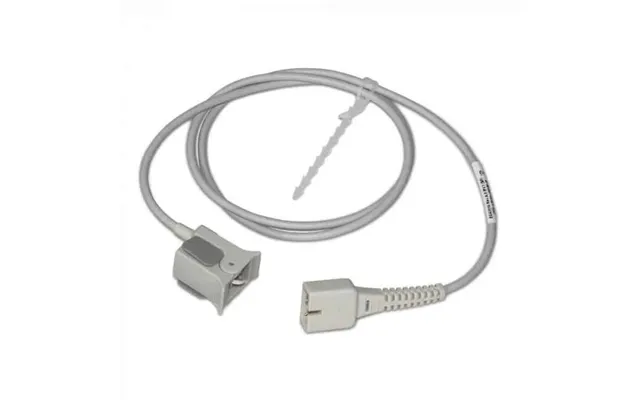
Finger pulse oximeters work better and last longer with the right extras: silicone sleeves to cushion the finger clip, lanyards for quick access, and zippered cases to prevent scratches. If you’re using a wearable oximeter, consider replacement sensors and gentle skin-safe tapes to secure them during sleep or exercise.
A good protective case means you can toss your oximeter into a bag without worry. If you share the device at home, disposable finger covers may help keep things hygienic between uses.
Swapping bands can transform comfort and style. Look for breathable nylon loops, soft silicone bands, or leather options with precise sizing in inches. If you work out a lot, moisture-wicking bands are worth every penny. And if your tracker slips on runs, an armband or ankle strap can deliver more stable readings.
Screen protectors keep your display scratch-free. Charging docks and magnetic cables tidy your nightstand, and travel pucks paired with short cables—say, around 1 to 2 feet—cut clutter when you’re on the move. If you’re outdoorsy, a rugged case or bumper can take the knocks so your device doesn’t have to.
Smart scales seem simple, but accessories can elevate the experience. Non-slip mats help on slick floors. Fresh batteries or a compatible AC adapter spare you from “dead scale” surprises. If you move your scale often, a padded case prevents scuffs and keeps the glass pristine.
For multi-user households, consider labels or a simple organizer for quick access to instructions, spare batteries, and cleaning wipes. Little touches like this keep daily health tracking hassle-free.
Before buying any accessory, check the compatibility list. Is the cuff designed for your monitor model? Does the charging dock match your smartwatch series? Does the ECG strap use the same snap connector? Small mismatches often lead to poor readings or devices that simply won’t power.
For wireless gear, know your ecosystem. Some chest straps and watches connect via Bluetooth, others via ANT+, and some support both. If you train with gym equipment that uses ANT+, you’ll want accessories that speak the same language. When in doubt, double-check model numbers and connector types (like USB‑A or proprietary magnetic chargers) to avoid nasty surprises.
Comfort and skin safety aren’t negotiable—especially for wearables that touch your skin daily. Look for latex-free cuffs, hypoallergenic adhesives, and breathable fabrics. Soft nylon and silicone are your friends for straps and bands, especially if you sweat or wear the gear for hours.
For patches and tapes, skin-friendly adhesives limit irritation. If you’ve had reactions in the past, try barrier wipes designed for sensitive skin before applying adhesives. Think of it like priming a wall before painting—prep well, and everything sticks better with fewer issues.
A slightly higher upfront cost can pay off. Thick, reinforced cables resist fraying; double-stitched cases survive daily use; and metal buckles outlast plastic ones. The best accessory is the one you don’t have to replace every few months, right?
Size is more than comfort—it’s accuracy. For blood pressure cuffs, measure your upper arm with a flexible tape, mid-bicep. Choose a cuff whose range (in inches) comfortably overlaps your measurement. If you’re between sizes, follow the manufacturer’s recommendation, but avoid cuffs so large they wrap around more than once.
For chest straps, measure just under the pectoral muscles and choose a strap whose adjustment range in inches covers your number. For wearable bands, check both wrist circumference and strap length in inches to ensure a snug yet breathable fit. A good rule of thumb: snug enough to stop slipping, loose enough to slide a finger under the band.
With sensor patches, match the patch shape to your sensor and leave a clean border around it. Trim only if the manufacturer confirms it won’t compromise adhesion. Apply to clean, dry skin and allow the adhesive to warm slightly against your skin for a secure hold.
If your device supports rechargeable power, consider a spare charging cable or dock—one for home, one for the office, and a travel backup. Cable length matters: short cables around 1 to 2 feet reduce clutter on desks, while longer options around 6 feet provide flexibility near a sofa or bed. For travel, compact folding plugs and slim cases keep everything tidy.
For devices using AA or AAA batteries, keep a labeled stash and a small screwdriver if your battery door requires one. If you prefer rechargeables, add a charger with clear status lights. And for folks juggling multiple devices, a multi-port charging hub can simplify life and free up wall sockets.
Match the connector on both ends: USB‑A on the wall adapter, magnetic puck or proprietary clip on the device side. Choose cables with strain relief near the ends, braided sleeves for extra toughness, and velcro ties for neat storage. It’s the tech equivalent of a well-organized toolbox.
Clean surfaces lead to cleaner data. For cuffs, straps, and bands, a gentle wipe with a soft cloth and a mild cleaner is usually enough. Avoid soaking electronics and always follow the device maker’s cleaning guidelines. Sweat and skin oils build up—regular care prevents slips, skin irritation, and inaccurate readings.
Electrodes and patches do have a lifespan. Replace them as directed or whenever adhesion weakens. For shared devices like oximeters, consider disposable covers between uses and store the device in a case to keep dust at bay.
Whether you’re commuting or hopping on a plane, travel cases are worth it. Look for semi-hard shells with foam or elastic compartments that keep devices from rattling around. A case that’s roughly the size of a paperback book slips into backpacks easily and protects your investment.
For cables and small parts, a slim pouch with mesh pockets prevents tangles and makes it obvious if something’s missing before you head out. Labeling each pouch—BP monitor, ECG strap, glucose kit—saves time and avoids confusion.
In the blood pressure space, Omron is a staple, and you’ll find a wide array of compatible cuffs, cases, and adapters. For heart-rate straps, Garmin and Polar lead the pack with reliable, comfortable bands and replacement straps. Fitness wearables from Apple, Fitbit, and Samsung have a robust ecosystem of bands, chargers, docks, and protectors spanning sporty to dressy looks.
For glucose monitoring, accessories that work with Dexcom and FreeStyle Libre sensors—like breathable overpatches and adhesive removers—make sensor wear simpler and more comfortable. If you’re into ECG checks, look for high-quality electrodes compatible with popular home ECG readers and fitness systems. As always, verify compatibility before you click “buy.”
Accessories can look similar—but not all deliver the same durability or accuracy. Compare like-for-like items: same size range in inches, same connector type, same compatibility list, and similar build quality. Watch out for too-good-to-be-true prices on no-name consumables like electrodes or strips; quality matters more than a tiny saving.
Use a trusted comparison site, such as ZoneOffer, to line up prices across multiple retailers and find limited-time offers without the time sink. Because ZoneOffer compares deals across sellers rather than operating as a store, you get a cleaner view of value without bias toward one shop.
Getting odd readings? Start with fit. For cuffs, ensure the artery marker lines up and the cuff sits roughly an inch above the elbow bend. For chest straps, adjust tension so the strap doesn’t slide during movement. Dry skin can interfere with ECG signals—lightly moistening the skin or using conductive gel can help.
Sensors falling off early? Clean the area, remove lotions, and try a different adhesive patch designed for sweat and motion. Charging failures? Inspect the cable ends for debris, try a different wall adapter, and check that magnetic contacts are aligned. If a smart band loses connection, reset Bluetooth and confirm firmware updates in the companion app.
Store blades, lancets, and small batteries safely, out of reach of children. Replace damaged cables immediately to avoid shorts or shocks. If skin irritation occurs, remove the accessory and switch to hypoallergenic materials or barrier wipes before reapplying.
For sustainability, choose durable accessories you won’t have to replace often. Recycle batteries through appropriate collection points and dispose of sharps in puncture-resistant containers. A little planning reduces waste and keeps your home safer.
If your readings are consistent and comfort is solid, simple upgrades—like a better-fitting cuff or a calmer strap—can extend the life of your main device. But if a device is no longer supported, struggles to hold a charge, or falls out of sync with your apps, consider a new model and select fresh accessories to match.
Remember: an accessory should solve a problem. If it doesn’t make your readings more reliable, your routine easier, or your body happier, keep looking. The right fit is out there, and you don’t need to overpay to find it.
Measure first, buy second. Confirm sizes in inches, check compatibility by model number, choose skin-friendly materials, and pick cable lengths suited to your space. Add a protective case if you travel or store your gear often, and consider a spare charger for peace of mind. Lastly, compare prices across multiple sellers so you know you’re getting a real deal, not just clever packaging.
Biometric monitor accessories may not grab headlines, but they quietly shape your daily health routine. The right cuff improves accuracy, the right band boosts comfort, and the right charger keeps everything ready when you need it. Whether you’re fine-tuning a blood pressure setup, securing a CGM sensor, or upgrading a smartwatch, thoughtful accessory choices pay off in better data and fewer hassles. Take a minute to measure, match, and compare—then grab the accessories that fit your life, your devices, and your budget.