

Allergy Test Kits price list
Last updated Monday, 19 Oct 2026





View 10 Offers

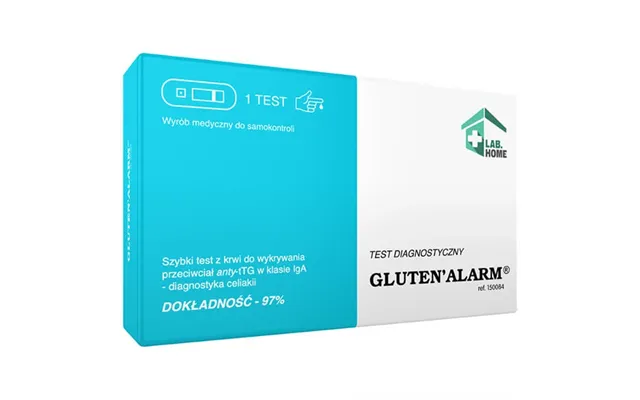
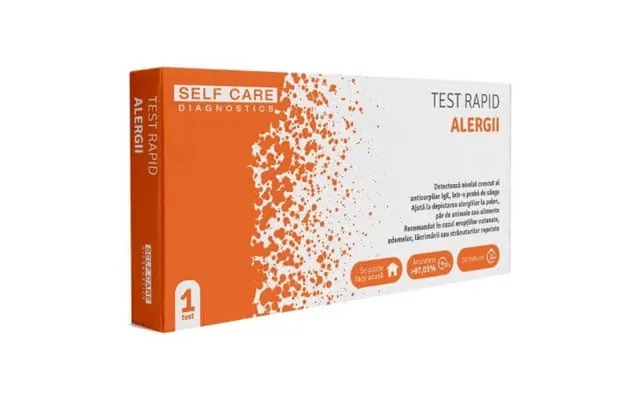
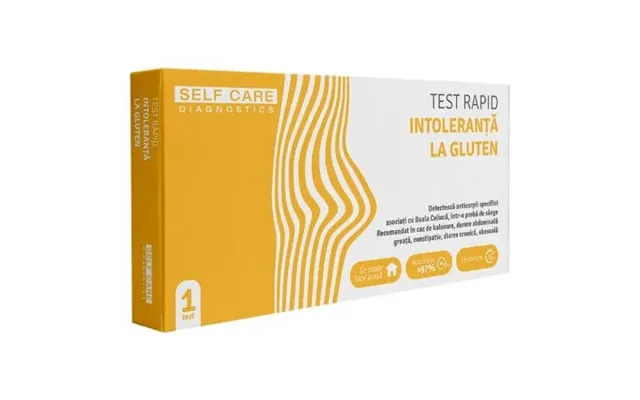


Loading...
Last updated Monday, 19 Oct 2026
Allergy test kits give you a simple way to screen for potential triggers like foods, pollen, and pet dander without leaving the house. If you’ve ever wondered whether your stuffy nose is hay fever or if that post-meal bloating might be linked to a specific ingredient, an at-home kit helps you start connecting the dots. You collect a small sample—usually a few drops of blood from a quick finger-prick—pop it in the post, and get results online. It’s fast, discreet, and genuinely convenient, which is why the UK has seen a surge in demand for these tests.
Of course, convenience only matters if the results are reliable. That’s why the best kits focus on recognized markers linked to allergic responses and use accredited UK labs. Done right, a home kit can be a powerful first step in managing symptoms, informing conversations with your GP, and shaping a smarter plan for living better with allergies. Think of it as a map: it won’t drive the car for you, but it shows you where the bumps are so you can plan a smoother route.
Most at-home allergy test kits follow a similar pattern. You place an order, receive a compact kit with clear instructions, collect a sample, and mail it back in a pre-addressed envelope. Behind the scenes, a lab analyzes specific markers that can indicate sensitization to common allergens. Results arrive via a secure portal with visual charts, severity scales, and guidance to help you interpret what the numbers really mean. Easy? Yep. Accurate? With the right kit and careful sampling, yes.
Finger-prick blood testing is the backbone of many allergy kits. You use a sterile lancet to produce a few drops of blood, spot them onto a collection card, and let it dry. In the lab, your sample is tested for markers associated with allergic responses, especially those tied to immediate-type reactions. The best part is the breadth: panels can screen dozens of common foods and environmental triggers at once, which is ideal if you’re not sure where to start. If you’re squeamish, don’t worry—the process is brief, and modern lancets make it quick and low-fuss.
It’s also worth noting that some kits include markers sometimes discussed in “food sensitivity” contexts. While these can spark useful elimination trials for certain people, they don’t equal a clinical diagnosis of a true allergy. Translation: blood tests can guide your next steps, but they’re not a final verdict without clinical context. That’s why working with a GP or allergist to interpret results is such a smart move.
Saliva and hair tests often get attention for being extra simple—no finger-prick required. They may be used to explore intolerances or non-allergic reactions. That said, for investigating true, immediate-type allergies, blood testing is typically the more established route for at-home kits. Hair tests in particular can be controversial for allergy diagnosis because they don’t directly measure the same pathways involved in allergic responses. If your priority is actionable insight into classic allergy symptoms (think hives, wheezing, or rapid-onset reactions after exposure), blood-based kits tend to be the safer bet.
Great kits don’t just deliver numbers; they translate results into plain language. Expect color-coded charts, relative scales (from low to high), and suggestions for next steps. Some kits also include optional clinician calls for a guided walkthrough. Imagine having a friendly co-pilot explain each data point—suddenly those charts stop feeling like a maze and start feeling like a plan.
At-home allergy test kits in the UK commonly cover two big buckets: food and environmental allergens. On the food side, you’ll often see dairy, egg, peanut, tree nuts, wheat, soy, shellfish, and more. On the environmental side, look for grass and tree pollen, dust mites, molds, and pet dander (cats and dogs are the usual suspects). Some panels even touch insect-related triggers—handy if you’ve noticed flare-ups around bites or stings. The best choice depends on your symptoms: digestive complaints may point to a food-first panel, while sneezing fits and watery eyes often call for an environmental screen.
Let’s draw a line in the sand: a true allergy typically involves a rapid immune response that can be serious and sometimes dangerous. Sensitivities or intolerances, on the other hand, tend to produce delayed or milder symptoms—think bloating, headaches, or fatigue. Some at-home tests include markers often discussed alongside sensitivities. These can be useful for planning elimination diets, but they shouldn’t be used to diagnose a medical allergy. If any result suggests a high risk for a serious reaction, that’s your cue to involve a clinician and discuss next steps.
So, what’s the practical takeaway? Use these kits as a compass. They can spotlight suspects and help you prioritize changes, but your GP or allergist provides the clinical confirmation and safety guardrails that make your plan truly robust.
Environmental allergens fall into two camps: seasonal and perennial. Seasonal allergens include grass and tree pollens that rise and fall throughout the year. Perennial allergens hang around indoors—dust mites, pet dander, and mold spores. If you’re sneezing in springtime but fine in winter, a pollen panel makes sense. If you’re sniffly year-round, testing for indoor triggers could be the golden ticket to fresher air at home.
Not all kits are created equal. Think beyond the price tag and focus on lab quality, panel breadth, clarity of results, and optional clinical support. A slightly higher upfront cost can pay for itself in clearer answers and better guidance.
When accuracy matters, look for kits that use reputable UK laboratories. Accreditation from recognized bodies (for example, UKAS or labs operating under strict quality standards) signals robust processes and reliable methods. In simple terms, it’s a stamp that says “we take your sample seriously.”
Most people prefer finger-prick tests for their balance of comfort and accuracy. Check the expected turnaround time too—many UK kits aim to get results to you within a couple of weeks, often faster. If speed is a priority, seek kits that explicitly promise quick processing and digital result access so you’re not stuck waiting.
Look for a dashboard that’s clean, color-coded, and easy to interpret. If a kit offers a follow-up call with a healthcare professional, even better. That extra human touch can transform a confusing report into a clear action plan you can actually use.
Your health data is sensitive. Choose providers that explain how they handle your information, use secure portals, and retain data only as long as needed. Transparency is a trust signal; if a provider is cagey about data practices, that’s a red flag.
Because different people have different needs, allergy test kits often fall into broad categories: budget-friendly starter panels, comprehensive bundles, child-friendly collections, and retesting options for ongoing tracking. Here’s how to decide what fits your situation.
Starter panels keep costs down by focusing on the most common triggers. They’re great if you’re new to testing or only have a few suspects in mind. You’ll get a leaner selection of allergens but still enough insight to spot obvious patterns—like that telltale link between Sunday omelets and Monday headaches.
If you’re dealing with a mixed bag of symptoms—say, tummy troubles plus springtime sneezes—comprehensive bundles cast a wide net. They screen for dozens of items across food and environmental categories in one go. Yes, they cost more, but they can save you time and repeat postage compared to piecemeal testing.
Some kits cater to younger users with softer lancets, smaller collection tools, and gentle instructions. If you’re testing a child, seek providers that explain pediatric suitability in plain terms and offer clear guidance for the grown-ups supervising the process.
Allergies and sensitivities can shift over time. If you’re trialing a new diet or remodeling to reduce indoor allergens, periodic retesting helps you track progress. Keep an eye on cost-per-test when retesting; sometimes bundles or loyalty options bring the price down.
When your report lands, the temptation is to purge your pantry or rehome the cat. Take a breath. Results highlight sensitization and potential triggers, but they’re just one piece of your health puzzle. The smartest approach is a calm, step-by-step plan grounded in both data and common sense.
Bring your report to your GP or a qualified allergist for context. They can help distinguish between clinical allergies and non-allergic reactions, recommend confirmatory tests when needed, and guide safe next steps. That’s particularly important if your results hint at higher-risk allergens like nuts or shellfish.
For suspected food triggers, a structured elimination plan is a helpful tactic. You remove a potential trigger for a short window, track symptoms, then reintroduce cautiously while monitoring how you feel. Keep a diary and change only one thing at a time so you know what made the difference. If there’s any concern about severe reactions, don’t go it alone—get medical guidance first.
Some symptoms call for urgent attention: trouble breathing, swelling of the lips or throat, wheezing, or severe dizziness. If an exposure triggers these, seek emergency care immediately. Testing can inform prevention, but swift action is what protects you in the moment.
At-home kits are powerful, but they’re part of a larger toolbox. Depending on your symptoms and risk profile, it can make sense to combine home testing with clinical assessments and practical lifestyle tweaks.
Skin-prick tests can quickly confirm immediate reactions under professional supervision, while patch tests help uncover delayed skin responses. If your at-home results flag something significant, clinic testing is often the best next step to confirm and refine your plan.
Think of tracking as your personal detective. Log what you eat, where you go, the weather or pollen count, and how you feel. Over time, patterns pop. When you pair these observations with test results, you get a clear, actionable blueprint for change.
If indoor allergens are the issue, small tweaks can make a big difference. Look for air purifiers sized for your room’s square footage, vacuum with a HEPA filter, and consider dust-mite covers for pillows and mattresses. If mold is a suspect, address damp areas and improve ventilation—your nose will thank you.
Good results start with good sampling. A few thoughtful steps can make the difference between a crystal-clear report and a head-scratching re-do.
Read the instructions once, then read them again—seriously. Make sure your hands are clean, your workspace is tidy, and you have everything within reach. Warm hands help blood flow, so run warm water over your fingers for a minute to make the finger-prick easier.
Relax your hand and let gravity help. Wipe the first drop away, then collect neat drops onto the card within the marked circles. Don’t press the card to your finger—let the blood drop fall naturally. It’s a small detail, but it helps avoid smearing and makes lab processing smoother.
Track your postage if the kit provides a label with tracking. Many providers send an email when your sample arrives at the lab, then another when results are ready. Make a note to check your portal so you can start planning your next steps right away.
Prices, panels, and perks can vary a lot, which is where comparison platforms come in handy. They gather offers from multiple providers so you can weigh what matters most: panel size, lab credentials, turnaround times, and support features. Platforms like ZoneOffer are designed to help you compare deals quickly and confidently—remember, it’s about the right kit for your needs, not just the lowest number on the page.
A low price is great, but not if it gives you a tiny panel that misses your main suspects. Likewise, a huge panel isn’t useful if the results are confusing. Aim for a sweet spot: enough coverage to be meaningful, explained clearly, with optional expert guidance if you want it.
Some kits include everything in the box; others charge extra for clinician calls or expanded reports. If you plan to retest down the line, check the repeat pricing too. A little fine-print scouting now prevents surprise costs later.
Keep an eye out for bundle pricing on food plus environmental panels and seasonal promotions. If you’ve got multiple family members to test, multi-kit discounts can bring the overall cost down without sacrificing quality.
There’s a lot of chatter out there. Let’s sort fact from fiction so you can shop and test with confidence.
Nope. Methods, lab quality, and panel composition vary. Two kits might look identical at a glance, but one could use more robust methods or include better clinician support. The details matter—especially for results you’ll base health decisions on.
Not necessarily. Sensitization doesn’t always equal a clinical allergy. A guided elimination and reintroduction process, ideally under professional advice, is the safest way to figure out what you can enjoy and what you should limit or avoid.
They’re a powerful starting point, not the final word. For significant or high-risk findings, clinical testing and a conversation with your GP or allergist provide the confirmation and safety plan you need.
Home testing is a great fit for many people—but not everyone. Here’s a quick way to judge whether it suits your situation.
If your symptoms are bothersome but not severe—think intermittent hives, seasonal sniffles, or digestive discomfort—an at-home kit can help you narrow suspects and shape sensible next steps. It’s also a smart choice if you’re data-curious and ready to pair results with practical lifestyle tweaks.
If you’ve had severe reactions or carry emergency medication, treat home kits as a complement to, not a replacement for, clinical care. Very young children and people with complex health conditions should also secure medical guidance before testing. Safety first, always.
If you’re pregnant or breastfeeding, or you’re managing multiple conditions, consult a clinician before making big diet or environment changes based on any test. It’s not about saying “no” to testing—it’s about tailoring your plan to your unique needs.
At-home allergy test kits put insight within reach—quickly, discreetly, and on your schedule. The key is choosing wisely: prioritize reputable labs, clear results, and support options that match your needs. Use your report as a map, not a mandate, and involve a clinician when results suggest higher-risk triggers or major lifestyle changes. With smart testing, thoughtful interpretation, and a few practical tweaks at home, you can turn guesswork into a grounded plan and start feeling better—season after season.