All categories
Business & Offices
Electronics & Media
Fashion & Accessories
Groceries & Essentials
Health & Personal Care
Home & Living
Kids & Family
Sports & Outdoors
Search in ZoneOffer

Loading...
Accessibility equipment includes the tools and devices that make everyday life easier, safer, and more independent for people with mobility challenges, disabilities, or temporary injuries. Think wheelchairs, mobility scooters, walkers, ramps, grab bars, shower chairs, transfer boards, hoists, and more. If you or a loved one wants to move around the home more freely, get outdoors with confidence, or make personal care less stressful, the right equipment can be a game changer.
Here’s the good news: you don’t have to spend a fortune to get quality gear. Comparison platforms in the UK gather popular offers and price lists from multiple retailers, helping you quickly spot discounts and compare features. In this guide, you’ll find practical advice, key specs to look for, and money-saving tips so you can shop smarter and feel confident in your choice.
Choosing accessibility equipment isn’t one-size-fits-all. Your home layout, mobility level, body measurements, and lifestyle all come into play. Before you buy, ask yourself a few quick questions: Where will you use it most—indoors, outdoors, or both? Do you need something lightweight for travel? What weight capacity and seat size will feel comfortable? And are there tricky thresholds, tight doorways, or stairs to consider?
If you’re primarily indoors, compact devices that turn easily in tight spaces are your friend. Love the outdoors? Look for larger wheels, stronger frames, and solid ground clearance. Live in a smaller flat? Foldable designs can save space. Drive regularly? Portable or boot-friendly devices will save your back and your patience.
Deals on accessibility equipment pop up all the time, from scooters and wheelchairs to bathroom safety bundles. Comparison sites help you scan popular offers at a glance so you can narrow your shortlist fast. You’ll often find seasonal sales on travel scooters, rollators, and raised toilet seats, while larger items like hoists or stairlifts may come with installation discounts or extended warranties during promotions.
Budget-friendly options are perfect when you need something simple and reliable—like a basic folding wheelchair or a no-frills shower chair. Mid-range picks usually add comfort upgrades like padded armrests, cushioned backrests, or quick-release wheels. Premium gear often includes advanced features: lithium batteries in scooters, power tilt or recline in wheelchairs, or tool-free adjustability for bathroom aids. Decide what features truly matter in your day-to-day and align your spend accordingly.
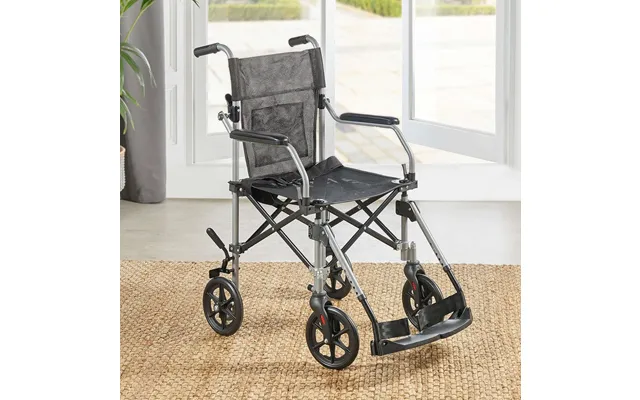
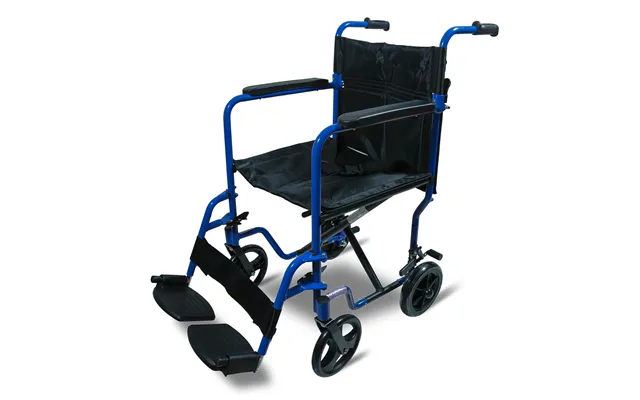
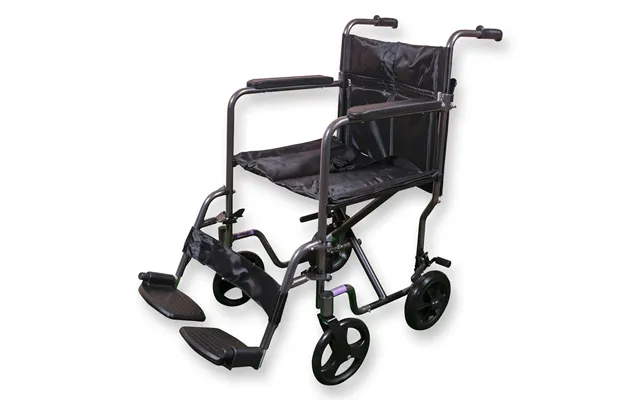
Wheelchairs come in three main types, each with a different purpose. Manual wheelchairs are user-propelled or companion-pushed and offer great flexibility for indoor and outdoor use. Transport chairs are lighter and designed primarily for someone else to push; they’re brilliant for trips and appointments. Power chairs use electric drive systems and are ideal for longer daily use, especially if self-propulsion is tough.
Seat width and depth matter more than many people realize. Common seat widths range from about 16 in to 22 in, and the right fit prevents pressure points and slouching. Weight capacities typically span 250 lb to 450 lb, depending on the model. Check total chair weight if you plan to lift it into a car—lightweight frames can come in under 30 lb for ultralight models, while standard steel chairs can be 40 lb or more. Add-ons like swing-away footrests, height-adjustable armrests, and anti-tip bars can make day-to-day life smoother.
If your daily routine involves long periods in a chair or pushing a manual chair is tiring, a powered option is worth a look. Consider turning radius for indoor use (tight doorways can be less than 30 in), battery range (often 10 to 20 miles), and seat adjustability. Features like captain’s seats, power tilt, or elevating leg rests increase comfort over long hours.
Mobility scooters are a freedom booster—great for shopping trips, park visits, or longer strolls. Travel scooters typically break down into a few pieces and fit in a car boot; mid-size models are steadier with bigger wheels and better suspension; heavy-duty scooters offer higher weight limits and longer ranges.
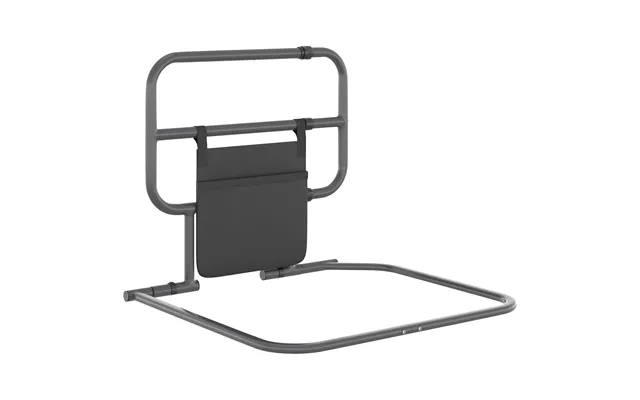
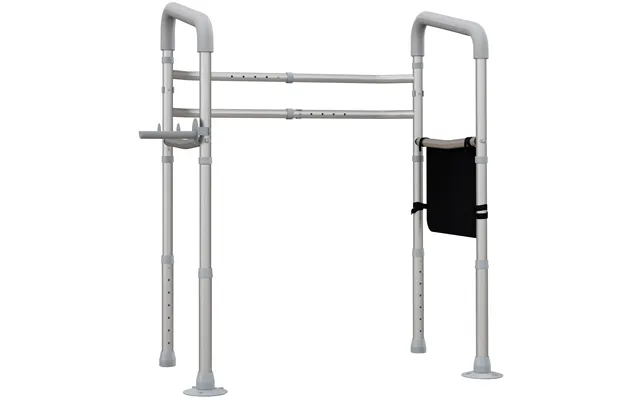
Range matters—many travel scooters offer around 10 to 15 miles on a charge, while larger models can reach 20 to 30 miles. Check maximum user weight (often 250 lb to 400 lb), top speeds (commonly up to 4 to 8 mph), and turning radius for indoor use. If you’ll be lifting it, look at the heaviest piece once disassembled; ideally, you want something under 40 lb per piece for easier handling. Comfort features—like a padded seat, armrests, and a delta tiller—make a big difference on longer rides.
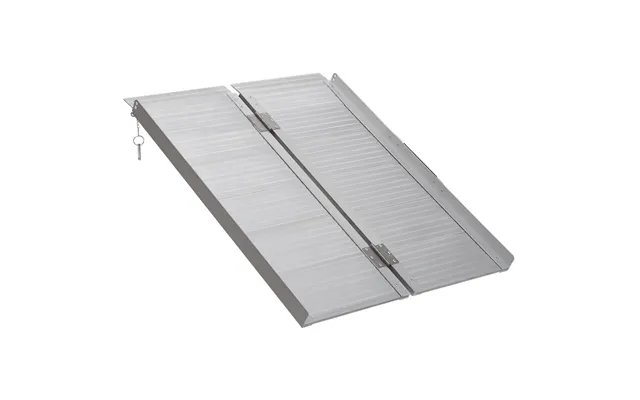
Not every mobility need requires a chair or scooter. Walkers and rollators improve balance and reduce fatigue—plus, they’re incredibly versatile. Standard walkers are ultra-stable but slower, while rollators have wheels and hand brakes for smooth cruising and quick stops. A cane is perfect for light support, especially when recovering from an injury or when navigating uneven ground.
Handle height should typically align with your wrist crease when you stand tall with arms relaxed; for many adults, that’s roughly 32 in to 38 in, but always adjust for your body. Rollators often come with seats; measure seat height (commonly 18 in to 24 in) so you can sit and stand comfortably. If storage matters, check folded width—slim designs can tuck behind a door or inside a coat closet with ease.
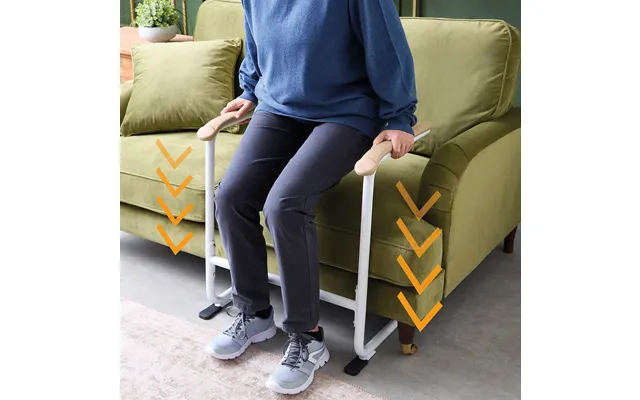
The bathroom is one of the most common places for slips, so even a few smart upgrades can make it far safer. Grab bars, shower chairs, raised toilet seats, and non-slip mats reduce risk and boost confidence. You’ll find tool-free, clamp-on grab bars for renters and more permanent wall-mounted options for homeowners.
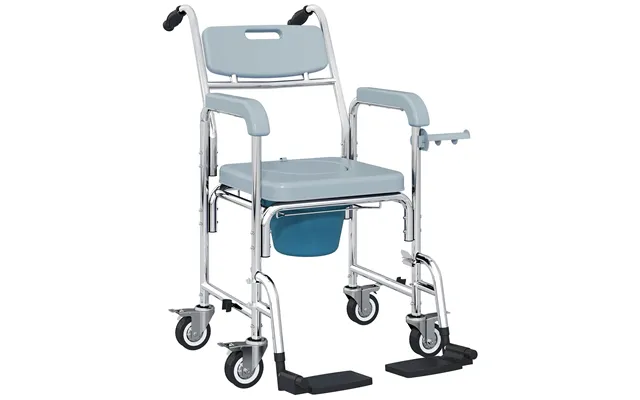
For grab bars, look for a textured or knurled grip and weight ratings of 250 lb to 500 lb. Shower chairs with backrests, armrests, and non-slip feet feel more secure; aim for a wide seat—around 17 in to 20 in—if comfort is a priority. Raised toilet seats can add 2 in to 5 in of height to reduce strain on knees and hips, and some include arm supports for extra leverage. Freestanding commodes double as bedside solutions and over-toilet frames for multi-use flexibility.
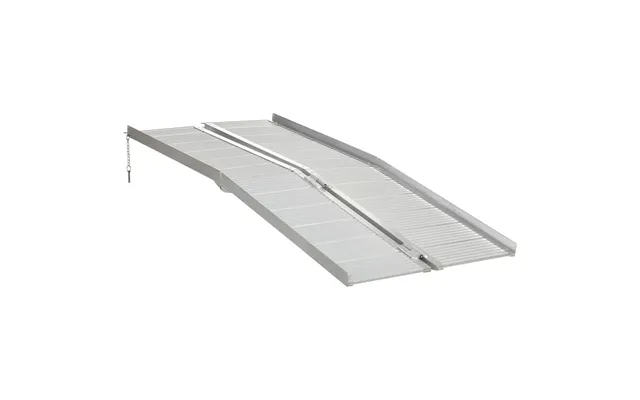
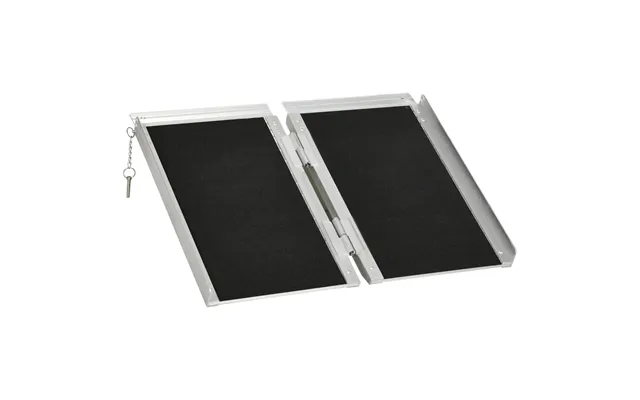
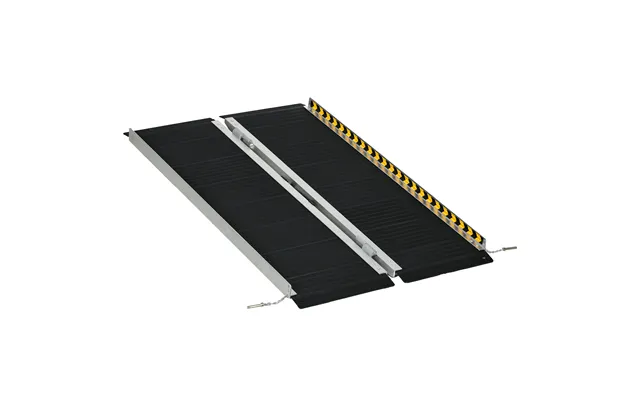
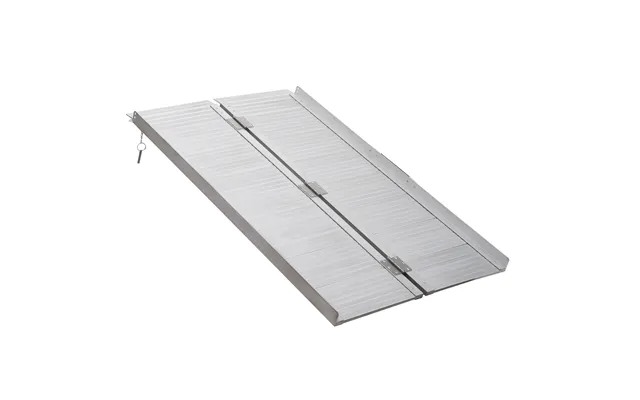
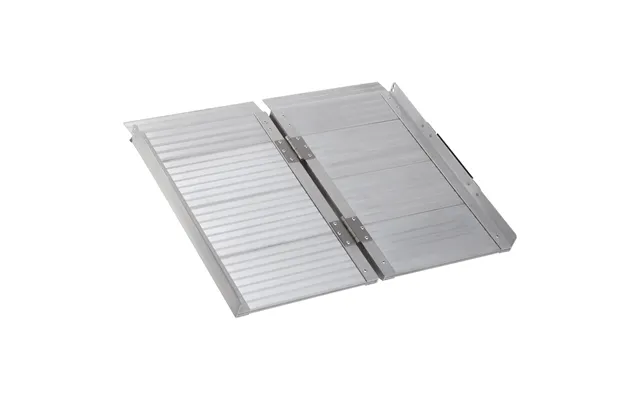
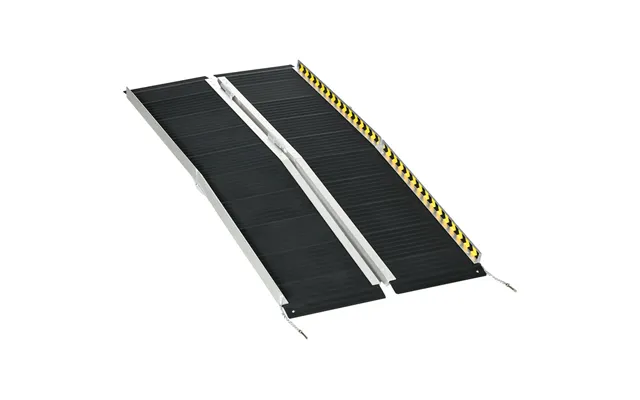
Door thresholds, curbs, and steps can feel like walls when you use wheels or struggle with lifting your feet. Portable ramps, threshold mats, and modular systems create safer, smoother transitions. For regular home access, measure carefully and choose the right style for your space.
As a rule of thumb, plan roughly 1 ft of ramp length for every 1 in of rise to achieve a gentle slope. For example, a 6 in step often needs about a 6 ft ramp. Portable folding ramps are convenient for cars and short visits; threshold ramps (rubber or aluminum) smooth out 1 in to 3 in lips. Look for sturdy materials with high weight ratings—many support 600 lb or more—and surfaces with grip, especially in wet weather.
Transfers—from bed to chair, chair to toilet, or car to wheelchair—can be the hardest part of the day. Transfer boards, gait belts, swivel cushions, and patient hoists reduce strain and increase safety for both the user and the caregiver.
Transfer boards work well when you can bear some weight and slide across with support. Look for smooth, contoured edges and lengths around 24 in to 30 in for most chairs and beds. For heavier lifts or limited mobility, a portable or ceiling-mounted hoist is safer. Check sling sizes carefully and ensure weight capacities exceed your needs—many hoists support 300 lb to 450 lb or more. If space is tight, compact, foldable hoists can be a lifesaver.
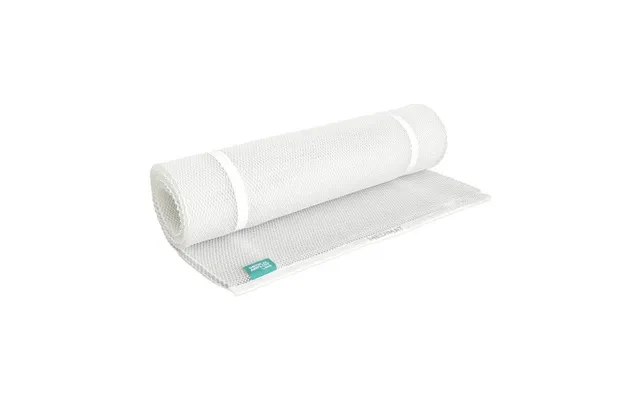
Spending lots of time seated or in bed raises the risk of pressure sores. Pressure-relief cushions and mattresses distribute weight more evenly and improve airflow, which can make a huge difference in comfort and skin health.
High-density foam cushions are budget-friendly and supportive. Gel cushions offer cooling and pressure distribution. Air cushions are highly adjustable—great if your needs change day to day. Common cushion sizes match wheelchair seats, such as 16 in by 16 in or 18 in by 18 in, with thicknesses from 2 in to 4 in. For mattresses, consider alternating-pressure systems if you’re in bed for long stretches, and always pair with breathable covers that are easy to clean.
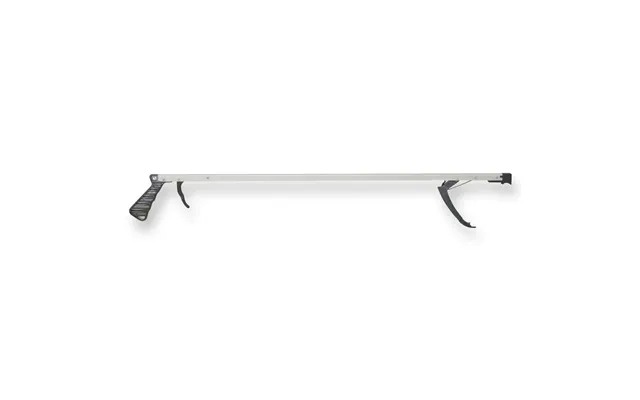
Small tools can make big tasks feel effortless. Reachers help you grab items without bending. Sock and stocking aids make dressing easier. Long-handled sponges, button hooks, and jar openers turn frustrating moments into simple routines. It’s not flashy gear, but it’s the kind you’ll quietly appreciate every single day.
Keep frequently used items within arm’s reach—place a reacher by your favorite chair, stash a second one in the kitchen, and keep a sock aid in the bedroom. If you’re establishing a new routine after surgery or injury, consistency is your best friend.
A few minutes with a tape measure can save hours of hassle. Confirm doorway widths, hallway clearances, and turning spaces. Most internal doors are under 32 in, so compact devices may be essential. If you’re adding a ramp, make sure you have enough run for a safe slope. For bathroom gear, measure tub height, shower floor space, and the distance from toilet to nearby walls or cabinets.
Planning to travel? Check the size of your car boot and the weight of each component of a foldable scooter or wheelchair. Will you need a hoist for lifting? At home, think about where devices will live—under-bed storage for transfer boards, behind-the-door space for rollators, or a dedicated corner for a scooter charging station.
Aluminum frames are lighter and corrosion-resistant, great for wheelchairs, rollators, and ramps. Steel is tough and budget-friendly, but heavier. For bathroom aids, look for rust-resistant coatings and stainless hardware. Grippy rubber feet, sealed bearings, and breathable upholstery all extend lifespan. If you’ll be outside often, consider UV-resistant plastics and weather-friendly finishes.
Always check the maximum user weight and aim for a margin above your needs. For example, if you’re 220 lb, a 300 lb rating offers peace of mind. Look for robust braking on rollators, reliable anti-tip features on wheelchairs, and secure locking mechanisms on folding ramps.
You don’t need to chase dozens of websites to find a deal. Comparison platforms pull together prices, features, and current promotions from multiple retailers so you can quickly see what’s worth your money. Time your purchase around seasonal events—spring mobility sales, summer travel promotions, or year-end clearances. Don’t overlook refurbished or open-box items from reputable sellers; they often include warranties and significant savings.
Sometimes buying a package helps: a rollator with a seat cushion and bag, or a bathroom kit with a grab bar and shower chair. But don’t pay for extras you won’t use. Prioritize the features that directly improve your daily life and add accessories later if you need them.
Good maintenance protects your investment and your safety. Give wheel bearings a quick spin check, tighten bolts on rollators, and inspect grab bar mounts regularly. Keep scooter batteries charged—lithium packs do best with frequent top-ups. Clean cushions and covers according to manufacturer guidance so materials last longer and stay hygienic.
Test brakes on rollators and scooters. Look for wobble in wheelchair caster wheels. Confirm that ramp hinges fold and unfold smoothly without play. For bathroom aids, ensure suction or clamps still hold firmly and rubber feet haven’t worn down. Little fixes today prevent big repairs tomorrow.
If daily tasks feel harder, not easier, it may be time for a change. Common signs include persistent discomfort after short use, difficulty navigating tight spaces, or frequent maintenance issues. Bodies and lifestyles change—your equipment can evolve with you. Keep an eye on new features in the market; sometimes a small upgrade (like a better cushion or adjustable armrests) transforms your whole setup.
Even the most feature-rich product won’t help if it doesn’t fit your body. If you find yourself leaning, shifting constantly, or avoiding certain rooms because of tight corners, it’s a hint to re-measure and reassess. Comfort isn’t a luxury—it’s the foundation of independence.
You’ll find well-known names across wheelchairs, scooters, and bathroom safety products, each with strengths in specific niches. Rather than chasing a logo, compare models by weight, dimensions, warranty, and real user feedback. A lesser-known model with the right features at the right price can be an incredible find—especially when a comparison tool helps you stack specs side by side.
Check how long the frame, electronics, and wear-and-tear parts are covered. Some brands offer longer coverage on frames and shorter terms on batteries. If you rely on equipment daily, access to parts and service matters—factor that into your decision.
Start with a clear goal: indoor maneuverability, outdoor freedom, or bathroom safety. Measure your spaces—doorways, steps, and storage. Set a budget with room for must-have accessories. Compare offers across multiple sellers, paying attention to warranty and delivery options. Finally, read user reviews to catch any recurring issues. It’s a simple path that helps you land the right product at the right price.
Remember, accessibility equipment isn’t about limitations—it’s about options. With the right tools, you call the shots: where you go, how you move, and what you do each day. Take your time, compare confidently, and choose what truly fits your life.
Finding the perfect accessibility equipment doesn’t have to be confusing or costly. Decide what matters most—comfort, portability, or advanced features—then measure your space, set your budget, and compare offers from multiple retailers in one place. Whether you land on a compact travel scooter, a supportive wheelchair cushion, or a sturdy grab bar setup, the right choice can boost your independence and peace of mind every day. Ready to make life easier? Start with your needs, explore the latest deals, and step into your next chapter with confidence.
| Accessibility Equipment | Price | |
|---|---|---|
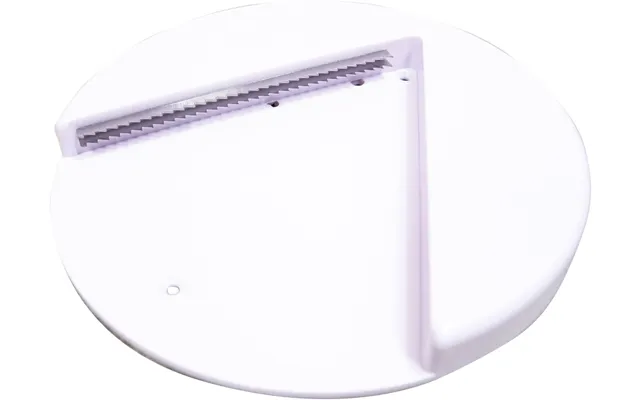
| Arthritis Glass Jar Opener For Under The Kitchen Cabinet Counter Lid Remover Aid - White | £ 6,72 | |
| Veera Forte Knee Length Socks Class 1 Compression Closed Toe Size 1 Black | £ 14,80 | |
| Veera Forte Knee Length Compression Socks Class 1 Closed Toe Size 3 Caramel | £ 14,80 | |
| Scholl Insoles Liquiflex Extra 2 Units Size S | £ 24,40 | |
| Compression Stockings Lg 24 - Dres | £ 33,80 |