

Accessibility Equipment Accessories price list
Last updated Sunday, 18 Oct 2026


View 20 Offers





Loading...
Last updated Sunday, 18 Oct 2026
Looking to make daily life easier, safer, and more comfortable? Accessibility equipment accessories can be game-changers. From wheelchair cushions to bathroom grab bars, the right add-ons help you move with confidence, protect your joints, and reduce household risks. If you’ve ever wished a task felt just a bit simpler—standing up, transferring to a chair, getting in the shower—this guide is for you. We’ll walk through the most useful accessories, what to look for, how to size and fit them, and clever ways to save money by comparing offers across the UK. Ready to find accessories that fit your lifestyle and budget? Let’s dive in.
Accessories take your existing mobility and accessibility equipment from “basic” to “tailored.” They fill gaps left by one-size-fits-all devices, improving comfort, extending independence, and helping caregivers work more safely. Think of them as the practical upgrades that make your day flow better—like adding storage to a scooter, a pressure-relief cushion to a wheelchair, or an anti-slip mat to a bathroom floor. Small tweaks lead to big wins: fewer slips, less strain, and more energy for the things you want to do.
Good accessories meet three goals: keep you safer, reduce effort, and feel great to use. A well-chosen grab bar can be the difference between a confident step and a close call. A transfer board can make a tricky move smoother. A contoured cushion can help keep pressure off sensitive areas when you sit for long periods. When you match accessories to your daily routine—your body, your home layout, and your mobility needs—you’ll feel the difference immediately.
If you use a manual or powered wheelchair, the right accessories upgrade comfort, carry essentials, and protect you from weather and wear. Whether you’re popping out to the shops or staying comfortable during long stretches of sitting, small add-ons often bring big comfort and convenience gains.
A quality cushion is priority number one. Look for pressure-relief designs that distribute weight evenly and reduce hotspots. Foam, gel, and air-cell options each have their perks. Foam tends to be lightweight and supportive, gel adds cooling comfort, and air-cell cushions offer adjustable pressure zones. Choose a cushion width and depth that match your chair’s seat pan—measure the usable seat area in inches and ensure the cushion sits flush without overhang. For posture support, consider contoured tops and lateral supports. Add a breathable, wipe-clean cover and a spare cover for quick swaps.
Armrest pads prevent pressure and rubbing during long use. For on-the-go productivity, attachable trays make reading or eating easier. Storage is a must: saddle bags, under-seat pouches, and backrest organizers keep phones, meds, and water bottles within easy reach. When shopping, check that straps or clips fit your frame tubing and won’t interfere with wheels. If you push yourself, ensure bags won’t catch your hands as you propel.
In the UK, rain is part of the deal. A wheelchair poncho with a clear panel keeps you dry without blocking your view. Leg covers and waterproof lap blankets help too. For powered chairs, consider joystick covers to shield electronics. If you go out at night, reflective strips and clip-on LED lights boost visibility and confidence.
Mobility scooters offer freedom, and accessories make them even more practical. Think about how you actually use your scooter. Do you shop regularly? Commute to appointments? Travel on uneven paths? Choose add-ons that suit your routine and the terrain you tackle most.
Front baskets are classics for a reason, and lockable rear boxes keep valuables secure. Side bags and under-seat storage help if you carry multiple items. A cane or crutch holder mounted to the rear or side makes transitions from scooter to walking aid seamless. Just be sure any added storage doesn’t affect turning radius or stability; keep heavier items low and centered where possible.
Extra battery packs extend range, and smart chargers protect battery life by preventing overcharge. For peace of mind, add a U-lock through the frame or a scooter-specific alarm. Weatherproof covers protect seats and controls if you park outside. For visibility, add reflective decals and rear-view mirrors to keep an eye on traffic coming from behind.
Walking frames, canes, and rollators can be customized for safety, comfort, and portability. If you’re balancing stability and independence, these add-ons can help you move confidently indoors and out.
Swap standard cane tips for quad bases to increase contact with the ground and improve stability. In winter, retractable ice spikes add extra bite on icy paths. Wrist straps keep your cane close if you need both hands unexpectedly. For walkers and rollators, glide caps or ski-style tips help the frame move smoothly over carpet and thresholds without snagging.
Some canes and rollators include flip-down seats—perfect when you need a quick rest. Make sure the seat height suits you, and the frame’s weight capacity covers your needs. Clip-on LED lights and reflectors increase visibility at dusk and dawn. A cup holder and small organizer bag keep essentials like keys and a phone handy without weighing you down.
Bathrooms are slippery by design, which is why safety accessories here are essential. The aim is simple: stable surfaces, secure handholds, and slip-resistant floors. With the right setup, you can make bathing and toileting less stressful and more dignified.
Fixed grab bars provide the most stable support. Consider common lengths like 12 in, 18 in, and 24 in, and place them where you naturally reach—near the shower entry, inside the tub, and beside the toilet. Stud-mounted bars are the gold standard. If drilling isn’t possible, heavy-duty suction bars can help, but treat them as temporary aids and test the seal frequently. Textured grips add traction, especially with wet hands.
Shower chairs with backrests improve comfort during longer washes, while bath boards bridge the tub so you can sit and swing your legs in. Measure your tub or shower in inches to get a secure fit. Non-slip mats with strong suction cups reduce the risk of falls—choose mats that are easy to lift and rinse clean. For handheld shower heads, consider an extra-long hose and an easy-grip handle to reduce wrist strain.
Raised seats reduce the distance you need to lower and lift yourself, cutting strain on hips and knees. Add armrests or a toilet safety frame for extra support when standing up. Confirm the seat opening size and clamp style match your toilet shape, and check that any added frame doesn’t obstruct cleaning or access for other users.
Transfers are where many slips and strains happen. With the right accessories, moving from bed to chair, chair to car, or sitting to standing becomes smoother and safer for you and your caregiver.
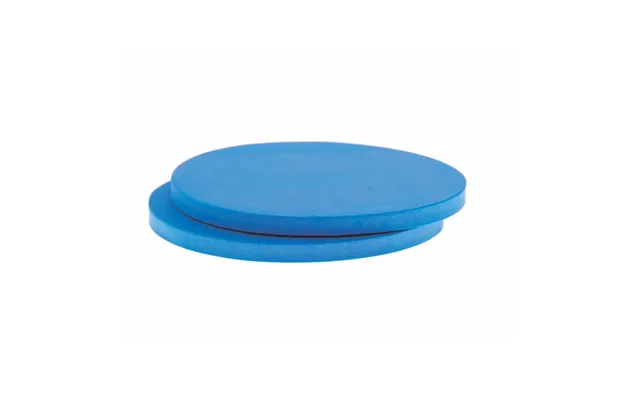
Transfer boards bridge gaps for seated moves; look for a textured top and tapered edges for easier sliding. Gait belts give caregivers a secure hold without grabbing clothing, and rotating discs help you pivot safely when standing. Pair these with non-slip shoes or socks for extra confidence during transfers.
Bed rails offer a stable handhold for repositioning and getting in and out of bed. Overbed tables make reading, eating, and using devices comfortable when resting. Positioning wedges and leg raisers help align hips and knees, reducing pressure points during longer rests. Always check weight limits and rail spacing, and ensure rails don’t create entrapment hazards.
You don’t need a full renovation to make a home more accessible. Portable ramps, smart plugs, and voice-controlled devices can transform daily routines. These solutions are renter-friendly and often quick to install, with minimal tools.
Portable ramps help you navigate steps and curbs. A useful rule of thumb is simple: for each 1 in rise, aim for about 1 ft of ramp length for a gentle, manageable slope. Measure door widths in inches to ensure the ramp fits, and check weight ratings for both user and equipment. Threshold ramps handle small height differences at doorways, smoothing transitions for wheelchairs, scooters, and walkers.
Smart speakers paired with plugs and bulbs let you control lights, heaters, and kettles with a voice command. Motion-activated lights in hallways and bathrooms cut nighttime risks. Video doorbells and smart locks add security without requiring a dash to the door. For those with hearing loss, add visual notifications that flash lights when the doorbell rings.
Accessibility isn’t just about mobility. From amplified phones to large-button remotes, small tweaks can make communication and daily tasks easier and more enjoyable. The goal is simple: reduce friction so you can do more on your own, more comfortably.
If you struggle to hear calls, look for phones with strong amplification and tone control. Pair them with visual alert systems—flashing doorbells, smoke alarms with strobe lights, and vibrating bed shakers for nighttime alerts. Consider a wearable alert device that pairs with your phone for messages and alarms you can’t afford to miss.
Large-button remotes, talking clocks, and bold-display kitchen timers remove guesswork. High-contrast labels and tactile markers help you find the right controls fast. For reading, task lamps with adjustable arms bring bright, focused light where you need it most. If glare is an issue, choose warm, even lighting and anti-glare filters.
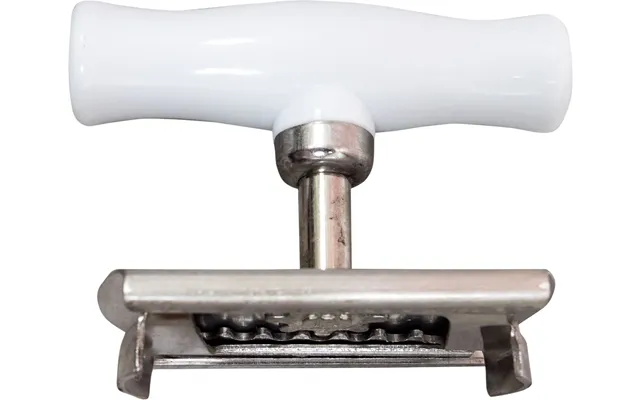
Reachers and grabbers reduce bending and stretching. Dressing sticks, sock aids, and long-handled shoehorns make morning routines smoother. In the kitchen, easy-open jar grips, kettle tippers, and non-slip mats keep tasks safe and strain-free. These are humble tools that deliver everyday wins, especially when hand strength or balance is limited.
Before buying, measure carefully and match materials to how and where you’ll use the accessory. A great accessory fits your body, your equipment, and your space. It should feel stable the moment you touch it—and keep feeling that way after months of daily use.
Always check weight ratings and dimensions in pounds and inches. For chairs and cushions, confirm width, depth, and thickness. For grab bars, verify length and mounting points align with studs or solid surfaces. For ramps, match length to rise, and confirm overall width accommodates your chair or scooter plus a comfortable margin on either side.
Look for rust-resistant metals for bathrooms and outdoor use, breathable covers on cushions, and wipe-clean plastics for high-touch handles. Non-slip textures on ramps and shower aids improve grip. Maintenance matters: choose accessories with parts you can remove and clean, and consider spares—extra suction cups, replacement tips, or spare covers—so you’re never stuck waiting on a wash or a delivery.
Accessibility accessories don’t need to break the bank. Many high-impact items—grab bars, non-slip mats, cane tips—are affordable. Larger pieces like portable ramps or high-end cushions are long-term investments, so comparison shopping pays off. Look into eligibility for VAT relief on qualifying disability aids in the UK to stretch your budget further.
As a rough guide, small accessories like cane straps or bath mats often cost less, while premium cushions and sturdy ramps sit higher. The trick is value, not just price. A well-made cushion can protect your skin and posture day after day; a solid grab bar can prevent a fall. Read descriptions carefully for weight limits, warranty details, and user-friendly features like quick-release mounts or tool-free adjustments.
Comparing prices, specs, and stock from multiple retailers saves time and money. A comparison site like ZoneOffer pulls offers together so you can scan options, filter by features, and spot seasonal discounts. Instead of jumping between tabs, you see your choices at a glance and pick the deal that matches your needs and budget best.
Even the best accessory can underperform if it’s installed poorly. Take your time, follow instructions, and test every item before relying on it. If something feels wobbly or awkward, adjust or relocate it. The right setup feels natural and secure—period.
Non-permanent items like suction mats, storage bags, and clip-on lights are easy DIY wins. For permanent fixtures like drilled grab bars or complex ramps, consider professional installation to ensure proper anchoring and safe slopes. When drilling, aim to secure into studs and use the correct fasteners for your wall type. Test each install by gradually applying weight before full use.
If you’re a caregiver, think ergonomics. Use gait belts to protect your back, set up clear paths with no trip hazards, and keep essential items within arm’s reach. Create a simple checklist: are grab bars tight? Are non-slip surfaces secure? Are batteries charged? A 2-minute daily check prevents surprises and keeps everyone safer.
Every home and routine is different. The best setup reflects your space, your energy levels, and your goals—more independence, smoother self-care, easier outings, or all of the above. Here are two common scenarios and the accessories that often help most.
When drilling isn’t allowed, lean on no-drill solutions: suction grab bars (with frequent checks), tension-mounted poles, portable shower chairs, non-slip mats, and threshold ramps. Smart plugs and voice assistants add hands-free control without rewiring. Choose foldable ramps and compact rollators that tuck away in closets. Keep storage vertical—over-door organizers and chair-mounted bags save precious floor space.
If you’re out and about, prioritise portability and protection. Pick lightweight transfer boards, weatherproof covers, and compact tool kits for quick adjustments. Add reflective patches and LED lights for early evenings. For scooters and chairs, choose lockable bags for valuables and a discreet U-lock for peace of mind. Keep a spare charging cable and a small first-aid pouch so you’re always prepared.
Accessibility equipment accessories are small upgrades with big impact. They turn tricky moments into smooth routines, reduce risks, and free up energy for the good stuff. Whether you’re upgrading a wheelchair with a pressure-relief cushion, turning a bathroom into a safer space, or adding a portable ramp to tackle steps, the right accessories pay you back every day. Measure carefully, match materials to your space, and compare offers to stretch your budget. With thoughtful choices and simple installs, you’ll build a setup that fits your life—comfortable, safe, and ready for anything.