All categories
Business & Offices
Electronics & Media
Fashion & Accessories
Groceries & Essentials
Health & Personal Care
Home & Living
Kids & Family
Sports & Outdoors
Search in ZoneOffer

Loading...
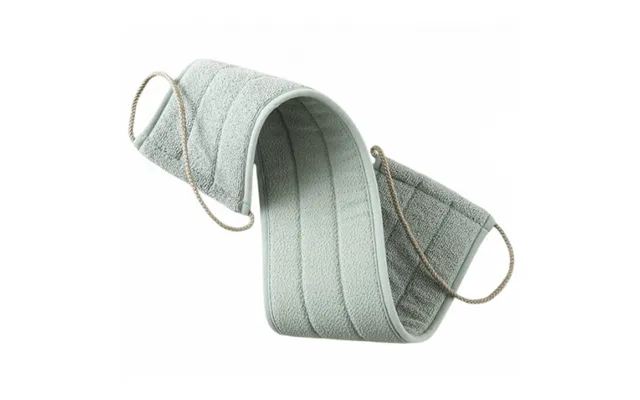
Struggling with a stiff lower back after a long day at your desk? Or maybe your mid-back tenses up during your commute? The often-overlooked “Back Care – Other” category is where a lot of real-life relief hides. It’s the catch-all zone for clever, effective products that don’t always fit neatly under braces or chairs, yet directly influence how your back feels—at work, at home, and on the go. From lumbar cushions and posture helpers to heat therapy pads and portable massagers, these items can be the difference between powering through your day or counting down the minutes until you can lie flat. Even better, you can compare offers across retailers in one place on a price-comparison site like ZoneOffer, so you’re not guessing what a fair deal looks like.
Think of this category as the toolbox you wish you’d had years ago. It includes supportive cushions for seats and car rides, posture correctors, soft and semi-rigid braces, heating pads, cold packs, TENS units, massage tools, sleep aids like contour pillows, and stretchers that gently open your spine. You’ll also find topical creams and patches, ergonomic footrests, seat wedges, and even inversion gear for advanced users. If it helps your back but isn’t a full-blown chair, mattress, or medical device prescribed by a clinician, there’s a good chance it lives here.
A quality lumbar support cushion can feel like swapping out a saggy seat for a tailored chair—without the price tag. The best ones cradle the natural curve of your lower spine and prevent that slouchy, rounded posture that sets your back up for tightness. They’re excellent for office chairs, dining chairs, and car seats. The right cushion keeps your pelvis neutral, encourages an upright chest, and takes pressure off the tailbone.
Focus on shape, firmness, and adjustability. A contoured design with a slight inward curve usually hits the sweet spot for the lower back. Medium-firm foam tends to hold its shape longer than ultra-soft options. If you sit for hours, look for a cushion with a strap so it stays in place—even when you shift. A removable, breathable cover is essential for easy cleaning. Typical widths run around 12 to 16 inches; pick a size that aligns with your chair’s backrest and your torso width.
Memory foam provides that “slow melt” feel, creating a custom cradle that encourages alignment. Gel-infused foam adds a cooling sensation and can feel a tad firmer, which some people prefer if they find pure memory foam too plush. If you run warm and sit for long stretches, a gel option with a ventilated cover can keep things comfortable.
For office use, consider a cushion that pairs with a seat pad to create a full back-and-seat system, reducing tailbone pressure. For cars, a slimmer profile (about 3 to 4 inches thick) keeps you supported without pushing you too far forward. For travel, look for compact, rollable designs or inflatable models you can tuck into a backpack.
Posture correctors and back braces act like gentle reminders to stack your shoulders over your hips and keep your spine neutral. While they won’t replace good movement habits, they can re-train muscle memory and reduce end-of-day soreness, especially if you’re transitioning away from slumped sitting or repetitive tasks.
Soft correctors use straps to encourage shoulder retraction without locking you in place. They’re subtle and easy to wear under clothing. Semi-rigid braces provide more structure for the lumbar region and can reduce fatigue during lifting or long hours on your feet. If you’re new to braces, start with a softer design and graduate to more support if needed.
Fit is everything. Measure your chest or waist per the brand’s guide and choose adjustable straps so you can fine-tune tension. If a brace squeezes or digs in, you won’t wear it, and consistency is what produces results. Aim for a snug, posture-promoting feel—not a corset-level squeeze.
Think of a corrector as a training tool, not a permanent crutch. Many people start with 20 to 40 minutes at a time and build up based on comfort and response. Too much support for too long can decondition muscles, so combine wear time with light mobility and strengthening.
Heat and cold are classic for a reason—they’re simple, fast, and effective. Heat relaxes tight muscles, boosts local circulation, and helps you unwind. Cold can tame swelling and calm sharp flare-ups. A smart back-care routine uses both, depending on what your body is telling you.
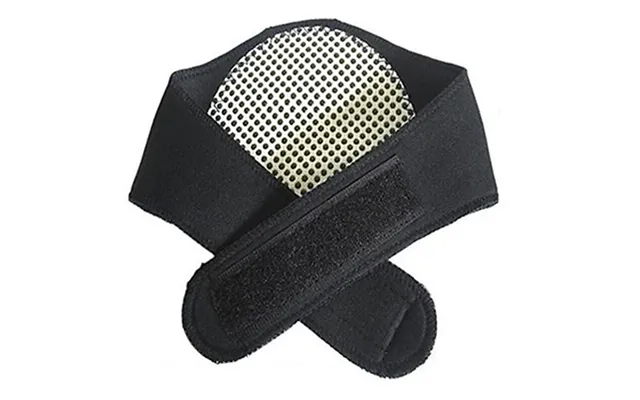
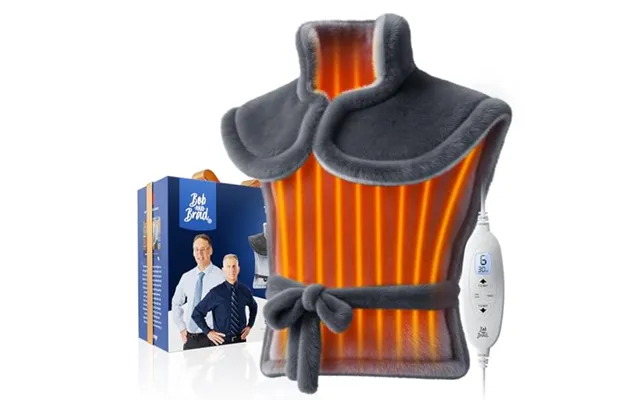
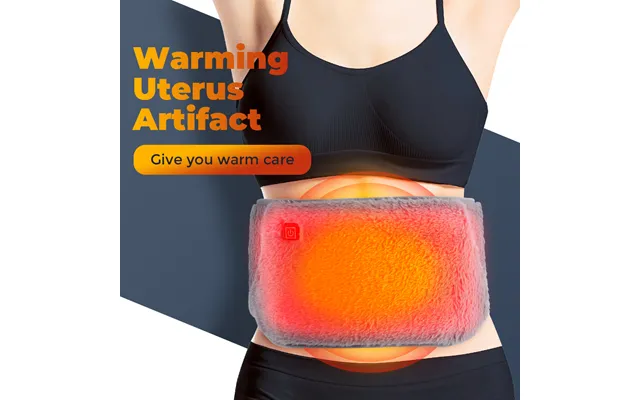
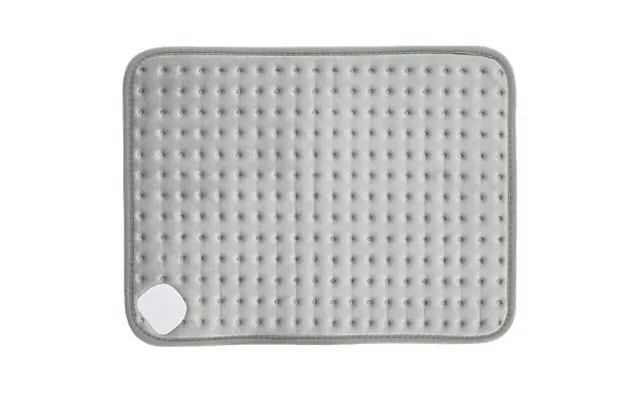
Electric heating pads offer steady warmth with multiple settings, useful for chronic tightness. Look for auto shut-off timers and a soft, washable cover. Microwavable packs with grain or bead fillings contour easily to the lower back and can double as cold packs when stored in the freezer. A wraparound design with Velcro helps you stay mobile while you warm up.
Choose a gel pack that remains flexible when cold, so it molds to your lumbar curve. A fabric sleeve prevents direct skin contact. Use cold in short sessions for irritated or tender areas. Having both a large rectangle (around 10 by 14 inches) and a smaller strip gives you options for lower and mid-back coverage.
TENS (Transcutaneous Electrical Nerve Stimulation) units deliver gentle electrical pulses through adhesive pads, helping interrupt pain signals and relax tense muscles. EMS (Electrical Muscle Stimulation) primarily targets muscle engagement and recovery. For back care, many people lean toward TENS for relief and relaxation, especially after long days of sitting or lifting.
Place pads on either side of the sore area rather than directly on the spine. Your user manual will offer pad maps—follow them for best results. Most units come with a few pad sizes; bigger pads are great for the lower back, while smaller ones can target the mid-back.
Look for variable intensity levels and preset programs so you can switch from a gentle setting to a deeper pulse pattern as needed. Reusable pads are budget-friendly, but keep spare adhesive gels on hand. Rechargeable units are convenient; a battery that lasts several sessions between charges makes consistent use easier.
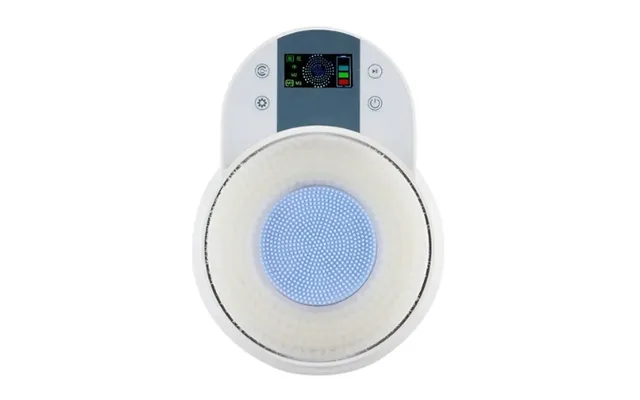
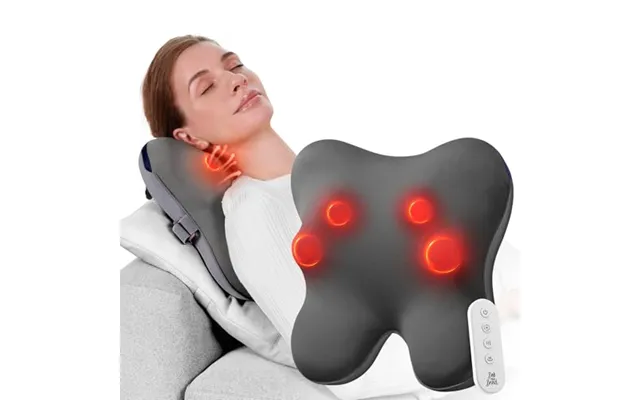
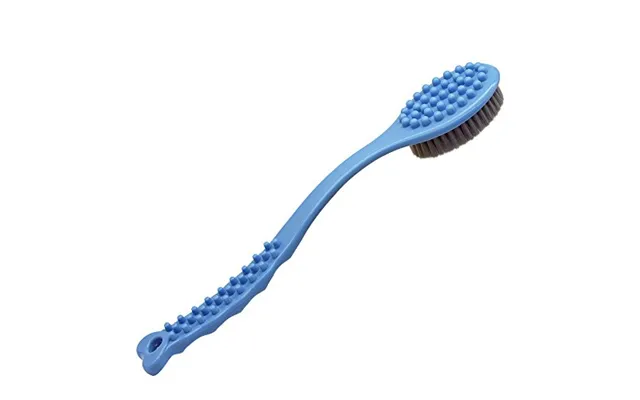
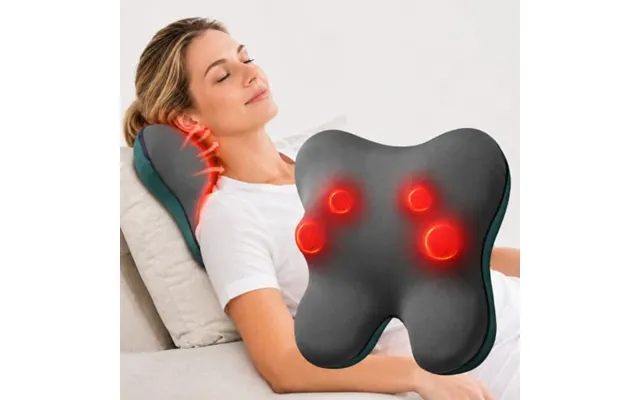
Massage tools bridge the gap between professional sessions and daily maintenance. Whether you want deep percussion to break up stubborn knots or a rolling shiatsu cushion for steady pressure, these devices help you calm tense muscles and improve your comfort while you work or relax.
Choose a massage gun with multiple heads—round for large muscle groups, bullet for pinpoint areas along the paraspinals, and flat for sensitive zones. Adjustable speeds let you start slow and ramp up as needed. If you share a space, a quiet motor is a must. A handle that allows you to reach your mid and lower back without contorting is worth the extra cost.
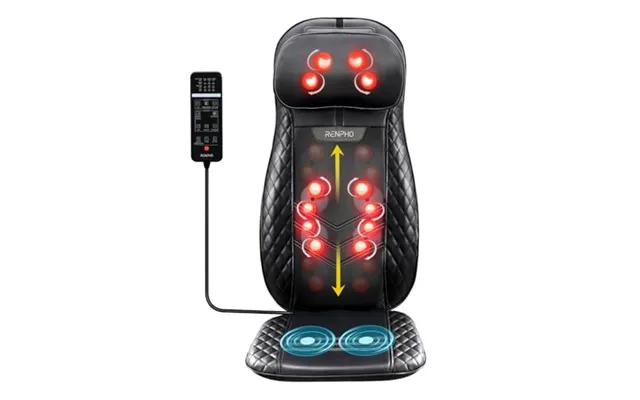
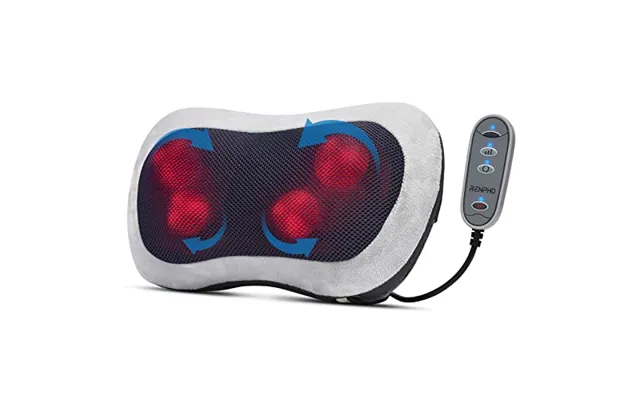
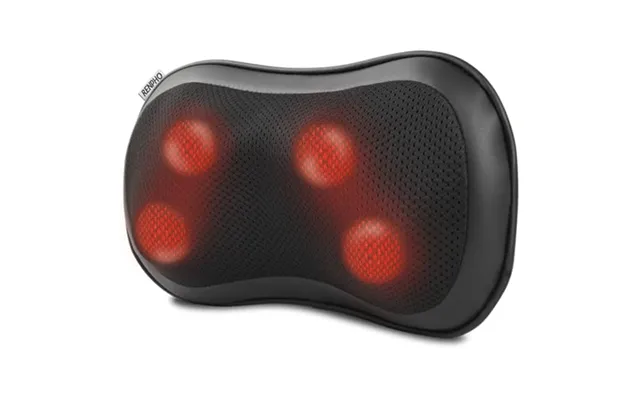
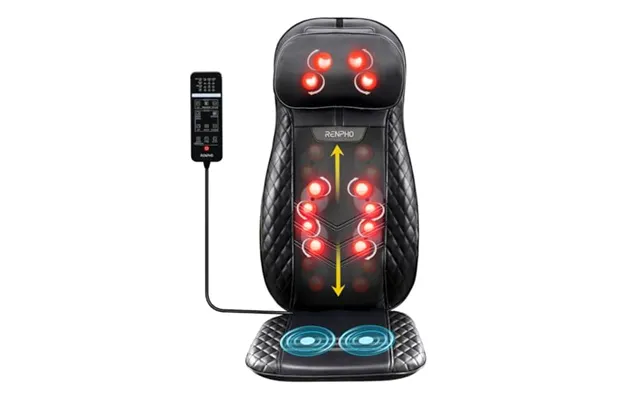
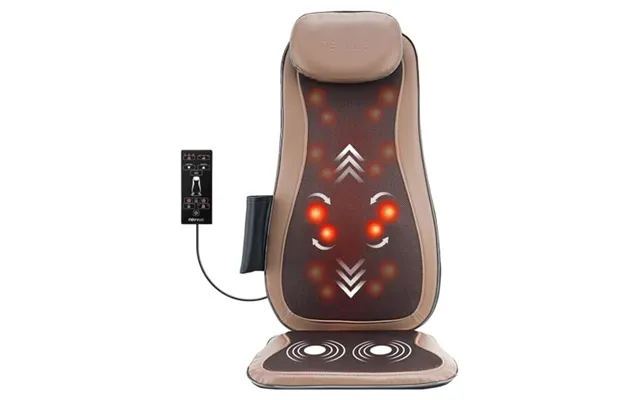
Shiatsu cushions use rotating nodes that mimic a kneading massage. Some models add heat, which many people find soothing for the lumbar area. Full-length seat mats can treat your back and hips at once. If you’re shorter or taller than average, choose a model that lets you adjust node positions so they align with your trouble spots.
Sometimes the best back care is about changing the angles your body lives in all day. Seat wedges tilt your pelvis slightly forward, encouraging an upright posture. Footrests help you plant your feet and take pressure off your lower back. Even a simple lumbar roll can transform a too-soft chair into a supportive seat.
A wedge with about a 2 to 3 inch rise from back to front promotes a neutral lumbar curve. Coccyx cushions with a U-shaped cutout can reduce tailbone pressure during long sits. Look for non-slip bases and covers you can remove and wash.
Footrests with adjustable height let you find your sweet spot, especially if your chair is a tad high. If you move between rooms or workstations, consider a lightweight footrest or even a compact inflatable lumbar roll you can toss in your bag.
Sleep is when your back should recover. If your pillow is too high or too low, your neck compensates and your mid-back can pay the price. A well-chosen pillow and a supportive topper maintain neutral alignment so you wake up refreshed instead of stiff.
Side sleepers often prefer a higher loft to keep the neck aligned, while back sleepers usually do better with medium loft. Contour pillows have a wave shape that cradles the neck and can reduce morning tightness. If you switch positions, a pillow with a middle-of-the-road height and compressible fill gives you flexibility.
A 2 to 3 inch topper can soften a too-firm mattress and ease pressure on the shoulders and hips, indirectly helping your lower back. Memory foam contours closely, while latex-style foams can feel buoyant and responsive. A breathable cover keeps you cooler through the night.
Gentle mobility can do wonders for a stiff back. Back stretchers create a controlled arch to open the spine, while inversion tables tilt you backward to decompress. Both can be effective when used thoughtfully and safely.
Back stretchers often have adjustable heights so you can start small and progress. A cushioned surface protects your spine while the arch encourages a deep, supported stretch. Yoga wheels offer a rolling stretch that can release tension along the thoracic spine with careful, slow movements.
If you explore inversion, look for sturdy frames with a weight capacity that matches your needs—many models support up to around 300 lb. Ankle supports should be comfortable and secure. Beginners can start with a gentle angle rather than full inversion, and use the safety straps to control depth. Always move slowly and listen to your body.
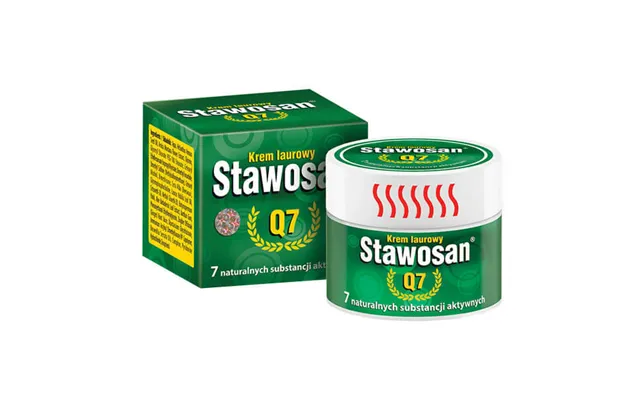
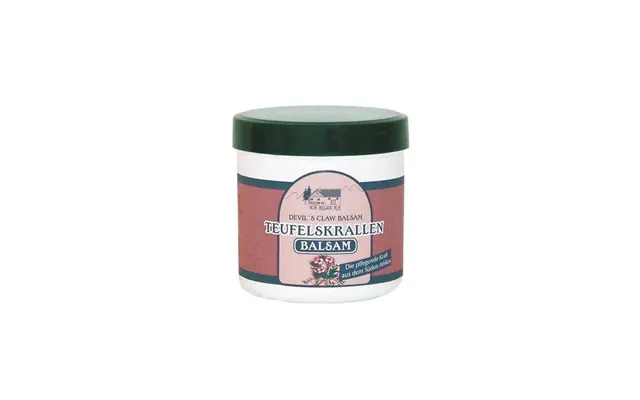
Topical products can complement your mechanical supports. Menthol-based gels provide a cooling sensation; capsaicin-based creams create warmth over time. Patches offer mess-free, longer-lasting coverage that’s handy for work or travel days.
Look for patch sizes that match your target area—smaller strips for the mid-back between the shoulder blades and larger rectangles for the lumbar zone. If you’re new to capsaicin, start cautiously; a small area test helps you gauge sensation. Wash hands after application and avoid sensitive areas.
Many people pair a light topical with a heating pad on a low setting for a combined effect. If you’re using a patch, follow the product’s directions about heat and avoid stacking multiple topicals at the same time.
Back care is personal, but your wallet doesn’t have to suffer. Use a comparison platform to scan popular offers and spot real discounts, not inflated “before” prices. Compare specs, materials, and warranties side by side. Check user feedback on comfort and durability—especially for items like cushions, pads, and massage tools that see daily use.
Prioritize adjustability and breathable materials for anything you wear or sit on. For electric gear, safety features like auto shut-off and reliable power cables are non-negotiable. For TENS units, replaceable pads and rechargeable batteries reduce long-term costs. For massagers, a quiet motor and ergonomic handle make consistent use more likely.
“Popular offers” typically highlight items with strong buyer interest, high ratings, or attractive discounts. A clear price list helps you see the range quickly—from entry-level to premium—so you can set realistic expectations. Filtering by features (like adjustable straps, heat settings, or foam type) narrows choices fast. You can scan multiple retailers in one view on a comparison site such as ZoneOffer, keeping the buying process transparent and efficient.
Back-care gear works best when it’s clean and well-maintained. Wash removable covers regularly. Spot-clean foam and avoid soaking it. For TENS pads, seal them in a bag after use to preserve stickiness, and refresh the gel when they start to lift. Wipe down massage tools with a soft cloth and keep vents dust-free. For heating pads and wraps, inspect cables and closures; replace worn parts promptly.
Budget picks can be surprisingly effective—think simple lumbar rolls, basic heating pads, and straightforward posture straps. Mid-range products often add adjustability, better materials, and extra features (like rechargeable batteries or breathable covers). Premium gear shines in durability, fine-tuned ergonomics, and quiet performance—ideal if you’ll use the item daily for months or years.
It’s easy to overdo a good thing. Wearing a rigid brace for hours on end can make supportive muscles lazy—use it sparingly and strategically. Using heat on a fresh, sharp flare might aggravate it; a short cold session could be smarter early on. Skipping measurements leads to poor fits, especially for posture correctors. And buying a high-powered massage gun without learning proper technique can leave you sore in all the wrong ways.
You don’t need everything at once. Start with one or two high-impact upgrades: a well-shaped lumbar cushion for your main chair and a heating pad for evening unwind time. Add a posture corrector or footrest if you sit long hours. Keep a gel pack in the freezer for flare-ups. If you want targeted relief, consider a compact TENS unit or a quiet massage tool. Update your pillow if mornings are stiff. Layer in stretchers or yoga wheels as you get more comfortable. Small changes compound fast.
The beauty of the “Back Care – Other” category is how adaptable it is to your life. You’re not stuck with a single, expensive solution—you can mix and match supports, therapy tools, and ergonomic tweaks that fit your day. Compare offers, read specs with a critical eye, and prioritize comfort, adjustability, and safety. With a few well-chosen pieces, you can transform stiff, achy days into steady, sustainable comfort—at your desk, on the road, and at home.

| £ 55,49 |