

Earplug Dispensers price list
Last updated Monday, 19 Oct 2026


View 9 Offers







Loading...
Last updated Monday, 19 Oct 2026
Looking to keep earplugs tidy, accessible, and always within reach? Earplug dispensers make that easy, especially when you need to protect hearing in busy, noisy spaces. From compact countertop units to rugged wall-mounted systems, today’s dispensers help you reduce waste, boost compliance, and save money by encouraging consistent earplug use. Let’s dive into how to choose the right model, what features matter, and how to compare offers so you get the best value.
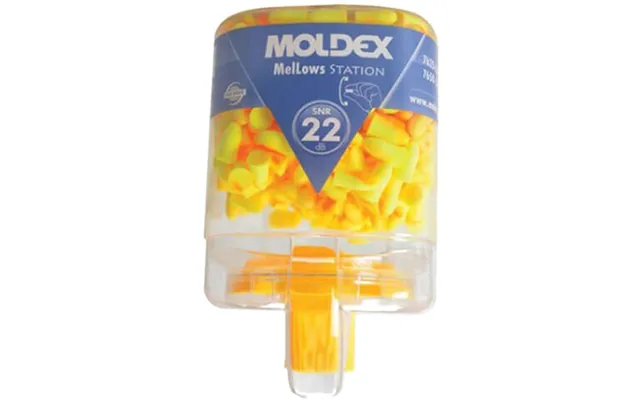
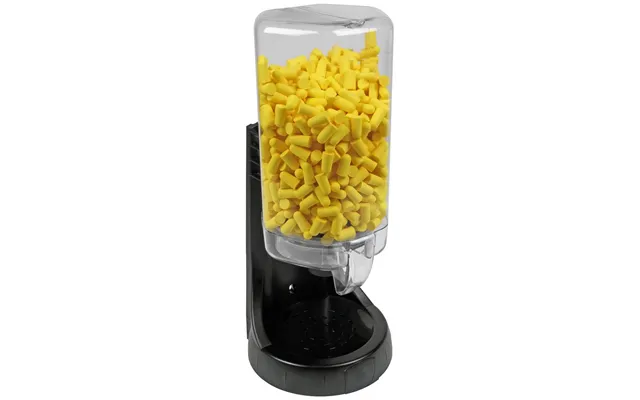
An earplug dispenser is a container designed to store and dispense earplugs—usually in bulk—so people can grab a clean pair on the go. Think of it as a snack machine for safety gear: simple, reliable, and right where you need it. Whether you manage a workshop or a live events venue, a dispenser keeps protection visible and frictionless, which means people actually use it.
Noise is sneaky; it chips away at hearing little by little. A dispenser placed at entrances, tool rooms, and timeclock areas reminds everyone to gear up. It reduces open-box clutter, helps control hygiene, and makes cost tracking easier with refill counts. Fewer excuses, fewer “I forgot,” and a lot more consistent protection—it’s a small upgrade with an outsized impact.
Not all dispensers are built the same. Your ideal choice depends on traffic, placement, and the types of earplugs you use. Below are the most common styles you’ll see when browsing comparison listings and safety catalogs.
These are the go-to option for high-traffic zones. Mounted at about 4 to 5 feet above the floor, they’re easy to access and keep countertops clear. Many feature a clear hopper so you can check levels at a glance. If you want minimal maintenance, look for gravity-fed units that automatically feed the next pair down.
If you’re short on wall space or need portability—for example, in a mobile workstation or at a pop-up event—countertop models shine. They usually stand around 10 to 16 inches tall and can be placed near check-in desks, stage wings, or jobsite trailers. They’re ideal when you want flexibility without tools or drilling.
Manual units require users to pull or twist for a pair, which some prefer for controlled dispensing. Gravity-fed models are the simplest: pull, and the next pair drops into place. Push-button dispensers improve hygiene by limiting touchpoints; you tap a button and a pair drops into a catch tray—smart for food areas or dusty environments.
Price varies with capacity, materials, and features. You’ll see budget-friendly plastic hoppers for basic needs and premium, impact-resistant models with smart dispensing that cut waste. The real savings come from higher usage and less loss—so think lifecycle cost, not just the sticker price. Comparing offers side by side helps you spot the sweet spot.
Running a small shop or a home garage? A compact gravity-fed unit can be a smart, affordable fit. They’re light, easy to mount, and refill in seconds. If traffic is moderate and you’re not dealing with harsh conditions, there’s no need to overspend—focus on ease of use and clear visibility of the remaining earplugs.
In busy plants and event venues, premium models can pay for themselves. Look for push-button dispensing, rugged housings, locking lids, and large capacity. These reduce mess and misuse, limit contamination, and minimize restocking time. If downtime hurts, paying a bit more for a sturdy, low-maintenance build makes perfect sense.
The right dispenser also depends on the plugs you prefer. Foam earplugs remain the most common for disposable use, but reusable options are growing fast. Always check the compatibility: some dispensers only accept specific refill bottles, while others are brand-agnostic and work with bulk boxes or generic refills.
Soft foam earplugs expand to seal the ear canal and are ideal for one-time use. They’re often supplied in bulk refills that pour straight into a hopper or slot in as sealed bottles. For most industrial noise, foam plugs with robust noise reduction are the standard choice, especially when you need a steady flow for large crews.
Prefer less waste? Reusable earplugs made of silicone or soft TPE are durable, comfortable, and easy to clean. Some dispensers are designed to dispense pairs in small pouches, keeping them hygienic. If your team keeps personal sets, consider a smaller dispenser for visitors and backups, paired with storage cases for daily users.
Food and beverage sites often use metal-detectable earplugs with embedded components that show up on detectors. If that’s you, check that your dispenser and refills are compatible and clearly labeled. A push-button model with a covered tray helps minimize contact and keeps plugs clean in areas where hygiene is critical.
It’s easy to get overwhelmed by options, but a few features drive long-term satisfaction: capacity, durability, hygiene design, and how (and where) you can mount the unit. Nail those, and you’ll have a dispenser people actually use—and one you don’t have to fuss over every other day.
Capacity sets your refill rhythm. High-capacity hoppers keep lines moving in facilities where dozens grab plugs per shift. Refill style matters, too: sealed bottles are fast and clean; open hoppers accept bulk refills from boxes. If you hate spills, choose a top-loading design with a wide mouth and a locking lid.
Plastic housings are lightweight and affordable, while heavy-duty polymers and reinforced components shrug off knocks from carts and pallets. If your space is rough-and-tumble, invest in a unit built to take hits. In calmer offices or studios, a simple plastic model is usually more than enough.
Look for designs that minimize contact. Push-button systems drop plugs into a tray so hands never reach inside. Covered chutes and angled spouts help prevent dust and debris from settling where earplugs dispense. In dusty shops, that small design tweak pays off in cleaner, safer gear.
Measure before you buy. Wall units typically sit comfortably above cabinets around 5 feet high, leaving room below for signage. Countertop models need a stable base and a flat surface. If you plan to move the dispenser often, pick a freestanding model with a wide, non-slip base that won’t tip easily.
A dispenser alone doesn’t ensure safety—it’s part of a bigger hearing conservation picture. Match the protection level of your earplugs to the noise levels in your environment and make sure everyone knows when and how to wear them. Clear signage and quick demos go a long way.
Choose earplugs with suitable noise reduction for your environment, and make sure people know the right way to insert them. A dispenser placed right where noise begins serves as a visual cue. Pair it with a simple poster showing proper use, and you turn a plastic box into a safety habit.
Make earplugs easy to grab and impossible to ignore. Place dispensers at timeclocks, tool cribs, and near entrances to noisy zones. Keep the hopper stocked. Celebrate teams that hit safety goals. When protection is convenient and visible, habits stick—and that’s what keeps ears healthy.
Good news: earplug dispensers are low-maintenance. Still, a quick weekly routine keeps them performing. Assign responsibility the same way you would for a first-aid kit or eyewash station—someone checks, cleans, and refills, and no one’s left guessing.
Wipe down the exterior and dispensing chute with a mild, non-abrasive cleaner. Empty and clean the hopper periodically to remove dust or crumbs that hitch a ride on hands and gloves. If you use push-button units, clean the button and tray daily in heavy-use areas.
Store refill bottles or bulk boxes in a clean, dry cabinet away from grease and moisture. Rotate stock so older refills are used first. If you run multiple stations, note refill dates with a small sticker—it’s a simple trick that prevents “mystery empty” surprises.
Earplug dispensers belong anywhere consistent noise protection is part of the job or the experience. They reduce friction and keep hearing protection front and center, which is exactly what you want when people are rushing to clock in or get on with the show.
On the shop floor and on jobsites, a rugged wall-mounted dispenser near tool storage or break areas makes all the difference. Crews can grab and go, and supervisors see at a glance when it’s time to refill. For trailers and temporary sites, a freestanding unit is the portable answer.
Stagehands, sound techs, and event staff all benefit from quick access to earplugs. A countertop dispenser at stage wings, mixing booths, or backstage entries keeps the flow moving. Some venues even offer a public-facing dispenser near front-of-house for guests who want extra comfort.
Love your weekend projects? Put a compact dispenser on a wall near the tool bench. It’s a nudge to protect your hearing before you fire up the sander or compressor. Friends who drop by to help won’t have to hunt for gear—it’s right there, topped up, no questions asked.
Dispenser or not, hearing protection works best as part of a simple, visible system. A few extras tie everything together—personal storage for reusable plugs, signage that shows how to fit them, and backup earmuffs for those who prefer over-the-ear comfort.
Reusable earplugs deserve a clean home. Small cases clip to belts or lanyards so people don’t lose or pocket-destroy their plugs. If most of your team goes reusable, the dispenser can serve visitors while regulars keep their personal sets at the ready.
Some folks prefer earmuffs—especially in intermittent noise or when they want quick on/off convenience. Keep a few pairs near the dispenser. People have different ears and comfort levels; offering both options increases compliance and keeps everyone covered.
A simple sign showing proper earplug insertion makes a real difference. Pair your dispenser with an easy-to-read chart and a reminder of where hearing protection is required. Clear visuals beat long lectures, and they help new hires get up to speed fast.
Setup is straightforward. You’ll pick a location, mark your holes, and secure the backplate or housing. For countertop models, place the unit on a stable, level surface away from edges. For wall units, aim for a height that’s comfortable for most users—about chest level for easy reach.
For wall mounting, you’ll typically need a drill, level, and appropriate anchors for drywall or masonry. Mark your holes, drill, insert anchors, and fasten the plate or body. Check the level, load a refill, and test the dispensing action a few times. Add signage nearby so people know what’s inside.
Put the dispenser on the path to noise. Doorways, locker rooms, and equipment bays are great spots. Avoid cramped corners where lines form. If you’re using multiple units, space them along natural routes—no one should have to backtrack to gear up.
Prices, capacities, and refill systems can vary a lot. That’s where comparison platforms help: you can scan live offers, check specs in one place, and spot deals without hopping between tabs. It’s the easiest way to balance cost with the features your team will actually use.
Prices aren’t static. Look for tools that show historical pricing, stock status, and seasonality. If a model you like cycles through promotions, you’ll know when to pounce. For larger orders, unit cost matters—and tracking trends is how you squeeze the most value from your budget.
User feedback tells you how a dispenser behaves in the real world—does the button jam, does the lid hold up, how fast do refills go? Set your shortlist, then compare features and reviews side by side. A few minutes of research can save months of frustration.
Don’t buy a dispenser that only accepts a costly, proprietary refill if budget is tight. Check mounting hardware and dimensions so it fits your space. And confirm that your preferred earplugs—foam, reusable, or metal-detectable—are a match. A quick compatibility check prevents headaches later.
If hearing protection is important where you work or play, an earplug dispenser is one of the simplest upgrades you can make. It keeps plugs clean, visible, and easy to grab, which means people actually wear them. Compare types, check capacity and hygiene features, and match the unit to your environment. With a little planning—and a smart look at current offers—you’ll end up with a dispenser that saves time, reduces waste, and protects what matters most: your hearing.