All categories
Business & Offices
Electronics & Media
Fashion & Accessories
Groceries & Essentials
Health & Personal Care
Home & Living
Kids & Family
Sports & Outdoors
Search in ZoneOffer

Loading...
Ever notice how salon color looks seamless, shiny, and perfectly blended, yet at-home attempts can veer streaky or patchy? The difference isn’t always the dye—it’s the accessories. Brushes, bowls, foils, clips, and caps are the unsung heroes that turn a good formula into a great result. If you’re browsing popular offers and price lists for hair coloring accessories in the UK, a little knowledge goes a long way. With the right toolkit, you’ll get cleaner sections, better saturation, and predictable results—without guesswork or mess.
Think of hair color like painting a canvas. If your brush is too stiff, your strokes will be harsh. If your foil is too narrow, you’ll overstuff it. If your bowl slides, your mixture will splatter. Quality accessories reduce mistakes and boost control, helping you apply product exactly where you want it—roots, lengths, ends, or delicate face-framing pieces—so the finish reads professional rather than DIY.
Not every kit needs a dozen gadgets. A smart selection covers most techniques, from root touch-ups and grey blending to balayage and full-head highlights. Focus on control, precision, and cleanliness. That translates into the right brush sizes, a stable mixing bowl with ounce markings, reliable foils, and sectioning tools that keep hair organized so your product placement stays consistent.
Begin with a tint brush set (1 in, 1.5 in, and 2 in widths), a non-slip color bowl (8 oz to 12 oz), an applicator bottle with an angled tip, a tail comb (around 8 in), strong sectioning clips, gloves, a waterproof cape, foils (4 in to 5 in width), a processing cap, a timer, ear protectors, barrier cream, and stain-remover wipes. With this foundational lineup, you can tackle the majority of coloring tasks with confidence and minimal mess.
A great brush is like a magic wand for hair color. It determines how smoothly you lay down product, how evenly you saturate, and how softly you blend edges. If you’re covering roots, you want fine control. If you’re painting balayage ribbons, you want feather-light pressure and tapered ends. The best choice often depends on your technique and the thickness of the formula.
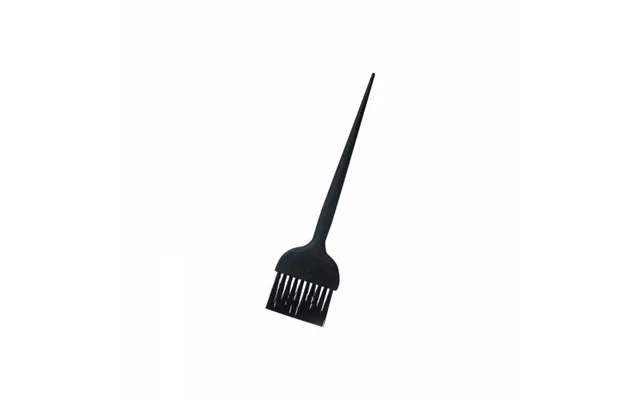
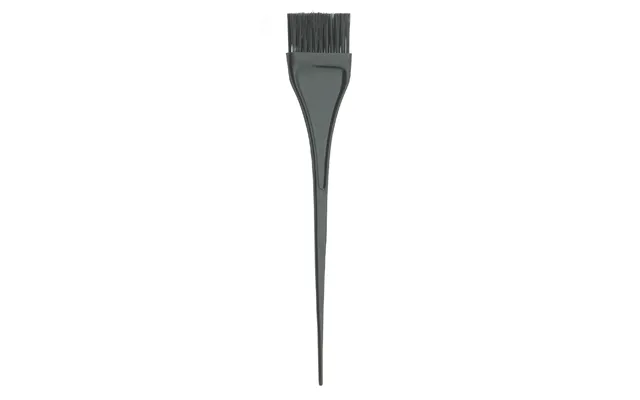
For roots and fine detailing, a 1 in brush keeps strokes tight and clean. For quick coverage on mid-lengths and ends, bump up to 1.5 in or 2 in. Feathered, flexible bristles glide through hair, helping you blend without harsh lines. Firmer bristles push through coarse hair and ensure full saturation. Many pros keep both on hand—flexible for painting, firmer for dense sections. Look for ergonomic handles and heat-resistant bristles that won’t warp during multiple uses.
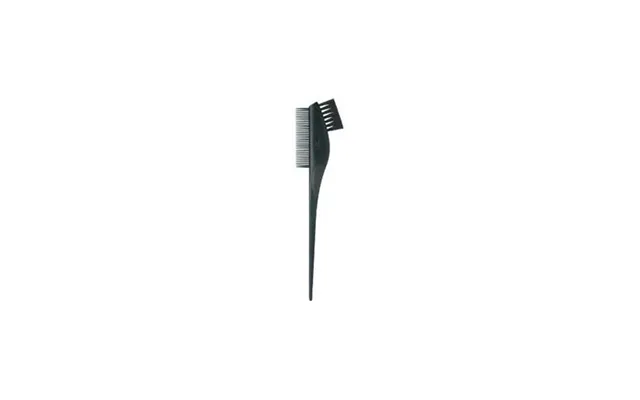
Root touch-up brushes should be narrow, with a sharp, squared edge to trace clean lines along partings. Balayage brushes are often wider with feathered tips, perfect for soft transitions. If you love a lived-in look, pair a wide feather brush for surface painting with a smaller detailing brush to brighten money pieces. Bonus tip: a brush with a built-in comb edge can help distribute color through ends without grabbing extra tools.
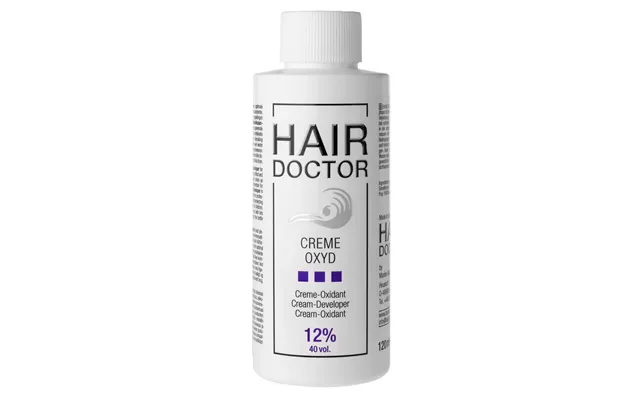
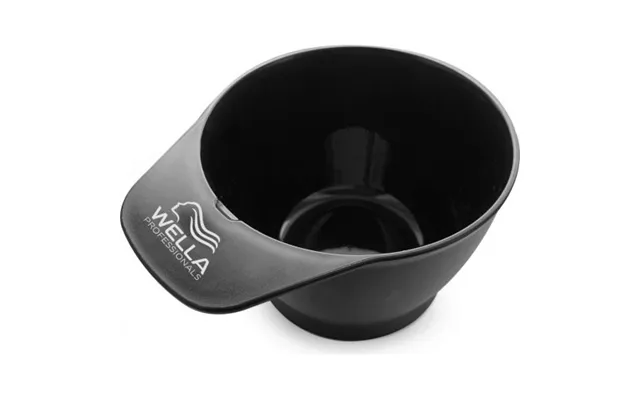
You don’t realize how vital a good mixing setup is until a bowl slides, a bottle clogs, or measurements go off. Choose stable, non-slip bowls with ounce markings so you can mix accurately and repeat results next time. Keep separate bowls for lightener and oxidative color to avoid cross-contamination. And remember: metal and lightener don’t mix—stay with plastic or silicone for safe, consistent performance.
A sturdy 8 oz to 12 oz bowl covers most mixes without feeling bulky. Rubberized bases prevent accidental slips, while clear ounce markings support precise ratios. If you do a lot of root retouches, a smaller bowl reduces wasted product. For full-head applications, a larger bowl cuts down on mid-process refills. Colored bowls can help you see product contrast at a glance—handy if you’re alternating between shades.
Applicator bottles shine for liquid formulas and quick root work along partings. An angled tip helps you deposit color directly at the scalp with minimal mess, and ounce markings keep ratios accurate. Look for soft, squeezable bottles that won’t stress your hands. Keep a bottle brush for speedy cleanup so residue doesn’t harden inside the tip.
Foils and wraps don’t just keep sections tidy—they influence heat, lift, and the precision of your highlights. The right width, length, and texture matter. Too narrow, and you’ll overstuff. Too short, and ends peek out. Too slippery, and foils fold or slide. Whether you’re doing partial highlights, a full head, or face-framing brightness, choose foils that match your plan.
For most highlights, 4 in to 5 in wide foils are versatile. For partials or babylights, 4 in widths feel nimble. For dense weaves or thick hair, 5 in foils offer extra coverage. Length-wise, 10 in to 12 in foils fit shorter to medium hair, while 12 in to 14 in foils suit longer layers. Pre-cut foils save time; rolls let you tailor length on the fly. A textured or embossed finish helps foils grip hair better during placement.
Prefer open-air or low-heat techniques? Balayage film and meche give visibility and control while limiting heat compared to standard foils. They’re great for hand-painted looks where you want to see your blend as it processes. Choose film widths similar to foils—around 4 in to 5 in—so your sections don’t overspill.
Neat sections are the backbone of clean results. Add in proper protection for skin and clothing, and you’ll instantly elevate your entire process. With a few well-chosen accessories, you’ll keep color where it’s supposed to be and avoid staining your freshly painted bathroom shelves.
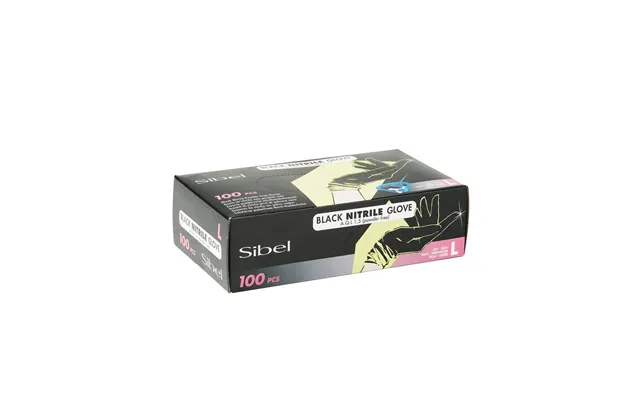
A waterproof cape keeps drips off clothes. Nitrile gloves protect skin and minimize sensitivity. Ear protectors prevent accidental staining around the ear curve, while barrier cream acts like an invisible fence along the hairline. Keep stain-remover wipes nearby for quick cleanups—especially useful when working with deep brunettes or vivid fashion shades.
Duckbill or alligator clips with a strong spring hold thicker sections in place. Use an 8 in tail comb to create crisp partings and consistent weaves; the long metal tail is great for foiling but avoid it in direct contact with bleach. A wide-tooth comb helps distribute color through mid-lengths and ends without over-combing, which can wipe away product you just applied.
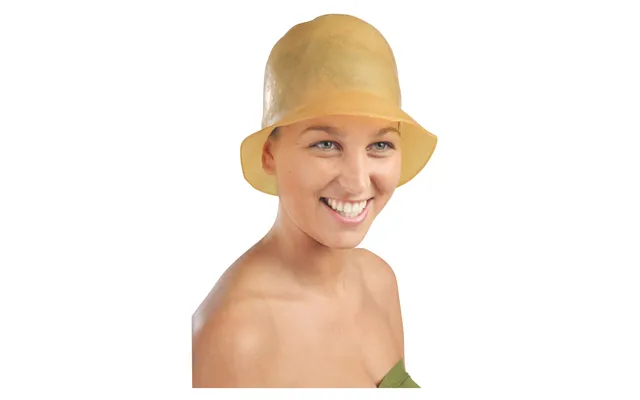
Heat isn’t always necessary, but when used correctly, it can speed up processing and help stubborn tones move. A disposable processing cap traps natural heat for more even development, and a heated cap can add gentle warmth—just make sure your product instructions support it. And always keep a timer handy. Even pros set timers because a few extra minutes can tip color from “just right” into “overdone.”
Use heat sparingly with oxidative color and follow manufacturer guidelines. For lightener, many stylists skip added heat to reduce the risk of uneven lift or damage. If you do add warmth, think low and slow. Keep checking every 5 to 10 minutes, and remove heat at the first sign of overprocessing. When in doubt, no heat is safer than too much.
Bleach demands extra care. Metal bowls or tools can interact poorly with lightener, so stick to plastic or silicone. Choose brushes with bleach-friendly bristles that won’t get gummy. For fashion shades, consider separate bowls and brushes just for vivid colors—those pigments can be stubborn, and keeping tools dedicated prevents accidental staining on your next neutral application.
When working with bleach, metal is a no-go. That includes bowls, whisks, clips, and even some tail combs touching product. A simple rule: if it could react, swap it for plastic, silicone, or coated alternatives. Your formula stays stable, and your lift stays predictable.
Your hair’s density, texture, and length strongly influence which accessories will make application smoother. Thick, coarse hair needs sturdier clips and larger brushes. Fine hair benefits from softer bristles and smaller foils that won’t slide. For shoulder-length or longer hair, a wider foil and a bigger bowl prevent constant refills and re-foils.
Fine hair: Use lighter tension and narrower foils (around 4 in). Pick feathered brushes to avoid harsh lines. Medium hair: 4 in to 5 in foils and a mix of brush types will cover most needs. Thick or coarse hair: Grab 5 in foils and firmer bristles for consistent saturation. Strong-grip clips are a must so sections don’t loosen while you work.
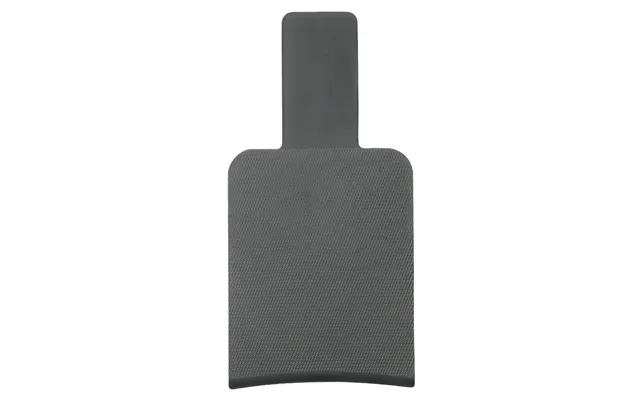
Short hair (around 4 in to 6 in): Choose 10 in foils and a 1 in brush for tight control. Medium lengths (8 in to 12 in): 12 in foils, plus a 1.5 in brush for speed. Long hair (past 14 in): 12 in to 14 in foils and a 2 in brush for efficient coverage. A balayage board in the 4 in by 10 in range helps support long surface paints without sagging.
Not every accessory needs a premium price tag. Spend where precision, durability, and comfort affect your results; save on disposables or items you’ll replace frequently. A balanced kit can feel pro without overspending, especially if you compare offers across multiple retailers and deal listings.
Invest in ergonomic brushes with quality bristles, non-slip bowls with clear ounce markings, strong sectioning clips, and reliable foils with good grip. A sturdy cape and comfortable nitrile gloves are worth it too—if your hands are happy, your application will be steadier.
Processing caps, ear protectors, stain wipes, and cotton or gauze can be budget-friendly. Applicator bottles don’t need to be pricey—just make sure they have accurate markings and a well-shaped tip. Foil rolls can be economical if you don’t mind cutting your own lengths.
With so many listings and “limited-time” banners, it’s easy to overpay. Comparison platforms, including sites like ZoneOffer, can help you view multiple offers side by side so you can weigh features, ratings, and total cost. Always check ounce sizes, brush widths, foil dimensions, and material details—cheap tools that underperform end up costing more in the long run.
Scan for clear measurements (inches and ounces), heat resistance, material type (plastic, silicone, nitrile), and compatibility notes for bleach or oxidative color. Sift through real-world reviews for clues on bristle softness, foil slip, and clip strength. A strong pattern of positive feedback across different hair types is a good signal you’re buying the right thing.
Clean tools give cleaner color. Residue can muddy your next formula or cause unexpected tones. Make it a habit to wash and dry tools right after use. Store foils flat and keep brushes bristle-side up to preserve shape. A little routine care extends the life of your kit and keeps your color consistent week after week.
Rinse bowls and brushes under lukewarm water until the water runs clear. Use a gentle cleanser to break down residue, and avoid harsh abrasives that scratch plastic. For stubborn stains (hello, hot pink), soak briefly in a mild solution before rinsing. Stand brushes upright to dry so bristles keep their shape.
Keep pre-cut foils in a covered box to prevent bending. If you use a roll, store it in a dispenser to reduce tears. Wipe down clips after each session; color build-up reduces grip. Tail combs should live in a case or a drawer divider so you don’t bend the tail tip by accident.
Great tools shine when paired with dialed-in technique. Think clean sections, steady tension, and consistent saturation from roots to ends. Work methodically, front to back or back to front, and keep a towel on standby for quick hand wipes. A measured pace beats rushing—and your results will prove it.
Load your brush evenly, then press product into the hair rather than just skimming the surface. Keep gentle tension with your non-dominant hand to lay strands flat on the brush or board. Use your tail comb to re-part if hair starts to wander. Each section should be thin enough that color shows through; if not, you’re layering too thick.
Don’t overfill foils, and fold with purpose—tight but not squeezed. For root work with high-lift formulas, back off the scalp by a hair’s breadth to prevent hot roots, then blur gently at the end of processing if needed. Wipe your gloves between shades to avoid sneaky transfers, especially around face-framing pieces.
Stuff happens. If you spot banding, patchiness, or uneven lift, your accessories can help you fix it fast. Think smaller sections, finer brush strokes, and steadier control. Keep your timer close and check often—most color mishaps are timing or saturation issues in disguise.
Banding? Switch to thinner sections and a 1 in brush to target the dark band first. Patchy coverage? Use firmer bristles and slightly more product to push through dense hair. Uneven lift? Stick with consistent foil tension and recheck every 5 to 10 minutes. If some strands race ahead, open the foil and wipe down early while slower strands continue to process.
Barrier cream is your first defense. If stains happen, tackle them immediately with stain-remover wipes. For surfaces, use color-safe cleaners and avoid scrubbing with abrasives that could leave marks. Next time, lay down a protective mat and keep a dedicated towel within arm’s reach.
Shoppers in the UK gravitate toward ergonomic brush sets, non-slip bowls with ounce markings, embossed foils in 4 in to 5 in widths, soft-grip sectioning clips, and disposable processing caps. Balayage boards around 4 in by 10 in are trending for lived-in color, and applicator bottles with angled tips remain a root-retouch staple. Kits that bundle brushes, bowls, and clips offer solid value—just double-check measurements and materials to ensure they match your techniques.
A balanced bundle includes at least two brush widths (1 in and 1.5 in), a bowl with ounce markings, an applicator bottle, sturdy clips, and a tail comb. If foils are included, check width (4 in to 5 in) and length (10 in to 14 in). Look for bleach-safe, metal-free items and heat resistance where relevant. A good kit stands on its own, and you can always add specialty items—like a balayage board or ear protectors—as you refine your routine.
When you zoom out, hair color success is a simple equation: good formula plus the right accessories equals consistent, gorgeous results. Whether you’re comparing popular offers for brushes and foils or building your first starter kit, prioritize control, precision, and comfort. Pick brush sizes that match your sections, bowls that stay put, foils that grip, and clips that hold. Maintain your tools, time your process, and let the gear do half the heavy lifting. Your color will look cleaner, last longer, and—best of all—feel like it came straight from a pro chair.

| £ 13,58 |