
Hair Shears price list
Last updated Monday, Sep 14, 2026




View 15 Offers
Loading...
Last updated Monday, Sep 14, 2026
Hunting for the best hair shears in the UK but not sure where to start? You’re not alone. Whether you cut hair at home or behind the chair, the right pair of shears is the difference between silky, precise lines and snags that make clients cringe. The good news: you don’t have to overspend to get pro-quality. With smart comparison and some insider know-how, you can find durable, sharp shears—often the same styles pros love—at prices that make sense for your budget. In this guide, you’ll learn exactly what to look for, how to compare offers, which sizes and edges suit your style, and how to keep your investment running like new for years.
Great hair shears don’t just cut; they glide. They protect your client’s hair from split ends, save your wrists from fatigue, and give you accuracy you can trust. Using kitchen scissors or dull bargain blades? That’s like drawing with a crayon when you needed a fine pen. High-quality hair shears have balanced weight, premium steel, and precise edges designed for hair. And when you match the tool to your technique—blunt cutting, point cutting, slide cutting—the results speak for themselves. Better yet, well-made shears hold their edge longer and require fewer sharpenings, so you get value over time.
If you’re deal-hunting, comparison platforms in the UK are your best friend. Instead of bouncing between dozens of retailers, use a comparison site like ZoneOffer to scan current prices, spot markdowns, and weigh specs side by side. You’ll often see standout offers on classic 5.5 in and 6 in cutting shears, thinning shears with 30–40 teeth for blending, and barber-length 6.5 in to 7 in models favored for shear-over-comb. Want to level up? Keep an eye on limited-time discounts on Japanese steel convex shears—the ones prized for buttery smooth cutting. The trick is to compare steel, edge type, handle ergonomics, and warranty next to the price. A flashy discount means little if the steel or build won’t last.
Not all hair shears do the same job. Picking the right type is like choosing the right knife in a chef’s kitchen—use the right blade, and everything gets easier.
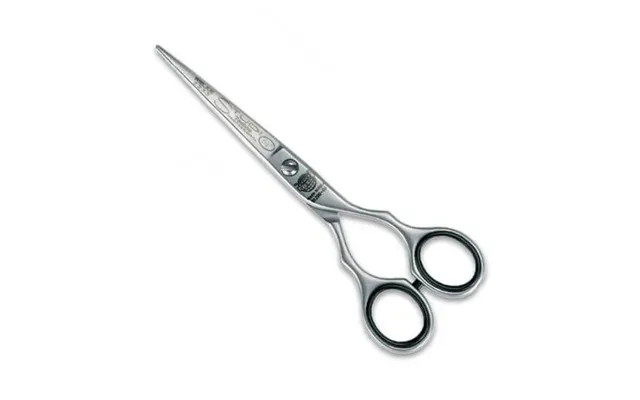
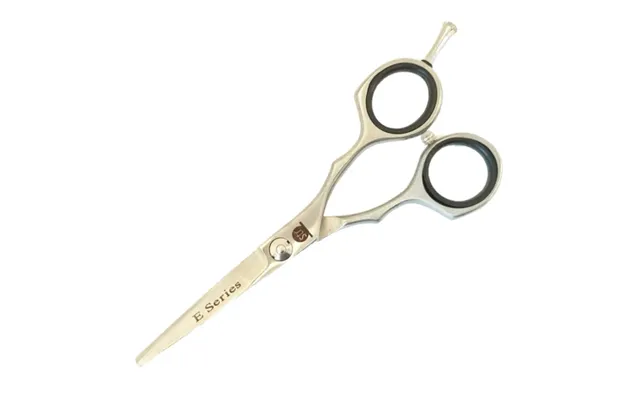
These are your everyday heroes for blunt lines, point cutting, and detail work. Most stylists and barbers keep a 5.5 in or 6 in pair on hand because they balance control and versatility. A slightly longer 6.5 in can be handy for scissor-over-comb and quick perimeter work. Look for a smooth convex edge if you love ultra-clean, snag-free cuts, especially on dry hair.
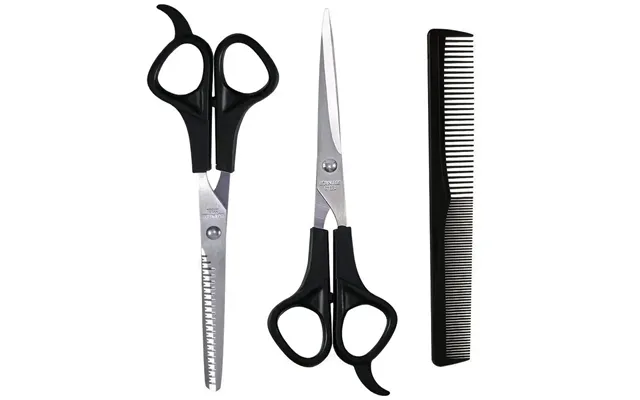
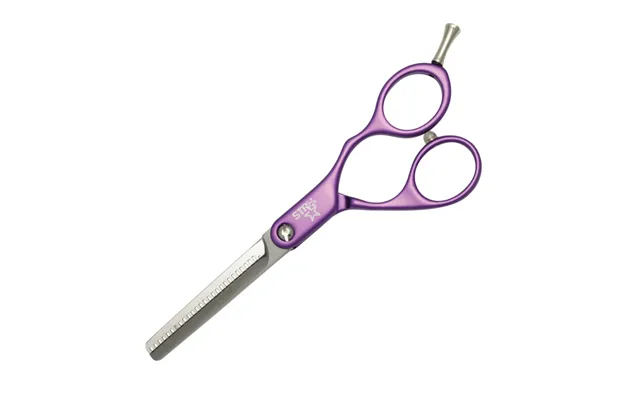
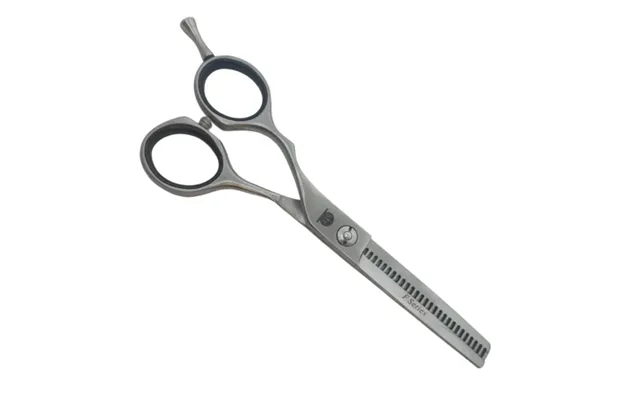
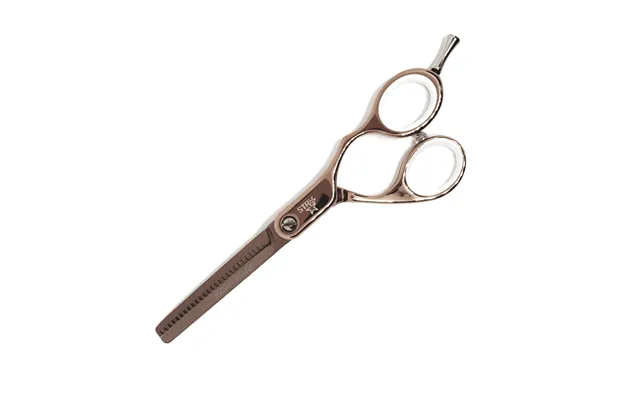
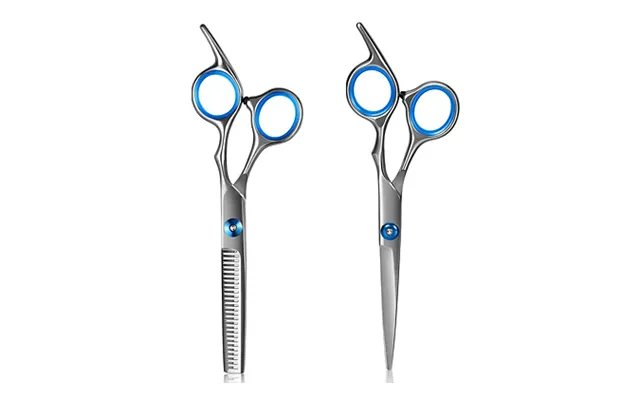
Thinning shears have a straight blade on one side and teeth on the other to remove bulk and soften lines. For general blending, 30–40 teeth is a sweet spot—subtle, controlled, and forgiving. If you’re refining short cuts or blending extensions, a mid-to-high tooth count helps keep things seamless. Use sparingly around the perimeter and on fine hair to avoid wispy ends.
Texturizers typically have fewer, wider-spaced teeth (think 10–20 range), taking out more hair with each close. They’re great for removing weight in thick hair, creating movement, or quickly breaking up boxy shapes. Chunkers sit on the heavier removal end; they’re bold and best in experienced hands or used lightly for controlled debulking.
Some shears and razor tools are designed for slide cutting and feathering, giving a soft, airy finish. They require a very sharp convex edge or a quality guarded razor. Use them on healthy hair and go slow—too much slide on dry, fragile strands can invite breakage.
The edge determines how your shears feel on the hair and how forgiving they are. Choose based on your technique and maintenance habits.
The gold standard for silky-smooth cutting. Convex edges slice cleanly, making them ideal for precision lines, dry cutting, and advanced techniques. They’re sharper and quieter but can be more delicate, so they benefit from gentle handling and pro sharpening when needed.
Beveled edges are slightly more robust and can offer better bite on wet hair and basic blunt work. They’re generally easier to maintain and can be a smart pick for beginners or busy salons that need durability. They may feel a touch less “glassy” than convex.
Sword-style blades add rigidity and power, useful for thicker sections. Micro-serrated blades “hold” hair to prevent pushing, which is helpful for blunt cutting on straight, slippery hair. Just remember: micro-serration is not ideal for slide cutting because it can snag.
Steel quality influences sharpness, edge retention, and resilience. If you want shears that last, learn the basics of steel and build quality.
Japanese steels (such as high-grade stainless in premium lines) are known for fine, razor-ready convex edges—think silky and precise. German steels often shine with durability and are frequently paired with beveled edges for robust, everyday cutting. Both can be excellent; it’s about matching steel and edge to your technique.
Well-treated steel holds an edge longer. You’ll see references to advanced heat treatment, layered steels, or coatings designed to reduce friction and corrosion. While technical specs vary, the bottom line is simple: reputable blades stay sharper longer and feel smoother through hair. If you notice drag or tiny bites after a short time, the steel or treatment likely isn’t up to par.
A stable, adjustable tension system is non-negotiable. Click-dial screws make quick adjustments easy without tools. Traditional flat screws are sleek and low-profile but may need a key. Either way, proper tension prevents folding hair and premature wear. Too loose? You’ll push hair. Too tight? You’ll strain your hand and dull the edge faster.
Your hand tells the truth. If a pair hurts after an hour, it’s not the right fit. Ergonomics can be the difference between all-day comfort and wrist pain.
Offset handles place the thumb ring forward for a more natural grip, reducing thumb extension. Crane handles take it further, lowering the elbow position during cutting. If you value comfort and want to minimize strain, offset or crane styles are worth prioritizing over traditional straight handles.
Swivel-thumb shears allow the thumb to move naturally in multiple directions. They look unusual at first, but many stylists swear by them for minimizing stress during point cutting and layering. If you’ve battled wrist or thumb discomfort, a swivel can feel like a revelation.
Left-handed stylists should choose true left-handed shears, not flipped righties. The blade orientation and ergonomics matter for safety, control, and proper cutting action. Left-handed options exist across all sizes, edges, and budgets—don’t compromise here.
Size affects control and efficiency. For precision work, 5.0 in to 5.5 in shears offer surgical control around fringes and face-framing lines. For all-around salon use, 5.5 in to 6 in is the sweet spot—enough blade to move quickly, short enough to be nimble. For barbers or anyone who loves shear-over-comb, 6.5 in to 7 in gives reach and speed without overworking your wrist. If you’re cutting at home and unsure, a balanced 5.5 in or 6 in pair is a safe starting point.
Salon-grade shears are built for daily use, repeated sanitation, and precise performance across hair types. They typically feature higher-grade steel, refined edges, and adjustable tension systems. Home-use shears can still be excellent, but cheaper sets may dull faster and feel less smooth. If you plan to cut regularly—even just family haircuts—stepping up to a mid-tier salon-grade pair often pays for itself in control, comfort, and reduced snagging. And with comparison shopping, you can often score professional models at home-friendly prices.
Price ranges vary, but here’s a practical guide to set expectations. Budget under £30: handy for occasional trims, but expect more frequent sharpening and less refined edges. £30–£80: solid entry to mid-tier, often with beveled edges and decent steel; great for home cutters and trainees. £80–£150: the value sweet spot—better steel, smoother action, and more ergonomic handles; many pros buy here. £150–£300: premium materials, convex edges, stronger warranties, and superior finishing; a long-term salon workhorse. £300+: top-tier specialty shears, ultra-refined convex edges, and advanced ergonomics; ideal for stylists who want a particular feel or finish. No matter your budget, compare specs and warranties before buying.
Even the best shears need care. A little routine maintenance keeps your investment cutting like new and extends its lifespan.
Wipe blades between clients or after each use to remove hair and moisture. A soft cloth is perfect. Add a drop of shear oil at the pivot daily or after a few haircuts to reduce friction and protect the pivot. This tiny habit cuts down on wear and keeps your action silky.
Hold your shears by the thumb ring and let the other blade fall. If it drops too fast and slams shut, tension is too loose. If it barely moves, it’s too tight. Aim for a smooth, controlled drop that stops about halfway. Recheck weekly or anytime the action feels off—your hands will thank you.
How often should you sharpen? It depends on use, steel, and technique. Pros cutting all day might sharpen every few months; home users can go much longer. Signs it’s time: folding or pushing hair, tiny catches, or a dull “thud” sound. Always use a specialist who understands salon shears, especially with convex edges. The wrong sharpener can ruin a blade in minutes.
Use a sheath or case, keep them dry, and avoid tossing them into a drawer where edges bang around. Store them closed and locked if they have a safety catch. A simple case and a habit of careful storage prevent accidental nicks that shorten edge life.
Price matters—but specs and build matter more. Use UK comparison platforms like ZoneOffer to line up brands, sizes, steel types, edge styles, and warranties beside current prices. Check user reviews for notes on smoothness, edge longevity, and comfort. Filter by size (5.5 in, 6 in, 6.5 in, 7 in), edge (convex vs beveled), and handle (offset, crane, swivel). Watch for bundles that include thinning shears, cases, and oil—they can deliver real value when the components are quality. If a deal seems too good to be true on a “premium” model, verify authenticity and warranty coverage before buying.
Different cutters, different needs. Here’s how to match your shears to your most common scenarios.
Start with a balanced 5.5 in or 6 in beveled-edge pair. They’re forgiving, durable, and budget-friendly. Add finger inserts for comfort, and practice on clean, dry hair for better control. If you fall in love with cutting, upgrade later to a convex-edged model for a smoother feel.
Choose a 5.0 in to 5.5 in convex pair for maximum control and a glassy finish. Shorter blades shine when you’re working close to the face or refining micro bangs and soft perimeters. Combine with a lightweight comb and take small, clean sections.
Reach for a powerful 6 in to 6.5 in cutting shear with solid rigidity and a supportive handle—offset or crane to keep your elbow low. Pair with a 14–20 tooth texturizer to remove weight strategically without sacrificing shape. Glide, don’t force; the right tool should do the heavy lifting for you.
A 6.5 in to 7 in cutting shear boosts speed and consistency on fades and taper work. Look for tight tolerances and a stable tension system. Some barbers prefer a micro-serrated blade for crisp control on straight hair; others prefer a convex edge for an ultra-clean finish—both can work if the balance feels right in your hand.
Over-thinning the perimeter? That can make ends look stringy—blend inside the shape instead. Using the wrong size? If you’re struggling with control, downsize to a 5.5 in. Cutting on soaking-wet hair with convex edges? You may feel drag—towel dry for better feedback. Skipping oil and then cranking the tension to compensate? That accelerates wear. And the classic slip-up: using household scissors. Don’t do it—those blades crush hair and invite split ends.
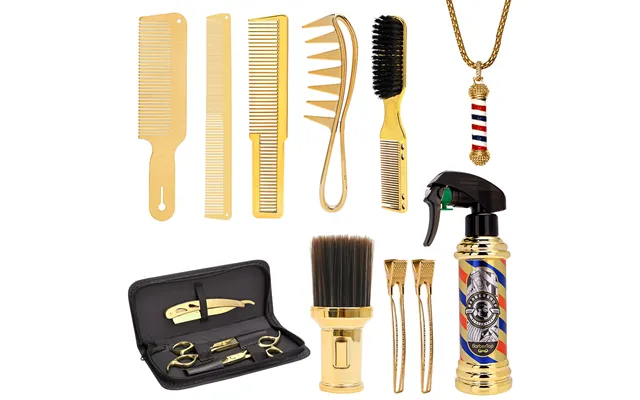
A few small add-ons go a long way. Finger inserts customize the fit and reduce hand fatigue. A soft case protects your edges on the go. A couple of drops of shear oil keep your action smooth for pennies. If you do mobile work, a compact mat or magnetic strip keeps your tools organized and safe. Little upgrades equal big gains in comfort and longevity.
Buying better and maintaining well is sustainable by design. A quality pair that lasts years beats replacing a cheap pair every few months. Repairable tension systems, sharpenable convex edges, and reputable steels all contribute to a longer tool life. When comparing deals, a slightly higher price for better steel and a real warranty often reduces total cost of ownership—good for your wallet and the planet.
Run a quick checklist: Does the action feel smooth and silent? Is there consistent resistance across the stroke, without sticking points? Are the blades aligned—no visible gaps when closed? Does the handle position your thumb comfortably without overreaching? Are the finishing and edges clean with no burrs? If you can’t handle them in person, look for detailed product photos, independent reviews that mention smoothness and balance, and a warranty that a reputable seller will honour.
Thinking about moving up the ladder? Consider an upgrade if you’re sharpening more often than you’d like, feeling drag on dry cuts, or fighting wrist fatigue after long sessions. Stepping from a beveled entry model to a convex mid-tier pair can feel like switching from a hatchback to a sports coupe—same road, totally different ride. If you’ve already got a solid cutter, your next purchase might be a matching texturizer to refine finishes and reduce bulk with surgical control.
The best hair shears are the ones that fit your hand, match your technique, and deliver clean results without a fight. In the UK, competitive offers make it easier than ever to pick up pro-quality tools—especially when you use a comparison site like ZoneOffer to line up specs, warranties, and prices in one place. Focus on size, edge type, ergonomics, and steel; add routine care; and your shears will reward you with crisp lines, soft blends, and happy clients (or family members) every time. Ready to upgrade your cut? Compare smart, buy once, maintain well, and enjoy that effortless glide.