All categories
Business & Offices
Electronics & Media
Fashion & Accessories
Groceries & Essentials
Health & Personal Care
Home & Living
Kids & Family
Sports & Outdoors
Search in ZoneOffer

Loading...
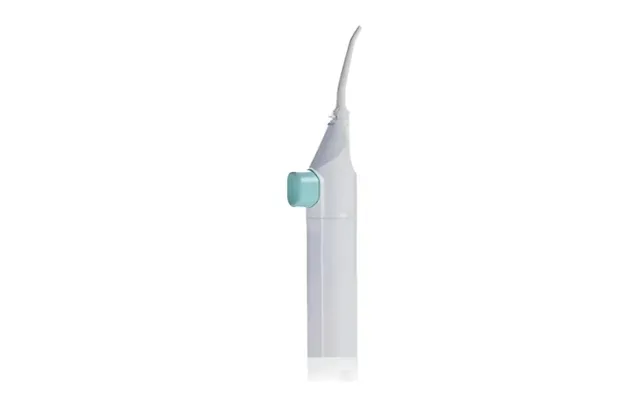
If you’ve ever wished flossing felt easier, faster, and cleaner, a dental water jet might be your new best friend. Also called a water flosser or oral irrigator, this device shoots a thin stream of pulsating water to sweep out debris, plaque, and gunk from between your teeth and along the gumline. Think of it as a tiny pressure washer for your mouth—gentle enough for gums yet powerful enough to get into spots string floss keeps missing. If you have braces, implants, crowns, or tight contacts, a water jet can feel like a game-changer. And here’s the kicker: it only takes about a minute a day to use.
Let’s be honest—most of us don’t love string floss. It snags. It slips. It’s awkward. A dental water jet, on the other hand, turns flossing into a simple, no-fuss ritual. Instead of scraping, you glide a stream of water at controlled pressure along the gumline. You’ll still need to brush, of course, but a water jet helps rinse out the sticky stuff that brushing can leave behind. Many users notice fresher breath, happier gums, and fewer food traps around orthodontic wires and bridges. If you’ve struggled with consistency in your routine, the water jet’s speed and feel-good factor can be the nudge that keeps you on track.
Not all water flossers are created equal. The best one for you depends on your space, lifestyle, and smile goals. Whether you’re outfitting a family bathroom or packing for a weekend away, there’s a device that fits like a glove.
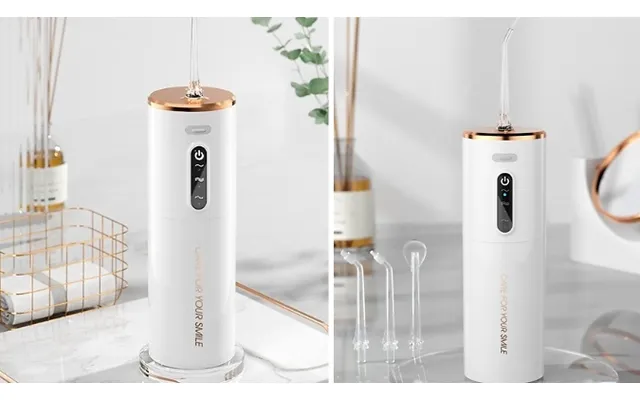
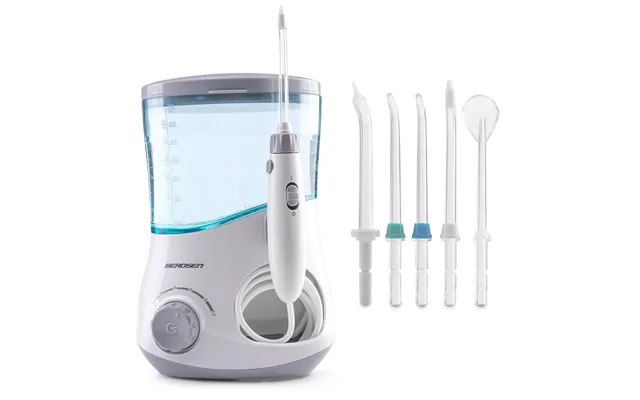
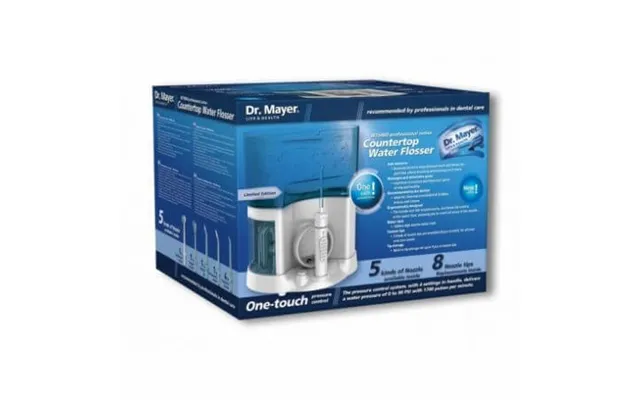
Countertop models plug into a wall socket and sit by your sink, offering plenty of power and the widest range of pressure settings. With larger reservoirs—often around 20 to 30 oz—they can run longer without refills. If you share with a partner or want multiple tips for different needs, countertop units are a safe bet. They’re usually quieter than you might expect and include handy dials so you can fine-tune pressure from whisper-soft to thoroughly deep-clean.
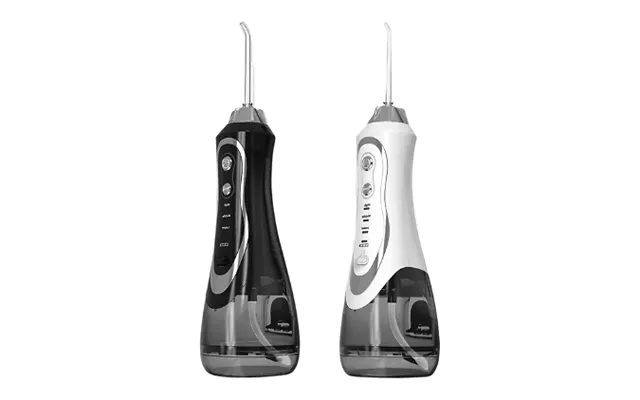
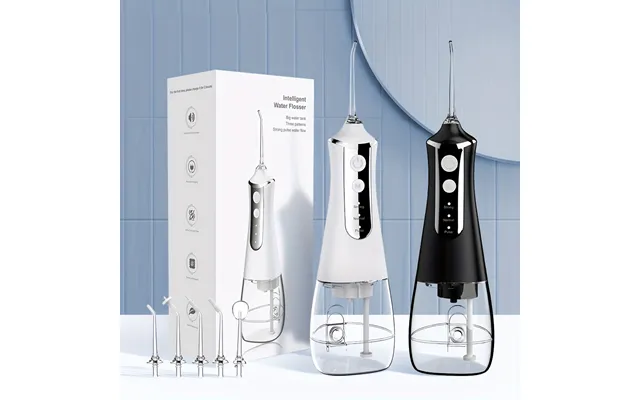
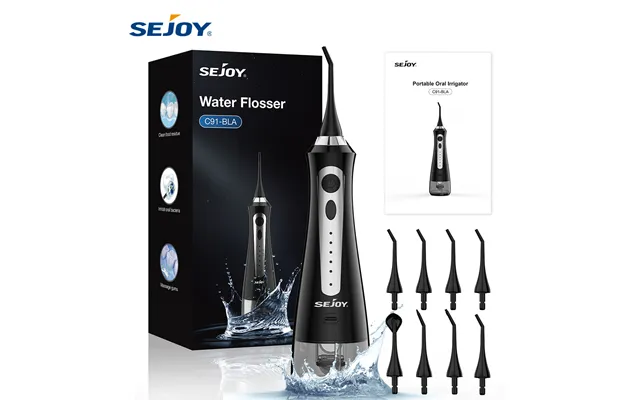
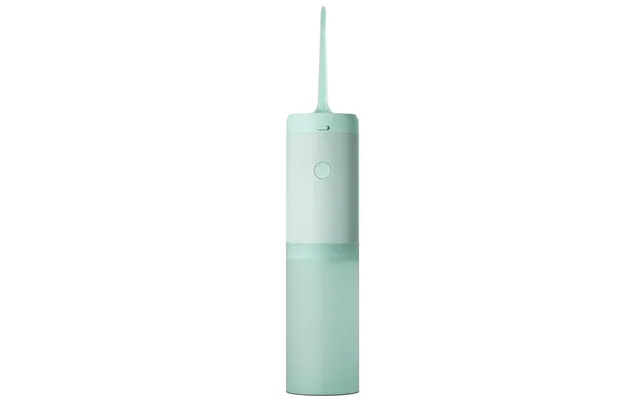
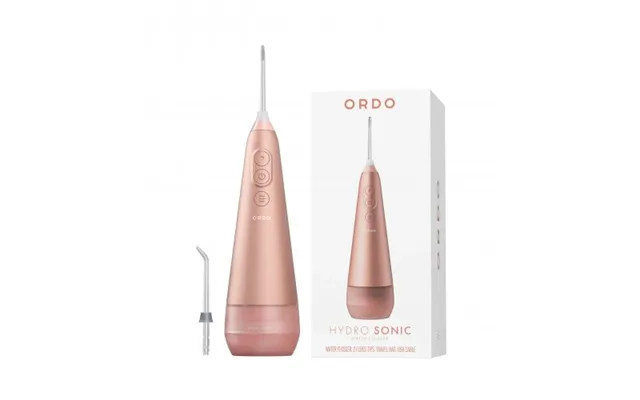
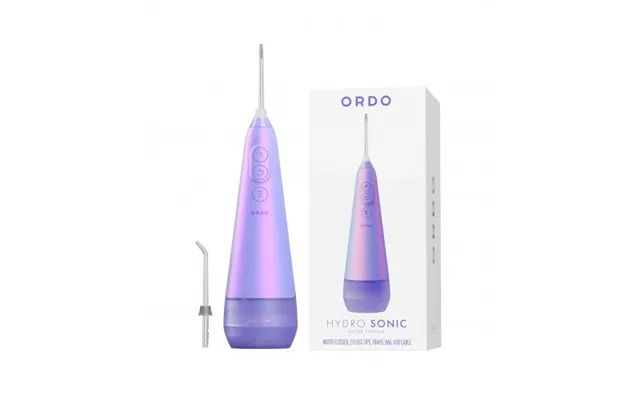
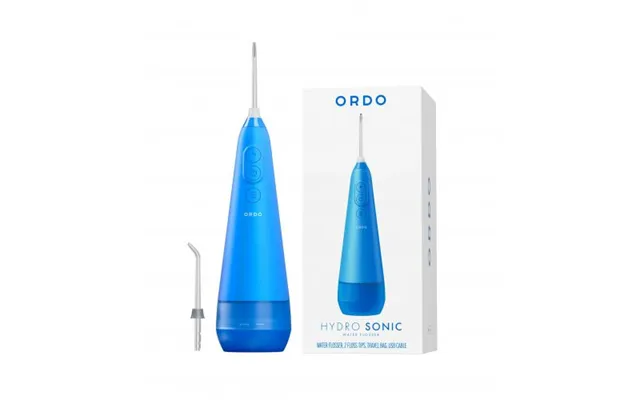
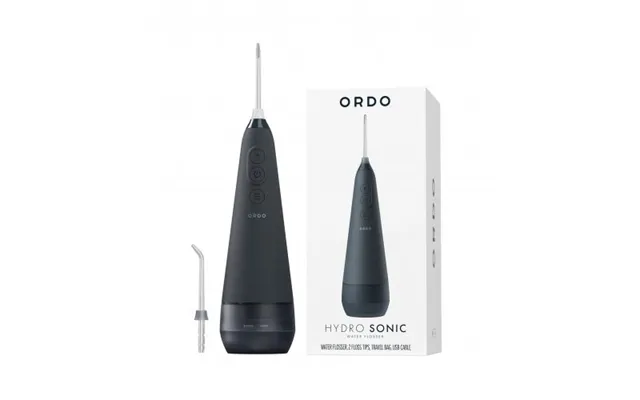
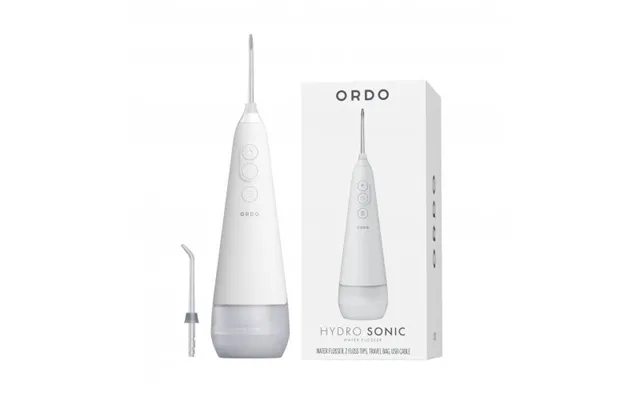
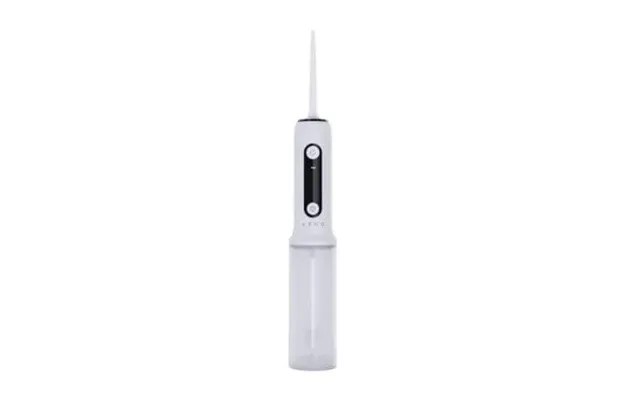
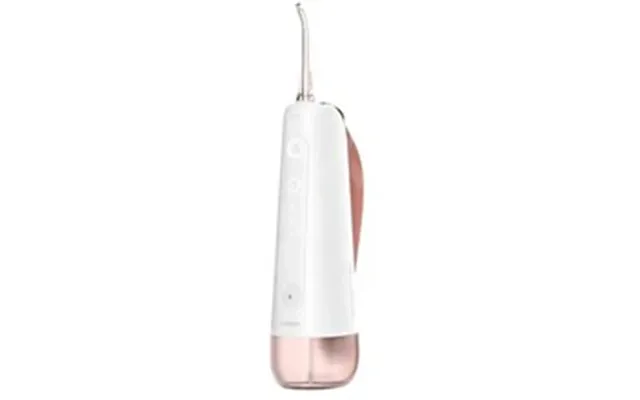
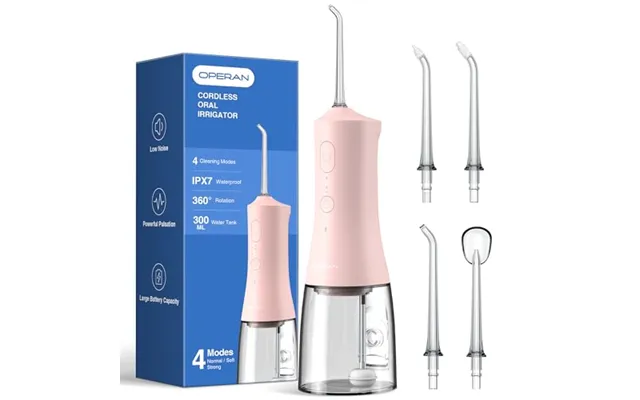
Cordless water jets are your daily drivers if you prefer a clean, uncluttered sink or move between bathrooms. They’re battery-powered, rechargeable, and easy to hold in one hand. While they tend to have smaller tanks—think 5 to 10 oz—they’re ideal for quick refreshes and post-meal rinses. Many people love them for their grab-and-go convenience and sealed designs that are comfortable to use in the shower.
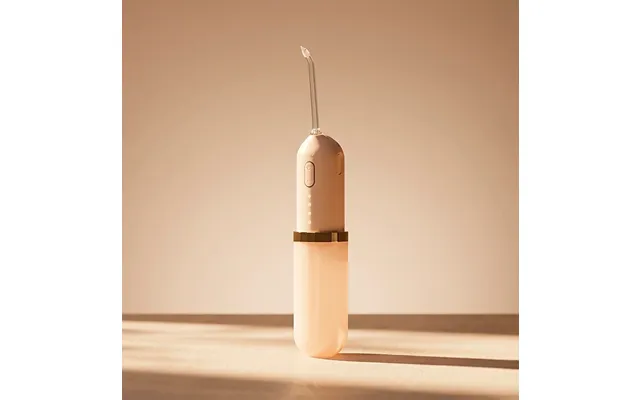
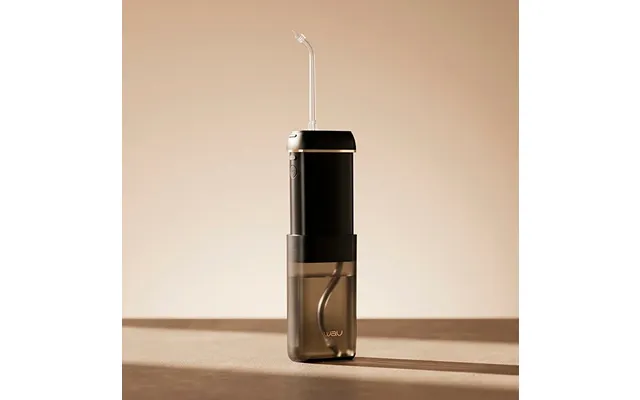
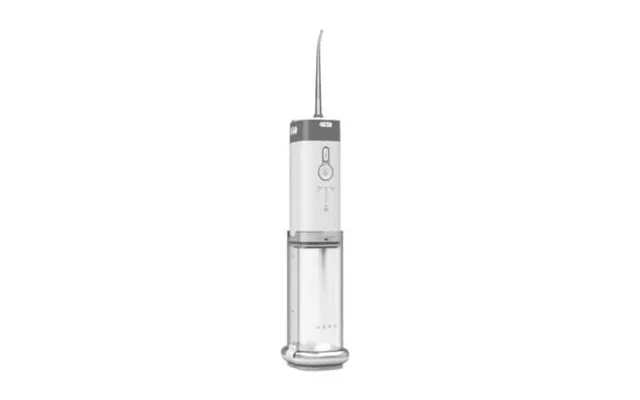
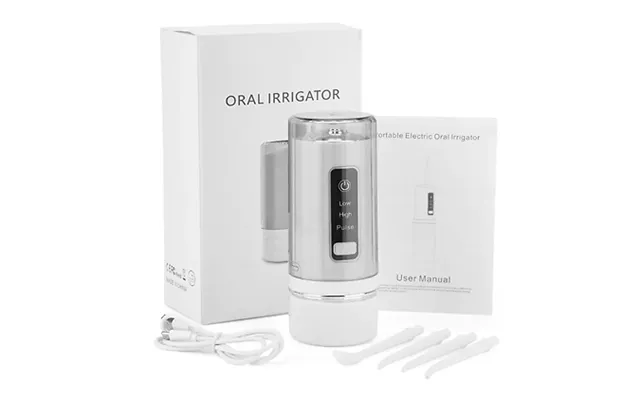
Jetting on the road? Travel models fold into compact shapes, use small removable reservoirs, and often charge via USB. They’re not as powerful as a full-size countertop, but they keep your gums happy between trips and save you from relying on awkward hotel floss. If you fly often or like to pack light, these are worth a look.
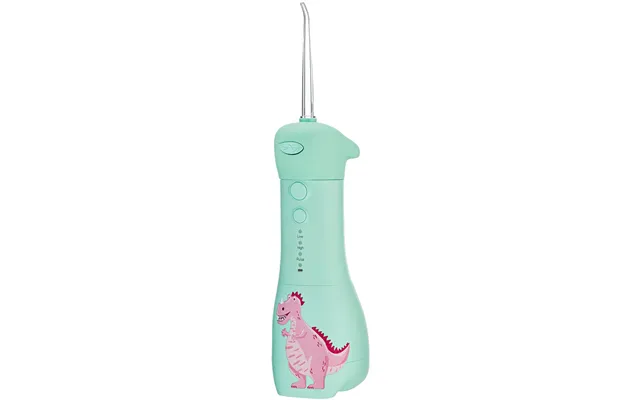
For little mouths and growing smiles, some brands offer kid-friendly jets with softer default pressure, bright colors, and easy-grip designs. They make the clean-up process more fun, which, let’s be real, can be half the battle. If your child wears braces, a gentle jet can help them reach those tricky spots around brackets without a fuss.
If counter space is at a premium, a combo system that pairs an electric toothbrush with a water jet base keeps everything neat. You’ll get coordinated charging and storage with a single footprint. It’s a tidy solution for couples or anyone who wants a one-stop station for daily oral care.
Specs can look flashy, but what really affects your daily experience? Focus on pressure control, reservoir size, tip options, and battery life. These details determine whether you’ll love the device enough to use it every day—that’s where the real oral health wins happen.
Pressure is the heart of a dental water jet. Many countertop units run from gentle lows suitable for sensitive gums up to high settings that feel like a thorough power-wash. A common range can span from around 10 PSI at the low end to near 100 PSI at the highest on some models. Cordless units often sit in the moderate range, which is plenty for most users. Look for multiple modes—standard clean, pulse, and sometimes a massage or gum-care setting—so you can adapt to how your mouth feels day to day.
Refills aren’t a big deal, but bigger tanks are simply more convenient. Countertop reservoirs around 20 to 30 oz can power a full minute or more at higher settings. Cordless tanks around 5 to 10 oz usually cover one session, though you might top up for longer routines. If you know you’ll use a jet just before bed, a larger tank can make the habit easier to stick with.
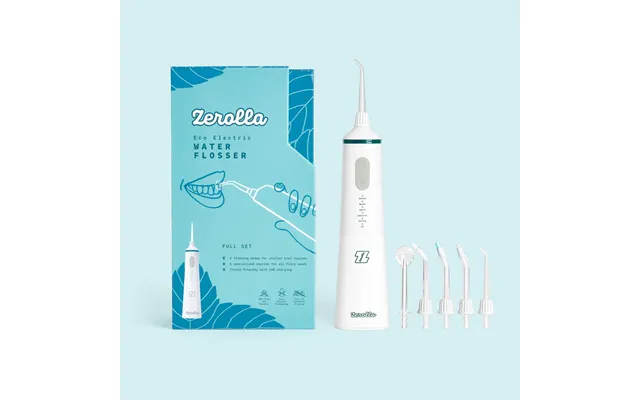
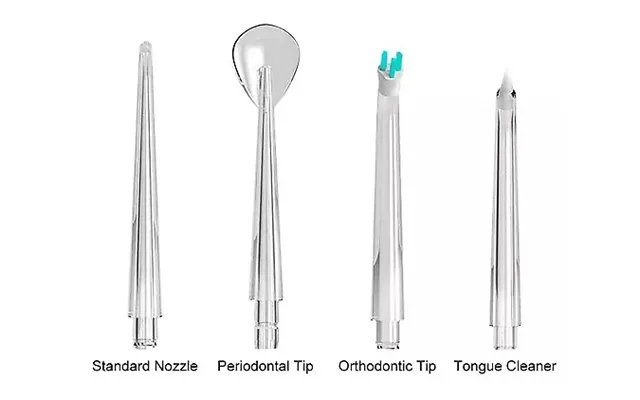
Tips are the secret sauce. Standard tips do the heavy lifting, but specialized options can make a huge difference. Orthodontic tips slide around brackets and wires more smoothly. Plaque-seeking tips offer targeted cleaning along the gumline. Some brands include a tongue cleaner attachment to help with breath freshness. If you have implants, crowns, or bridges, check for tips made specifically for gentle precision cleaning around dental work.
For cordless devices, battery matters. A good unit offers enough juice for a week or more of daily use on a single charge. Instead of focusing on battery capacity numbers, look for stated run-time estimates. USB charging is handy for travel; a desktop dock looks cleaner if you prefer a permanent spot on the sink. Quick-charge features are a bonus for forgetful moments.
Countertop models vary in size, so measure your space. Even a compact base can need about 6 to 8 inches of platform. Noise levels vary too; most units hum quietly, but if you’re sensitive, look for mentions of quiet operation in product descriptions and user reviews. Cordless models tend to be whisper-soft, especially under running water.
Cordless jets that promise shower-safe use should feel solid and sealed. Buttons should have a firm click, and reservoirs should lock without drips. A sturdy build isn’t just about looks—it keeps the device leak-free and dependable for the long haul.
When you’re browsing deals across multiple retailers and comparison platforms, a few brands tend to stand out for reliability, features, and value. The best choice depends on how you’ll use it and what you’re willing to spend, but here’s how the landscape typically looks.
Waterpik is often the name people think of first, and with good reason. Many of their countertop models offer broad pressure ranges with precise dials, roomy reservoirs around the 20 to 30 oz mark, and an array of tips for braces, implants, and everyday use. If you want a clean, powerful, set-and-forget station that the whole household can use, a Waterpik countertop unit is a strong baseline for comparison.
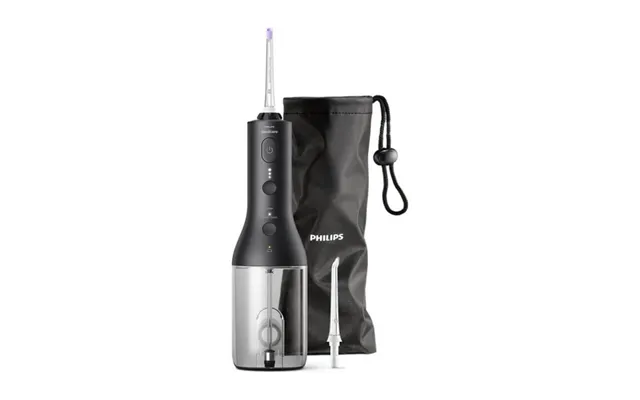
Philips has cordless models that blend sleek design with smart modes and intuitive controls. They’re often praised for being comfortable to hold, easy to clean, and straightforward for daily routines. If you already use a Sonicare toothbrush, you may appreciate the familiar feel and design language. Expect versatile yet user-friendly pressure options suited to sensitive gums and daily deep cleaning.
Panasonic’s compact water jets typically emphasize portability and ergonomic grips. They shine if you want a minimal footprint without sacrificing meaningful cleaning power. Models known for collapsible or compact reservoirs make them particularly appealing for small bathrooms or frequent travelers who still want a robust stream.
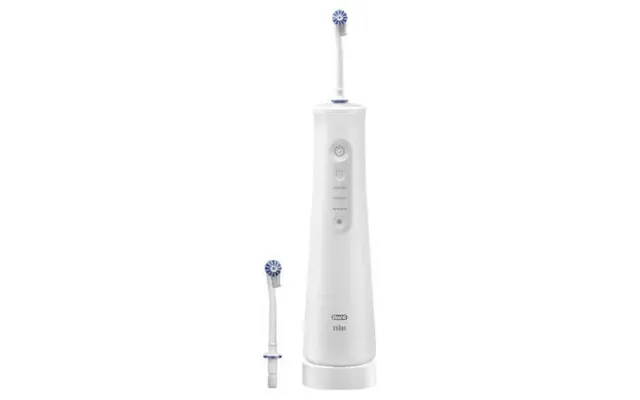
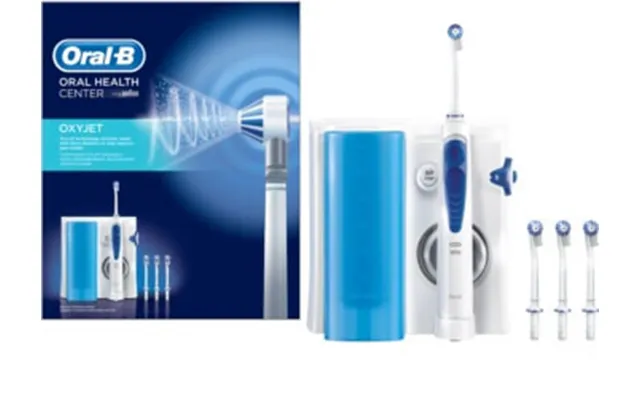
Oral-B’s irrigators often focus on gentler streams and specialized aerated or pulsing flows designed to be kind to gums. If your dentist has flagged sensitivity or mild inflammation, a gentler profile can be reassuring. Pairing an Oral-B electric toothbrush with an irrigator can create a straightforward, effective routine.
Great water flossers don’t have to cost the earth. You’ll find wallet-friendly cordless units that deliver surprisingly robust performance with basic pressure modes, standard tips, and a 5 to 8 oz tank. They may skip premium extras like travel cases or advanced displays, but they nail the essentials. When comparing prices, weigh a 1-year warranty, ease of finding replacement tips, and real-world reviews just as heavily as the sticker price.
New to water flossing? No worries. The learning curve is basically a gentle slope. With a few simple steps, you’ll be cruising through your routine in about a minute a day—and wondering why you didn’t start sooner.
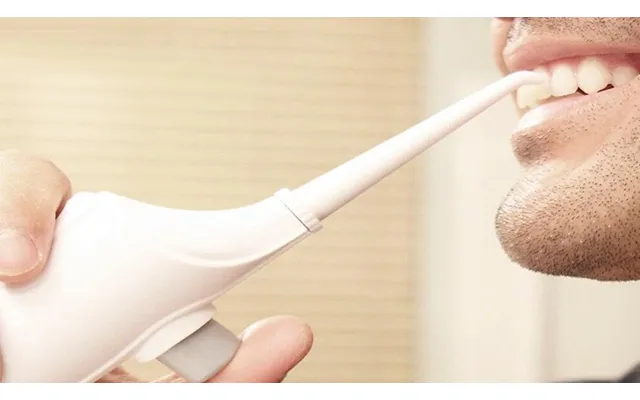
Fill the reservoir with lukewarm water—it’s more comfortable on gums than cold water. If you’re using a countertop model, pop on your preferred tip, set the pressure to the lowest setting, and switch on while leaning over the sink. For cordless units, attach the tip, fill the tank to the indicated mark, and choose a gentle mode to start. Keep your lips slightly closed to avoid splashing and let the water spill effortlessly into the basin.
Start at the back molars and trace along the gumline, pausing briefly between each tooth. Aim the tip at a slight angle toward the gumline—think 45 degrees—so the stream sweeps under the margin without blasting straight onto tissue. Don’t rush; a steady pace for about 60 seconds usually does the trick. You can dial up the pressure as your gums adapt after a few days.
If you have braces, use an orthodontic tip to navigate along brackets and wires. For implants or crowns, keep the stream gentle and precise, focusing on the gumline. The goal isn’t brute force; it’s controlled flow that dislodges trapped particles. If you’re unsure, ask your dental professional to demo the angle during your next check-up.
Rinse and air-dry the reservoir after each session. Once a week, run a tank with a mild mix of water and a splash of white vinegar through the unit, then follow with a tank of clean water to flush. Wipe the handle and base periodically, and swap out tips every few months or sooner if the bristles or nozzle openings show wear.
Choosing a water jet becomes simple when you frame it around your habits and space. Ask yourself where you’ll use it, how sensitive your gums are, and whether you’ll need extra tips for family members. Then narrow the field using a few practical scenarios.
If counter space is tight, a slim countertop model or a cordless jet with a stand might be ideal. Look for compact bases under about 8 inches across and tidy tip storage. A combo brush-and-jet station can also save space while keeping your gear organized.
Start with a device that includes multiple gentle settings and a smooth pressure ramp-up. Begin on low and increase day by day as your gums acclimate. If your gums tend to bleed during flossing, the water jet’s gentler action may feel more comfortable and help you build confidence and consistency.
Prioritize models with orthodontic tips and targeted gumline nozzles. A mid-to-high pressure range is useful, but remember that technique matters more than power. The right angle and slow passes work better than maxing out the dial.
Cordless is king here. Choose a lightweight unit with a 5 to 8 oz tank, USB charging, and a travel case if you can get it. A tapered tip cap helps keep things clean in your bag. If you jet between meetings or gym sessions, quick-fill design and a waterproof seal make life easier.
Prices for dental water jets in the UK vary widely depending on features, brand, and bundle contents. Budget cordless models often sit in the entry range, mid-tier options add more modes and higher build quality, and premium countertop systems include larger reservoirs, finer pressure control, and extra tips. Because deals change frequently, using a price comparison platform helps you see where the real value lies across multiple retailers at a glance. You can filter by features that matter most to you—pressure range, tank size, tip selection—and spot seasonal promotions without hopping between tabs. It’s also a smart way to check long-term costs, like the price and availability of replacement tips.
It’s easy to get great results if you sidestep a few pitfalls. Don’t set the pressure too high on day one; let your gums ease in. Don’t rush your passes; slow and steady beats splash and dash. Don’t skip cleaning the reservoir; a quick weekly flush keeps your jet fresh and reliable. And don’t forget to replace tips periodically—worn nozzles won’t perform at their best.
Here’s the bottom line: a dental water jet makes cleaning between teeth easier, faster, and more comfortable. When a tool feels good to use, you’ll actually use it, and consistency is what helps your smile look and feel better. Whether you choose a powerhouse countertop unit with a 30 oz tank and broad PSI range or a sleek cordless model you can toss in your gym bag, the right fit turns a chore into a ritual you won’t want to skip.
If you’re serious about upgrading your oral care, a dental water jet belongs on your sink. Start by choosing the type that suits your space and lifestyle, then zero in on pressure range, reservoir size, and the tips you’ll actually use. Compare across retailers to find the best deal, look for genuine reviews, and don’t be afraid to start gently and work your way up. In a week or two, you’ll wonder how you ever put up with string floss alone.
Dental water jets offer a practical, comfortable path to cleaner teeth and a fresher mouth. Whether you pick a robust countertop unit with fine-tuned pressure or a nimble cordless jet for everyday convenience, the payoff is a smoother routine and a cleaner gumline. Focus on the features that match your habits—pressure control, tank size in ounces, the right tips—and use comparison tools to score the best value. With just a minute a day, you can turn flossing from a chore into a small, satisfying win that keeps your smile in top shape.
| Dental Water Jets | Price | |
|---|---|---|
| 1 Set 300ml Rechargeable Cordless Water Flosser With 5 Jet Tips,and Detachable Reservoir - Perfect For Whitening Teeth A | £ 21,25 | |
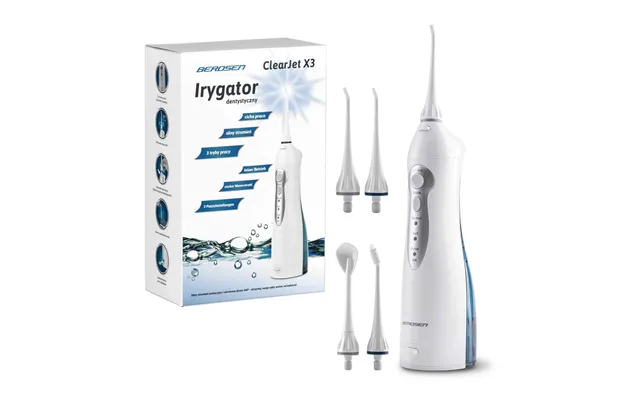
| Berdsen Clearjet X3 - Cordless Dental Irrigator | £ 31,80 | |
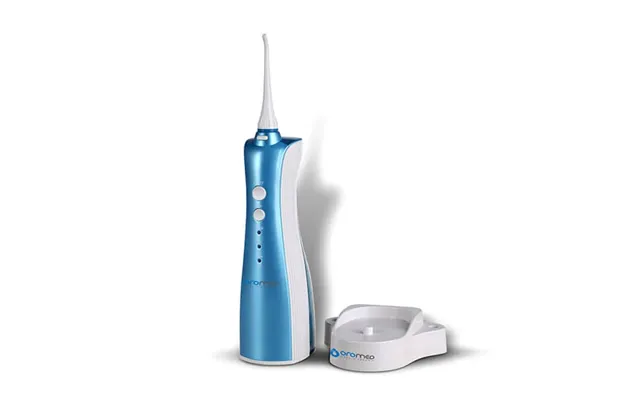
| Oromed Oro-dent - Smart Oral Irrigator | £ 42,90 | |
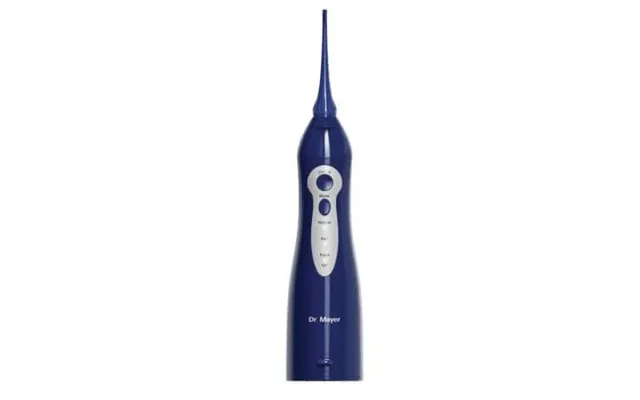
| Oral Shower Countertop Water Flosser Wt5000 - Dr.mayer | £ 48,80 | |
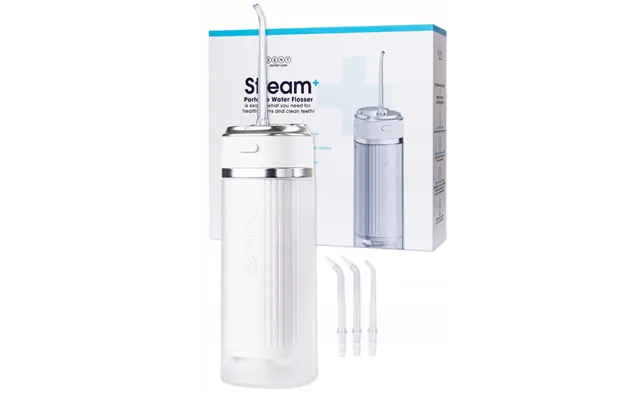
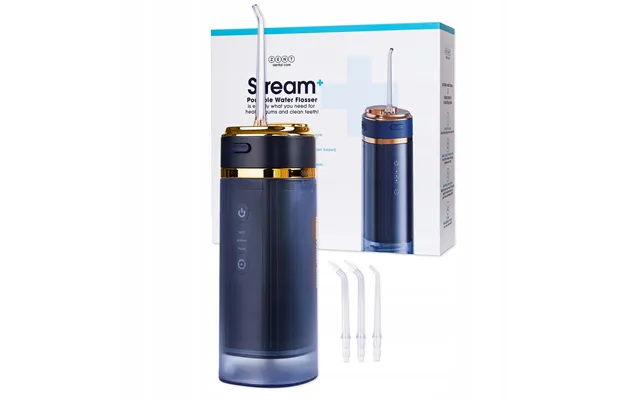
| Zent Stream - Cordless Dental Irrigator | £ 72,80 | |
| Zent Stream - Cordless Dental Irrigator | £ 72,80 | |
| Oxyjet Oral Irrigator - Md20 | £ 102,30 |