

Denture Adhesives price list
Last updated Monday, 19 Oct 2026




View 14 Offers
Loading...
Last updated Monday, 19 Oct 2026
If you wear dentures, you know that a secure, comfortable fit can change your entire day. That’s where denture adhesives come in. The right adhesive helps your dentures stay put through meals, conversations, and smiles—without constant adjusting or worry. Whether you’re choosing cream, powder, or strips, today’s formulas offer a balance of hold, comfort, and ease of cleaning. And with a smart comparison of current offers in the UK, you can match performance with price. Ready to discover what works best, and where to find it at a great value? Let’s dive in.
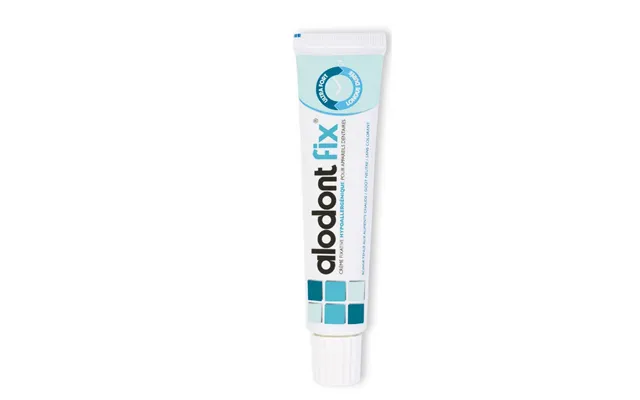
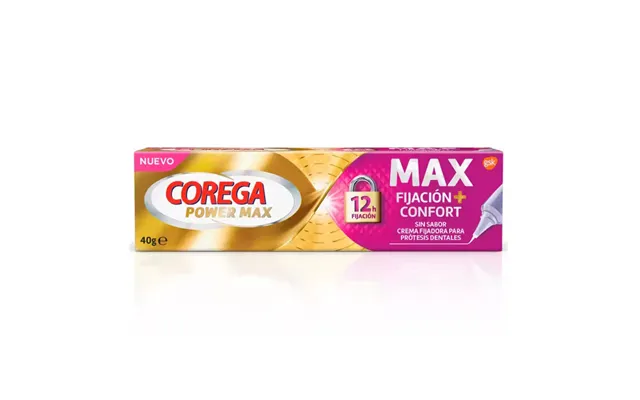
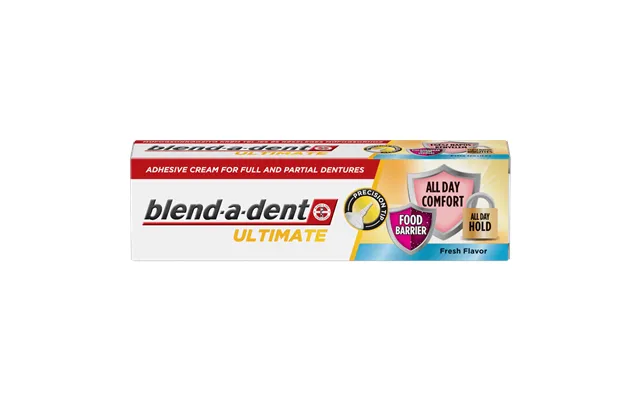
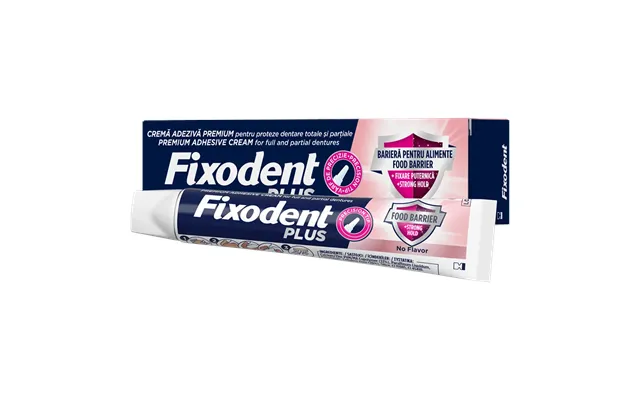
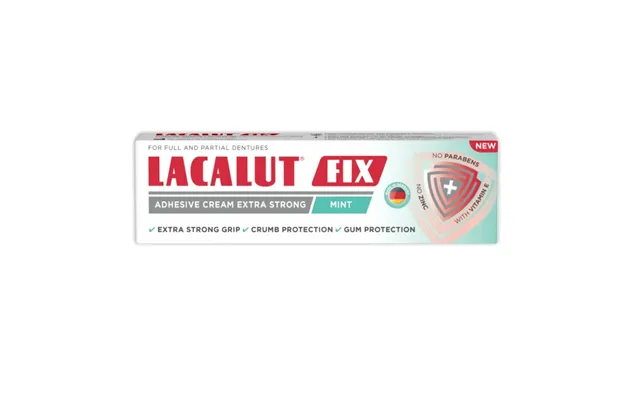
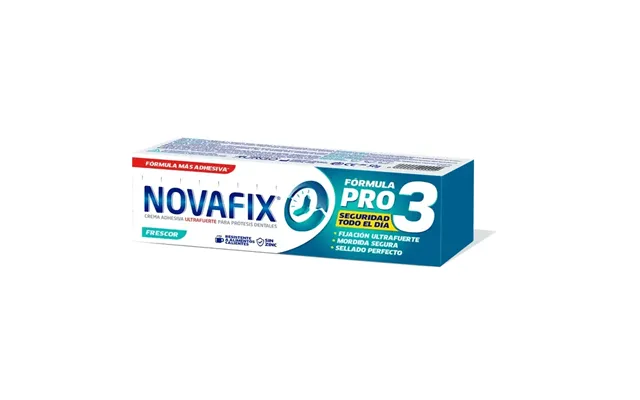
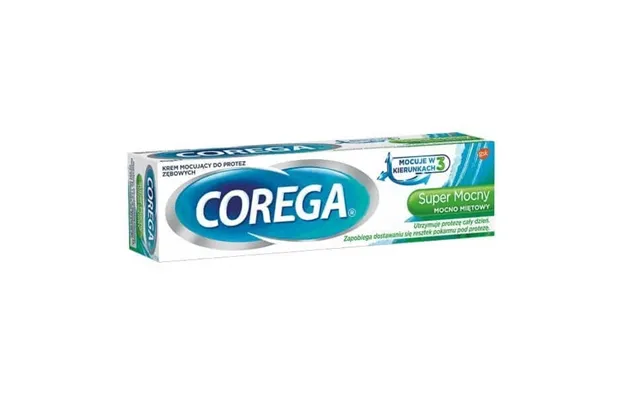
Cream adhesives are the crowd favorite for a reason. They spread evenly, cushion well, and deliver a dependable hold that can last from breakfast to dinner. Most creams come in convenient tubes—often in sizes around 1 oz to 2.4 oz—so you can stash one at home and another in your bag. If you’re new to denture adhesives, cream is a comfortable place to start. Look for zinc-free options if you’re ingredient-conscious, and choose mint or unflavored depending on your taste. Want less mess? Use small dots or thin lines—too much cream actually reduces grip and causes ooze.
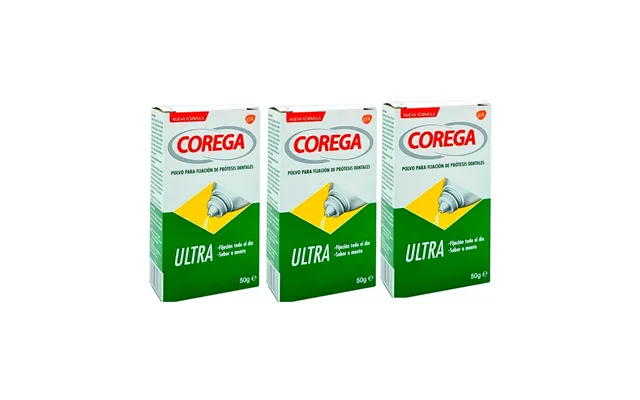
Prefer a barely-there texture? Adhesive powders are light, clean, and quick to apply. Dust a thin, even layer onto your clean, slightly damp denture, tap away excess, and seat firmly. Many users like powder for lower dentures or partials because it can help manage saliva while delivering a steady hold. It’s also easy to reapply mid-day without starting from scratch. If creams feel heavy or pasty, a powder may be your perfect match. As always, check price per ounce when comparing deals—powders can be excellent value over time.
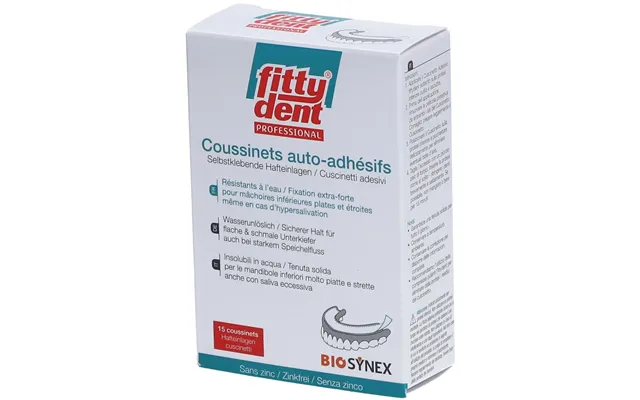
Hate guessing how much adhesive to use? Strips and pads are pre-cut and pre-measured for a tidy, consistent application. Just trim to fit, moisten, and place. They’re especially handy for new wearers, seniors, or anyone who travels often and wants a reliable, no-fuss routine. While strips might cost a bit more per application, the convenience and clean removal are huge pluses. If you like precision and minimal cleanup, strips may be your stress-free solution to everyday hold.
If your gums are sore or your denture fit has changed slightly, cushions and liners can help. These soft, pliable layers add gentle padding while improving suction. They’re not a long-term substitute for professional adjustments, but they can smooth out pressure points and extend comfort between dental visits. Many liners are compatible with cream or powder adhesives, so you can mix and match for the security you need. When browsing a denture adhesives price list, consider the cost per liner and how many days each one comfortably lasts for you.
Zinc has been used in some denture adhesives for strong hold, but many modern formulas are proudly zinc-free. If you’re ingredient-sensitive or simply prefer fewer additives, zinc-free adhesives are easy to find and deliver impressive performance. If you do choose a product containing zinc, use it exactly as directed and avoid over-application. Either way, the real win is fit and technique: use the least amount that provides a seal, apply strategically, and give the adhesive a few minutes to bond before eating or sipping hot drinks.
Great hold starts with clean dentures and clean gums. Brush your dentures with a soft denture brush and a non-abrasive cleanser, then rinse and dry fully. Moisture on the denture plate can thin the adhesive and weaken grip, so take a moment to let everything dry. If you use powder, leave the denture just slightly damp. For cream or strips, dryness is your friend. Think of this step like priming a wall before paint—the result is smoother, stronger, and longer-lasting.
For upper dentures, apply thin lines near the front ridge and along each side, staying away from the edges. For lowers, small dots or a thin center line help prevent shifting without overflow. If you’re using strips, trim to match the ridge and curve snugly around the arch. The goal is a seal, not a flood—leave room for saliva to activate the adhesive’s grip. After seating the denture, press and hold for a few seconds to lock the fit, then avoid eating for a short while to let the hold set fully.
Less is more. With creams, start with tiny pea-size dots or very thin lines—think about a total length no longer than 1 to 2 inches across the entire denture. With powders, a light dusting is all you need; tap away excess. With strips, use a single layer and avoid doubling up. If you see ooze, use less next time. If the denture still shifts, add a touch more the following day. Dialing in the right amount usually takes a few tries, but once you nail it, you’ll enjoy a steady, comfortable seal without the mess.
Mess-free success hinges on three habits: dry dentures, precise placement, and the smallest effective amount. If you’re still seeing overflow, move your adhesive a hair farther from the edge or switch to a firmer cream or pre-cut strip. Another pro tip: after seating your denture, bite down gently on a clean, soft cloth for a few seconds to help distribute pressure evenly. Finally, keep a small on-the-go kit—travel-size adhesive, compact brush, and a few tissues—so you can freshen up discreetly if needed.
At night, swish with warm water, then slowly rock your denture free—no prying. Any leftover adhesive on your gums can be massaged away with a soft, damp cloth or a fingertip dipped in warm water. For stubborn spots, use a denture-safe adhesive remover or a drop of mild, non-oil cleanser on a cloth. Avoid sharp tools or hot water. Your gums need a breather, too, so sleeping without dentures helps tissues rest and stay healthy.
After brushing, soak dentures in a recommended cleanser to help loosen remaining residues and tackle odor-causing bacteria. Many users alternate between everyday soaking tablets and deep-clean products used once or twice a week. If you prefer a streamlined routine, look for all-in-one cleansers that lift adhesive and brighten in a single soak. Always rinse thoroughly before reinserting in the morning. And if you wear partials with metal clasps, choose a soak that’s compatible with metal components.
If your gums run sensitive, steer toward zinc-free adhesives with gentle, hypoallergenic formulas. Fragrance-free and dye-free options can reduce irritation, and strips often feel milder because they limit spread. Cushions or liners can relieve pressure points while your gums adapt, especially after adjustments. And remember: if you’re using more adhesive to compensate for a loose fit, it may be time to compare liner options or book a professional refit to restore comfort and stability.
The best adhesive for you is the one you’ll actually use every day. Prefer a clean mouthfeel? Powders win for lightness. Want a fresh taste? Try a mint cream. Sensitive to flavors? Go unflavored. Scan the label for zinc-free, paraben-free, or vegan markers if those matter to you. If you often sip coffee or tea, look for water-resistant or heat-tolerant claims to keep your hold consistent. When you find a formula you love, consider multi-packs for better price per ounce.
Adhesives vary widely in size and concentration, so the smartest comparison is price per ounce and cost per day. A 2 oz tube may last weeks with light use, especially if you’ve dialed in the right amount. Powders can be very economical because a dusting goes a long way. Strips may cost a bit more per application, but they save time and reduce waste. When you browse a denture adhesives price list, note the ounces, count how many days a package might cover, and estimate your real monthly cost.
Watch for multi-pack offers and bundles that include cleansers, brushes, or adhesive removers—these can bring significant savings over single buys. Travel-size creams around 0.5 oz are perfect for gym bags or holidays, while full-size 2 oz tubes are best for home. If you see a great deal, consider stocking up, but check each tube’s shelf life and store extras in a cool, dry place. Comparison platforms make it easy to weigh options at a glance, so you always spot the best value.
Looking to stretch your budget? UK shoppers can explore a range of denture adhesive deals and promotions across retailers. A comparison site helps you see current prices side by side, filter by format—cream, powder, strips—and pinpoint zinc-free or sensitive options quickly. You can also catch on-sale multi-packs, seasonal discounts, and value bundles with cleansers or brushes included. The result? Less time hunting, more time smiling with a secure, comfortable fit that doesn’t cost a fortune.
A two-sided denture brush is a small upgrade with a big payoff. One side lifts debris from ridges; the other polishes smooth surfaces. Pair it with a non-abrasive denture paste or mild cleanser—regular toothpaste can be too harsh. A clean surface improves adhesive grip and helps prevent odors. If you wear partials, a gentle brush also protects the rest of your teeth and any metal clasps. Consistent care means better hygiene, fresher breath, and a steadier hold tomorrow.
Not all mouthwashes are created equal. Alcohol-free options are kinder to tissues and won’t dry your mouth, which can affect adhesive performance. Some rinses are specifically formulated for denture wearers to freshen gently and help neutralize odor. A quick swish after meals can keep things feeling clean and comfortable, especially if you plan to reapply powder or strips mid-day. Look for clear, dye-free formulas if you’re ingredient-sensitive.
Adhesive removal can be the stickiest part of the day—literally. Dedicated removers and wipes make it smoother and faster. They’re designed to lift residue from acrylic plates and gums without harsh scrubbing. Keep a small pack in your car or travel pouch for quick cleanups. If you prefer a minimalist routine, warm water plus a soft cloth goes a long way, but a specialized wipe can be a game-changer when you’re short on time.
Ooze happens when you use too much adhesive or apply it too close to the edge. Solution: scale back the amount and move your lines or dots a bit inward. Try a slightly thicker cream or switch to strips for more precise control. Also, make sure your dentures are bone-dry before applying—extra moisture thins adhesive and encourages overflow. A couple of small tweaks can stop ooze cold and keep your smile clean.
If your dentures loosen before dinner, first look at your routine. Are you eating very hot foods right after application? Give the adhesive time to set. Are you using too much? Excess can actually reduce grip. Consider a water-resistant cream or a mid-day powder touch-up. If the problem persists, it may be a fit issue rather than product performance—liners or a professional refit can restore reliable suction and stability.
Discomfort can signal sensitivity to a specific ingredient, overuse of product, or a denture that’s rubbing. Try a zinc-free, fragrance-free formula and reduce the amount you apply. If you still notice irritation, consider strips to limit spread, and give your gums nightly rest time without dentures. Persistent discomfort might mean the base needs adjustment—comfort should be the rule, not the exception.
Going away for a long weekend or a business trip? Pack a compact kit: a travel-size adhesive (around 0.5 to 1 oz), a small brush, cleanser tablets, and a sealable case. Strips shine when you’re traveling—they’re clean, pre-measured, and easy to stow. If you’re flying, keep essentials in your carry-on so you’re covered if your checked bag takes a detour. A little prep keeps your routine smooth and your smile steady on the road.
More denture adhesives now feature thoughtful formulations—zinc-free, paraben-free, and sometimes vegan. You’ll also find brands using minimal packaging or recyclable boxes. If sustainability matters to you, scan for these callouts while comparing offers. And remember, skin-friendly isn’t just a buzzword; gentle formulas help keep your gums happy day after day, which means less trial and error and more reliable, comfortable wear.
Finding the best denture adhesive for your lifestyle comes down to fit, formula, and a smart comparison of value. Creams deliver cushioned, all-day hold. Powders keep things light and tidy. Strips offer clean, predictable placement. Add thoughtful prep, minimal amounts, and a steady cleaning routine, and you’ll enjoy a secure, natural-feeling smile from morning to night. Ready to upgrade your routine and save? Explore current UK offers, compare by format and price per ounce, and pick the adhesive—and supporting care products—that keep you confident every single day.