

Tongue Scrapers price list
Last updated Monday, 19 Oct 2026




View 12 Offers


Loading...
Last updated Monday, 19 Oct 2026
Ever brush and floss like a pro but still feel your breath could be fresher? You’re not alone. A tongue scraper targets the gunky film that builds up on your tongue—often a hidden source of stubborn bad breath and that dull, muted taste. Think of it like cleaning the windshield of your mouth; you can drive without it, but the view is so much clearer when you do. In the UK, tongue scrapers are affordable, easy to use, and widely available, with plenty of deals to help you upgrade your oral care without overspending.
A tongue scraper is a simple handheld tool designed to gently lift and remove the coating that accumulates on your tongue. This coating can trap food debris and odor-causing compounds. Scraping helps reduce volatile sulfur compounds—those are the culprits behind bad breath—while making your tongue look cleaner and your taste buds feel more awake. In short, it complements brushing and flossing by targeting a surface you might be missing every single day.
Stainless steel models are durable, easy to sanitize, and typically long-lasting. If you like a tool you can buy once and keep for years, stainless steel is a solid pick. The edges tend to be smooth yet effective, and many designs offer adjustable widths to fit your mouth. They’re great for those who want a premium feel and hate replacing things often. Downsides? They’re usually a little heavier than plastic, and cheaper versions can have rough finishing if the edges aren’t well polished—so look for rounded, smooth edges.
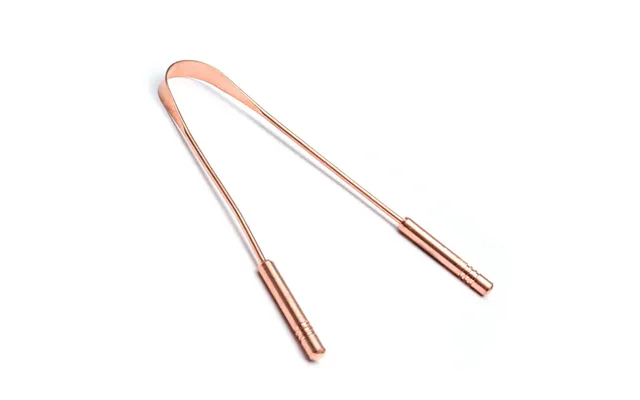
Copper is a favorite for fans of traditional designs. It’s naturally antimicrobial and has a distinctive look. Many copper scrapers are flexible and form a wide U-shape that’s easy to control. Over time, copper develops a patina—that’s normal and doesn’t affect performance—but you can polish it if you prefer a shiny finish. Copper feels lighter than many steel models, but it can bend out of shape if you’re rough with it, and lower-quality pieces might have thinner edges that feel too sharp.
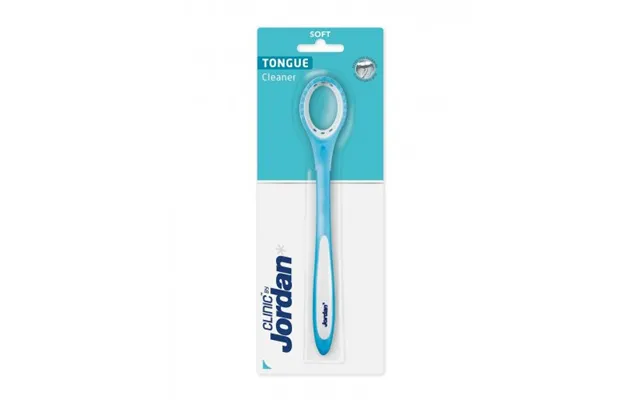
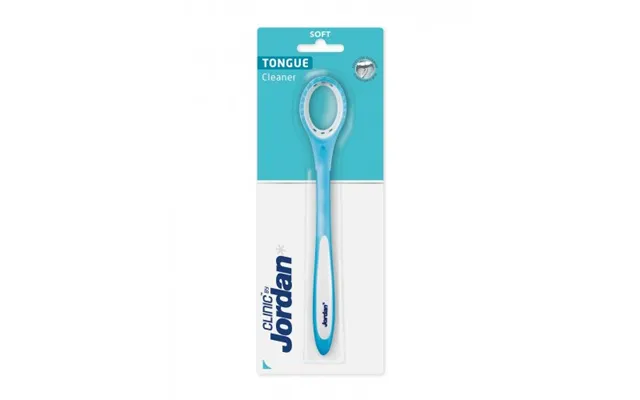
Plastic and silicone scrapers are budget-friendly, light, and often come in multipacks. They’re popular if you’re new to scraping or want a soft, forgiving edge. Silicone can feel gentler for sensitive tongues or if you’re prone to gagging. The trade-off? They don’t always last as long as metal, and some can be less effective at removing thick buildup. If you go this route, look for BPA-free plastic and a design with a wide scraping edge for better coverage.
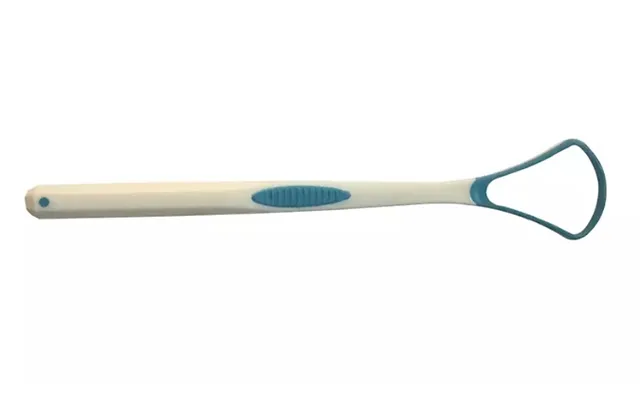
Some scrapers blend materials—like a steel edge with silicone grips—for comfort and control. You’ll also find different shapes: the classic U-shape that you hold with two hands, and single-edge designs with a handle, more like a mini squeegee. The U-shape suits most people and offers even pressure from left to right. Single-edge scrapers can feel more familiar if you’re used to toothbrush-style tools and want to guide the scraper with just one hand.
The edge should be smooth, slightly rounded, and firm enough to move gunk without scraping your tongue raw. If an edge looks razor-thin and harsh, skip it. A good scraper glides; it shouldn’t feel scratchy. Some designs use a double-edge or multiple scraping ridges—handy if you want a deeper clean in fewer passes.
A wider scraper covers more of your tongue in one pass and usually delivers faster, more even results. Many people find a width around 1 to 2 inches comfortable, but everyone’s mouth is different. If you have a smaller mouth, look for a narrower or adjustable design so you don’t trigger your gag reflex.
Adjustable scrapers let you tweak the curvature, so the edge sits flush against your tongue. That means more efficient scraping with less pressure. A little flex is helpful to “hug” the tongue’s contours, but too much can feel floppy and imprecise.
Non-slip grips are underrated until you’re dealing with a wet tool at the sink. Rubberized or textured handles help you control pressure. If you’ve ever dropped a tool mid-scrape, you know why this matters. Two-hand U-shape designs should have sturdy ends for a steady pull.
Travel cases keep your scraper clean in your bag and reduce the risk of picking up lint or grime. If you’re often on the go, a case is worth it. Some sets include brush heads for cleaning the scraper itself—a nice bonus if you want a quick after-use scrub before rinsing and drying.
Let’s talk value. You’ll find a broad tongue scrapers price list across categories, but in general, budget plastic and silicone scrapers tend to cost very little, often in multipacks. Mid-range stainless steel and copper options usually cost a bit more, often with better finishing and optional cases. Premium picks may include polished metal, ergonomic grips, and travel accessories. Paying more doesn’t always mean better performance, but it often buys you comfort, durability, and a smoother edge. The smart strategy? Match the features you’ll actually use with a price that feels fair—then watch for discounts and bundles.
Start by standing in front of a mirror with good lighting. Open your mouth and gently extend your tongue. Place the scraper near the back of your tongue—far enough to catch the coating but not so far that you gag. Pull the scraper forward with light, even pressure. Rinse the scraper and repeat until the tongue looks clean, usually three to five passes. Rinse your mouth afterward and follow with brushing and flossing as normal. The entire routine takes less than a minute.
Use gentle pressure. You’re removing a surface layer, not digging for treasure. If you’re new to scraping, start closer to the middle of your tongue and work your way farther back over a week. You can scrape daily—many people do it in the morning to keep breath fresh. If your tongue feels sore, ease up or take a day off.
Rinse your scraper with warm water after every use. A dab of mild soap on your fingers helps remove residue from the edge; rinse thoroughly to avoid any soapy taste. Shake off excess water and let it air-dry. If your model came with a case, make sure it’s fully dry before storing to prevent trapped moisture.
For metal scrapers, a periodic polish with a soft cloth keeps edges feeling smooth. Copper can be brightened with a gentle polish if you prefer a gleam, though patina is natural. For plastic and silicone, inspect the edge for nicks or rough spots; if it looks worn or starts to smell, it’s time to replace it. Avoid harsh chemicals or abrasive pads that could damage the edge.
Some toothbrushes have a scraping ridge on the back of the head. That’s better than nothing, but it’s usually narrow and requires more passes. A dedicated tongue scraper is wider, more efficient, and often gentler for the job it’s built to do. What about mouthwash? It’s great as part of a routine, but it doesn’t physically remove the coating. Think of scraping as wiping the table; mouthwash is more like a quick spritz. For the best results, pair a scraper with brushing, flossing, and a dentist-approved mouthwash if you use one.
Try a smaller or single-edge scraper and start closer to the front. Breathe through your nose, keep your shoulders relaxed, and go slowly. Over a few days, most people find they can comfortably reach farther back without triggering a gag.
You can still use a tongue scraper—just be mindful around wires and trays. Scrape before reinserting aligners, and rinse well. If you have any mouth sores, avoid scraping the irritated area until it heals.
Scraping can help reduce morning breath by removing overnight buildup. If you struggle with chronic dry mouth, combine scraping with hydration and a saliva-friendly routine. For persistent issues, it’s wise to speak with a dental professional.
Short answer: most adults. If you enjoy coffee, tea, wine, or spicy foods, you might notice a visible coating that scraping removes quickly. If you’re focused on fresher breath, a scraper is one of the simplest upgrades you can make. People who snore, breathe through their mouth, or take certain medications that dry the mouth often benefit too. If you notice pain, bleeding, or unusual discoloration on your tongue, pause and consult a dentist or GP before continuing.
An electric toothbrush with a pressure sensor and gentle mode helps protect your gums while delivering a consistent clean. Pairing that with a tongue scraper attacks plaque and tongue coating from two angles.
Scraping won’t replace flossing. Keep interdental spaces clean with floss or interdental brushes to break up plaque where it hides. Doing this before you scrape reduces the overall bacterial load in your mouth.
Fluoride strengthens enamel, and an alcohol-free mouthwash can be a good finishing touch if you like extra freshness. Together with scraping, you get a comprehensive routine in just a few minutes a day.
Prices for the same scraper can vary. It pays to compare across reputable retailers to find discounts, bundles, or multipacks. Using a comparison site like ZoneOffer can help you see current offers side by side so you can quickly identify value without hopping between dozens of tabs.
Before you buy, scan product photos and descriptions for edge smoothness, width, and materials. If you see polished edges and a wide scraping surface, that’s a good sign. A travel case and clear cleaning instructions are also nice bonuses that add value.
Reviews can reveal whether the edge is truly comfortable and whether the tool holds up over time. Watch for comments about sharpness, rusting (a red flag), or handles coming loose. Users often mention if a scraper reduced bad breath or felt too harsh—both helpful cues.
A narrow edge can mean more passes and less effective results. Aim for a width that comfortably spans most of your tongue without feeling oversized.
Budget scrapers can work, but if the edge is rough or the handle flimsy, you might give up on scraping altogether. Spend enough to get smooth, safe edges and a design you’ll actually enjoy using.
Not all stainless steel is created equal, and some copper tools skimp on thickness. If a metal scraper bends too easily or shows rough cut lines, look for a better-finished alternative.
Metal scrapers shine here. A well-made stainless steel or copper tool can last for years with simple care, reducing waste. If you prefer plastic or silicone, consider multipacks with recyclable packaging and replace them when edges wear down. Whichever route you choose, taking care of your scraper extends its life and keeps it hygienic.
Heading to work, the gym, or a weekend trip? A compact scraper with a slim case slips easily into a dopp kit or handbag. Quick tip: let it dry fully before capping the case to avoid lingering moisture. If you’re scraping in a shared or public bathroom, rinse, wipe with a clean tissue, and tuck it away. It’s a small habit that keeps your breath fresh and your routine consistent wherever you go.
Scraping should never hurt. If you see blood, feel pain, or notice lingering soreness, stop and reassess your pressure and technique. Make sure the edge is smooth and the angle is gentle. If you have mouth ulcers or cuts, avoid the area and resume once healed. And if something just doesn’t look right on your tongue, a quick professional check is always a good call.
Many people report food tasting brighter and more nuanced after adding scraping to their routine. That’s because you’re clearing away a film that can mute flavors. Think of it like tuning a radio—remove the static and suddenly the music sounds crisp again. While everyone’s experience varies, this is a common benefit alongside fresher breath.
Metal scrapers can last for years if they’re well-made and kept clean. Replace them if the edge becomes nicked, rough, or bent. Plastic and silicone scrapers wear out faster; swap them when the edge loses its shape, shows cuts, or picks up odors that don’t wash out. Regular inspection is your best guide.
If you love a buy-once solution, go for a polished stainless steel or copper scraper with a travel case and a comfortable grip. Prefer something softer? A silicone-edge model with a wide scraping surface can feel gentle yet effective. Pair your scraper with a quality toothbrush, floss or interdental brushes, and a mouthwash you like the taste of, and you’ll have a routine that’s easy to stick to. Compare prices across retailers, use a comparison site to spot current deals, and look for bundles that include extras you’ll actually use.
A tongue scraper is a tiny tool with outsized impact. It helps clear the coating that brushing and mouthwash leave behind, supports fresher breath, and can even make flavors pop a little more. The key is finding a scraper that fits your mouth, feels comfortable, and stands up to daily use—whether that’s stainless steel, copper, silicone, or a hybrid. Once you’ve picked your style, keep an eye out for UK deals and compare options to get the best value. Start light, keep it gentle, and make it part of your morning routine. Your mouth—and anyone you talk to up close—will thank you.