

Toy Gliders price list
Last updated Monday, 19 Oct 2026



View 19 Offers




Loading...
Last updated Monday, 19 Oct 2026
Toy gliders are lightweight flying toys designed to glide smoothly through the air after a simple hand throw or assisted launch. Think of them as tiny, graceful aircraft without motors—some made of foam for durability, some of balsa for classic charm, and others with plastic or composite parts for extra flair. They’re easy to assemble, quick to learn, and incredibly satisfying to fly. Whether you’re in a local park or the back garden, a well-trimmed glider can soar far, loop gently, and return on a predictable path. Simple? Absolutely. Addictive? You bet.
Ever wondered why gliders feel so magical? It’s physics you can feel. Toy gliders teach lift, drag, balance, and center of gravity without a whiteboard in sight. Kids learn by doing—throwing, adjusting, testing, and tweaking—building coordination and patience along the way. Adults love them, too, because they bring a calm, retro joy to a quick break outdoors. And let’s be honest—getting off screens and into fresh air is priceless. With the right picks, you’ll turn playtime into a fun STEM lab under open skies.
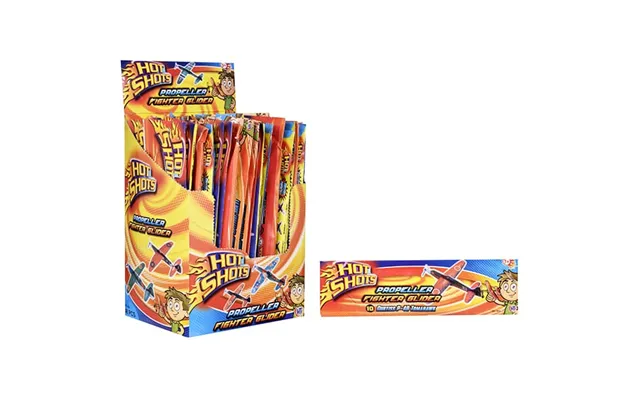
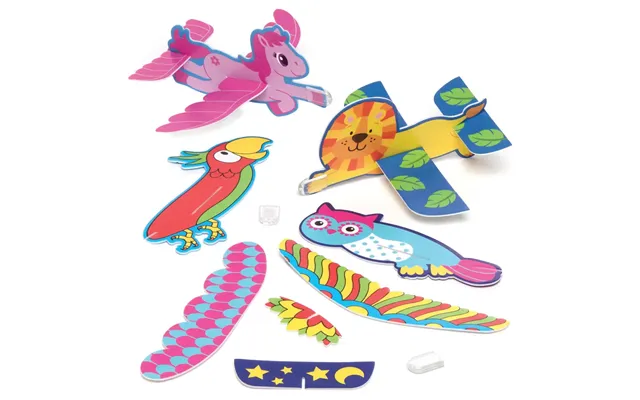
Foam gliders are the modern crowd-pleaser. Usually made from EPP or similar resilient foams, they handle rough landings, tree kisses, and backpack tosses like champs. You’ll find compact models around 12–16 inches in wingspan for younger flyers, and larger versions stretching to 20–24 inches for more stable, longer flights. Some foam models include swappable tail positions—flip the rear wing and suddenly you’re doing loops or long, flat glides. They’re light, durable, and perfect for busy parks where a few bumps are inevitable.
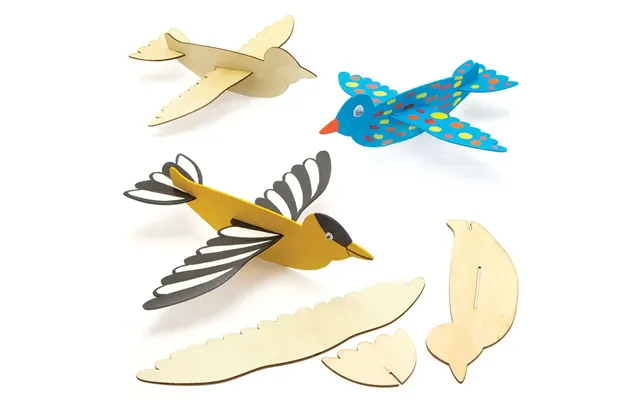
Craving that nostalgic, classic feel? Balsa gliders deliver it in spades. They typically come as simple kits with a fuselage, wing, and tail you slot together. Expect wingspans in the 12–18 inch range for the most common models. Balsa is light and stiff, which means crisp responses to small adjustments and beautiful, floaty glides when trimmed right. You’ll want to treat them gently and land on grass when possible, but the payoff is a pure, old-school flight that never goes out of style.
If you want a little extra launch energy without stepping into radio control territory, rubber band or catapult gliders add spice. You hook a small ring under the nose or a designated peg, pull back, and release—whoosh! They climb quickly and settle into a glide that can feel twice as long as a standard hand throw. Many sit in the 12–16 inch wingspan range and favor clean, adjustable tailplanes so you can fine-tune for a gentle swoop or a higher peak with a longer float.
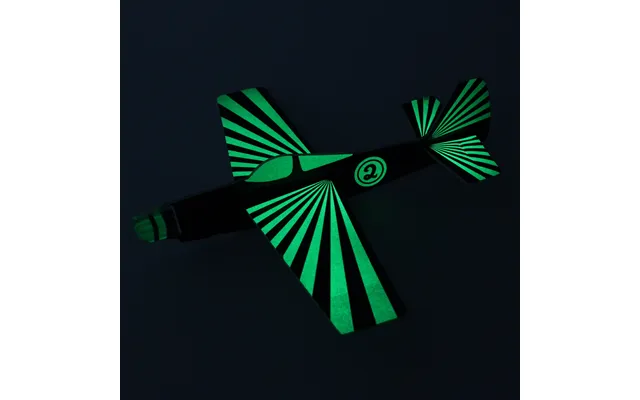
Twilight flying session? LED gliders are the standout pick. Tiny built-in lights glow along the fuselage or wing edges, turning a simple evening toss into a mini light show. Most LED gliders keep to a moderate size—say 14–18 inches—so they’re easy to track in lower light. Just remember to fly in safe, open spaces and keep an eye on orientation; flashing lights are mesmerizing but can make it harder to tell nose from tail at a distance.
Wingspan plays a big role in how a glider behaves. Smaller wings (around 12–14 inches) tend to be lively and great for small spaces. Larger wings (18–24 inches) bring stability and longer, floaty glides—ideal for big fields. As for weight, lighter gliders handle calm air beautifully, while slightly heavier noses can help pierce a breeze. If you’re shopping for a windy day toy, a touch more nose weight (often a small clay ball or included ballast) can make flights feel confident instead of twitchy.
Foam rules for durability. EPP foam in particular springs back from bends, making it perfect for beginners or schoolyard play. Balsa wins on elegance and precision but needs softer landings. Some gliders combine materials—foam wings with plastic noses, or wooden fuselages with foam tips—to balance strength and performance. Check how parts slot or screw together; a snug, secure fit prevents mid-air wobbles that sap glide distance.
Adjustability is the secret weapon of long, stable flights. Look for gliders with easy-to-bend trim tabs on the tail or adjustable tailplane angles. Tiny tweaks can correct a left drift, tame a dive, or add gentle climb. If a model includes two tail positions—like “sport” and “loop”—that’s a quick way to change the vibe without tools. Beginners appreciate these features because they turn trial-and-error into fast results.
Go simple, soft, and sturdy. Foam gliders with rounded noses and wingspans around 12–14 inches are ideal. Many have two-piece construction—wing and fuselage—that clicks together in seconds. A lighter, slower-flying model reduces frustration and keeps little pilots safe. Bright colors help you find them in grass, and a slightly thicker wing adds durability when those first throws don’t quite go as planned.
This is the sweet spot for variety. Kids can step up to 14–18 inch wingspans, experiment with trim, and try rubber band launches under supervision. Look for models with adjustable tails and optional nose weights so they can learn basic flight tuning. LED gliders are brilliant at this age—part play, part show—and keep the excitement alive even after dinner.
Teens can handle larger foam gliders up to 20–24 inches and even get into lightweight balsa kits that reward careful trimming. If they’re curious about performance, a catapult glider is a fantastic gateway to controlled, repeatable launching. You can also introduce optional add-ons like removable winglets, different launch pegs, or swappable nose weights to make the craft feel like a mini project aircraft.
Prices on toy gliders can vary widely across retailers, and stock moves fast when good weather hits. That’s where a comparison site like ZoneOffer shines—it helps you weigh popular offers and track price ranges across multiple sellers without hopping between tabs for hours. You’ll see what’s trending, what’s discounted, and which options match your budget and features list. It’s the simplest way to get the best value without compromising on the fun factor.
Peak spring and summer bring fresh stock—and occasional price bumps. Shop just before the warm season or keep an eye on mid-season promotions for the best deals. Holiday sales and bank holiday weekends can deliver surprises, including bundles with spare parts or glow accessories. If you’re hunting for LED gliders, late-summer and autumn specials are worth a watch as evenings start earlier and night flyers become hot again.
Most toy gliders are “no tools needed,” but a little care pays off. Seat the wing fully and square to the fuselage—eye it from the front to confirm both sides are level. Align the tailplane so it’s centered and flat; a slanted tail is a sneaky cause of spirals. If your glider includes a small plastic clip or screw to lock the wing, don’t skip it. Finally, if instructions suggest a dab of removable tape under the wing, that’s to prevent shifting during harder throws.
Start with a gentle, level toss at shoulder height in still air. Does the glider dive? Nudge the tailplane up slightly. Does it stall and flop? Ease the tailplane down a hair. Drifting left or right? Tiny bends on the rear fin or a subtle wingtip tweak can straighten it out. Think of trimming as tuning a guitar—small adjustments get you to the sweet spot. When you nail it, you’ll see a smooth, confident glide that feels almost effortless.
Open fields, wide parks, and empty school grounds (when allowed) are your best friends. Stay well away from roads, water, and power lines—gliders are light, and a stray gust can carry them farther than you expect. Keep clear of dog walkers and joggers; a quick glance around before each throw keeps everyone smiling. And if your glider has LEDs, consider reflective clothing or a small headlamp on dim evenings so you can see where you’re walking after retrievals.
Calm air is perfection for beginners. As the wind picks up, gliders may weathercock (turn into the wind) or balloon upwards before stalling. If you want to fly in a breeze, add a touch of nose weight and aim your launch slightly downwind to find smoother air. Cold weather makes foam stiffer and a bit more brittle—so gentle throws and grassy fields are wise on frosty mornings.
Foam is wonderfully forgiving. Small dents often pop back out after a few hours. For deeper dings, a tiny strip of clear packing tape can reinforce a stressed spot without adding much weight. If a wing slot loosens, a thin sliver of cardboard or a short strip of tape under the wing can tighten the fit. Keep an eye on the nose; a little tape armor there extends the life of eager, hard-throwing sessions.
Balsa loves gentle handling. If a joint loosens, a tiny drop of non-brittle glue can restore rigidity. Avoid wet grass—moisture can warp delicate parts. After flights, store balsa gliders flat and away from heavy items. If a wing tip picks up a curve, you can carefully counter-bend it a touch, then let it rest flat under a light book overnight. Slow, careful maintenance keeps that classic glide alive.
Mark a line and challenge friends: who can fly farthest without veering off course? Or set a hoop target and try for a gentle “thread the needle” glide. If you want a twist, switch gliders between rounds—each model flies differently, so the pilot who adapts fastest often wins. For kids, create a scavenger-style course of landing zones with points for each hit. It turns every throw into a mini mission.
Curious minds can run simple tests: add a small nose weight and record glide distance, then remove it and compare. Try slightly up-tilted tailplanes vs. slightly down-tilted ones. Swap smooth tape on one wingtip and see how it nudges yaw. Keep a quick log of tweaks and results; you’ll watch the science of flight come to life, one throw at a time. It’s hands-on learning with a big dose of “wow.”
Catapult launchers with soft bands deliver repeatable, satisfying climbs—just be sure the glider is rated for launcher use. Keep spare rubber bands, a couple of nose cones (if your model uses them), and a tiny repair kit with tape and a small bit of molding clay for balance tweaks. These extras turn a short park visit into an all-afternoon flying session.
A simple tube or slim case protects wings in transit. Toss in a small towel for dewy grass, a permanent marker to label your glider, and a pocket-sized notebook for trim notes. If you’re night-flying, pack spare button cells for LEDs. A foldable windsock or ribbon on a stick helps you judge breeze direction without guesswork—your throws get smarter, and your flights get longer.
Budget foam gliders excel at fun-per-pound, especially in the 12–16 inch range. As you move up in price, you often get better foam density (strong yet springy), cleaner aerodynamics, and finer adjustability for precise trimming. Premium balsa kits may include laser-cut parts that fit perfectly and hold alignment better. The net effect is smoother launches, longer glides, and fewer mid-air surprises.
If you’ve mastered basic throws and want more predictable, longer flights—or you’re keen to tackle catapult launches—stepping up makes sense. Aim for models around 18–20 inches with stable behavior and adjustable tails. If your pilot is a young beginner still learning to throw level, a budget-friendly foam model remains the smart play. Upgrade when the glider becomes the limitation, not the pilot.
While many foam gliders prioritize durability, you can also find options with recyclable components or minimal packaging. Balsa, as a natural wood, can be more eco-friendly if sourced responsibly. If you’re buying multiple gliders for a party or school club, consider models with replaceable parts—repair beats replace every time.
Sustainability often comes down to longevity. A glider that lasts through seasons of play is kinder to the planet than multiple flimsy buys. Choose tougher foams, reinforced noses, and models with easy repair options. Store them flat, keep them dry, and they’ll keep earning grins without ending up in the bin after a single hard landing.
Small back garden? Grab a shorter wingspan—12–14 inches—and aim for foam. Big park days? Step up to 18–24 inches and enjoy longer, smoother flights. If you’re surrounded by trees, durability jumps to the top of the list. For coastal breezes, look for a model with optional nose weights or a slightly heavier build.
New flyers want easy assembly and forgiving materials. If the pilot likes to tweak and tinker, prioritize adjustability and include a catapult later. Night owls? LED gliders are a no-brainer. Collectors and hobbyists who adore precision and craft will love balsa’s classic feel and the satisfaction of a well-trimmed, feather-light glide.
Pick a pair of 14–16 inch foam gliders—one set for distance, one with loop mode. Start with gentle throws, swap tails for tricks, and play target landings in a marked circle. Finish with a friendly distance contest before snacks. Zero screens, maximum giggles.
Grab several inexpensive balsa kits and let students assemble, trim, and log flight distances. Rotate in a single catapult launcher for controlled experiments. Offer prize badges for “best trim,” “most improved glide,” and “top problem-solver.” Science meets smiles.
Different retailers list gliders under “flying toys,” “toy planes,” and “chuck gliders,” and prices can swing based on season and stock. Use a comparison site like ZoneOffer to line up features, sizes, and deals side by side. It’s the easy way to spot value without bouncing all over the web. Keep notes on wingspan, materials, and whether the tail is adjustable—those details matter more than flashy box art.
Look for multi-pack foam gliders for party favors or siblings—often better value per unit. LED add-on packs, spare rubber bands, and carry tubes are common bundle extras. Just confirm that add-ons match your glider’s size and nose design so everything fits seamlessly.
Toy gliders deliver a perfect blend of simplicity, science, and pure outdoor joy. Whether you reach for a durable 14-inch foam flyer, a nostalgic balsa chuck glider, or a catapult-powered performer, you’ll find a model that fits your space, your pilot, and your budget. Dial in the trim, toss into calm air, and watch a smooth, confident glide paint a smile on every face nearby. Ready to take off? Compare popular offers, pick the right wingspan, and let the wind do the rest.