All categories

Business & Offices

Electronics & Media
Fashion & Accessories
Groceries & Essentials
Health & Personal Care
Home & Living
Kids & Family
Sports & Outdoors
Search in ZoneOffer

Loading...
When most people think of bird care, they picture cages, seed, and maybe a toy or two. But here’s the secret: the “other” category of bird supplies is where a lot of the real quality-of-life upgrades live. These are the clever add-ons, the comfort boosters, the hygiene heroes, and the enrichment gems that turn a basic setup into a thriving, healthy habitat. If you’ve ever wondered why some birds seem calmer, cleaner, and more engaged, chances are their humans have mastered the small upgrades. Ready to do the same? Let’s dive into the unsung essentials, how to choose them wisely, and how to compare prices so you never overpay.
This catch-all category covers a surprising range of items that don’t always get spotlighted: cage accessories like perches and ladders, bathing and grooming tools, health and wellness extras, travel carriers and harnesses, feeding add-ons beyond standard bowls, foraging systems, cleaning supplies, and habitat upgrades such as seed guards and sleep covers. It’s a mixed bag, but that’s exactly why it’s so valuable—you can fine-tune your setup with targeted solutions that make daily life easier and safer for both you and your bird.
Think of perches as your bird’s shoes—they should fit, vary in texture, and support healthy posture. A mix of natural wood branches, rope perches, and smooth dowels keeps feet flexible and reduces pressure sores. Ladders and platforms turn a static cage into a mini gym, encouraging movement and curiosity. As a rule of thumb, aim for perch diameters that let your bird’s toes wrap around about two-thirds of the way; for small birds like finches and canaries, sizes around 0.5 to 0.75 inches work, while many parrots benefit from 1 to 1.5 inches or more depending on species. Variety is everything, and rotating positions keeps things interesting.
Clean feathers are healthy feathers. Many birds love a shallow bath that clips to the cage door, while others prefer a gentle misting. Choose baths with easy-to-remove trays so you can swap water daily without a struggle. Nail and beak care should be subtle—use grooming perches with a lightly abrasive texture and avoid harsh, gritty surfaces that can injure delicate skin. If you trim nails at home, keep styptic powder nearby and take it slow. When in doubt, ask an avian vet for a demo. Grooming is about maintenance, not makeover.
Food isn’t just nutrition—it’s enrichment. Stainless-steel food bowls are durable and easy to sanitize, and stainless skewers let you serve veggies and fruits safely while encouraging natural chewing. Seed guards help catch mess before it hits your floor, and seed catchers can wrap around the cage base to control scatter. Foraging wheels and treat balls turn feeding into a puzzle, which is exactly what many birds crave. Want a calmer bird? Let them “work” for food in a way that mirrors the wild.
Boredom is the sneakiest enemy of both behavior and health. Birds are intelligent, social, and wired for problem-solving. The best “other” supplies keep those brains buzzing. Rotate toys weekly, offer different textures, and introduce simple challenges. It’s like having a shelf of puzzles—some easy, some tricky—ready to swap in and out to keep life fresh.
Toys made from bird-safe woods, vegetable-tanned leather, palm leaves, and untreated cotton encourage natural behaviors like shredding and preening. Opt for stainless steel hardware over zinc, and avoid painted pieces unless the coating is explicitly bird-safe. Keep an eye on frayed ropes and loose threads that can tangle toes. A good rule: if it looks questionable, retire it. Your bird will forgive you faster than you think—especially if you replace it with something new and fun.
Foraging isn’t a luxury—it’s an anchor of mental health for many species. Puzzle feeders, treat drawers, paper-wrapped snacks, and cardboard cups packed with greens transform eating into a satisfying search. Start easy so your bird builds confidence: a paper cup with a partially open top, or a foraging wheel on the loosest setting. Gradually raise the difficulty, and watch confidence and contentment climb. It’s the bird world’s version of a great brain teaser.
Strong habitats create strong birds, and small upgrades often make the biggest difference. Wellness supplies include supplements, lighting, hygiene tools, and first-aid basics. Think of these as your safety net—usually quiet, always essential, and priceless in a pinch.
Not every bird needs supplements, but many benefit from iodine blocks, mineral blocks, or calcium sources like cuttlebone. As for grit, it depends on the species: finches and canaries may use a small amount of insoluble grit to help with digestion, while parrots and parakeets generally do not need it and can be harmed by overconsumption. When in doubt, consult an avian vet, and choose high-quality, contaminant-tested products. Less is often more—you’re aiming for balance, not a medicine cabinet.
Proper lighting supports vitamin D synthesis and a healthy day-night cycle. Avian-specific full-spectrum or UVB lamps placed at a safe distance, as directed by manufacturers, can be helpful, especially in darker months. Pair bright daytime conditions with a breathable sleep cover at night to reduce drafts and visual stress. The routine sends a powerful signal: daytime is for play and exploration, nighttime is for calm. Your bird’s mood may improve simply from consistent light and darkness.
Keep a small avian first-aid kit on hand: styptic powder, saline, vet-wrap, clean gauze, and a safe disinfectant. Add a digital scale that measures in ounces so you can track weight changes, one of the earliest signs that something may be off. A soft towel reserved for handling is useful for inspections without accidental snags. You’ll rarely need any of this—until you do—and the peace of mind is worth every penny.
Life happens outside the cage too. Whether you’re reshaping the main setup or preparing for a vet visit, a few extra tools make transitions smoother. Aim for upgrades that reduce stress, improve safety, and make your routine less of a juggling act.
Sleep covers do more than dim the lights—they create a sense of security. Choose breathable fabrics that don’t trap heat and that sit flush without tangling in toys or perches. If your home gets drafty, consider a draft shield or a strategic cage placement away from windows and doors. Calm, consistent nights often result in quieter mornings and fewer stress behaviors.
For trips to the vet or short journeys, a sturdy travel carrier with secure latches and adequate ventilation is a must. Line the bottom with a grippy towel for traction, and position a low perch so your bird doesn’t sway like a pendulum with every bump. Harnesses, when properly fitted and introduced slowly, can open the door to safe outdoor time for certain species. Go slow, reward generously, and keep outdoor sessions brief and positive.
Sometimes all you need is a new vantage point. Rolling stands and freestanding play-gyms bring your bird into social spaces when you’re home and tuck away neatly when you’re not. Look for stable bases, easy-to-clean trays, and attachment points for toys and foraging stations. A change of scenery is like a mini vacation—no suitcase required.
Cleanliness is comfort. The right tools cut your effort in half and keep your bird healthy. If cleaning feels like a chore you dread, you might just be missing the right gear. Spend a little on the correct brush or scraper and save a lot of time and frustration.
Cage liners make daily maintenance quick—just lift and replace. Plain paper or butcher paper is easy to scan for droppings, which helps you spot health changes. Seed guards and splash guards keep most mess contained, especially with enthusiastic bathers or seed-flingers. The goal is to control the chaos without redesigning your living room around the cage.
Odor generally means bacteria or poor ventilation, not just “bird smell.” Use bird-safe cleaners—look for products free from harsh fumes—and rinse thoroughly. A weekly deeper clean paired with daily spot checks usually does the trick. Avoid scented aerosols and strong chemicals near the cage; birds’ respiratory systems are sensitive, and even a little irritant can cause a big reaction. Ventilation and regular wash cycles win every time.
There are tons of deals out there, but not all bargains are equal. Price comparison platforms help you see a broad range of offers at a glance and track price trends over time. You can compare different sellers, spot seasonal discounts, and verify what’s actually included in the box. Remember, the cheapest option isn’t always the best value—durability, safety, and fit count just as much as price.
Always check the materials first. Stainless steel beats cheaper metals, and untreated woods beat painted ones unless the paint is specifically bird-safe. For perches and toys, verify dimensions and hardware type. For baths and feeders, confirm mounting style and whether brackets are included. If you’re browsing a price list, read beyond the headline—descriptions sometimes hide the fine print that makes or breaks a purchase.
Some items are worth splurging on—think carriers, harnesses, and UVB lighting—while others can be budget-friendly, such as paper liners or simple foraging toys. When you’re comparing, ask yourself: does this save me time, reduce risk, or enrich my bird’s day? If the answer is yes to two or more, it likely earns its place and pays for itself over time.
One size rarely fits all. The right accessory should match your bird’s body size, beak strength, and behavior style. A cockatiel that loves gentle chewing has different needs from a conure that can dismantle a clasp in seconds. Choosing wisely up front prevents frustration and keeps your bird engaged.
Perch diameter is one key measure, but don’t forget length and placement. A good perch should allow your bird’s toes to wrap comfortably without meeting at the bottom. For ladders, ensure rung spacing isn’t so wide that a small bird could slip through. For feeders, check bowl diameter and depth to make sure your bird can reach without dunking their face. With lighting, verify safe mounting distances in inches, and with carriers, check interior height so your bird can perch naturally without crouching.
Natural hardwoods like manzanita are fantastic for tough chewers, while softer woods can be more engaging for shredders. Stainless steel is the gold standard for hardware and bowls; avoid galvanized metals and unknown coatings. BPA-free plastics are acceptable for certain accessories, but treat them as consumables for enthusiastic chewers. When in doubt, lean toward materials that are easy to sanitize and tough to destroy.
What your bird needs can change across seasons and species. A canary’s wish list looks different from a cockatoo’s, and winter routines aren’t the same as summer ones. The magic is in adjusting your toolkit as circumstances shift.
Colder months call for draft control, consistent lighting, and stable temperatures. While plush huts might look cozy, some designs can pose risks from ingestion or entanglement, especially for chewers. Safer options include breathable sleep covers, strategic cage placement away from drafts, and regular activity to keep blood flowing. If supplemental warmth is needed, choose products designed for birds and follow distance and mounting guidance carefully.
Nesting materials and huts can trigger breeding behaviors, which may or may not be welcome. If you’re not intentionally breeding, avoid offering plush nests or boxes that signal “time to raise a family.” Provide enrichment without inadvertently setting the stage for hormonal swings. If you do need nesting supplies for species that require them, stick to safe fibers and check daily for loose strands.
Even seasoned bird owners sometimes overlook the small stuff. The good news? A few tweaks can dial your setup from “okay” to “excellent.” Keep it simple, observe daily, and aim for steady, small improvements. Your bird will tell you what works if you listen with your eyes.
Don’t overload the cage so much that there’s no room to fly or hop. Avoid mixed-metal toys with unknown coatings. Skip scented cleaners and aerosols around the cage. Don’t rely on a single perch texture or diameter. And don’t assume more toys equal more happiness—curation beats clutter every time.
Ask yourself: Is it the right size and material for my species? Is it easy to clean and sanitize? Does it add enrichment, safety, or convenience? Is the hardware bird-safe and sturdy? Can I see clear dimensions in inches and a list of included parts? If you can check these boxes, you’re likely on the right track.
Prices for “other” bird supplies can vary widely between sellers. That’s where comparison platforms shine—they bring offers into one view so you can gauge value quickly. Keep an eye on price lists, look for bundle offers that combine perches or toys, and set alerts for seasonal drops. The goal isn’t just to pay less; it’s to pay smart for the right item, at the right time, from a reputable source. A few extra minutes scanning details can save you dollars and headaches.
Once you’ve got the right supplies, make them work for you. Do a quick daily spot clean, rotate toys every week, and refresh foraging options every few days. Weigh your bird weekly in ounces, note droppings on clean paper, and keep a running list of what your bird loves most. With the right “other” supplies, your routine becomes smoother and your bird’s life richer. That’s the whole point, right?
The “other” section of bird supplies is where small, thoughtful choices build big results—cleaner habitats, safer routines, and happier, more engaged birds. From diverse perches and puzzle feeders to sleep covers, seed guards, and first-aid basics, these unsung tools turn daily care into a calm, confident rhythm. Compare offers, read the fine print on materials and dimensions, and prioritize safety and enrichment over impulse buys. Nail the little things, and you’ll transform your bird’s world—one smart upgrade at a time.
| Bird Supplies - Other | Price | |
|---|---|---|
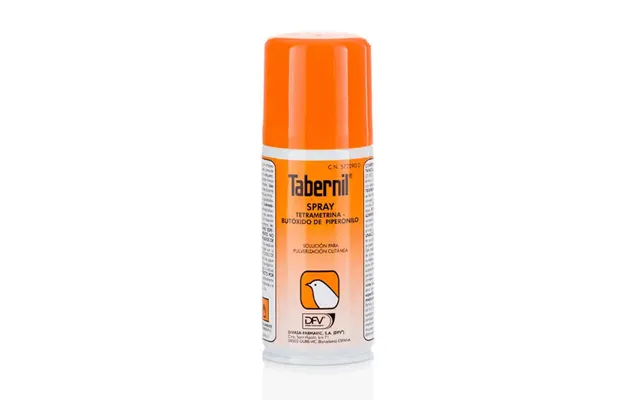
| Tabernil Spray 150 Ml | £ 8,80 | |
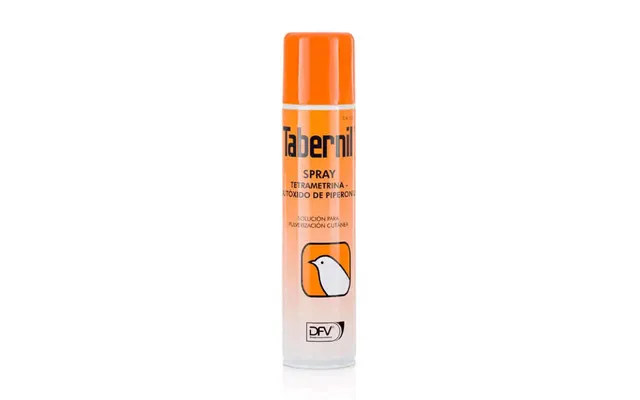
| Tabernil Spray 400 Ml | £ 13,90 | |
| Bird Bag Portable Foldable Parrot Travel Bag Hamster Pigeon Travel Bag Hand Held Single Shoulder Small Pet Travel Bag | £ 21,- | |
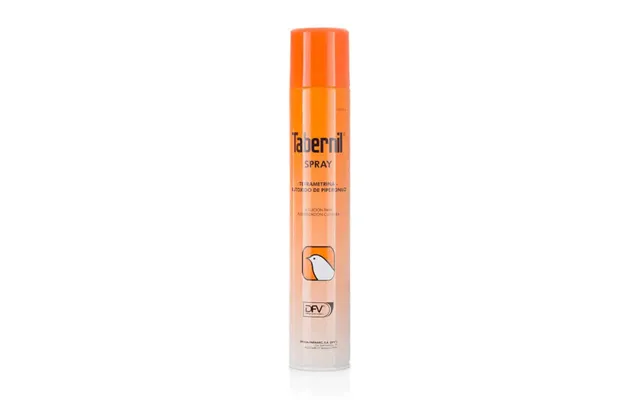
| Tabernil Spray 750 Ml | £ 21,20 |